What Ghana's 2026 Regulatory Floor Looks Like
A wastewater treatment plant supplier in Ghana must deliver equipment that produces effluent meeting EPA Ghana Effluent Quality Guidelines — BOD ≤50 mg/L, TSS ≤50 mg/L, COD ≤250 mg/L, and NH3-N ≤5 mg/L. For 2026, buyers should shortlist suppliers offering containerized, grid-tolerant systems (MBR, package A/O, SBR) with documented Tema Port delivery experience, on-site commissioning in West Africa, and CE/ISO 9001 certification.
Every Ghana-bound WWTP must clear the same numeric floor before a discharge permit is issued. The table below summarises the headline limits; the values come from EPA Ghana's published effluent guidelines and are non-negotiable during permit review.
| Parameter | EPA Ghana limit (discharge to surface water) |
|---|---|
| BOD₅ | ≤ 50 mg/L |
| TSS | ≤ 50 mg/L |
| COD | ≤ 250 mg/L |
| NH₃-N | ≤ 5 mg/L |
| pH | 6 – 9 |
| Oil & grease | ≤ 10 mg/L |
Industry exposure in Ghana clusters into four risk profiles, and each one pushes a different parameter toward the limit. Food and beverage processors (Accra breweries, Tema fruit concentrate plants) routinely run influent BOD above 2,000 mg/L and can spike to 5,000 mg/L during seasonal washouts; an equalisation buffer and a sludge-recycle-tolerant biology are mandatory. Mining operations in Tarkwa, Obuasi and Ahafo commonly discharge low-pH (3.5–5.5) drainage with elevated heavy metals — neutralisation plus precipitation must precede any biological stage. Hospitality (hotels, resorts along the Cape Coast and Volta corridor) generates NH₃-N above 40 mg/L and high-temperature flows; nitrification volume and dissolved-oxygen control become the design driver. Textile and garment units in Tema Free Zones contribute colour, surfactants, and COD above 1,500 mg/L, which forces advanced oxidation or membrane polishing downstream.
Ghana's grid is a parallel constraint. ECG and NEDCo report typical outage windows of 8–12 hours per week in industrial zones, with rural feeders worse (HydropureWater field data, 2025). A supplier that quotes only "automatic operation" without specifying equalisation volume, PLC auto-restart, and biological reseed protocol after 24-hour outages is not yet Ghana-ready. The reference plant data sheet must show measured effluent against the EPA Ghana numerics above, not generic "meets WHO/EPA" language.
The Four Process Packages Ghana Buyers Compare in 2026
Four process packages dominate 2026 shortlists for Ghana: Conventional Activated Sludge (CAS), Sequencing Batch Reactor (SBR), Package A/O (the WSZ family of buried or skid-mounted anoxic/aerobic plants), and Membrane Bioreactor (MBR). Each one trades footprint, effluent quality, CAPEX, operator skill and grid-dependency differently — the right pick depends on flow range, site constraints, and discharge or reuse target.
Conventional Activated Sludge (CAS) pairs a primary settler with an aeration basin and secondary clarifier. At flows above 500 m³/d on land-rich mine or municipal sites, CAS remains the lowest CAPEX per m³ treated (~$3,000–6,000 per m³/d installed at 2026 pricing). The trade-off is footprint — a CAS plant typically needs 0.5–0.8 m² per m³/d — and operator skill: MLSS control, RAS/WAS ratios and scum removal must be managed by trained staff. SBR collapses the same biology into a single tank run in batch mode (fill, react, settle, decant), shrinking footprint by roughly 30–40% versus CAS. CAPEX runs 1.2–1.5× CAS, and SBR is the most forgiving option for variable organic loads — a typical fit for cassava, brewery and fish-processing streams in Ghana where BOD swings 3:1 across a shift.
Package A/O plants, exemplified by the WSZ underground or skid-mounted series, integrate anoxic and aerobic zones in a single factory-built unit sized 1–80 m³/h. They ship in standard containers, install in 3–7 days, and run unattended, which is why they dominate hotel, hospital, estate and small-municipality bids where no on-site operator is available. CAPEX is the lowest of the four in the 10–200 m³/d range. MBR substitutes the secondary clarifier with submerged PVDF flat-sheet membranes at 0.1 μm pore size, delivering near-reuse effluent with typical BOD <5 mg/L and TSS <1 mg/L. Footprint shrinks by 60% versus CAS, but CAPEX runs 1.8–2.5× CAS; lifecycle cost can still favour MBR at high land prices or where reuse offsets freshwater purchase.
| Process | Footprint (m² per m³/d) | Typical effluent BOD (mg/L) | CAPEX index vs CAS | Operator skill required | Grid dependency | Best-fit Ghana application |
|---|---|---|---|---|---|---|
| CAS | 0.5–0.8 | ≤ 30 | 1.0× (baseline) | High (MLSS, RAS, WAS) | High (continuous aeration) | Large municipal & mine sites with land |
| SBR | 0.3–0.5 | ≤ 20 | 1.2–1.5× | Medium (cycle tuning) | Medium (batch flexibility) | Variable-load food & beverage plants |
| Package A/O (WSZ) | 0.2–0.4 | ≤ 20 | 0.9–1.1× at 10–200 m³/d | Low (PLC automatic) | Low–Medium (buffered cycle) | Hotels, hospitals, estates, small communities |
| MBR | 0.15–0.25 | < 5 | 1.8–2.5× | Medium (membrane CIP) | Medium (controlled aeration) | Land-constrained Tema/Accra sites, reuse targets |
For a Ghana buyer at Tema Industrial Park or within Accra's light-industrial corridors, an integrated MBR membrane bioreactor system typically beats CAS on lifecycle once land cost exceeds roughly USD 80/m², and it converts the discharge into a reusable process-water stream. For a 120-room resort or a 30,000 m² estate, the underground package A/O sewage treatment plant delivers the lowest installed cost and removes the operator-staffing line from the P&L. SBR and CAS earn their place on flow sizes and load profiles that the package units cannot absorb — typically above 200 m³/d or where influent BOD swings exceed 4:1.
Ghana-Fit Engineering Specs Buyers Should Demand
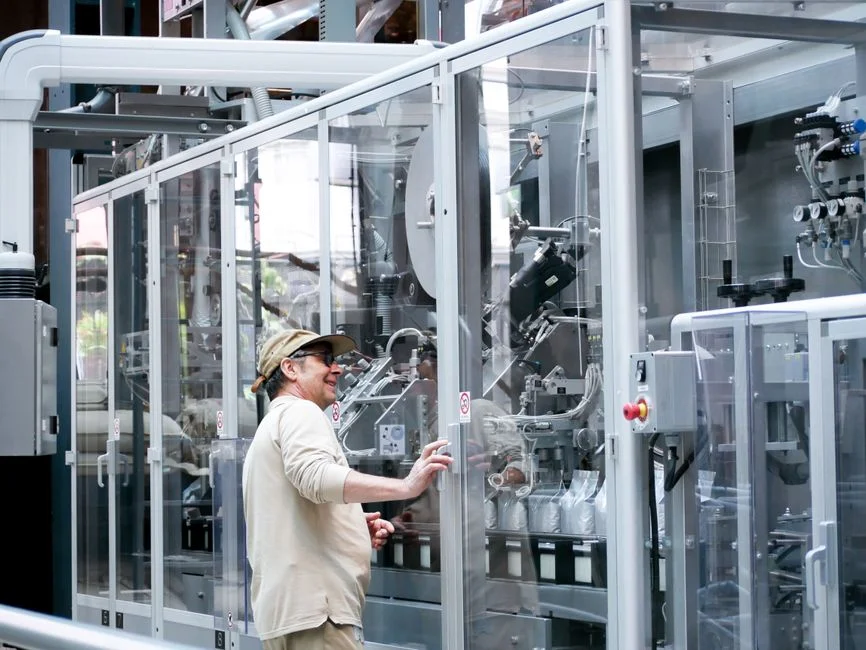
A generic Asian export unit rarely survives its first coastal-season cycle in Accra, Tema or Sekondi-Takakoradi without specification upgrades. Buyers should pin the following engineering specs into the technical schedule of the supplier proposal before signing.
Tropical operating envelope is non-negotiable. Equipment should be rated for 25–35°C ambient and 55–95% relative humidity, with stainless-steel (SS304 or SS316) or fibre-reinforced plastic (FRP) wetted parts to resist chloride-driven pitting from the coastal air. MCC cabinets need IP55 protection and air-conditioning or forced-ventilation packages. Grid-tolerance design must include a PLC with auto-restart on power return, an equalisation tank sized for at least 8 hours of average flow during outages, and a documented protocol for biological reseeding after outages of 24 hours or longer — typically a 5–10% reseed from a healthy reference reactor or commercial bioaugment. Generator integration should be specified as a plug-and-play changeover rather than a hard-wired retrofit.
Sludge handling is where many proposals fall short. Ghana's humid climate and irregular sludge-hauling schedules make on-site dewatering essential, and a bundled plate-and-frame filter press in the 1–500 m² filtration area range should appear in the supplier's scope. Target cake dryness of 22–28% DS is realistic for the mixed sludge streams common in Ghana and produces a cake that can be stockpiled for landfill or co-composting. For effluent polishing — particularly where the discharge enters a surface-water body — specify an on-site chlorine dioxide generator in the 50–20,000 g/h output range. Chlorine dioxide outperforms liquid chlorination in West Africa because there is no shelf-life expiry on precursors and no imported hypochlorite supply chain to break. At the headworks, a rotary mechanical bar screen with 1–5 mm aperture protects downstream membranes and diffusers from the rag and plastic load that routinely arrives in Ghanaian municipal sewage. Sludge dewatering capacity can be sized in parallel with a plate-and-frame filter press matched to the WAS flow rate.
How to Vet a Wastewater Treatment Plant Supplier for Ghana
A four-step supplier audit gives a procurement committee or client a defensible shortlist. The framework is deliberately auditable: each step produces a document the buyer can file and present.
- Document audit. Verify ISO 9001 (quality) and ISO 14001 (environmental) certification with certificate numbers and issuing body; CE marking on the mechanical safety file; and a reference list of at least three West-African or sub-Saharan installations commissioned in the last 36 months. Contact at least one of those references and ask about biological performance six months after handover, not just at start-up.
- Logistics proof. Require a confirmed container-loading record to Tema Port, with 20-ft or 40-ft FCL dimensions declared in the proposal and a clean Incoterms split — typically FOB Chinese port or CIF Tema. Vague "we ship worldwide" language is a disqualifier.
- Service proof. Confirm on-site commissioning is included in the scope (not an optional extra), supervisor mobilisation timeline of 30 days or less from LC opening, and a remote-monitoring or SCADA option for off-site troubleshooting from China during the warranty period. Warranty of at least 12 months from mechanical completion is the Ghana market baseline.
- Commercial proof. Payment terms should align with Ghana LC practice — typically 30% T/T deposit against proforma invoice, 70% against B/L copy, with the proforma in USD. Refusal to issue a USD proforma, or insistence on 100% advance, is a red flag.
Red flags to refuse: "meets local standards" with no measured effluent data, no local agent or partner in Ghana, no clear warranty terms, or refusal to share a P&ID before deposit. Any one of these should remove the supplier from the shortlist.
CAPEX and Logistics Benchmarks for 2026
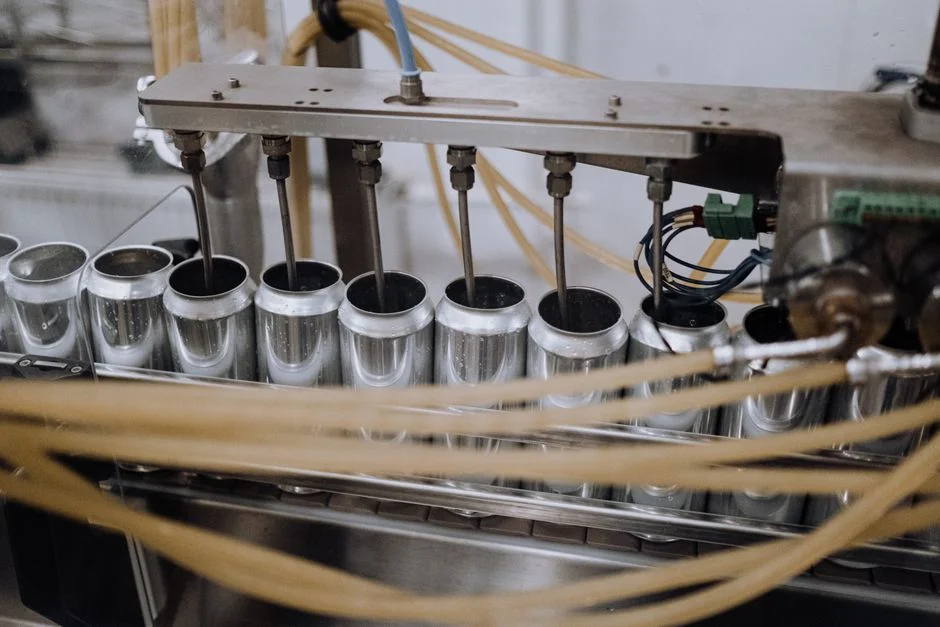
Budget conversations in Ghana run in USD per m³/d of installed capacity. The figures below are 2026 FOB-China reference ranges; CIF Tema, ECOWAS duty (0–5% under the Common External Tariff for most treatment equipment), and installation typically add 12–18% to the FOB price for containerized package plants. A 20-ft container carries roughly 25 m³/d of package WWTP; flows above 50 m³/d usually require 40-ft containers or multiples.
| Average daily flow (m³/d) | Typical CAPEX range (USD, 2026, FOB China, package or MBR) | Container footprint | Lead time |
|---|---|---|---|
| 10 | 8,000 – 25,000 per m³/d | 1 × 20-ft | 30–45 days |
| 50 | 6,000 – 15,000 per m³/d | 2 × 20-ft or 1 × 40-ft | 30–45 days |
| 200 | 4,500 – 9,000 per m³/d | 3–4 × 40-ft | 45–60 days |
| 500 | 3,500 – 6,500 per m³/d | 6–8 × 40-ft | 60–90 days |
| 2,000 | 3,000 – 6,000 per m³/d | Bulk + containers, 20+ FCL equivalent | 90–150 days |
Lead times stretch with plant size: 30–45 days for package units, 60–90 days for MBR systems, and 90–150 days for conventional activated sludge plants. At 2026 industrial power tariffs in Ghana (roughly USD 0.10–0.14/kWh per ECG and NEDCo published schedules), MBR's aeration energy of 0.3–0.5 kWh/m³ should be weighed against CAS's higher sludge-hauling cost, since CAS produces 30–50% more waste activated sludge per m³ treated than an MBR running at extended SRT. A useful cross-reference for OPEX modelling is the SBR operating cost breakdown and the MBR cost and ROI engineering guide; for headworks selection, the DAF clarifier engineering guide lays out the microbubble physics behind primary clarification upgrades that protect downstream biology.
Frequently Asked Questions
Q1: How much does a wastewater treatment plant cost in Ghana in 2026?
Package plants run USD 8,000–25,000 per m³/d installed for flows under 200 m³/d; MBR systems sit in the same envelope at the small-flow end. Above 500 m³/d, CAPEX scales down to USD 3,000–6,000 per m³/d, with conventional activated sludge at the low end and MBR at the high end. Add 12–18% for CIF Tema, ECOWAS duty, and on-site installation.
Q2: Which process is best for Ghana's industrial wastewater?
MBR for land-constrained sites with a reuse target; package A/O for small and medium sites where no on-site operator is available; SBR for variable-load food processors with BOD swings above 3:1; conventional activated sludge for large municipal or mining sites with land and trained operators.
Q3: How do I verify a Chinese WWTP supplier can deliver to Ghana?
Request ISO 9001, ISO 14001, and CE certificates with serial numbers; at least three prior Tema Port B/L references in the last 36 months; a signed commissioning commitment with a defined mobilisation timeline; and a USD proforma invoice with FOB or CIF Tema Incoterms. Refusal to share a P&ID before deposit is a red flag.
Q4: Do Ghanaian EPA permits require tertiary disinfection?
Typically yes for discharges near surface water or within 500 m of an abstraction point. An on-site chlorine dioxide generator in the 50–20,000 g/h range is the standard solution because precursors are shelf-stable and the supply chain does not depend on imported hypochlorite.
Q5: Can a WWTP run on Ghana's intermittent grid?
Yes, if the supplier specifies equalisation for 8+ hours of average flow, a PLC with auto-restart, and optional generator integration. The minimum package also requires a documented biological reseed protocol for outages of 24 hours or more, and an IP55-rated MCC to handle the coastal humidity.