What a Muscat Wastewater Treatment Plant Manufacturer Must Solve in 2026
A qualified manufacturer serving Muscat in 2026 must clear four engineering hurdles that generic Made-in-China catalog listings often overlook. First, ambient temperatures routinely reach 45–50°C from June through August (Oman Meteorological Service, 2024), which depresses oxygen transfer efficiency in aeration tanks by roughly 15–20% versus the standard 20°C design basis and forces blowers to draw 8–12% more power for the same BOD removal. Second, coastal districts including Bousher, Azaiba, and Qurum show influent TDS of 8,000–20,000 mg/L because of seawater intrusion into aging sewer networks, which pushes RO concentrate volumes up by 30–40% and forces brine disposal routing into the design from day one. Third, Oman Vision 2040 sets a national target of reusing 35% of treated wastewater by 2040, and the Ministry of Housing and Environment Authority (MECA) now requires tertiary treatment plus disinfection on any municipal STP above 5,000 m³/day (Oman Vision 2040 Water Pillar, 2023 update). Fourth, MECA discharge compliance is non-negotiable: BOD ≤15 mg/L, TSS ≤50 mg/L, COD ≤150 mg/L. A vendor that cannot show reference plants operating against those numbers in the Gulf should be removed from the shortlist before the RFQ goes out.
MECA Discharge Limits Every Muscat Plant Must Hit
Effluent ceilings for Muscat projects are drawn from MECA's wastewater discharge regulations updated through 2023, Royal Decree 18/2018, and Ministerial Decision 145/93. Industrial discharges to sea or land irrigation must not exceed the values below, and oil & gas operators face additional PDO/ORPIC specifications covering sulfides, phenols, and heavy metals that sit on top of the MECA envelope.
| Parameter | MECA ceiling (industrial discharge) | Notes for Muscat projects |
|---|---|---|
| BOD₅ | 15 mg/L | Tighter than many Asian jurisdictions; drives MBR selection |
| TSS | 50 mg/L | DAF or sand filter pre-treatment required for high-solids streams |
| COD | 150 mg/L | Refinery and F&B influents will need equalization |
| Oil & grease | 10 mg/L | DAF pre-treatment for oil & gas and food sectors |
| pH | 6.0–9.0 | Coagulation dosing must hold this band |
| Total nitrogen | 50 mg/L | Drives nitrification/denitrification sizing |
| Total phosphorus | 5 mg/L | Chemical precipitation typically required |
For reuse-quality effluent — irrigation, cooling tower makeup, landscape watering at hotels — the bar is higher: <5 mg/L BOD, <1 NTU turbidity, and fecal coliform <200 CFU/100 mL per WHO 2017 guidelines and Oman's National Reuse Standards. Achieving that envelope from raw sewage requires a different process train than meeting MECA's industrial ceiling.
Process Selection by Application: Matching Technology to Muscat Use Cases
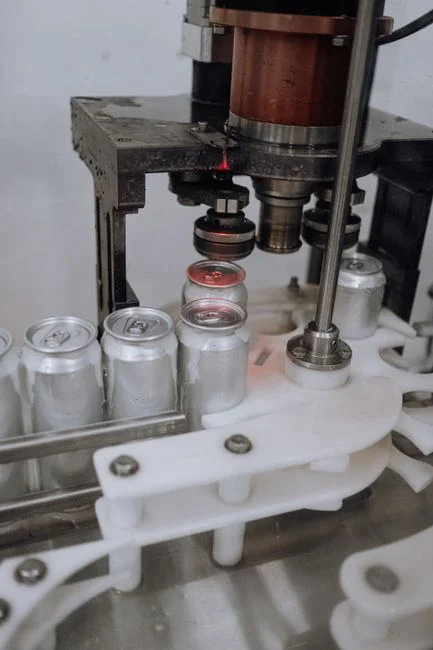
Process choice is driven by influent strength, discharge target, and footprint rather than the lowest catalog price. The matrix below maps the four dominant Muscat project types to a treatment train that holds up against the climate and TDS constraints described above.
| Application | Typical capacity | Influent range | Recommended train |
|---|---|---|---|
| Municipal STP | 5,000–50,000 m³/day | BOD 200–350 mg/L, TDS 1,500–6,000 mg/L | A²O or MBR + tertiary filtration + UV/ClO₂ |
| Hotel, resort, staff camp | 50–500 m³/day | BOD 250–400 mg/L, peak factor 2.5–3.0 | WSZ underground package sewage treatment plant, buried, no superstructure |
| Oil & gas (refinery, produced water, camp) | 100–5,000 m³/day | COD 500–2,000 mg/L, oil & grease 50–500 mg/L | Dissolved air flotation system → biological (SBR or MBR) |
| Food & beverage (dairy, poultry, dates) | 50–2,000 m³/day | COD 3,000–10,000 mg/L, high TSS and fats | Flow equalization → DAF → anaerobic (UASB/EGSB) → MBR membrane bioreactor system polish |
| Healthcare / hospital | 5–50 m³/day | BOD 150–300 mg/L, plus pathogens and pharma residues | Pre-treatment + medical wastewater treatment system with ClO₂ 50 g/h–20,000 g/h |
For municipal STPs above 5,000 m³/day, MBR wins on two counts specific to Muscat: footprint is 40–60% smaller than conventional A²O with secondary clarifiers, which matters on land-constrained coastal sites, and effluent turbidity is consistently below 1 NTU without tertiary sand filters. For hotels and staff camps, burying the treatment unit below grade reduces influent temperature swing from roughly 30°C day to 24°C night on the surface to a stable 26–28°C underground, stabilizing biological kinetics and protecting membrane life. Oil & gas influents at COD 500–2,000 mg/L need DAF first to knock oil & grease below 10 mg/L to prevent biological stage fouling. Food & beverage streams at COD 3,000–10,000 mg/L need flow equalization to dampen the BOD shock from batch CIP releases, making anaerobic pretreatment economically mandatory before any aerobic polish.
Muscat Supplier Comparison: What Separates a Qualified Manufacturer from a Catalog Reseller
Verifiable engineering capability, rather than showroom count, differentiates top-tier manufacturers from trading companies. Tier 1 means an OEM with in-house fabrication (membrane module potting, tank winding or FRP molding, skid assembly), ISO 9001 and ISO 14001 certification, ASME pressure-vessel compliance for RO skids, and a documented factory-acceptance-test procedure. Tier 2 is a trading company rebranding third-party skids where the supplier's own engineers may not be familiar with the internals. Tier 3 is a local sales agent with no factory tie. Ask for factory audit reports issued within the last 12 months, reference projects currently running in the GCC — UAE, Saudi Arabia, or earlier Oman deliveries — and CE marking or equivalent Gulf Conformity. Realistic entry points for FOB Qingdao or FOB Shanghai shipments to Oman are Sohar Port for northern deliveries and Salalah Port for the south, with typical sea transit of 18–22 days. The prevailing 2026 delivery model for EPCs working in Oman is FAT in China witnessed by the client or an inspector from SGS or Bureau Veritas, followed by a Chinese commissioning team on site for 30–90 days and remote SCADA support backed by a local O&M subcontractor in Muscat.
CAPEX and OPEX Benchmarks for Muscat Projects in 2026
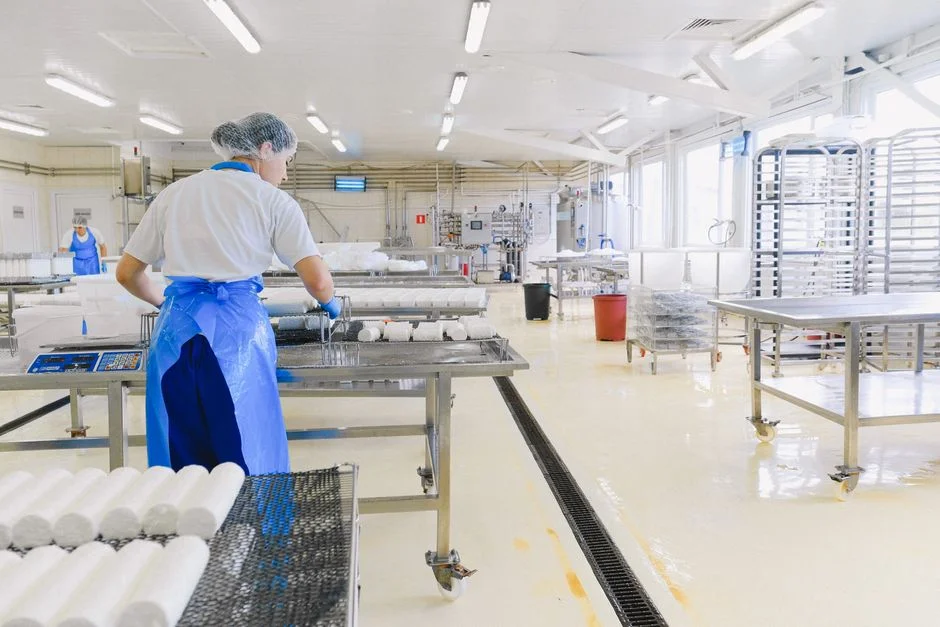
Budget envelopes for an RFQ round in Q1 2026 are expressed below in USD landed in Muscat, excluding civil works and VAT. These figures reflect the 2025–2026 steel, membrane, and freight pricing band and should be used as a shortlisting filter, not as a fixed quote.
| Equipment | Capacity band | CAPEX range (USD, landed Muscat) |
|---|---|---|
| WSZ underground package STP | 10–80 m³/h | 18,000–55,000 per unit |
| Industrial MBR train (biological + membrane) | 50–500 m³/day | 280–900 per m³/day installed |
| DAF pre-treatment skid (SS304 or SS316) | 4–50 m³/h | 25,000–120,000 |
| Plate-and-frame filter press for sludge dewatering | 5–30 m³/h | Reference: plate-frame filter press range |
| Automatic chemical dosing skid | 100–2,000 L/h | Reference: automatic chemical dosing system range |
OPEX for a Muscat plant breaks down roughly as: energy 30–45% (blower and chiller load climb with 45°C+ ambient), sludge hauling and disposal 20–30% (landfill tipping fees in Muscat Municipality are non-trivial), chemicals 10–15% (coagulant, polymer, ClO₂ precursor, CIP), and labor 10–20% depending on whether the plant runs 8-hour or 24-hour shifts. If the project reuses treated effluent for cooling tower makeup or landscape irrigation, credit the avoided freshwater purchase against OPEX — Muscat Municipality industrial water tariffs in 2025 averaged OMR 0.500–0.800 per m³, which materially shifts the project NPV.
Logistics, Commissioning, and O&M: The Last-Mile Checklist
Execution failures in wastewater projects often stem from logistics and commissioning rather than equipment selection. Container loading from Qingdao or Shanghai is typically 20-ft or 40-ft HQ sea freight, with the membrane modules and electrical cabinets often crated separately to prevent vibration damage. Allow 18–22 days sea transit plus 7–10 days for customs clearance at Sohar Port, and confirm the Omani customs HS codes for wastewater skids (8421.21) before shipping to avoid duty surprises. FAT at the manufacturer's facility should be a minimum 72-hour continuous run with simulated influent, witnessed by the client's process engineer or a third-party inspector from SGS or Bureau Veritas. On-site commissioning typically pairs a Chinese commissioning team with a local O&M subcontractor in Muscat for 30–90 days, then transitions to remote SCADA support plus quarterly site visits. Critical spares — spare membrane modules, EPDM diffusers, pump seals, ClO₂ precursor chemicals, and analytical instruments — should be shipped with the main plant and budgeted at 5–8% of equipment CAPEX. For sites with high TDS and reuse targets, an industrial RO system downstream of the MBR is standard, and the RO concentrate disposal path must be included in the civil design before pouring concrete.
Frequently Asked Questions
What is the minimum MECA effluent quality a Muscat STP must hit in 2026?
BOD ≤15 mg/L, TSS ≤50 mg/L, COD ≤150 mg/L, oil & grease ≤10 mg/L, pH 6.0–9.0, total nitrogen ≤50 mg/L, and total phosphorus ≤5 mg/L for industrial discharges (MECA, 2023 update). Municipal reuse projects must additionally meet <5 mg/L BOD and <1 NTU turbidity per Oman reuse guidelines.
Which treatment train suits a 200 m³/day hotel or staff-camp wastewater plant in Muscat?
A buried WSZ-type package STP rated 1–80 m³/h, sized with a peak factor of 2.5–3.0 and fitted with MBR membranes if the client wants reuse-quality effluent for landscape irrigation. Burial cuts influent temperature swing to roughly 26–28°C year-round.
How long does it take to ship a packaged WWTP from China to Muscat?