Why Algeria's 2026 WWTP Market Is Different from 2022
Executive Decree 21-08, published in the Journal Officiel in 2021 and still in force through 2026, set industrial discharge limits at COD 120 mg/L, BOD5 35 mg/L, TSS 35 mg/L, and total nitrogen 30 mg/L for any plant discharging to the public domain — a step change versus the 120/40/40 mg/L envelope that governed the pre-2021 municipal sector. Enforcement has moved from paper to practice: ANDI and ONAFA now require conformity certificates before commissioning new industrial WWTPs, and SONELgaz audits routinely reject interconnections that exceed the new envelope. Older activated-sludge plants built under the JORA 2006 framework cannot meet the 30 mg/L TN limit without a nitrification-denitrification retrofit or a downstream MBR.
The Tlemcen WWTP case study (Springer, 2013–2016 monitoring) documented exactly this risk: ammonia and nitrate readings exceeded the standard envelope on multiple monthly averages, while BOD5 and COD remained compliant — a fingerprint of incomplete nitrification. The same study reported a BOD5/COD correlation coefficient r=0.86, which is useful for any engineer trying to back-calculate load from limited influent data during supplier scoping. At Hassi Messaoud, SONATRACH's announced 2024–2028 water reuse program targets 30% produced-water reuse, which means polishing trains downstream of the existing DAF units have to deliver RO-grade permeate (TDS < 500 mg/L) on a feed with 3,000–8,000 mg/L TDS and residual hydrocarbons.
Supplier geography has shifted. Chinese packaged-plant suppliers, including HydropureWater, now hold an estimated 35–45% of the 10–2,000 m³/day packaged segment in 2026, up from roughly 20% in 2021, driven by competitive CIP Algiers pricing and 28–42 day sea-freight windows from Shanghai and Ningbo. European suppliers retain roughly 40% share but are concentrated in hydrocarbon-sector EPC packages at Hassi Messaoud, Skikda, and Arzew, where the engineering scope, SONATRACH pre-shipment inspection, and Arabic/French documentation requirement are heavier.
Algerian Industrial Effluent Profiles and the Process Trains That Match
Matching the process train to the influent is the single decision that determines whether a 2026 plant hits Decree 21-08 on day one or spends the first year in non-conformity. The four dominant industrial effluent profiles in Algeria map to four different equipment chains, and most packaged bids fail because the supplier quotes the wrong one.
| Effluent profile (Algeria) | Typical influent | Primary unit | Secondary / biological | Polishing / reuse |
|---|---|---|---|---|
| Hydrocarbons (Hassi Messaoud, Skikda, Arzew refineries) | Oil & grease 500–5,000 mg/L; TSS 200–1,500 mg/L; COD 800–3,000 mg/L | DAF unit (4–300 m³/h, micro-bubble skimming) for FOG and TSS | Packaged MBR plant (10–2,000 m³/day) for dissolved hydrocarbons | Industrial RO skid for water reuse when reuse target >70% |
| Fertilizers (Arzew, Annaba) | NH3-N 200–800 mg/L; PO4 50–200 mg/L; high TDS | Lamella clarifier (20–40 m/h surface loading) for precipitated struvite | Biological nitrification-denitrification | ClO2 generator for residual ammonia control |
| Agro-food and tanneries | COD 5,000–25,000 mg/L; TSS 2,000–8,000 mg/L; Cr 5–50 mg/L (tanneries) | GX rotary bar screen for rags and fibers; equalization | Packaged MBR plant (10–2,000 m³/day) for organic load; chromium precipitation tank for tanneries | — |
| Municipal small communities (<5,000 PE) | BOD5 200–400 mg/L; TSS 200–350 mg/L; variable flow | WSZ underground packaged plant (1–80 m³/h) — buried, no operator, fits MENA peri-urban | A/O biological stage integral to skid | — |
For hydrocarbon-sector bids, the DAF typically targets 90–95% oil and TSS removal at 4–300 m³/h, with hydraulic retention under 30 minutes; downstream MBR then takes dissolved COD from 800–3,000 mg/L down to <100 mg/L to clear Decree 21-08. At Hassi Messaoud, an industrial RO skid for water reuse downstream of the MBR delivers the 500 mg/L TDS permeate that SONATRACH's reuse program requires for boiler feed and flooding.
For fertilizer plants at Arzew and Annaba, the lamella clarifier handles struvite and calcium-phosphate precipitation at 20–40 m/h surface loading rates — roughly three to four times the loading of a conventional rectangular settler — and that footprint reduction matters when the available plot is constrained by existing pipe racks. A lamella clarifier (20–40 m/h surface loading) is the right unit to specify when phosphate-bearing effluent exceeds 50 mg/L PO4 and the discharge limit is 10 mg/L.
Agro-food and tannery bids almost always require a GX rotary bar screen ahead of the biological stage: hair, fibers, and rag carryover from slaughterhouse and tannery operations will blind a fine screen in days and an MBR membrane in weeks. Tannery effluent also requires a chromium precipitation step (pH 8.5–9.0 with NaOH, then polyelectrolyte, then sedimentation) before the biological stage, because Cr(III) at 5–50 mg/L will poison nitrifying bacteria and shut down an MBR within a month of startup.
For peri-urban municipal communities under 5,000 PE, the WSZ underground packaged plant (1–80 m³/h) is the standard reference design — buried installation, no dedicated operator, A/O biological stage, and a footprint small enough to fit inside a 200 m² lot. The BOD5/COD correlation from Tlemcen (r=0.86) means an engineer can reliably estimate COD from a 24-hour BOD5 composite during supplier scoping, which is useful when the tender package includes only BOD5 data.
2026 CAPEX and OPEX Benchmarks for Packaged WWTPs in Algeria
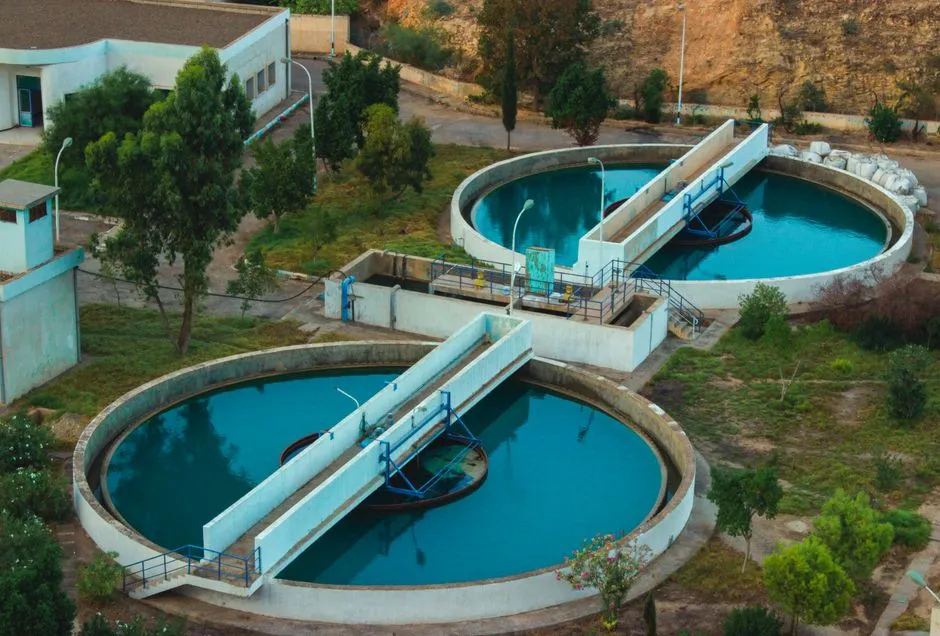
Budgets for 2026 packaged WWTP tenders in Algeria should anchor on the table below. All figures are CIP Algiers or CIP Oran, excluding civil works, import duties (5% customs + 19% TVA), and engineering fees unless noted.
| Plant type | Capacity range | CAPEX (USD per m³/day) | Footprint vs. conventional | Notes |
|---|---|---|---|---|
| Packaged MBR plant | 10–2,000 m³/day | $180–$420 | ~30% smaller than CAS at same load | Includes membranes, blowers, PLC cabinet |
| Conventional activated sludge package | 50–5,000 m³/day | $95–$210 | Baseline (1.0×) | Lower CAPEX, ~30% higher sludge handling OPEX |
| DAF-only pre-treatment skid | 4–300 m³/h | $35,000–$280,000 fixed | n/a — upstream unit | DAF line, includes saturator, skimmer, controls |
| RO polishing skid (hydrocarbon reuse) | 5–100 m³/h permeate | $900–$1,800 per m³/h permeate | n/a — downstream unit | Energy recovery + CIP system add ~25% |
OPEX drivers specific to Algeria in 2026: grid energy runs DZD 4–7/kWh (~$0.03–0.05) for industrial subscribers, which is favorable against European comparators and is the main reason MBR aeration costs are tolerable. Membrane replacement intervals on PVDF flat sheet run 7–10 years at $35–$55/m² — a more granular number is in the MBR membrane replacement pricing reference. Chemical dosing (NaOCl for membrane CIP, citric acid for mineral scale) lands at $0.04–$0.11 per m³ treated. Add a 12–18% contingency line for DZD/USD FX exposure, since the dinar has historically moved 8–14% against the dollar on 12-month windows. When sourcing from outside Algeria, plan 8–14 weeks of sea freight plus SONATRACH-style pre-shipment inspection if the order is destined for a hydrocarbon-zone site. For an MBR OPEX line-item breakdown, the MBR OPEX breakdown article walks through the energy, membrane, and chemical cost lines in more detail.
The Five-Capability Supplier Evaluation Matrix
A defensible 2026 supplier shortlist for an Algerian tender scores five capabilities on a 0–3 scale; a total ≥ 12/15 indicates a low-risk supplier. This framework is what separates a procurement engineer who can defend a tender award from one who simply took the lowest bid.
| Capability | What to verify | Scoring guidance |
|---|---|---|
| 1. ANDI / CNAN import licensing track record | Supplier has shipped at least three containerized WWTP skids to Algeria post-2021 without customs holds at Algiers or Oran | 0 = no Algeria shipments, 1 = 1–2 shipments, 2 = 3+ shipments, 3 = 3+ shipments plus ANDI-registered local agent |
| 2. Process design documentation depth | Hydraulic profile, P&ID, electrical single-line, and PLC program (Siemens S7-1200/1500 or Allen-Bradley CompactLogix) — required for SONELgaz-style technical review | 0 = single-line diagram only, 1 = P&ID + single-line, 2 = full set including PLC source, 3 = full set + simulation file (e.g., BioWin or GPS-X influent profile) |
| 3. Factory Acceptance Testing (FAT) protocol | 72-hour continuous run with simulated influent, witnessed by buyer's engineer or third-party (Bureau Veritas Algeria) | 0 = no FAT offered, 1 = 24-hour FAT, 2 = 72-hour FAT, 3 = 72-hour FAT with third-party witness travel included in the bid |
| 4. Bilingual O&M documentation | French and Arabic versions of operating manuals, alarm codes, and maintenance schedules — mandatory for ANDI-funded projects | 0 = English only, 1 = French only, 2 = French + Arabic, 3 = French + Arabic plus bilingual PLC HMI screens |
| 5. Local commissioning engineer | At least one French/Arabic-speaking commissioning engineer based in Algiers, Oran, or a Maghreb hub (Tunis, Casablanca) for mobilization within 72 hours | 0 = no local engineer (engineer travels from origin), 1 = local engineer but >72 hr mobilization, 2 = local engineer with ≤72 hr mobilization, 3 = local engineer plus 12-month on-site warranty option |
For EPC-scoped hydrocarbon bids at Hassi Messaoud or Skikda, an additional sixth line — Arabic-language HMI screens and alarm codes — is non-negotiable for SONATRACH acceptance; the five-capability matrix above is sized for the packaged and pre-engineered segment, where most 2026 orders will land. A supplier with a 12/15 score is usually a safe shortlist pick; below 9/15 the risk premium is rarely worth the price difference.
Logistics, INCOTERMS, and Payment Reality for WWTP Imports into Algeria
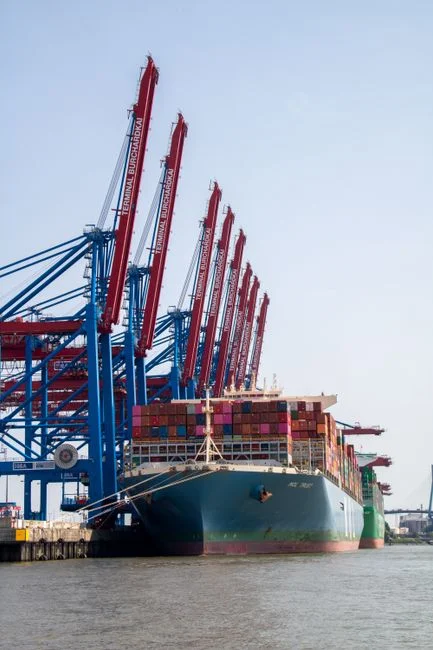
Algerian customs processing requires a freight forwarder with a CNAN billing account, and a first-time supplier using EXW Incoterms will often stall at port for weeks while document gaps are closed. For sea-freighted skids, CIP Port of Algiers or CIP Port of Oran is standard; for hydrocarbon-zone deliveries to Skikda or Arzew, CIP Port of Skikda is the cleaner option because it avoids a secondary barge move. Sea freight lead time is 28–42 days from Shanghai or Ningbo to Algiers in 2026, and SONATRACH pre-shipment inspection adds 14–21 days when applicable — this is a fixed line in any realistic 2026 schedule.
Payment instruments: 30% T/T advance against the purchase order, 60% against B/L copy, and 10% after SAT (site acceptance test) is the typical structure for non-LOI contracts. L/C at sight is preferred for first orders over $200K because it forces document compliance before shipment and protects against the post-2021 tightening of Algerian foreign-exchange controls. The document set required at Algerian customs is the commercial invoice, packing list, certificate of origin (the Algeria-China FTA preferential rate is available — verify Form A with the supplier), the SONATRACH PSI certificate when applicable, and a conformity certificate per Executive Decree 05-19. For ANDI-funded projects, an additional certificate of Algerian-local content (where applicable) may be requested, and a 5% customs duty plus 19% TVA will be assessed on the CIF value at the bonded warehouse.
Frequently Asked Questions
What is the typical CAPEX range for a 10–2,000 m³/day packaged MBR plant delivered CIP Algiers in 2026? Roughly $180–$420 per m³/day of capacity, excluding civil works, import duties, and engineering fees. This is the same range referenced in the CAPEX benchmarks section above; for the operational cost line items, the MBR OPEX breakdown gives the energy, membrane, and chemical split.
Which industrial discharge limits apply in Algeria under Executive Decree 21-08? COD 120 mg/L, BOD5 35 mg/L, TSS 35 mg/L, and total nitrogen 30 mg/L for any plant discharging to the public domain. These limits have been enforced since 2021 and remain the 2026 reference envelope; older activated-sludge plants built to the JORA 2006 framework typically cannot meet the 30 mg/L TN limit without a nitrification-denitrification retrofit or a downstream MBR.
What sea-freight lead time should I plan for a packaged WWTP from China to Algeria in 2026? 28–42 days from Shanghai or Ningbo to Algiers, plus 14–21 days for SONATRACH pre-shipment inspection if the order is destined for a hydrocarbon-zone site. Allow an 8–14 week total logistics window from purchase order to on-site delivery, before commissioning starts.
Which process train handles refinery wastewater with 5,000 mg/L oil-in-water? A DAF unit first (4–300 m³/h, micro-bubble skimming) to remove free and emulsified oil, then a packaged MBR plant (10–2,000 m³/day) for dissolved hydrocarbons, and an industrial RO skid for water reuse when SONATRACH's reuse target is above 70%.
How does Algeria's WWTP supplier landscape compare to other Maghreb and West African markets? Chinese suppliers hold 35–45% of the packaged segment in Algeria in 2026 versus a similar 30–40% range in Kuwait City and Lagos; European suppliers retain a larger share in Algeria's hydrocarbon EPC segment than in either comparator market. A point-by-point comparison is in the Kuwait City sewage plant supplier guide, the Lagos WWTP manufacturer's guide, and the Kampala WWTP manufacturer guide.
Related Equipment
- DAF unit (4–300 m³/h) — specifications, capacity range, and technical data
- ClO2 generator — specifications, capacity range, and technical data