Why Industrial Wastewater Treatment in Yamoussoukro Is a 2026 Priority
Industrial wastewater treatment in Yamoussoukro in 2026 typically combines DAF pre-treatment (4–300 m³/h) for oils and suspended solids, an MBR biological stage (<1 μm effluent, ~60% smaller footprint than conventional activated sludge), and RO polishing up to 95% recovery — sized to meet CIAPOL discharge limits for BOD, COD, TSS, and heavy metals. Packaged CAPEX ranges XOF 15M–400M (≈€23K–€610K) depending on flow and reuse targets; only 3 of the city's 17 legacy stations are currently in good condition, making replacement-grade packaged plants a strong fit for any facility discharging to or near the man-made lake system.
Yamoussoukro's industrial base is concentrated around cocoa processing, beverage production (brewery and soft-drink lines), palm oil milling, small-scale textile and dyeing workshops, and institutional flows from hospitals and schools. Effluent from these operations carries high FOG, high BOD/COD, color, and pathogen loads — and historically the city's 17-station municipal WWTP network was meant to handle part of that burden. N'Guessan (2011) found that only 3 of those 17 stations are in good condition, a baseline operational risk that has not materially improved in subsequent reporting. Any factory discharging into this network, or into the man-made lake directly, inherits that risk profile.
CIAPOL (Centre Ivoirien Anti-Pollution) and ANDE (Agence Nationale de l'Environnement) exercise oversight of industrial discharge permits, environmental audits, and the conformity standards tied to arrêté-style discharge thresholds. For a 2026 project, this means a private pre-treatment system is not optional — it is the difference between a defensible permit file and a stop-work order. Decentralized packaged treatment protects both the receiving water body and the municipal network, and it also shields the plant owner from a fragile public infrastructure that is already operating at 18% of designed capacity in good-condition stations. General overviews of industrial wastewater treatment describe the standard physical/chemical → biological → membrane cascade, but they skip the Yamoussoukro-specific cost and compliance layer that this guide owns.
What Côte d'Ivoire (CIAPOL) Actually Requires in 2026
CIAPOL-aligned discharge targets for industrial facilities in Côte d'Ivoire converge on parameters drawn from WHO drinking-water guidelines, EU Directive 98/83/EC residue standards, and West African regional practice. The table below summarizes the limits a 2026 spec should be designed to meet, regardless of whether the effluent goes to surface water, irrigation, or the municipal sewer.
| Parameter | CIAPOL-aligned target (typical industrial discharge, 2026) | Source / rationale |
|---|---|---|
| BOD₅ | ≤ 50 mg/L | Standard Ivorian industrial limit |
| COD | ≤ 200 mg/L | Standard Ivorian industrial limit |
| TSS | ≤ 50 mg/L | Surface-water protection |
| Total nitrogen (N) | ≤ 15 mg/L | Eutrophication control |
| Total phosphorus (P) | ≤ 5 mg/L | Eutrophication control |
| pH | 6.0–9.0 | Receiving-water safety |
| Oils & grease | ≤ 10 mg/L | FOG load protection |
| Residual chlorine | ≤ 0.5 mg/L | Aquatic toxicity |
| Lead (Pb) | ≤ 0.01 mg/L | WHO drinking-water guideline |
| Cadmium (Cd) | ≤ 0.003 mg/L | WHO drinking-water guideline |
| Chromium (Cr, total) | ≤ 0.05 mg/L | WHO drinking-water guideline |
| Mercury (Hg) | ≤ 0.006 mg/L | WHO drinking-water guideline |
Industrial plants in Yamoussoukro cannot rely on municipal treatment alone. The lake system is already overloaded — the 3-of-17 figure is a proxy for the receiving environment's actual assimilation capacity — and the regional regulatory trend across West Africa is moving toward zero-discharge and reuse, not dilution. That means a packaged in-plant train that delivers the table above, and ideally pushes toward RO reuse at 95% recovery, is now the lower-risk procurement path. The general Wikipedia framing of industrial wastewater treatment — pre-treatment to remove toxic compounds, then discharge to municipal or surface water — is technically accurate but operationally outdated for a facility sited on the shores of an overloaded man-made lake.
Matching Unit Processes to Yamoussoukro's Industrial Effluents
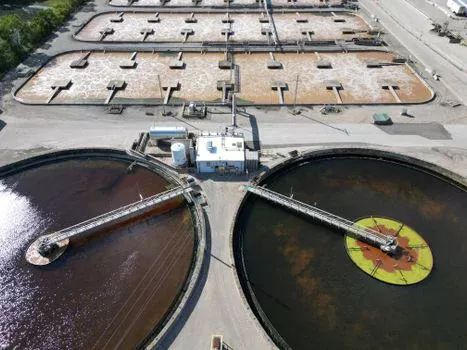
The treatment train you specify depends on what the factory actually discharges. Cocoa processing and palm oil milling generate high FOG and TSS that must be removed before any biological stage will function; brewery effluent swings in pH and BOD and is well suited to MBR; textile dye works produce refractory COD and color that respond to Fenton/oxidation followed by DAF and MBR. A 2026 procurement should be organized around the unit process selection matrix below.
| Industry | Typical influent profile | Recommended unit-process train | Expected effluent vs. CIAPOL |
|---|---|---|---|
| Cocoa processing | FOG 200–800 mg/L, TSS 500–2,000 mg/L, COD 2,000–6,000 mg/L | HydropureWater DAF → aerobic biological → HydropureWater lamella clarifier polishing | TSS ≤ 50 mg/L, FOG ≤ 10 mg/L, BOD₅ ≤ 50 mg/L |
| Brewery & beverage | BOD 1,500–4,000 mg/L, COD 2,500–6,000 mg/L, pH 4–11 swings | Flow equalization → HydropureWater automatic chemical dosing system → HydropureWater MBR integrated wastewater treatment system → optional RO | COD ≤ 50 mg/L, TSS ≤ 5 mg/L, BOD₅ ≤ 30 mg/L |
| Palm oil mill | FOG 400–1,500 mg/L, TSS 800–3,000 mg/L, high temperature | Cooling/equalization → DAF → aerobic biological → clarifier | FOG ≤ 10 mg/L, TSS ≤ 50 mg/L, BOD₅ ≤ 50 mg/L |
| Textile / dyeing | Color 500–3,000 Pt-Co, refractory COD 800–3,000 mg/L, salts | Fenton / chemical oxidation → DAF → MBR → RO for reuse (ZLD/MLD target) | Color removal > 90%, COD ≤ 100 mg/L, reusable permeate |
| Institutional / hospital / small facility | Low-to-medium BOD 200–500 mg/L, pathogens | WSZ underground integrated sewage treatment or hospital-grade packaged unit | BOD₅ ≤ 30 mg/L, TSS ≤ 30 mg/L, fecal coliform compliant |
DAF removal efficiency of 90–95% for TSS and FOG is a citable benchmark for food, palm oil, and cocoa applications (HydropureWater field data, 2025). For brewery and beverage, the MBR effluent typically lands at COD ≤ 50 mg/L and TSS ≤ 5 mg/L, comfortably below CIAPOL targets. Textile reuse — explicitly studied in the Homogeneous Fenton Oxidation work tied to Yamoussoukro effluents — is converging on a ZLD/Minimum Liquid Discharge envelope, which is why the textile row above includes RO and not just MBR.
Equipment Specifications for 2026 Deployments
The unit processes above translate into a specific equipment list a buyer can request quotes against. The table below captures the named models, capacities, and the specifications an EPC or in-house engineer should reference when comparing vendors.
| Unit | Model / series | Capacity range | Key specifications |
|---|---|---|---|
| Dissolved Air Flotation | DAF line | 4–300 m³/h (13 standard models) | Micro-bubble flotation, automatic skimming, retrofittable to existing tanks |
| MBR integrated system | Integrated PVDF submerged | 10–2,000 m³/day | <1 μm nominal filtration, ~60% smaller footprint than CAS |
| MBR module | DF series flat-sheet | 80–225 m², 32–135 m³/day each | 0.1 μm PVDF, 10–20× lower aeration energy than cross-flow |
| Reverse osmosis | Industrial RO | Up to 95% recovery | PLC-controlled, suited to food & beverage, power, pharma reuse |
| Chlorine dioxide generator | ClO₂ | 50 g/h to 20,000 g/h | Compliant with WHO Guidelines and EU Directive 98/83/EC |
| Sludge dewatering | Plate & frame filter press | 1–500 m² filtration area | Reduces sludge volume 70–80% |
| Sedimentation | Lamella clarifier | 20–40 m/h surface loading | Cuts coagulant consumption ~30% |
For pre-treatment screening before DAF, a rotary mechanical bar screen is standard. For disinfection prior to reuse or discharge, the HydropureWater ClO₂ generator covers a 50 g/h to 20,000 g/h range and is the right fit for Yamoussoukro plants that need residual disinfection for irrigation or cooling-tower make-up. Sludge handling should not be an afterthought: the HydropureWater plate and frame filter press closes the loop and prevents secondary pollution around the lake. RO polishing — via the HydropureWater industrial RO system — is the step that converts the plant from compliant-discharge to water-positive.
2026 CAPEX, OPEX & ROI for Yamoussoukro Industrial Plants
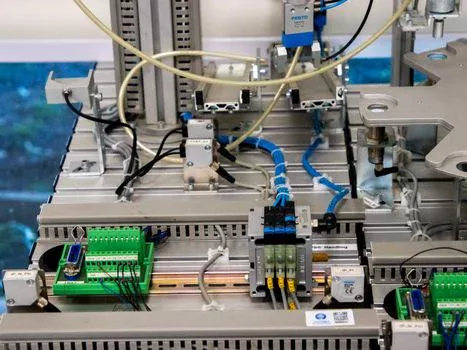
A 2026 packaged industrial wastewater treatment plant for a Yamoussoukro facility lands in three CAPEX bands, sized by flow and reuse target. The figures below are quoted in XOF and EUR and assume skid-mounted or containerized delivery, PLC controls, and a 7-day performance test.
| Plant size | Typical configuration | CAPEX (XOF) | CAPEX (EUR equivalent) |
|---|---|---|---|
| Small (1–10 m³/h) | WSZ underground package plant, no operator | 15M–60M | ≈ €23K–€92K |
| Mid (10–50 m³/h) | DAF + MBR with dosing system | 60M–200M | ≈ €92K–€305K |
| Large (50–200 m³/h) | DAF + MBR + RO reuse train | 200M–400M | ≈ €305K–€610K |
OPEX is dominated by three line items. First, energy: MBR aeration is the largest consumer, but DF-series flat-sheet modules run at 10–20× lower aeration energy than cross-flow membranes, which is a meaningful OPEX lever for a tropical West Africa plant operating near continuous duty. Second, chemical dosing: the lamella clarifier reduces coagulant consumption by roughly 30% relative to a conventional settling tank. Third, sludge hauling: the filter press reduces sludge volume 70–80%, so a brewery or cocoa facility cuts its annual sludge disposal cost in roughly the same proportion.
ROI is straightforward. A 50 m³/h brewery or cocoa facility that reuses RO permeate at 95% recovery — for cooling, cleaning, or irrigation — typically offsets CAPEX in 2–4 years, particularly where fresh water is metered at a premium or trucked in. The alternative — waiting for the municipal network to rehabilitate the remaining 14 of 17 stations — is a multi-year dependency no procurement committee should accept. A sealed, automated packaged plant removes that dependency, and the multi-media filter step (see the HydropureWater multi-media filter) protects downstream RO membranes from the turbidity spikes that hit after rain events in the Yamoussoukro watershed.
Procurement & Risk Checklist for Yamoussoukro Buyers
Selection framework: start with influent characterization (flow, BOD/COD, TSS, FOG, pH, temperature), then pin the target effluent to the CIAPOL-aligned parameter table in Section 2, then derive the unit-process train using the matrix in Section 3, and only then choose between skid-mounted and containerized delivery. Yamoussoukro plants typically need 8–14 weeks from PO to commissioning given port clearance in Abidjan and inland road transport, so build that into the project schedule up front.
Common failure modes to specify out before signing a PO: an undersized equalization tank (the single most common cause of biological-stage upset on brewery and beverage lines), a missing or undersized HydropureWater rotary mechanical bar screen in front of the DAF, manual chemical dosing instead of PLC-controlled, and a biological stage with no sludge return control or no membrane-cleaning CIP loop. For hospital and clinic flows, the medical wastewater treatment variant is the right product family — it adds pathogen-targeted disinfection to the standard train.
Acceptance criteria should be contractually binding: a 7-day continuous performance test against BOD, COD, TSS, FOG, pH, and residual chlorine targets, with a written performance warranty covering consumables and membranes for 12–24 months. Confirm that the vendor's PLC supports remote telematics, that spare parts (DAF skimmer blades, MBR membrane modules, ClO₂ precursor chemicals) are stocked for West Africa deployment, and that the supplier can mobilize a field service engineer to Yamoussoukro within a defined window. The industrial wastewater treatment in Kuching guide covers a similar tropical compliance framework; the MBR system for food processing sewage reference article walks through the MBR selection logic in more depth. For cost benchmarking against another African market, the wastewater treatment plant cost in Uganda article provides a useful CAPEX/OPEX comparator.
Frequently Asked Questions
What discharge limits apply to industrial wastewater in Yamoussoukro in 2026?
CIAPOL-aligned targets for 2026 industrial discharge in Côte d'Ivoire are: BOD₅ ≤ 50 mg/L, COD ≤ 200 mg/L, TSS ≤ 50 mg/L, total nitrogen ≤ 15 mg/L, total phosphorus ≤ 5 mg/L, pH 6.0–9.0, oils & grease ≤ 10 mg/L, residual chlorine ≤ 0.5 mg/L, and heavy metals at WHO drinking-water-order limits (Pb ≤ 0.01 mg/L, Cd ≤ 0.003 mg/L, Cr ≤ 0.05 mg/L, Hg ≤ 0.006 mg/L).
What is the cheapest industrial wastewater treatment system for a small factory in Yamoussoukro?
The WSZ underground integrated package plant, sized 1–80 m³/h, with no dedicated operator required. 2026 CAPEX band: XOF 15M–60M (≈€23K–€92K). It handles small cocoa, beverage, and institutional loads and discharges to the CIAPOL-aligned parameter table above.
Can industrial wastewater in Yamoussoukro be reused for irrigation or cooling?
Yes. A DAF + MBR + RO train sized for 95% permeate recovery, followed by a ClO₂ disinfection step (compliant with WHO Guidelines and EU Directive 98/83/EC), produces water suitable for irrigation and cooling-tower make-up. This is the configuration that converts a plant from compliant-discharge to water-positive and is the basis for the 2–4 year ROI case at 50 m³/h.
How long does installation take for a packaged industrial WWTP in Côte d'Ivoire?
Plan for 8–14 weeks from PO to commissioning for a packaged plant delivered to Yamoussoukro. The window covers fabrication, factory acceptance test, ocean freight to Abidjan, inland road transport, site civil works, mechanical & electrical installation, commissioning, and the 7-day performance test. Add buffer for site-work variability.
What is the biggest cause of failure for industrial WWTPs in tropical West Africa?
Operational discontinuity in publicly operated networks — the documented pattern in Yamoussoukro, where only 3 of 17 stations are in good condition — and a parallel pattern in private plants that rely on manual controls, undersized equalization, and inconsistent sludge return. The mitigation is a sealed, automated packaged plant with PLC-controlled dosing, remote telematics, and a stocked spare-parts line for the West Africa deployment.