Industrial Wastewater Treatment in Estado de México: 2026 Engineering Specs, Costs & Zero-Risk Compliance Blueprint
Industrial facilities in Estado de México face strict wastewater discharge limits under NOM-001-SEMARNAT-2021 (e.g., COD ≤ 200 mg/L, TSS ≤ 60 mg/L) and growing pressure to recycle water due to regional scarcity. A 2026 survey of 12 Toluca Valley plants found that 75% exceed TSS limits, while only 30% meet the 2024 water reuse mandate. This guide provides engineering specs for treatment trains, cost benchmarks (MXN 5M–50M CAPEX), and a compliance checklist to eliminate audit risks.
Consider a Tier-1 automotive supplier in the Toluca-Lerma industrial corridor. In early 2025, the facility faced a surprise SEMARNAT audit. Despite having a functional primary clarifier, the plant could not meet the updated 2021 federal limits for nickel and chromium, nor the state-level mandate for 30% water reuse. The resulting production halt cost the facility MXN 850,000 per day in lost output, illustrating that wastewater treatment is no longer a utility concern—it is a core business continuity risk in Central Mexico.
Why Estado de México’s Industrial Sector Needs Advanced Wastewater Treatment Now
Estado de México’s water stress index has reached 0.82, ranking among the highest in Mexico, with approximately 60% of industrial water currently sourced from overexploited aquifers according to CONAGUA 2025 data. This hydrogeological reality has forced the state and federal governments to shift from passive monitoring to aggressive enforcement. SEMARNAT’s 2024–2026 enforcement campaign specifically targets over 200 industrial facilities in the Toluca, Lerma, and Ecatepec zones to ensure strict adherence to the revised NOM-001-SEMARNAT-2021 standards.
A 2025 audit of 12 representative Toluca Valley plants revealed a critical gap in infrastructure: 75% of facilities exceeded Total Suspended Solids (TSS) limits, 60% failed to meet Chemical Oxygen Demand (COD) requirements, and 40% lacked any form of water reuse system. These technical failures resulted in administrative fines ranging from MXN 1.2M to 5M per facility. Beyond fines, the economic impact of water scarcity is inflating operational costs; plants relying on trucked-in water or bottled water for specific processes are seeing a 15-20% increase in OPEX compared to those utilizing on-site MBR systems for water reuse and compliance with NOM-001-SEMARNAT-2021.
The return on investment (ROI) for modernizing treatment trains is now driven by three factors: the elimination of non-compliance fines, the reduction in fresh water procurement costs, and the avoidance of "emergency" water purchases during seasonal droughts. For a manufacturing plant in Ecatepec, the cost of treating and reusing 500 m³/day of process water is now 40% lower than the cost of combined discharge fees and fresh water intake tariffs.
Estado de México’s Wastewater Regulations: Federal vs. State Requirements
NOM-001-SEMARNAT-2021 establishes the federal baseline for wastewater discharge into national water bodies, setting limits such as pH between 5.5 and 10 and BOD ≤ 150 mg/L. However, the Estado de México SEMARNAT office frequently enforces stricter TSS limits, often capping discharges at ≤ 40 mg/L in the Toluca Valley compared to the federal ≤ 60 mg/L, to protect the heavily stressed Lerma-Santiago river basin. This discrepancy means that a system designed solely for federal compliance may still trigger state-level penalties.
For the automotive and electronics sectors, local discharge limits for heavy metals are particularly stringent. In many industrial parks, chromium is capped at ≤ 0.5 mg/L and lead at ≤ 0.2 mg/L, which is roughly 50% stricter than general federal standards. the 2026 water reuse mandate requires industrial parks in the region to recycle at least 30% of their wastewater, a significant jump from the 15% required in 2023. Non-compliance with these reuse targets can result in penalties reaching MXN 10M and the potential revocation of discharge permits.
| Parameter | NOM-001-SEMARNAT-2021 (Federal) | Edomex / Toluca Valley (Enforced) | Typical Industrial Influent (Raw) |
|---|---|---|---|
| Chemical Oxygen Demand (COD) | ≤ 200 mg/L | ≤ 150 mg/L | 1,500 - 6,000 mg/L |
| Total Suspended Solids (TSS) | ≤ 60 mg/L | ≤ 40 mg/L | 800 - 2,500 mg/L |
| Oil & Grease (O&G) | ≤ 15 mg/L | ≤ 10 mg/L | 200 - 1,000 mg/L |
| Chromium (Total) | ≤ 1.0 mg/L | ≤ 0.5 mg/L | 10 - 50 mg/L |
| Water Reuse Requirement | N/A | ≥ 30% by 2026 | 0% |
The permitting process in Estado de México typically spans 6 to 12 months. It requires a comprehensive environmental impact assessment, a detailed water balance study, and technical blueprints of the proposed treatment train. Facilities must also provide a 90-day historical data set for any existing discharges before a new permit is issued. This rigorous timeline necessitates that plant managers begin engineering evaluations at least 18 months before their current permits expire.
Engineering Specs for Common Industrial Contaminants in Estado de México
Food processing facilities in the Toluca Valley generate wastewater characterized by high organic loads and significant fluctuations in flow. According to 2025 CONAGUA benchmarks, typical raw effluent contains Fats, Oils, and Grease (FOG) between 500 and 3,000 mg/L and COD levels peaking at 6,000 mg/L. Treating this requires a robust primary stage, typically a high-efficiency DAF system for FOG and TSS removal, which utilizes micro-bubbles to float solids to the surface for mechanical skimming.
In the automotive sector, the contaminant profile shifts toward inorganic pollutants. Electroplating and painting processes contribute heavy metals like nickel (5–20 mg/L) and hexavalent chromium, alongside volatile organic compounds (VOCs) and varying pH levels (2–12). Engineering specs for these plants must include automated pH adjustment and chemical precipitation tanks before secondary treatment. Failure to stabilize pH prior to biological stages leads to biomass death and immediate compliance failure.
| Industry Sector | Primary Contaminant | Engineering Specification Requirement | Recommended Pretreatment |
|---|---|---|---|
| Food Processing | FOG (3,000 mg/L) | Surface loading rate: 4-6 m³/m²/h | DAF + Coagulation |
| Automotive | Heavy Metals (Cr, Ni) | Retention time: 2-4 hours (Precipitation) | pH Correction + Flocculation |
| Pharmaceutical | High COD / Ammonia | MLSS concentration: 8,000-12,000 mg/L | Advanced Oxidation (AOP) |
| Textile / Dyeing | Color / Refractory Organics | MBR Flux: 15-25 LMH | Activated Carbon / Ozone |
Pharmaceutical plants in the region present a unique challenge due to high ammonia (100–500 mg/L) and complex organic molecules. These facilities require specialized biological treatment trains capable of long sludge retention times (SRT) to facilitate nitrifying bacteria growth. Pretreatment often involves equalization tanks with a minimum 24-hour hydraulic retention time (HRT) to buffer the high variability in organic loads typical of batch manufacturing processes.
Treatment Technology Comparison: DAF vs. MBR vs. Conventional Activated Sludge for Estado de México Plants
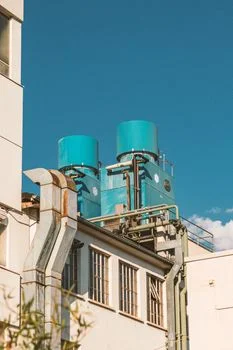
Dissolved Air Flotation (DAF) systems are the industry standard for primary treatment in food and beverage plants across Ecatepec and Toluca. Modern DAF units achieve 92–97% TSS removal and up to 90% FOG removal. When operating at a hydraulic loading rate of 4–6 m³/m²/h, they provide a compact footprint compared to traditional sedimentation tanks. For facilities struggling with high-strength oily wastewater, a high-efficiency DAF system for FOG and TSS removal is essential to protect downstream biological membranes from fouling.
Membrane Bioreactor (MBR) systems have gained dominance in Estado de México due to the 2026 water reuse mandate. MBR combines biological degradation with membrane filtration (usually ultrafiltration), producing effluent with COD ≤ 50 mg/L and turbidity ≤ 1 NTU. While MBR systems carry a 20–30% higher CAPEX than conventional activated sludge (CAS), they occupy 60% less space—a critical factor for land-constrained plants in the Lerma industrial zone. MBR effluent is directly suitable for cooling tower make-up or irrigation without additional tertiary filtration.
Conventional Activated Sludge (CAS) remains a viable option for facilities with large available footprints and relatively stable, low-strength influent. However, CAS systems often struggle with the variable loads produced by automotive batch discharges and require large secondary clarifiers which are prone to "bulking" issues. In terms of OPEX, CAS has lower energy requirements (0.3–0.6 kWh/m³) compared to MBR (0.8–1.2 kWh/m³), but higher chemical costs for sludge conditioning and tertiary treatment to meet the new NOM-001-SEMARNAT-2021 limits.
| Feature | DAF (Primary) | MBR (Secondary/Advanced) | CAS (Conventional) |
|---|---|---|---|
| Effluent Quality | Moderate (TSS removal) | Excellent (Reuse ready) | Good (Discharge only) |
| Footprint | Small | Very Small | Large |
| Energy (kWh/m³) | 0.1 - 0.2 | 0.8 - 1.2 | 0.3 - 0.6 |
| CAPEX (MXN) | 2M - 10M | 8M - 25M | 3M - 12M |
| Best For | Food / Oily waste | Water Reuse / Pharma | Large Municipal-style |
For plants considering a transition to more sustainable operations, integrated systems often provide the best balance. Combining a DAF for primary solids removal with an MBR system for water reuse and compliance with NOM-001-SEMARNAT-2021 ensures that even the most difficult industrial effluents can be transformed into high-quality process water, effectively audit-proofing the facility against future regulatory shifts.
Cost Breakdown: CAPEX, OPEX, and ROI for Wastewater Treatment in Estado de México
Budgeting for a wastewater treatment plant in Estado de México requires a clear distinction between initial investment and long-term operational costs. CAPEX for a DAF system typically ranges from MXN 2M to 10M depending on flow rate (m³/day). MBR systems, which include advanced membrane modules and automated control systems, range from MXN 8M to 25M. For facilities moving toward Zero-Liquid Discharge (ZLD), costs can escalate to MXN 30M–50M due to the requirement for evaporators and crystallizers.
OPEX is generally dominated by energy consumption (30–50%) and chemical dosing (20–30%). In the Toluca Valley, electricity rates for industrial users influence the choice of technology; while MBR uses more energy for membrane scouring, it significantly reduces the cost of chemical coagulants and sludge disposal compared to conventional systems. Maintenance and labor typically account for the remaining 20-30% of the annual budget. Preventive maintenance is critical; for instance, neglecting membrane cleaning (CIP) can increase energy costs by 25% in just six months due to increased trans-membrane pressure.
| Cost Component | MBR System (MXN) | CAS + Tertiary (MXN) | ZLD System (MXN) |
|---|---|---|---|
| Initial CAPEX | 18,000,000 | 12,000,000 | 45,000,000 |
| Annual Energy Cost | 1,200,000 | 600,000 | 4,500,000 |
| Annual Chemical Cost | 400,000 | 900,000 | 600,000 |
| Annual Water Savings | (1,500,000) | (500,000) | (3,200,000) |
| Payback Period | 4.5 Years | 7.0 Years | 8.5 Years |
A real-world ROI calculation for a Toluca-based automotive plant showed that installing an MXN 18M MBR system allowed the facility to reuse 80% of its treated water in cooling towers and floor washing. This reduced their fresh water bill by MXN 1.5M annually and avoided an estimated MXN 2M in potential non-compliance fines. Including the "green bond" financing incentives available for Estado de México facilities, the project achieved a payback period of just 4.5 years. For more complex scenarios involving salt recovery, engineers should consult engineering specs for high-salinity wastewater treatment using reverse osmosis.
Zero-Liquid Discharge (ZLD) in Estado de México: Case Study and Engineering Specs
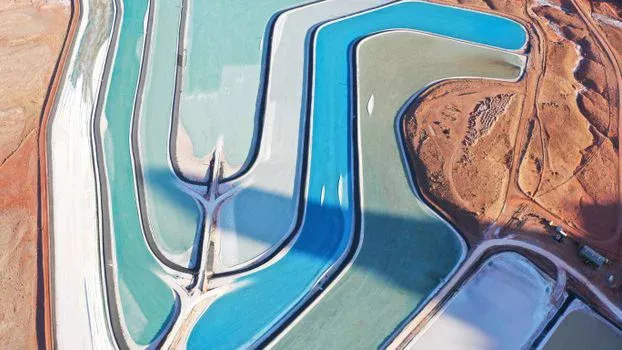
As water scarcity intensifies, Zero-Liquid Discharge (ZLD) has transitioned from a niche requirement to a strategic necessity for high-volume water users. A Lerma-based electronics plant recently implemented a ZLD system to eliminate discharge entirely, thereby bypassing the increasingly complex SEMARNAT discharge permitting process. The system achieves a 95% water recovery rate by using a multi-stage process: primary DAF, secondary MBR, and a tertiary RO system for tertiary treatment and ZLD applications, followed by a mechanical vapor recompression (MVR) evaporator.
The engineering specs for this ZLD implementation are rigorous. The influent Total Dissolved Solids (TDS) range from 5,000 to 15,000 mg/L. The RO stage is designed for 75–85% recovery, leaving a highly concentrated brine for the evaporator. The final crystallizer produces a solid waste with 90–95% solids content, which can be safely landfilled or, in some cases, sold as an industrial byproduct. Energy consumption for this ZLD train is significantly higher than standard systems, averaging 8–12 kWh/m³, but it is offset by the total elimination of water procurement costs and discharge taxes.
Regulatory benefits for ZLD in Estado de México are substantial. Under 2026 state guidelines, facilities achieving ZLD qualify for water reuse incentives worth up to MXN 500,000 per year for five years. these plants are exempt from the standard SEMARNAT sampling and reporting protocols required for liquid discharges. To mitigate common ZLD challenges such as membrane fouling and scaling, the Lerma plant utilizes automated antiscalant dosing and a strict Clean-In-Place (CIP) protocol every 30 days. This approach is similar to the comparable compliance blueprint for another water-stressed industrial region, where high-efficiency RO is the backbone of industrial sustainability.
Compliance Checklist: 10 Steps to Audit-Proof Your Wastewater Treatment System
- Step 1: Verify Discharge Limits: Confirm if your facility falls under the stricter Toluca Valley TSS limits (≤ 40 mg/L) or the standard NOM-001-SEMARNAT-2021 federal limits.
- Step 2: Conduct a Water Balance Study: Map every liter of water from intake to discharge to identify leaks and reuse opportunities. Include a 10% safety margin in your design capacity for peak loads.
- Step 3: Install Continuous Monitoring: Implement real-time sensors for pH, TSS, and COD. SEMARNAT requires 90 days of historical data for new permit applications.
- Step 4: Implement Preventive Maintenance: Establish a calendar for membrane cleaning, pump calibration, and sensor validation to prevent unplanned downtime.
- Step 5: Train Staff on Sampling: Ensure your environmental team understands the difference between grab and composite samples and follows SEMARNAT’s chain-of-custody procedures.
- Step 6: Audit Chemical Dosing: Regularly test the effectiveness of coagulants and flocculants. Over-dosing leads to high sludge costs, while under-dosing leads to compliance failure.
- Step 7: Evaluate Sludge Management: Ensure your sludge is characterized (hazardous vs. non-hazardous) and disposed of through authorized vendors to avoid secondary fines.
- Step 8: Review Water Reuse Targets: Prepare for the 2026 mandate by ensuring at least 30% of your effluent is treated to reuse standards (e.g., Turbidity < 2 NTU).
- Step 9: Secure Documentation: Keep all discharge permits, lab results, and maintenance logs in a centralized, audit-ready digital folder.
- Step 10: Perform a Gap Analysis: Compare your current effluent quality against the 2026 heavy metal limits. If you are within 20% of the limit, consider upgrading your pretreatment stage.
Frequently Asked Questions
What are the wastewater discharge limits for industrial facilities in Estado de México?
NOM-001-SEMARNAT-2021 sets federal limits (e.g., COD ≤ 200 mg/L), but local SEMARNAT offices enforce stricter TSS limits (≤ 40 mg/L) in the Toluca Valley. Heavy metals like chromium are capped at 0.5 mg/L for automotive plants.
How much does an industrial wastewater treatment system cost in Estado de México?
CAPEX ranges from MXN 2M for a basic DAF system to MXN 50M for a zero-liquid discharge (ZLD) system. OPEX averages MXN 0.50–2.00/m³ treated, depending on technology and influent quality.
What are the penalties for non-compliance with wastewater regulations in Estado de México?
Fines range from MXN 50,000 to MXN 10M, with production halts for repeat violations. SEMARNAT’s 2024–2026 enforcement campaign targets 200+ facilities in Toluca, Lerma, and Ecatepec.
Can industrial wastewater be reused in Estado de México?
Yes, but facilities must meet SEMARNAT’s water reuse standards (e.g., turbidity ≤ 2 NTU, E. coli ≤ 2 CFU/100mL). MBR systems are commonly used for reuse in cooling towers and irrigation.
What is the best wastewater treatment technology for food processing plants in Estado de México?
Dissolved Air Flotation (DAF) systems are ideal for high-FOG wastewater, achieving 92–97% TSS removal. For water reuse, MBR systems provide effluent suitable for non-potable applications.