Why Kuala Lumpur’s Industrial Wastewater Treatment Demands Zero-Risk Engineering
Industrial wastewater treatment in Kuala Lumpur is a critical operational imperative, directly impacting regulatory compliance, environmental stewardship, and financial stability. The Department of Environment (DOE) Malaysia's enforcement priorities for 2027 include a projected 40% increase in unannounced audits for industrial dischargers, signaling a more stringent compliance landscape. For facility managers and environmental engineers in Kuala Lumpur, failing to meet discharge limits—such as the standard COD ≤ 100 mg/L and TSS ≤ 50 mg/L—can result in substantial financial penalties. Data from the DOE in 2025 indicates that 68% of penalties stem from inadequate pre-treatment (screening and equalization) and 22% from missing sludge disposal records. These lapses can translate into fines ranging from RM 10,000 to RM 500,000, with repeat violations potentially leading to 30-day operational shutdowns, as stipulated by Section 34A of the DOE Environmental Quality Act 1974. Beyond financial repercussions, operational disruptions are a tangible risk. For instance, MBR systems in Kuala Lumpur commonly experience fouling, with 30% of plants reporting more than two membrane replacements annually, while DAF systems can suffer downtime averaging 12 hours per year due to oil and grease blockages. Consider a hypothetical 500 m³/day food processing plant in Kuala Lumpur, consistently struggling with inconsistent effluent quality due to fluctuating organic loads. This plant faces the immediate threat of DOE penalties, jeopardizing its operations and reputation. This article provides the actionable engineering specifications, cost benchmarks, and a zero-risk compliance blueprint specifically tailored for Kuala Lumpur's industrial sectors, ensuring both regulatory adherence and operational resilience.
Kuala Lumpur Industrial Wastewater: Influent Characteristics and Treatment Challenges
Effective industrial wastewater treatment in Kuala Lumpur begins with a precise understanding of influent characteristics, which vary significantly across sectors and present unique challenges within the urban environment. For food processing plants, typical influents exhibit high Chemical Oxygen Demand (COD) ranging from 1,500–4,000 mg/L, Total Suspended Solids (TSS) of 300–800 mg/L, and fats, oils, and grease (FOG) between 100–300 mg/L. These effluents are often acidic, with pH levels between 4–6, due to cleaning agents. Oleochemical facilities present even greater challenges, with COD reaching 2,000–10,000 mg/L, TSS at 200–500 mg/L, and substantial oil and grease concentrations of 500–1,500 mg/L. Their pH can fluctuate dramatically between 3–11. Textile industry wastewater is characterized by COD of 800–3,000 mg/L, TSS of 100–400 mg/L, high color (500–2,000 Pt-Co), and the presence of heavy metals like chromium and copper at 1–10 mg/L. Pharmaceutical effluents typically have COD between 500–5,000 mg/L, TSS of 50–200 mg/L, and can contain trace levels of antibiotics and endocrine disruptors. Beyond these sector-specific profiles, Kuala Lumpur faces distinct environmental and spatial challenges. Urban industrial zones like Shah Alam and Puchong are characterized by limited space, necessitating compact treatment systems; an MBR system, for example, offers a footprint approximately 60% smaller than conventional activated sludge processes. the monsoon season, typically from November to February, can increase TSS levels by 40–60% due to stormwater infiltration into sewer systems, according to DOE 2025 data, demanding robust treatment systems capable of handling these transient spikes. A growing concern for 2027 is the DOE's focus on emerging contaminants such as PFAS and microplastics, particularly prevalent in textile and electronics manufacturing effluents, for which many current treatment systems lack adequate removal mechanisms.
| Sector | COD | TSS | FOG | pH | Color (Pt-Co) | Heavy Metals (mg/L) | Emerging Contaminants |
|---|---|---|---|---|---|---|---|
| Food Processing | 1,500–4,000 | 300–800 | 100–300 | 4–6 | N/A | N/A | Trace organic compounds |
| Oleochemicals | 2,000–10,000 | 200–500 | 500–1,500 | 3–11 | N/A | N/A | Trace organic compounds |
| Textiles | 800–3,000 | 100–400 | N/A | 6–9 | 500–2,000 | Cr, Cu (1–10) | PFAS, microplastics |
| Pharmaceuticals | 500–5,000 | 50–200 | N/A | 5–8 | N/A | Trace | Antibiotics, endocrine disruptors |
Treatment Technologies for Kuala Lumpur’s Industrial Wastewater: Engineering Specs and Performance Data
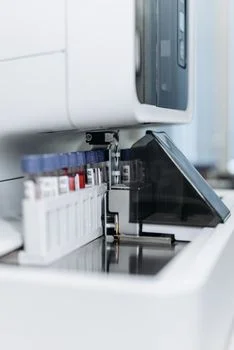
Selecting the appropriate wastewater treatment technology is paramount for achieving DOE Malaysia compliance and optimizing operational efficiency in Kuala Lumpur. A data-driven comparison of key technologies—MBR, DAF, contact oxidation, and advanced oxidation—reveals their specific engineering specifications, performance metrics, and suitability for local industrial needs. The MBR (Membrane Bioreactor) system offers exceptional performance, achieving 95–99% COD removal and 99% TSS removal, resulting in effluent quality with ≤ 5 mg/L TSS and 99.99% pathogen reduction (log 4). Its hydraulic loading capacity is 0.5–1.5 m³/m²/day with PVDF membranes, and its compact footprint of 0.1–0.3 m²/m³/day makes it ideal for space-constrained urban sites, being 60% smaller than conventional systems. Energy consumption averages 0.8–1.5 kWh/m³ for aeration and membrane scouring, with chemical use for cleaning at RM 0.30–RM 0.80/m³. Kuala Lumpur CAPEX for an MBR system, including civil works and automation, is estimated at RM 6,400–RM 9,600/m³/day for 2027. MBRs are best suited for high-value water reuse applications in food processing and pharmaceuticals, and for meeting the strictest DOE discharge limits. DAF (Dissolved Air Flotation) excels in removing TSS (92–97%) and FOG (80–95%), with moderate COD removal (60–80%), often serving as a crucial pre-treatment step. Its hydraulic loading is high at 5–10 m³/m²/h, with a compact footprint of 0.05–0.1 m²/m³/day. Energy consumption is lower, at 0.3–0.6 kWh/m³, but chemical use for coagulation and flocculation can range from RM 0.50–RM 2.00/m³. Kuala Lumpur CAPEX for DAF is significantly lower, at RM 2,400–RM 4,800/m³/day. DAF is highly effective for oleochemical, textile, and food processing industries with high FOG and TSS loads. Contact Oxidation (A/O, A²O) processes provide 85–95% COD removal and 80–90% TSS removal, with A²O systems also achieving 70–85% nitrogen removal. These systems require a hydraulic retention time of 8–12 hours and have a footprint of 0.3–0.5 m²/m³/day. Energy consumption is moderate at 0.4–0.8 kWh/m³, with low chemical use (RM 0.20–RM 0.50/m³). Kuala Lumpur CAPEX for contact oxidation ranges from RM 3,200–RM 6,400/m³/day. It is a cost-effective solution for organic-rich effluents from palm oil mills and food processing where moderate space is available. Advanced Oxidation Processes (AOPs), such as Fenton or catalytic ozonation, are designed for recalcitrant organics, achieving 90–99% COD removal. They offer a compact footprint (0.05–0.1 m²/m³/day) but have higher energy consumption (1.0–2.5 kWh/m³) due to ozone generation. Chemical costs (RM 1.00–RM 3.00/m³) and potential catalyst replacement are also factors. Kuala Lumpur CAPEX for AOPs is the highest, at RM 8,000–RM 16,000/m³/day, making them best suited for pharmaceutical and electronics industries dealing with difficult-to-treat effluents or for emergency compliance scenarios. Considerations specific to Kuala Lumpur include energy costs, with TNB tariffs at RM 0.45–RM 0.60/kWh, making MBR and AOPs sensitive to price fluctuations. MBR and AOPs directly meet the strictest DOE limits (COD ≤ 50 mg/L), whereas DAF and contact oxidation may require post-treatment for COD ≤ 100 mg/L. During monsoon season, DAF and AOPs demonstrate greater resilience to TSS spikes compared to MBRs, which face a higher risk of membrane fouling.
| Technology | COD Removal (%) | TSS Removal (%) | Footprint (m²/m³/day) | Energy (kWh/m³) | CAPEX (RM/m³/day) | Primary Application |
|---|---|---|---|---|---|---|
| MBR | 95–99 | 99 | 0.1–0.3 | 0.8–1.5 | 6,400–9,600 | High-value reuse, space constraint, strict limits |
| DAF | 60–80 (pre-treatment) | 92–97 | 0.05–0.1 | 0.3–0.6 | 2,400–4,800 | High FOG/TSS, pre-treatment |
| Contact Oxidation | 85–95 | 80–90 | 0.3–0.5 | 0.4–0.8 | 3,200–6,400 | Organic-rich effluents, moderate space |
| Advanced Oxidation | 90–99 (recalcitrant) | 95 (with pre-treatment) | 0.05–0.1 | 1.0–2.5 | 8,000–16,000 | Recalcitrant organics, emerging contaminants |
Cost Benchmarks for Industrial Wastewater Treatment in Kuala Lumpur: CAPEX, OPEX, and ROI Models
Accurate budgeting for industrial wastewater treatment in Kuala Lumpur requires detailed cost benchmarks for both Capital Expenditure (CAPEX) and Operational Expenditure (OPEX), alongside a clear understanding of potential Return on Investment (ROI) and often-overlooked hidden costs. For a typical 500 m³/day plant in 2027, CAPEX estimates range from RM 1.2 million for a DAF system to RM 8 million for an advanced oxidation process. A breakdown for a 500 m³/day MBR system indicates CAPEX between RM 3.2 million and RM 4.8 million, comprising 60% for equipment, 25% for civil works, 10% for automation, and 5% for commissioning. A DAF system of the same capacity would range from RM 1.2 million to RM 2.4 million. Contact oxidation systems fall between RM 1.6 million and RM 3.2 million, while advanced oxidation systems are at the higher end, RM 4.0 million to RM 8.0 million. Annual OPEX for a 500 m³/day MBR plant can be substantial, ranging from RM 800,000 to RM 1.2 million, with energy (50%), membrane replacement (15%), and chemicals (20%) being primary drivers. DAF systems have lower OPEX, RM 400,000–RM 800,000 per year, heavily influenced by chemical costs (40%). Contact oxidation OPEX is estimated at RM 500,000–RM 1.0 million, with energy (40%) and labor being significant. Advanced oxidation OPEX can reach RM 1.0 million–RM 2.0 million, driven by energy and chemical inputs. Beyond these figures, Kuala Lumpur incurs specific hidden costs. DOE permit fees are a one-time RM 5,000–RM 50,000, with annual renewals costing RM 2,000–RM 20,000. Sludge disposal, a critical but often underestimated cost, averages RM 200–RM 500 per ton in 2027 landfill tipping fees. During the monsoon season (November–February), expect a 10–20% increase in OPEX due to higher TSS and increased chemical dosing. Certified wastewater operators, a DOE requirement, command salaries of RM 4,000–RM 8,000 per month. Despite high CAPEX, ROI models for MBR systems can range from 3–5 years, especially when factoring in water reuse savings (e.g., RM 5/m³ for potable water). DAF systems offer quicker ROI (2–3 years) due to lower initial investment but are limited in application. Contact oxidation typically yields ROI in 4–6 years, while advanced oxidation, with its higher CAPEX, has an ROI of 5–8 years, justified by its necessity for specific effluent challenges. Fortunately, Kuala Lumpur offers incentives such as the Green Technology Financing Scheme (GTFS), providing a 2% interest rate over 7 years, and potential DOE rebates of 10–20% on permit fees for systems with real-time monitoring, as per 2027 policies.
| Cost Component | MBR (RM) | DAF (RM) | Contact Oxidation (RM) | Advanced Oxidation (RM) |
|---|---|---|---|---|
| CAPEX (Total) | 3.2M–4.8M | 1.2M–2.4M | 1.6M–3.2M | 4.0M–8.0M |
| OPEX (Annual) | 800K–1.2M | 400K–800K | 500K–1.0M | 1.0M–2.0M |
| Permit Fees (Annual) | 2K–20K | |||
| Sludge Disposal (per ton) | 200–500 | |||
| ROI (Years) | 3–5 | 2–3 | 4–6 | 5–8 |
| GTFS Incentive | 2% interest, 7-year tenure | |||
Zero-Risk Compliance Blueprint: DOE Malaysia Permits, Audits, and Documentation
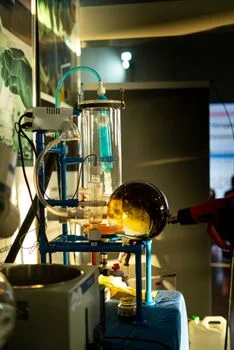
Achieving zero-risk compliance with DOE Malaysia standards in Kuala Lumpur necessitates a methodical approach to permit acquisition, rigorous audit preparation, and meticulous documentation. The DOE Malaysia permit process in 2027 involves several key stages. Pre-application is critical; for plants discharging over 1,000 m³/day, an Environmental Impact Assessment (EIA) is mandatory, with costs ranging from RM 50,000–RM 200,000. Engaging a DOE-approved consultant is essential. The application submission requires comprehensive documentation: the EIA report (if applicable), detailed plant layout and process flow diagrams, at least three months of influent and effluent quality data, a sludge disposal plan (DOE Form 3), and an emergency response plan covering spill containment and reporting protocols. Permit fees are typically RM 5,000–RM 50,000 one-time, with annual renewals at RM 2,000–RM 20,000. Following submission, a DOE site inspection will focus on pre-treatment effectiveness, real-time monitoring systems (pH, COD, TSS), sludge storage practices, and operator training records. Common failures observed in 25% of audits include missing calibration logs, inadequate sludge labeling (15%), and the absence of emergency spill kits (10%). Permit approval timelines vary, from 30–90 days for standard applications to 6–12 months if an EIA is required. To maintain compliance and pass audits, maintaining audit-ready documentation is crucial. This includes daily logs for pH, COD, TSS, and flow rate (ideally automated), weekly logs for sludge volume, chemical dosing rates, and membrane integrity tests (for MBRs), and monthly reports detailing effluent quality against DOE limits, maintenance records, and operator training certifications. Annual reports should cover EIA compliance updates, sludge disposal receipts, and energy/water consumption data. Common DOE penalty triggers and their remedies include inconsistent effluent quality, which can be addressed by installing real-time COD/TSS monitors and automating chemical dosing. Missing sludge disposal records necessitate using DOE-approved transporters and retaining receipts for five years. Operator training gaps can be filled by enrolling staff in DOE-approved programs. Emergency response failures require quarterly spill drills and establishing a 24/7 hotline for DOE reporting. By adhering to this blueprint, industrial facilities in Kuala Lumpur can navigate the regulatory landscape with confidence, mitigating compliance risks and ensuring sustainable operations.
Equipment Selection Framework: Matching Technology to Kuala Lumpur’s Industrial Needs
Selecting the optimal industrial wastewater treatment technology for Kuala Lumpur’s diverse industrial landscape requires a systematic framework that aligns effluent characteristics, available space, budgetary constraints, and stringent DOE Malaysia compliance requirements. A decision matrix can effectively guide this selection process. For facilities facing high COD levels exceeding 2,000 mg/L and having limited space, the choice narrows to an MBR system or advanced oxidation. An MBR system, with its compact footprint and ability to achieve effluent COD ≤ 50 mg/L, is suitable for high-value reuse, whereas advanced oxidation is necessary for recalcitrant organics, albeit at a higher CAPEX (RM 8M–RM 20M for pharmaceuticals/electronics). For industries with high TSS (>500 mg/L) and moderate space, a combination of DAF and contact oxidation presents a cost-effective solution. DAF excels at removing TSS and FOG, while contact oxidation polishes the COD to meet moderate DOE limits (COD ≤ 100 mg/L). For high FOG loads (>300 mg/L) in limited space, DAF is the unequivocal choice, offering up to 95% FOG removal efficiency. Organic-rich effluents with a BOD:COD ratio > 0.5, common in food processing and palm oil mills, are efficiently treated by contact oxidation (A/O, A²O) systems, providing 85–95% COD removal at a moderate CAPEX (RM 2M–RM 6M). Pharmaceutical and electronics plants dealing with complex pollutants like PFAS, antibiotics, and microplastics must opt for advanced oxidation, which is the only technology capable of addressing these emerging contaminants. In areas prone to monsoon-induced TSS spikes and with moderate space, a DAF system followed by sand filtration offers a robust solution to handle transient high TSS loads while polishing the final effluent. Specific to Kuala Lumpur’s key sectors: food processing plants can benefit from MBR for water reuse potential or DAF combined with contact oxidation for lower CAPEX. Oleochemical facilities should prioritize DAF as pre-treatment, followed by advanced oxidation for COD polishing. Textile industries can leverage DAF for color and TSS removal, complemented by MBR for COD and nitrogen reduction. Pharmaceutical plants require advanced oxidation for recalcitrant organics, coupled with MBR for pathogen removal. When selecting a vendor, a Kuala Lumpur-specific checklist should include verification of DOE Malaysia certification, local 24/7 service availability, relevant case studies from the same sector, demonstrated energy efficiency (kWh/m³), and comprehensive sludge management support.
| Effluent Profile | Space Available | Budget (CAPEX) | DOE Compliance | Recommended Technology | Rationale |
|---|---|---|---|---|---|
| High COD (>2,000 mg/L) | Limited | RM 5M–RM 15M | Strict (COD ≤ 50) | MBR or Advanced Oxidation | MBR: Compact, reuse-quality effluent. AO: Handles recalcitrant organics. |
| High TSS (>500 mg/L) | Moderate | RM 1M–RM 5M | Moderate (COD ≤ 100) | DAF + Contact Oxidation | DAF removes TSS/FOG; contact oxidation polishes COD. |
| High FOG (>300 mg/L) | Limited | RM 1M–RM 3M | Moderate | DAF | DAF is the gold standard for FOG removal (95% efficiency). |
| Organic-rich (BOD:COD > 0.5) | Moderate | RM 2M–RM 6M | Moderate | Contact Oxidation (A/O, A²O) | Cost-effective for biodegradable effluents (85–95% COD removal). |
| Pharmaceuticals/Electronics | Limited | RM 8M–RM 20M | Strict | Advanced Oxidation | Only AO removes PFAS, antibiotics, and microplastics. |
| Monsoon-prone (TSS spikes) | Moderate | RM 2M–RM 5M | Moderate | DAF + Sand Filtration | DAF handles TSS spikes; sand filtration polishes effluent. |
Frequently Asked Questions
What are the DOE Malaysia discharge limits for industrial wastewater in Kuala Lumpur?
DOE Malaysia’s 2027 limits for industrial wastewater in Kuala Lumpur are: COD ≤ 100 mg/L, TSS ≤ 50 mg/L, pH 6–9, oil & grease ≤ 10 mg/L, and heavy metals (e.g., Cr ≤ 0.2 mg/L). Sector-specific limits apply (e.g., food processing: BOD ≤ 50 mg/L). Non-compliance risks RM 10K–RM 500K fines (DOE Environmental Quality Act 1974, Section 34A).
How much does an industrial wastewater treatment plant cost in Kuala Lumpur?
CAPEX for a 500 m³/day system in Kuala Lumpur (2027): RM 1.2M (DAF) to RM 8M (advanced oxidation). OPEX ranges from RM 400K/year (DAF) to RM 2M/year (advanced oxidation). Hidden costs include DOE permit fees (RM 5K–RM 50K) and sludge disposal (RM 200–RM 500/ton). ROI is 2–8 years, depending on technology and reuse potential.
Which wastewater treatment technology is best for high-COD effluents in Kuala Lumpur?
For COD > 2,000 mg/L, MBR or advanced oxidation are best. MBR achieves 95–99% COD removal (effluent ≤ 50 mg/L) but requires RM 6,400–RM 9,600/m³/day CAPEX. Advanced oxidation (e.g., Fenton, catalytic ozonation) removes 90–99% COD for recalcitrant organics (e.g., pharmaceuticals) but costs RM 8,000–RM 16,000/m³/day. DAF and contact oxidation require post-treatment for high-COD effluents.
What are the common compliance failures in Kuala Lumpur’s industrial wastewater treatment?
68% of DOE penalties in Kuala Lumpur stem from inadequate pre-treatment (screening/equalization), 22% from missing sludge disposal records, and 10% from operator training gaps (DOE 2025 data). Other failures include inconsistent effluent quality (real-time monitoring gaps) and emergency response plan deficiencies. MBR systems often fail due to membrane fouling (30% of plants report >2 replacements/year).
How can I reduce OPEX for my Kuala Lumpur wastewater treatment plant?
Reduce OPEX by: (1) Installing energy-efficient aeration (e.g., MBR: 0.8 kWh/m³ vs. 1.5 kWh/m³), (2) Automating chemical dosing (saves RM 0.20–RM 0.50/m³), (3) Reusing treated effluent (saves RM 5/m³ for potable water), (4) Partnering with DOE-approved sludge disposal providers (RM 200–RM 300/ton vs. RM 500/ton for non-approved), and (5) Applying for GTFS incentives (2% interest rates).
Related Equipment
- MBR system for high-COD industrial effluents in Kuala Lumpur — view specifications, capacity range, and technical data
- DAF system for FOG and TSS removal in Kuala Lumpur’s oleochemical and textile plants — view specifications, capacity range, and technical data
- automated chemical dosing for DOE Malaysia compliance in Kuala Lumpur — view specifications, capacity range, and technical data
- on-site ClO₂ generation for industrial wastewater disinfection in Kuala Lumpur — view specifications, capacity range, and technical data
Need a customized solution? Request a free quote with your specific flow rate and pollutant parameters.