Why Haryana’s Industrial Wastewater Treatment Needs Are Unique in 2026
Haryana's industrial output has surged by 12% year-over-year between 2023 and 2025, with Gurugram leading in automotive, Panipat in textiles, and Faridabad in pharmaceuticals, significantly increasing wastewater generation (HSIIDC 2025 data). To combat this, Haryana PCB’s 2024 discharge limits are 20% more stringent than national CPCB standards, mandating BOD below 30 mg/L and COD below 250 mg/L, with penalties reaching ₹5 Lakhs per day for non-compliance (HSPCB Notification 2024). The state's diverse industrial sectors present unique effluent profiles: textiles often exhibit COD levels from 1,200–3,000 mg/L and color intensity of 500–1,500 Pt-Co; dairy operations generate BOD of 1,000–2,500 mg/L and fats, oils, and grease (FOG) between 200–500 mg/L; while automotive industries can have heavy metal concentrations of 5–50 mg/L and Total Suspended Solids (TSS) of 300–800 mg/L. space constraints within HSIIDC estates, such as in Manesar, necessitate compact treatment solutions, favoring underground or modular designs that can reduce footprint by up to 40%. A stark example is a Faridabad pharmaceutical plant that incurred ₹18 Lakhs in penalties in 2025 for exceeding COD limits, a cost reduced to ₹2 Lakhs annually after implementing an advanced Membrane Bioreactor (MBR) upgrade.
Haryana PCB Compliance 2026: Discharge Limits, Monitoring, and Zero-Risk Strategies
Navigating Haryana's stringent environmental regulations requires a thorough understanding of the 2024 Haryana PCB discharge limits, which are notably stricter than national standards. For instance, while CPCB 2023 standards allow BOD up to 30 mg/L and COD up to 250 mg/L, Haryana's limits often mirror or exceed these, with specific industrial categories facing even tighter controls. To ensure zero-risk compliance, industries must implement robust monitoring protocols. Plants exceeding 100 KLD capacity are mandated to install online pH and COD meters, supplemented by quarterly third-party laboratory testing for BOD and TSS, as per the HSPCB 2025 directive. Addressing sector-specific challenges is paramount: textile units must focus on advanced color removal techniques, dairy plants need effective FOG management, automotive industries must tackle heavy metal contamination, and pharmaceutical facilities often deal with very high COD concentrations, sometimes exceeding 3,000 mg/L. Common compliance failures in 2025, accounting for 60% of penalties, were related to Oil & Grease exceeding the 10 mg/L limit (HSPCB annual report). Effective strategies include maintaining pH between 6.5–7.5 and employing Dissolved Air Flotation (DAF) systems as a pre-treatment step for high-FOG effluents. Zero-risk compliance also involves incorporating equalization tanks for flow and load balancing, and designing redundancy into critical treatment stages, such as dual membrane trains in MBR systems.
| Parameter | Haryana PCB 2024 Discharge Limit | CPCB 2023 Standard |
|---|---|---|
| BOD (mg/L) | < 30 | < 30 |
| COD (mg/L) | < 250 | < 250 |
| TSS (mg/L) | < 100 | < 100 |
| pH | 6.5 – 8.5 | 6.0 – 9.0 |
| Oil & Grease (mg/L) | < 10 | < 20 |
| Heavy Metals (e.g., Cr, Ni, Zn) (mg/L) | 0.5 – 2 (sector-specific) | 1 – 5 (sector-specific) |
| Color (Pt-Co) (for Textile) | < 100 | N/A (sector-specific) |
For sectors facing high TSS and FOG, a DAF system for pre-treatment of high-TSS industrial wastewater in Haryana offers a reliable solution.
Industrial Wastewater Treatment Technologies for Haryana: Performance, Costs, and Footprint Compared
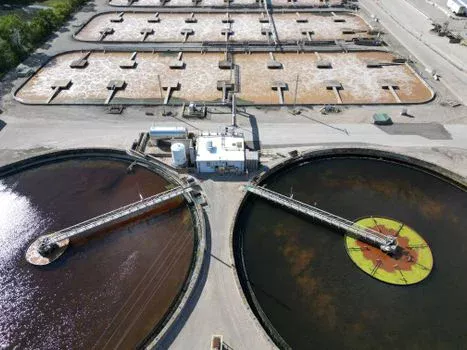
Selecting the optimal industrial wastewater treatment technology in Haryana requires a nuanced understanding of performance metrics, capital expenditure (CAPEX), operational expenditure (OPEX), and spatial requirements. The following table provides a comparative analysis of Membrane Bioreactor (MBR), Sequencing Batch Reactor (SBR), Dissolved Air Flotation (DAF), and Anaerobic-Oxy (A/O) processes, considering data from leading industry benchmarks and recent installations.
| Technology | COD Removal (%) | TSS Removal (%) | Footprint (m²/100 KLD) | CAPEX (₹/KLD) | OPEX (₹/KLD/year) | Energy Use (kWh/m³) | Sludge Production (kg/m³) | Sector Suitability |
|---|---|---|---|---|---|---|---|---|
| MBR | >95 | >99 | 10-15 | 12,500–17,500 | 2,500–3,500 | 0.8–1.2 | 0.1–0.2 | Pharmaceuticals, Automotive, High-Reuse |
| SBR | 85–92 | 90–95 | 20-30 | 9,000–11,000 | 1,800–2,500 | 0.4–0.6 | 0.2–0.3 | Dairy, Food Processing, Variable Loads |
| DAF (as pre-treatment) | 80 (for FOG/solids) | 95+ | 15-25 | 7,500–10,000 | 1,200–1,800 | 0.2–0.3 | 0.3–0.5 | Textile (color/FOG), Dairy (FOG), Pre-treatment |
| A/O | 70–85 | 80–90 | 25-35 | 6,000–8,000 | 1,000–1,500 | 0.3–0.5 | 0.2–0.4 | Automotive, General Manufacturing (Moderate Strength) |
For a 200 KLD plant, MBR systems typically range from ₹25 Lakhs to ₹35 Lakhs in CAPEX, offering effluent COD below 50 mg/L and TSS below 5 mg/L, suitable for reuse. Their compact footprint makes them ideal for space-constrained pharmaceutical and automotive sectors in Gurugram. SBR systems, with CAPEX between ₹18 Lakhs to ₹22 Lakhs for 200 KLD, are well-suited for dairy and food processing industries with fluctuating wastewater loads. DAF, priced at ₹15 Lakhs to ₹20 Lakhs for 200 KLD, is crucial for textile wastewater treatment, particularly for color and FOG removal. A/O processes offer the lowest CAPEX, around ₹12 Lakhs to ₹16 Lakhs for 200 KLD, but yield effluent COD between 100–150 mg/L, making them suitable for automotive and general manufacturing with less stringent discharge requirements. Hybrid systems, such as DAF followed by SBR, have proven effective for textile units in Panipat, achieving 98% color removal and 90% COD removal at a CAPEX of approximately ₹22 Lakhs for a 300 KLD plant. For advanced treatment and reuse quality effluent, consider an MBR system for reuse-quality effluent in Haryana’s pharmaceutical and automotive sectors, or a DAF system for pre-treatment of high-TSS industrial wastewater in Haryana.
How to Select the Right Wastewater Treatment System for Your Haryana Industry
Choosing the correct wastewater treatment system in Haryana involves a systematic approach tailored to specific industrial needs, regulatory mandates, and site constraints. This five-step decision framework guides engineers and procurement managers through the selection process:
- Identify Your Sector: Start by categorizing your industry (e.g., textile, dairy, automotive, pharmaceutical). This is crucial as each sector generates distinct effluent characteristics.
- Analyze Effluent Characteristics: Quantify key parameters such as BOD, COD, TSS, FOG, heavy metals, and color. For example, dairy industries must address FOG levels exceeding 200 mg/L, while textile units require significant color removal.
- Assess Space Constraints: Evaluate available land area. Industries in densely populated industrial estates like Gurugram or Faridabad may benefit from compact solutions. An underground package sewage treatment plant for space-constrained sites in Haryana can save up to 40% of the ground footprint. Trailer-mounted systems are also an option for temporary or modular setups.
- Determine Budgetary Constraints: Consider both CAPEX and OPEX. MBR systems, while having higher upfront costs, can lead to lower long-term OPEX due to reduced chemical usage and sludge production. SBR offers a balance between CAPEX and performance for variable loads.
- Define Compliance and Reuse Goals: Clarify the target effluent quality for discharge and any potential for water reuse. MBR systems are often chosen for achieving reuse-quality effluent (COD <50 mg/L, TSS <5 mg/L).
Sector-Specific Recommendations:
- Textile (Panipat): A combination of DAF pre-treatment for TSS and color removal, followed by an SBR for further COD reduction, is highly effective. A 500 KLD textile plant in Panipat opted for this hybrid approach with ₹38 Lakhs CAPEX over an MBR (₹55 Lakhs) due to budget, achieving 97% color removal and 92% COD removal.
- Dairy (Karnal): DAF pre-treatment is essential for FOG removal, followed by an SBR to manage high BOD loads.
- Automotive (Gurugram): A/O processes can be cost-effective for moderate strength waste, while MBR systems are preferred for space efficiency and achieving higher effluent quality, especially if heavy metal removal is integrated.
- Pharmaceuticals (Faridabad): MBR systems are typically the standard due to stringent COD limits and the potential for high-purity water reuse.
For those looking to optimize operational expenses, exploring 12 proven strategies to cut wastewater treatment OPEX by 30–50% can significantly impact overall plant economics.
Cost Benchmarks for Industrial Wastewater Treatment Plants in Haryana (2026)
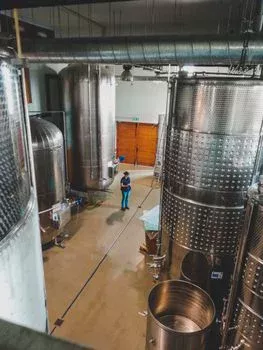
Accurate budgeting for industrial wastewater treatment in Haryana requires detailed cost benchmarks. The following table outlines estimated CAPEX and OPEX for various technologies across different capacities, based on current market data and supplier quotations. These figures represent typical package plant costs and can vary based on specific site conditions and customization requirements.
| Capacity (KLD) | Technology | CAPEX (₹ Lakhs) | CAPEX per KLD (₹/KLD) | Annual OPEX (₹ Lakhs) | OPEX per KLD (₹/KLD/year) | Estimated Annual Energy Cost (₹ Lakhs) | Estimated Annual Chemical Cost (₹ Lakhs) | Estimated Annual Sludge Disposal Cost (₹ Lakhs) |
|---|---|---|---|---|---|---|---|---|
| 50 | A/O | 6.0–8.0 | 12,000–16,000 | 1.0–1.5 | 2,000–3,000 | 0.3–0.5 | 0.2–0.3 | 0.2–0.3 |
| 50 | SBR | 9.0–11.0 | 18,000–22,000 | 1.5–2.0 | 3,000–4,000 | 0.4–0.6 | 0.3–0.4 | 0.3–0.5 |
| 50 | DAF | 7.5–10.0 | 15,000–20,000 | 1.2–1.8 | 2,400–3,600 | 0.3–0.4 | 0.4–0.5 | 0.4–0.6 |
| 50 | MBR | 12.5–17.5 | 25,000–35,000 | 2.0–2.8 | 4,000–5,600 | 0.7–1.0 | 0.2–0.3 | 0.1–0.2 |
| 200 | A/O | 12.0–16.0 | 6,000–8,000 | 2.0–3.0 | 1,000–1,500 | 1.0–1.5 | 0.5–0.7 | 0.5–0.8 |
| 200 | SBR | 18.0–22.0 | 9,000–11,000 | 3.0–4.5 | 1,500–2,250 | 1.5–2.0 | 0.7–1.0 | 0.7–1.0 |
| 200 | DAF | 15.0–20.0 | 7,500–10,000 | 2.5–3.5 | 1,250–1,750 | 0.8–1.2 | 0.8–1.0 | 0.9–1.2 |
| 200 | MBR | 25.0–35.0 | 12,500–17,500 | 4.0–5.5 | 2,000–2,750 | 3.0–4.0 | 0.5–0.7 | 0.3–0.5 |
| 500 | SBR | 35.0–45.0 | 7,000–9,000 | 6.0–8.0 | 1,200–1,600 | 5.0–6.0 | 1.5–2.0 | 1.5–2.0 |
| 500 | MBR | 55.0–75.0 | 11,000–15,000 | 8.0–11.0 | 1,600–2,200 | 10.0–12.0 | 1.0–1.5 | 0.7–1.0 |
CAPEX typically breaks down as 60% for equipment, 20% for civil works, 10% for installation, and 10% for commissioning for package plants. OPEX is primarily driven by energy (40%), chemicals (30%), sludge disposal (20%), and labor (10%). While MBR systems have higher energy demands, their significantly lower sludge production (0.1–0.2 kg/m³) can offset disposal costs. Additional costs to consider include odor control systems (₹2 Lakhs–₹5 Lakhs for biofilters), remote monitoring solutions (₹1 Lakh–₹3 Lakhs annually), and regular Haryana PCB compliance testing (₹50K–₹1 Lakh annually). For a 200 KLD dairy plant utilizing a DAF + SBR system, with a CAPEX of ₹22 Lakhs and OPEX of ₹4.5 Lakhs/year, water reuse savings of ₹3 Lakhs/year can lead to a payback period of approximately 5 years.
For comparative cost insights in other regions, refer to the cost benchmarks for industrial wastewater treatment in West Bengal.
Case Study: 500 KLD Wastewater Treatment Plant for a Textile Unit in Panipat
A prominent textile manufacturing unit located in Panipat, a major textile hub in Haryana, was facing significant environmental and financial challenges due to its untreated effluent. The plant was discharging wastewater with dangerously high levels of COD (averaging 2,500 mg/L), color intensity (around 1,200 Pt-Co), and TSS (approximately 600 mg/L). This non-compliance resulted in annual penalties amounting to ₹12 Lakhs and intermittent production halts imposed by the Haryana State Pollution Control Board (HSPCB). The company’s existing treatment system was insufficient to meet the increasingly stringent discharge norms.
To address these issues, HydropureWater engineered a robust hybrid treatment solution comprising a Dissolved Air Flotation (DAF) system followed by a Sequencing Batch Reactor (SBR). The DAF pre-treatment unit was specifically designed to handle the high suspended solids and FOG, achieving over 95% TSS removal and approximately 80% COD reduction by efficiently separating floatable solids and oils. The subsequent SBR stage was optimized to further process the effluent, effectively reducing residual COD by 92% and achieving a remarkable 98% color removal, bringing the final discharge well within Haryana PCB limits. The total CAPEX for this 500 KLD plant was ₹38 Lakhs, with an annual OPEX of ₹7.2 Lakhs. Post-installation, the treated effluent consistently met the Haryana PCB standards, with COD levels below 180 mg/L, TSS below 40 mg/L, and color below 50 Pt-Co. This upgrade not only eliminated the ₹12 Lakhs annual penalty but also enabled the plant to implement water reuse practices, reducing its freshwater demand by 30% and contributing to significant operational cost savings. Key lessons learned from this project include the critical importance of an equalization tank for managing variable industrial loads, the benefit of precise pH adjustment (6.5–7.5) to enhance DAF performance, and the cost-efficiency gains achieved through automated chemical dosing, which reduced chemical consumption by 15%.
This successful implementation highlights the effectiveness of a tailored DAF + SBR approach for textile wastewater challenges, demonstrating measurable improvements in effluent quality, financial savings, and environmental compliance. For similar needs, consider a DAF system for pre-treatment of high-TSS industrial wastewater in Haryana.
Frequently Asked Questions
Q: What are the Haryana PCB discharge limits for industrial wastewater in 2026?
A: The Haryana PCB 2024 discharge limits mandate BOD <30 mg/L, COD <250 mg/L, TSS <100 mg/L, pH 6.5–8.5, Oil & Grease <10 mg/L, and heavy metals typically below 0.5–2 mg/L, depending on the specific metal and industry (HSPCB Notification 2024). Textile units must also meet color standards of <100 Pt-Co.
Q: How much does a 200 KLD industrial wastewater treatment plant cost in Haryana?
A: The cost for a 200 KLD industrial wastewater treatment plant in Haryana ranges from approximately ₹12 Lakhs for an A/O process to ₹35 Lakhs for an MBR system. SBR systems typically fall between ₹18 Lakhs–₹22 Lakhs, and DAF systems between ₹15 Lakhs–₹20 Lakhs. Annual operational and maintenance (OPEX) costs generally represent 15–20% of the initial capital expenditure (CAPEX) (based on 2026 cost benchmarks).
Q: Which technology is best for textile wastewater treatment in Haryana?
A: For textile wastewater, a combination of a DAF system for initial removal of TSS and color, followed by an SBR or MBR for advanced COD and color reduction, is highly recommended. DAF typically removes 95%+ TSS and 80% COD, while SBR/MBR can achieve 92–98% COD removal and 98% color removal. Hybrid systems for a 200 KLD capacity can range from ₹20 Lakhs to ₹35 Lakhs.
Q: Can I reuse treated wastewater in my Haryana factory?
A: Yes, treated wastewater can be reused if it meets specific quality standards, typically requiring COD below 50 mg/L, TSS below 5 mg/L, and BOD below 10 mg/L. MBR systems are generally capable of achieving this reuse-quality effluent. SBR systems may require additional tertiary treatment stages, such as sand filtration or activated carbon, to meet these stringent requirements.
Q: What are the penalties for non-compliance with Haryana PCB standards?
A: Penalties for non-compliance with Haryana PCB standards can be severe. For a first offense, fines can range from ₹50,000 to ₹5 Lakhs per day. Repeat violations can lead to production halts and further legal actions. In cases of significant environmental damage or repeated non-compliance, criminal charges may be filed against the responsible parties, as outlined in the HSPCB 2024 guidelines.