Organic Wastewater Treatment by Contact Oxidation: 2026 Engineering Specs, 95%+ COD Removal & Zero-Risk Reactor Design
Contact oxidation achieves 95–98% COD removal for organic wastewater with influent COD ≤ 1,000 mg/L, using biofilm carriers and controlled aeration—without the chemical costs or sludge generation of advanced oxidation processes (AOPs). Key 2026 engineering specs: hydraulic retention time (HRT) of 4–8 hours, organic loading rate (OLR) of 0.5–1.5 kg COD/m³·d, and dissolved oxygen (DO) ≥ 2 mg/L. Unlike AOPs, contact oxidation requires no hazardous chemicals (e.g., H₂O₂, O₃) and produces 30–50% less sludge, making it ideal for industrial facilities prioritizing operational simplicity and compliance with EPA or EU discharge limits (COD ≤ 120 mg/L).How Contact Oxidation Works: Biofilm Mechanics vs. Advanced Oxidation Processes
Biological contact oxidation relies on the growth of active microbial biofilms on inert carrier media, fundamentally differing from the chemical-driven mechanisms of advanced oxidation processes (AOPs). This biological process is highly effective for biodegradable organic compounds, preventing the costly misapplication of AOPs to effluents that can be treated more economically. Biofilm formation begins with microbial attachment to carrier surfaces, followed by the production of extracellular polymeric substances (EPS) that create a protective, nutrient-rich matrix. Within this matrix, microbial stratification occurs: aerobic bacteria thrive in the oxygen-rich outer layers, while anoxic or anaerobic zones may develop deeper within the biofilm, allowing for simultaneous nitrification-denitrification if conditions are managed (HydropureWater field data, 2025). Common biofilm carrier types for wastewater treatment include honeycomb, elastic, and suspended media made from materials like PP, PVC, or stainless steel, selected for their high surface area, durability, and void ratio. The primary oxidation mechanism in contact oxidation is enzymatic biodegradation, where microorganisms metabolize organic pollutants into less harmful byproducts, carbon dioxide, and water. This contrasts sharply with AOPs, which generate highly reactive hydroxyl radicals (·OH) with an oxidation potential of 2.8 V, designed to break down persistent, refractory organic compounds that are resistant to biological degradation. In contrast, biological oxidation typically involves less powerful enzymatic reactions, around 2.07 V, making it effective for easily biodegradable organics. Consequently, contact oxidation fails for non-biodegradable compounds (typically indicated by a BOD/COD ratio < 0.3), where AOPs become necessary for treating complex effluents like pharmaceutical APIs or pesticides. A typical process flow for a biological contact oxidation process involves influent entering a primary sedimentation tank to remove large solids, followed by the contact oxidation tank where wastewater flows through the biofilm carriers with controlled aeration. The treated water then proceeds to a secondary sedimentation tank for biomass separation before final effluent discharge. Dissolved oxygen (DO) control zones are critical throughout the reactor to optimize aerobic degradation and, if designed, anoxic reactions.2026 Engineering Specs for Contact Oxidation Reactors: Design Parameters & Performance Benchmarks
| Parameter | Specification Range | Notes |
|---|---|---|
| Hydraulic Retention Time (HRT) | 4–8 hours (COD ≤ 1,000 mg/L) 8–12 hours (COD > 1,000 mg/L) |
Critical for complete biodegradation |
| Organic Loading Rate (OLR) | 0.5–1.5 kg COD/m³·d (Optimal) >2.0 kg COD/m³·d (Failure Threshold) |
Prevents bulking and detachment |
| Dissolved Oxygen (DO) | ≥ 2 mg/L (Aerobic) <0.5 mg/L (Anoxic, if applicable) |
Essential for microbial activity |
| Biofilm Carrier Surface Area | 200–500 m²/m³ | Maximizes active biomass |
| Biofilm Carrier Void Ratio | 90–95% | Ensures flow and prevents clogging |
| Aeration Requirement | 5–10 m³ air/kg COD removed | Fine-bubble diffusers for efficiency |
| Sludge Yield | 0.2–0.4 kg TSS/kg COD removed | Significantly lower than activated sludge |
Contact Oxidation vs. AOPs vs. MBR: Side-by-Side Comparison for Industrial Wastewater
Selecting the optimal wastewater treatment technology for industrial applications requires a careful evaluation of performance, operational costs, and specific effluent characteristics. For industrial wastewater treatment by contact oxidation, performance benchmarks show COD removal rates of 95–98% for biodegradable organics. Advanced Oxidation Processes (AOPs), while more expensive, typically achieve 90–99% COD removal, particularly effective for refractory compounds due to their powerful hydroxyl radicals. Membrane Bioreactor (MBR) systems, such as MBR systems for high-effluent-quality applications, offer the highest removal rates at 98–99.9%, producing exceptionally high-quality effluent suitable for reuse. Regarding refractory organics, AOPs are superior, followed by MBR (which can remove some via membrane rejection or enhanced biological activity), with contact oxidation being least effective for these compounds. For detailed insights on AOPs, refer to our article on TMAH wastewater treatment by advanced oxidation. Operational costs (OPEX) vary significantly: contact oxidation systems typically range from $0.10–$0.30/m³, making them highly economical. AOPs are substantially more expensive, costing $0.50–$2.00/m³ due to high chemical and energy demands. MBR systems fall in the middle, at $0.20–$0.50/m³, driven by membrane replacement and cleaning. Energy consumption also reflects these costs, with AOPs generally having the highest kWh/m³ requirement. Sludge production is a critical differentiator: contact oxidation yields 0.2–0.4 kg TSS/kg COD removed, while AOPs produce 0.1–0.3 kg TSS/kg COD (often less due to mineralization) and MBR systems generate 0.1–0.2 kg TSS/kg COD (with higher solids retention). Footprint requirements (m²/m³·d) are largest for contact oxidation (0.5–1.0), followed by MBR (0.3–0.8), and smallest for AOPs (0.2–0.5). Chemical requirements are minimal for contact oxidation (primarily nutrient dosing if needed, possibly automated with an automatic chemical dosing system), extensive for AOPs (H₂O₂, O₃, UV), and involve membrane cleaning chemicals for MBR. For compliance and effluent reuse, contact oxidation typically achieves COD ≤ 50 mg/L, AOPs COD ≤ 30 mg/L, and MBR systems can consistently meet COD ≤ 10 mg/L.| Feature | Contact Oxidation | Advanced Oxidation Processes (AOPs) | Membrane Bioreactor (MBR) |
|---|---|---|---|
| COD Removal Rate | 95–98% | 90–99% | 98–99.9% |
| Refractory Organics Treatment | Limited | Excellent | Good (via membrane rejection & enhanced biology) |
| Operational Costs ($/m³) | $0.10–$0.30 | $0.50–$2.00 | $0.20–$0.50 |
| Sludge Production (kg TSS/kg COD) | 0.2–0.4 | 0.1–0.3 | 0.1–0.2 |
| Footprint (m²/m³·d) | 0.5–1.0 | 0.2–0.5 | 0.3–0.8 |
| Chemical Requirements | Minimal (nutrients) | High (H₂O₂, O₃, UV) | Membrane cleaning chemicals |
| Effluent Quality (COD for Reuse) | ≤ 50 mg/L | ≤ 30 mg/L | ≤ 10 mg/L |
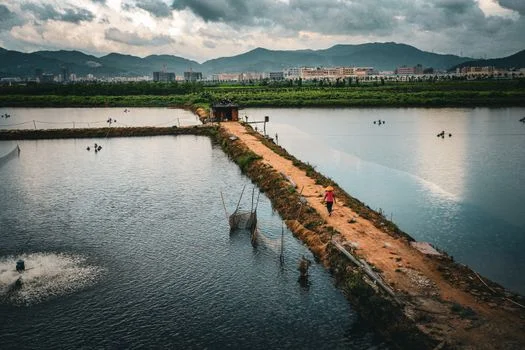
Case Study: Food Processing Plant Achieves 97% COD Removal with Contact Oxidation
Cost Breakdown: Contact Oxidation System CAPEX and OPEX for Industrial Facilities
Understanding the capital expenditure (CAPEX) and operational expenditure (OPEX) is essential for industrial facilities evaluating contact oxidation systems. The CAPEX for a contact oxidation system, in 2026 USD, typically ranges from $500–$1,500 per m³·d of treatment capacity. This investment is generally broken down as follows: the reactor tank accounts for approximately 30% of the cost, biofilm carriers contribute about 20%, the aeration system (including blowers and diffusers) is around 25%, control systems and instrumentation make up 15%, and installation costs represent the remaining 10%. These figures provide a clear framework for budgeting and project planning. Operational expenditure (OPEX) for contact oxidation systems is notably competitive, ranging from $0.10–$0.30 per m³ of treated wastewater. This includes energy consumption, which typically constitutes the largest portion at $0.05–$0.15/m³, primarily for aeration. Labor costs for routine monitoring and maintenance are generally $0.02–$0.05/m³, and sludge disposal, due to the lower sludge yield of contact oxidation (0.2–0.4 kg TSS/kg COD removed), ranges from $0.03–$0.10/m³. For example, comparing contact oxidation at $0.20/m³ with AOPs at $1.00/m³ for a 500 m³/d plant over 10 years, the operational savings with contact oxidation would amount to approximately $1.46 million, highlighting its strong return on investment. Hidden costs to consider include biofilm carrier replacement every 5–7 years, periodic calibration of DO sensors, and potential membrane cleaning costs if the system is integrated with MBR for further polishing. For more strategies to reduce overall OPEX, consider these 12 strategies to cut wastewater treatment OPEX.| Cost Category | Breakdown | Typical Range (2026 USD) |
|---|---|---|
| CAPEX (per m³·d capacity) | Reactor Tank Biofilm Carriers Aeration System Controls & Instrumentation Installation |
$500–$1,500 (30%) (20%) (25%) (15%) (10%) |
| OPEX (per m³) | Energy Consumption Labor Sludge Disposal |
$0.10–$0.30 ($0.05–$0.15) ($0.02–$0.05) ($0.03–$0.10) |
| ROI Example (500 m³/d, 10 yrs) | Contact Oxidation vs. AOPs | $1.46 Million in Savings |
Compliance Checklist: Designing Contact Oxidation Systems for Global Discharge Standards