Developer Wastewater Treatment by Contact Oxidation: 2026 Engineering Specs, 95% COD Removal & Zero-Fouling Blueprint
Biological contact oxidation (BCO) is a biofilm-based wastewater treatment process that removes 80-95% of organic pollutants (COD) from developer wastewater, making it ideal for RO pretreatment. By leveraging microorganisms attached to submerged fillers (e.g., polyurethane sponge or PVDF modules), BCO systems achieve stable performance at influent COD ranges of 500–3,000 mg/L, reducing RO membrane fouling by up to 70% and extending membrane lifespan from 2 to 5 years. Key advantages include a compact footprint (50% smaller than activated sludge), low energy consumption (0.3–0.5 kWh/m³), and compliance with EPA and GB 8978-1996 discharge standards for industrial wastewater.
Why Developer Wastewater Requires Specialized Biological Treatment
Inadequate pretreatment of developer wastewater commonly leads to rapid reverse osmosis (RO) membrane fouling, costing semiconductor fabs significant operational expenses and downtime. A semiconductor fab, for instance, reported reducing RO cleaning frequency from weekly to quarterly after implementing BCO as a primary pretreatment step, directly addressing high organic loading issues. Developer wastewater presents a complex matrix of contaminants that challenge conventional biological treatment methods.
Typical characteristics of developer wastewater include high organic loads and specific chemical compounds. Influent chemical oxygen demand (COD) frequently ranges from 500–3,000 mg/L, with biochemical oxygen demand (BOD) between 200–1,500 mg/L (EPA 2024 industrial wastewater guidelines). Total suspended solids (TSS) can vary from 100–800 mg/L, and pH typically falls within 6–9. A critical challenge is the presence of surfactants, often at concentrations of 50–300 mg/L, which originate from cleaning agents and photoresist development processes.
Conventional activated sludge systems frequently struggle with these characteristics. High surfactant concentrations lead to excessive foaming, hindering oxygen transfer and biomass settling, thereby reducing treatment efficiency. Chemical coagulation, while effective for TSS and some heavy metals, often fails to remove the high proportion of soluble organic compounds characteristic of developer wastewater, leaving a significant COD load for downstream RO systems. This residual organic loading is a primary driver of RO membrane fouling, causing irreversible damage and requiring frequent chemical cleaning or premature membrane replacement within 6–12 months without effective biological pretreatment.
| Parameter | Typical Range in Developer Wastewater | Impact on Treatment |
|---|---|---|
| COD | 500–3,000 mg/L | High organic load, causes RO fouling, high oxygen demand |
| BOD | 200–1,500 mg/L | Indicates biodegradable organics, high oxygen demand for biological treatment |
| TSS | 100–800 mg/L | Contributes to physical fouling, requires removal before biofilm systems |
| pH | 6–9 | Optimal range for most biological activity, but excursions require control |
| Surfactants | 50–300 mg/L | Causes foaming in activated sludge, can inhibit biofilm growth at high concentrations |
| Heavy Metals | Trace – 5 mg/L | Can be toxic to microorganisms; some are removed by biosorption |
Biological Contact Oxidation: Process Mechanism and Filler Material Selection
Biological contact oxidation (BCO) effectively degrades complex organic pollutants by leveraging robust biofilm growth on submerged inert media. The process initiates as pre-treated wastewater, often after initial screening or equalization, flows into the BCO reactor, where it comes into contact with the filler media. Microorganisms, primarily bacteria and protozoa, attach to the surface of these fillers, forming a stable biofilm. Aeration, typically introduced from the bottom of the reactor, supplies oxygen to these aerobic microorganisms, facilitating the biological oxidation of organic compounds (COD, BOD) into simpler substances like carbon dioxide and water. The treated water, along with detached biofilm solids, then flows to a secondary sedimentation tank for solid-liquid separation before further treatment or discharge.
Wastewater In --> Aerated Reactor (Filler Media + Biofilm) --> Sedimentation --> Treated Effluent
                  ^
                  |
                  Aeration
Selecting the appropriate filler material is critical for optimizing BCO performance in developer wastewater treatment. Polyurethane sponge is a common choice due to its low cost, high void ratio (typically 90%), and large specific surface area (up to 200 m²/m³), which promotes extensive biofilm growth. However, in developer wastewater with high TSS or significant surfactant concentrations, polyurethane sponge can be susceptible to clogging, potentially requiring more frequent backwashing or replacement. Polyvinylidene fluoride (PVDF) modules offer superior durability and chemical resistance, making them more resilient to aggressive developer wastewater components like surfactants and moderate pH fluctuations. With a typical pore size of 0.1 μm, PVDF resists clogging better than sponge media but comes at a higher capital cost. For specific applications requiring enhanced nitrogen removal, incorporating iron scraps within the filler matrix can promote denitrification by providing a reducing environment for anaerobic microorganisms, though this is less common for primary organic removal in developer wastewater.
Efficient oxygen transfer is paramount for maintaining aerobic conditions within the BCO reactor, directly impacting COD removal efficiency. Aeration rates of 0.2–0.4 m³/m²·min are typically required to achieve dissolved oxygen (DO) levels of 2–4 mg/L, which are critical for optimal microbial activity and pollutant degradation. Maintaining DO above 2 mg/L ensures complete oxidation of organic matter and prevents anaerobic conditions that can lead to odor issues and reduced treatment efficacy (HydropureWater field data, 2025). For robust and efficient underground BCO systems for developer wastewater, advanced aeration systems are often integrated into units like the WSZ-series underground integrated sewage treatment system.
| Filler Material | Pros for Developer Wastewater | Cons for Developer Wastewater | Specific Surface Area (m²/m³) |
|---|---|---|---|
| Polyurethane Sponge | High void ratio, large specific surface area, low cost, good biofilm adhesion | Prone to clogging with high TSS/surfactants, lower durability, requires periodic replacement | 150–250 |
| PVDF Modules | High durability, chemical resistance, resistant to clogging, stable biofilm | Higher capital cost, potentially lower specific surface area than sponge | 80–120 |
| Iron Scraps | Enhances denitrification (secondary benefit), low cost | Limited primary COD removal, specific application for N removal, potential for iron oxide buildup | Variable (low for biofilm) |
2026 Engineering Specs for Developer Wastewater BCO Systems
Designing biological contact oxidation systems for developer wastewater requires precise engineering parameters to ensure stable performance and compliance. Hydraulic retention time (HRT) is a critical design factor, with 4–8 hours typically required for achieving over 90% COD removal in developer wastewater (EPA 2024 benchmarks). This HRT range allows sufficient contact time for microorganisms to degrade complex organic compounds effectively.
The volume occupied by filler media within the reactor is another key specification, generally ranging from 30–50% of the total reactor volume. When selecting filler types, it is important to note that polyurethane sponge, due to its higher void ratio and potential for compaction, may require approximately 1.5 times more volume than denser PVDF modules to achieve equivalent organic loading capacity and treatment performance. The specific surface area provided by the fillers directly correlates with the biomass concentration and, consequently, the system's organic removal efficiency.
Aeration requirements are substantial for maintaining aerobic conditions throughout the BCO reactor, typically consuming 0.3–0.5 kWh/m³ of treated wastewater for dissolved oxygen (DO) maintenance. Utilizing fine-bubble diffusers can significantly reduce energy consumption by up to 20% compared to coarse-bubble diffusers, owing to their higher oxygen transfer efficiency (HydropureWater field data, 2025). The compact nature of BCO systems is a notable advantage, with a footprint ranging from 0.5–1.0 m²/m³/day of treated wastewater, making them approximately 50% smaller than conventional activated sludge systems for comparable treatment capacities. This reduced footprint is particularly valuable for industrial facilities with limited space.
Maintaining an optimal pH range of 6.5–8.5 is crucial for microbial activity in BCO systems. Developer wastewater, which can exhibit pH excursions below 6 or above 9 due to process chemicals, often requires precise acid or alkali dosing for pH control. Automated systems, such as PLC-controlled pH adjustment for BCO systems, are essential for maintaining stable conditions and preventing microbial shock.
| Parameter | Typical Range for Developer Wastewater BCO | Notes |
|---|---|---|
| Hydraulic Retention Time (HRT) | 4–8 hours | Achieves >90% COD removal (EPA 2024 benchmarks) |
| Filler Volume | 30–50% of reactor volume | Polyurethane sponge requires 1.5x volume vs. PVDF for equivalent performance |
| Aeration Rate | 0.2–0.4 m³/m²·min | Maintains DO 2–4 mg/L; fine-bubble diffusers recommended |
| Energy Consumption (Aeration) | 0.3–0.5 kWh/m³ | Fine-bubble diffusers reduce energy use by 20% vs. coarse-bubble |
| Footprint | 0.5–1.0 m²/m³/day | Approximately 50% smaller than activated sludge systems |
| Optimal pH Range | 6.5–8.5 | Requires acid/alkali dosing for developer wastewater pH <6 or >9 |
| Organic Loading Rate (OLR) | 0.5–2.0 kg COD/m³·day | Dependent on filler type and HRT |
Performance Benchmarks: COD, BOD, and TSS Removal in Developer Wastewater
Biological contact oxidation systems demonstrate robust performance in treating developer wastewater, consistently achieving high removal efficiencies for key pollutants. For influent COD concentrations ranging from 500–3,000 mg/L, BCO systems typically achieve COD removal efficiencies of 92–97% (HydropureWater field data, 2025). This significant reduction in organic load is crucial for protecting downstream RO systems from fouling.
BOD removal in BCO systems for developer wastewater generally ranges from 80–90% at influent BOD levels of 200–1,500 mg/L (EPA 2024 secondary treatment standards). This ensures that the biodegradable organic fraction is effectively mineralized, contributing to overall water quality improvement. Total suspended solids (TSS) are also substantially reduced, with typical removal rates of 70–85% achieved through physical filtration by the biofilm and subsequent sedimentation, even without chemical addition. When chemical coagulants are dosed, TSS removal can be further enhanced, reaching up to 95%, which is beneficial for reducing turbidity and particulate fouling. For effective pre-treatment of high TSS wastewater, especially for dicing operations, integrating DAF systems for TSS removal ahead of BCO can be highly advantageous.
The primary benefit of BCO in developer wastewater treatment is its effectiveness as RO pretreatment. BCO effluent consistently achieves a Silt Density Index (SDI) of less than 3, a critical parameter indicating low particulate and colloidal fouling potential for RO membranes. This low SDI translates to a reduction in RO membrane fouling by up to 70% (HydropureWater field data, 2025), significantly extending membrane operational cycles and reducing the frequency of chemical cleaning. This protection is vital for the longevity and efficiency of RO systems protected by BCO pretreatment.
| Parameter | Influent Range (Developer Wastewater) | BCO Removal Efficiency | Effluent Range (Typical) |
|---|---|---|---|
| COD | 500–3,000 mg/L | 92–97% | 50–240 mg/L |
| BOD | 200–1,500 mg/L | 80–90% | 20–300 mg/L |
| TSS | 100–800 mg/L | 70–85% (without chemicals) | 15–240 mg/L |
| SDI (Effluent) | N/A | Achieves <3 | <3 (for RO pretreatment) |
CapEx, OpEx, and ROI: Cost Analysis for Industrial BCO Systems
The financial viability of industrial wastewater treatment systems, particularly for developer wastewater, hinges on a detailed analysis of capital expenditure (CapEx) and operational expenditure (OpEx), coupled with a clear return on investment (ROI). For BCO systems, initial CapEx typically ranges from $500–$1,200/m³/day of treatment capacity, encompassing the reactor vessel, filler media, aeration system, and control instrumentation. The choice of filler material significantly impacts CapEx; PVDF modules, while offering superior durability and resistance to fouling, can add approximately 30% to the filler material cost compared to polyurethane sponge.
Operational expenditure for BCO systems is generally low, estimated at $0.10–$0.25/m³ of treated wastewater. This cost primarily covers energy consumption for aeration, labor for routine checks, and minimal maintenance. Chemical costs, mainly for pH adjustment in developer wastewater, typically add an additional $0.02–$0.05/m³. These figures make BCO an economically attractive option compared to more energy-intensive or chemical-intensive treatment alternatives.
The most significant financial benefit of implementing BCO for developer wastewater is the substantial savings realized through extended RO membrane lifespan. By effectively reducing organic and particulate fouling, BCO pretreatment can extend RO membrane lifespan from an average of 2 years to 5 years or more (2024 industry data). This translates to a reduction in membrane replacement costs by approximately 60%, alongside decreased costs associated with frequent chemical cleaning and system downtime. The cumulative savings from reduced membrane replacement, lower cleaning chemical consumption, and minimized operational interruptions contribute to a robust ROI.
For industrial-scale BCO systems treating over 100 m³/day of developer wastewater, the typical ROI timeline, or payback period, is estimated to be between 18–36 months. This rapid payback period underscores the economic efficiency of BCO, making it a compelling investment for facilities seeking to optimize their wastewater treatment and reuse processes while mitigating RO operational challenges.
| Cost/Benefit Category | Typical Range/Impact | Notes |
|---|---|---|
| CapEx (Installed) | $500–$1,200/m³/day | Includes reactor, fillers, aeration, controls; PVDF adds ~30% to filler cost |
| OpEx (Total) | $0.10–$0.25/m³ | Energy, labor, maintenance |
| Chemical Costs (pH adjustment) | $0.02–$0.05/m³ | Varies with influent pH variability |
| RO Membrane Lifespan Extension | 2 years to 5+ years | Reduces replacement frequency by 60% (2024 industry data) |
| RO Cleaning Frequency Reduction | Weekly to quarterly | Savings on chemicals, labor, and downtime |
| ROI Payback Period | 18–36 months | For systems >100 m³/day, factoring RO savings |
BCO vs. MBR vs. Activated Sludge: Which System Fits Your Developer Wastewater?
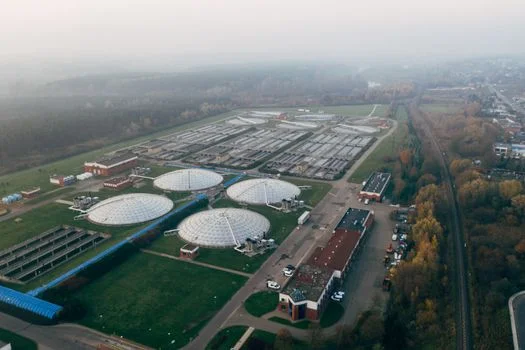
Selecting the optimal biological wastewater treatment technology for developer wastewater requires a comprehensive comparison across several critical parameters, including performance, footprint, cost, and maintenance. While all three systems—Biological Contact Oxidation (BCO), Membrane Bioreactor (MBR), and Activated Sludge (AS)—are capable of organic removal, their suitability varies significantly for specific industrial applications.
Activated sludge, the most conventional method, offers the lowest CapEx but requires a large footprint and can struggle with the high surfactant concentrations common in developer wastewater, leading to foaming and poor sludge settleability. MBR systems provide superior effluent quality, often suitable for direct reuse, and have a compact footprint. However, MBRs incur significantly higher CapEx and OpEx due to membrane costs and energy for aeration and membrane scouring, and they are still susceptible to membrane fouling, albeit to a lesser extent than direct RO. For developer wastewater applications, particularly those aiming for reuse-quality effluent, MBR systems for reuse-quality effluent are an option, but BCO often presents a more balanced solution.
BCO strikes a balance between performance and cost-effectiveness. It offers a compact footprint, significantly smaller than activated sludge, and robust organic removal capabilities. While its effluent quality is not typically suitable for direct reuse without further advanced treatment (like UF or RO), it excels as a pretreatment step, especially for RO systems, due to its ability to reduce fouling potential. BCO systems are also less susceptible to foaming issues from surfactants compared to activated sludge, and they have lower energy demands and maintenance requirements than MBRs. For developer wastewater with high COD (500–3,000 mg/L) where RO pretreatment and discharge compliance (e.g., GB 8978-1996) are primary goals, BCO frequently outperforms activated sludge for surfactant-laden streams and MBR for cost-sensitive projects that do not require ultra-pure reuse quality immediately after biological treatment. For advanced reuse, BCO can be effectively paired with UF systems for developer wastewater reuse.
| Parameter | Biological Contact Oxidation (BCO) | Membrane Bioreactor (MBR) | Activated Sludge (AS) |
|---|---|---|---|
| COD Removal | 92–97% | 95–99% | 80–90% |
| Footprint | Compact (0.5–1.0 m²/m³/day) | Very Compact (0.2–0.5 m²/m³/day) | Large (1.0–2.0 m²/m³/day) |
| CapEx | Medium ($500–$1,200/m³/day) | High ($1,500–$2,500/m³/day) | Low ($300–$800/m³/day) |
| OpEx | Low ($0.10–$0.25/m³) | High ($0.30–$0.60/m³) | Medium ($0.15–$0.35/m³) |
| Energy Use | Medium (0.3–0.5 kWh/m³) | High (0.5–1.0 kWh/m³) | Medium (0.2–0.4 kWh/m³) |
| Membrane Fouling Risk (RO) | Low (SDI <3) | Very Low (SDI <1) | High (SDI >5, requires significant post-treatment) |
| Maintenance | Moderate (filler cleaning, aeration checks) | High (membrane cleaning/replacement, aeration) | Moderate (sludge management, aeration) |
| Scalability | Modular, good scalability | Modular, excellent scalability | Good scalability, but larger land requirement |
Troubleshooting Common BCO Issues in Developer Wastewater Treatment
Effective operation of a biological contact oxidation system for developer wastewater requires proactive monitoring and rapid troubleshooting of common issues to maintain consistent performance and prevent costly downtime. Understanding the symptoms, underlying causes, and appropriate fixes is essential for facility managers and operators.
- Symptom: Biofilm sloughing excessively.
- Cause: High shear stress from excessive aeration or sudden pH shock. Rapid changes in organic loading or toxic influent can also cause biofilm detachment.
- Fix: Reduce aeration rate to 0.2 m³/m²·min to minimize shear. Implement pH buffering or automatic chemical dosing to stabilize influent pH (e.g., using a PLC-controlled dosing system). Monitor influent for sudden spikes in organic concentration or presence of biocides.
- Symptom: Filler material clogging.
- Cause: High total suspended solids (TSS) in the influent, accumulation of non-biodegradable surfactants, or excessive biofilm growth that restricts flow pathways.
- Fix: Implement regular backwashing with air scour at 0.5 m³/m²·min for 5 minutes to dislodge accumulated solids and excess biofilm. For polyurethane sponge, a more intensive cleaning or replacement every 3–5 years may be necessary. Consider enhanced upstream physical treatment (e.g., DAF) if influent TSS remains consistently high.
- Symptom: Low COD removal efficiency.
- Cause: Insufficient dissolved oxygen (DO) levels, inadequate hydraulic retention time (HRT), low nutrient availability, or toxic influent impacting microbial activity.
- Fix: Increase aeration rate to 0.4 m³/m²·min to ensure DO levels are maintained at 2–4 mg/L. If HRT is below design specifications, adjust flow rates or consider expanding reactor volume. Check for nutrient deficiencies (e.g., N, P) and supplement if necessary. Investigate potential toxic components in the influent that may be inhibiting microbial metabolism.
- Symptom: Odor generation (e.g., H₂S).
- Cause: Anaerobic conditions developing within the reactor due to insufficient aeration or localized dead zones.
- Fix: Increase aeration intensity or optimize diffuser placement to ensure uniform oxygen distribution. Address any filler clogging that might impede oxygen transfer.
Frequently Asked Questions
Engineers and procurement teams evaluating BCO systems for developer wastewater frequently ask specific questions regarding its application and performance.
What’s the optimal HRT for developer wastewater BCO systems?
An optimal hydraulic retention time (HRT) for developer wastewater BCO systems is typically 4–8 hours, achieving 95% COD removal at influent COD 500–3,000 mg/L (EPA 2024 benchmarks). This range balances treatment efficiency with economic footprint requirements.
Does BCO meet GB 8978-1996 standards for industrial discharge?
Yes, BCO effluent COD ≤100 mg/L, BOD ≤30 mg/L, and TSS ≤70 mg/L typically complies with GB 8978-1996 standards for industrial wastewater discharge (Class I or II, depending on specific industry and local regulations). Further polishing may be required for Class III or direct reuse.
How does BCO prevent RO membrane fouling in developer wastewater?
BCO prevents RO membrane fouling by effectively removing 92–97% of organic pollutants (COD) and 70–85% of total suspended solids (TSS) from developer wastewater. This reduces the organic load and particulate matter that cause scaling and biofouling on RO membranes, leading to an effluent SDI <3 and extending membrane lifespan by 60%.
What are the main advantages of PVDF modules over polyurethane sponge as BCO filler media?
PVDF modules offer higher durability, superior chemical resistance to aggressive developer wastewater components, and better resistance to clogging compared to polyurethane sponge. While they have a higher capital cost, their longer lifespan and reduced maintenance can lead to lower overall lifecycle costs for challenging developer wastewater applications.
What is the typical ROI for an industrial BCO system?
For industrial BCO systems treating over 100 m³/day of developer wastewater, the typical return on investment (ROI) or payback period is 18–36 months. This is primarily driven by significant savings in RO membrane replacement costs, reduced chemical cleaning frequency, and lower operational labor.
Can BCO handle high surfactant concentrations in developer wastewater?
BCO systems are significantly more resilient to surfactant concentrations (up to 300 mg/L) than conventional activated sludge systems. The attached biofilm structure provides a stable environment for microorganisms to acclimate and degrade surfactants, minimizing foaming and maintaining treatment efficiency.