Hospital Wastewater Treatment in Mumbai: CPCB Compliance & Advanced Solutions
Hospital wastewater treatment in Mumbai is a critical process, demanding specialized systems to effectively remove infectious agents, pharmaceuticals, and other hazardous contaminants before discharge. Compliance with Central Pollution Control Board (CPCB) and Maharashtra Pollution Control Board (MPCB) guidelines often necessitates advanced technologies like Membrane Bioreactors (MBR) or chlorine dioxide (ClO₂) disinfection to safeguard public health and the environment. This article provides engineering insights into the unique challenges of hospital wastewater in Mumbai, addresses CPCB/MPCB compliance parameters, compares advanced treatment technologies suitable for urban space constraints, and offers a decision framework for hospital administrators.Understanding Hospital Wastewater in Mumbai: Unique Challenges & Importance
Hospital wastewater is a complex and highly contaminated effluent stream, distinctly different from domestic sewage, posing significant public health and environmental risks if not rigorously treated. It includes a diverse array of hazardous substances:- Pathogens: High concentrations of pathogenic bacteria, viruses (including those causing respiratory and gastrointestinal infections, and emerging viruses like SARS-CoV-2), fungi, and parasites. These originate from patient care, laboratories, and general hospital activities.
- Pharmaceuticals: Residues of antibiotics, chemotherapy drugs, hormones, anti-inflammatory drugs, and various other medications. These are often recalcitrant to conventional biological treatment.
- Heavy Metals: Traces of mercury, silver, lead, and other metals from dental clinics, laboratories, and medical equipment.
- Radioactive Isotopes: Low-level radioactive waste from nuclear medicine departments used in diagnostics and therapy.
- Disinfectants & Chemicals: High levels of disinfectants, cleaning agents, and other chemical reagents used in hospital sanitation and laboratories.
- Organic Matter: High biochemical oxygen demand (BOD) and chemical oxygen demand (COD) from human waste, food waste, and other organic materials.
CPCB & MPCB Regulations for Hospital Wastewater Treatment in India
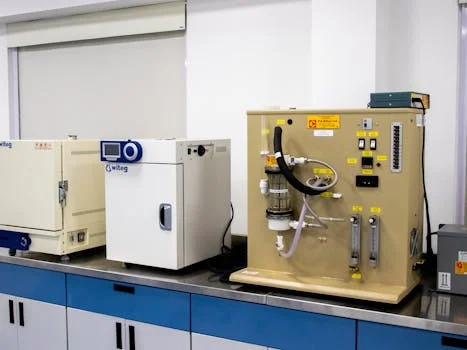
Table 1: CPCB Discharge Standards for Hospital Effluent (Typical Parameters)
| Parameter | Discharge Limit (mg/L, unless otherwise specified) |
|---|---|
| pH | 6.5 - 8.5 |
| Biochemical Oxygen Demand (BOD₅ @ 20°C) | < 30 |
| Chemical Oxygen Demand (COD) | < 250 |
| Total Suspended Solids (TSS) | < 100 |
| Oil & Grease | < 10 |
| Ammoniacal Nitrogen | < 50 |
| Total Coliform (MPN/100 mL) | < 10 (for discharge into sensitive areas or for reuse) |
| Fecal Coliform (MPN/100 mL) | < 10 (for discharge into sensitive areas or for reuse) |
| Residual Chlorine | < 1.0 |
| Lead | < 0.1 |
| Cadmium | < 0.01 |
| Mercury | < 0.001 |
Essential Stages of Hospital Wastewater Treatment Systems
A robust hospital wastewater treatment system typically incorporates a multi-stage process, each designed to progressively remove specific contaminants and ensure the effluent meets stringent discharge standards. The complexity and number of stages depend on the raw wastewater characteristics and the required effluent quality.Pre-treatment
The initial stage involves removing large, coarse solids and balancing the wastewater flow. Effective screening is essential for hospital wastewater. Diverse solid waste, including rags, plastics, and medical disposables, can damage downstream equipment. This is typically achieved using coarse bar screens followed by fine screens (e.g., rotary mechanical bar screens). Grit chambers remove sand, gravel, and other inert materials. An equalization tank then balances fluctuations in flow rate and pollutant load, ensuring a consistent feed to subsequent treatment stages and preventing shock loads to biological processes.
Primary Treatment
Primary treatment focuses on removing suspended solids and oil/grease. This is primarily achieved through physical processes such as sedimentation, where heavier solids settle by gravity in clarifiers. For hospital wastewater, which often contains emulsified oils, fats, and greases (FOG), dissolved air flotation (DAF) can be employed for enhanced primary treatment. DAF works by introducing fine air bubbles that attach to suspended particles and FOG, causing them to float to the surface for skimming.
Secondary (Biological) Treatment
This stage targets the removal of dissolved and colloidal organic matter (BOD, COD) and nutrients like nitrogen through biological processes. Common technologies include:
- Activated Sludge: A conventional process where microorganisms in an aeration tank consume organic pollutants.
- Moving Bed Biofilm Reactor (MBBR): Utilizes plastic carriers with high surface areas for microbial growth, offering compact design and resilience to load variations.
- Membrane Bioreactor (MBR): An advanced biological treatment combining activated sludge with membrane filtration (microfiltration or ultrafiltration). MBR systems, such as the MBR integrated wastewater treatment system, produce exceptionally high-quality effluent suitable for reuse, have a significantly smaller footprint compared to conventional systems, and effectively retain biomass, making them ideal for space-constrained urban environments like Mumbai. MBR excels at removing suspended solids, bacteria, and even some viruses, surpassing the performance of conventional secondary treatment.
Tertiary Treatment
Tertiary treatment further polishes the effluent to meet specific discharge or reuse standards, often targeting persistent contaminants. This can involve:
- Advanced Filtration: Dual media filters (e.g., sand and anthracite) remove fine suspended solids. Activated carbon filters are highly effective for adsorbing residual organic pollutants, color, odor, and particularly pharmaceutical residues and other micropollutants that are not fully removed by biological processes.
- Nutrient Removal: Specific processes like denitrification can be added if stringent nitrogen and phosphorus limits are required.
Disinfection
Disinfection is the critical final step for hospital wastewater. It eliminates pathogenic microorganisms and ensures the treated water is safe for discharge or reuse. Common disinfection methods include:
- Chlorine Dioxide (ClO₂): A potent disinfectant that is highly effective against a broad spectrum of pathogens, including bacteria, viruses, and cysts. Chlorine dioxide generators offer advantages in hospital settings due to their ability to penetrate biofilms and effectively oxidize pharmaceutical residues, and they produce fewer harmful disinfection byproducts compared to conventional chlorination.
- Ozone (O₃): A powerful oxidant that effectively inactivates pathogens and can also degrade complex organic compounds, including some pharmaceutical traces.
- Ultraviolet (UV) Radiation: Non-chemical disinfection that inactivates microorganisms by damaging their DNA, preventing reproduction. UV is effective but requires clear water to be fully efficient.
Sludge Management
All wastewater treatment processes generate sludge, a concentrated byproduct of removed contaminants. Effective sludge management is essential. This typically involves sludge thickening to reduce volume, followed by dewatering using technologies like plate and frame filter presses or centrifuges. The dewatered sludge, which may contain concentrated hazardous materials, must then be safely disposed of in accordance with environmental regulations, often requiring specialized handling for medical waste. With these stages in mind, selecting the optimal treatment system for a Mumbai facility requires careful consideration.
Choosing the Right Hospital Wastewater Treatment Plant for Mumbai Facilities
Capacity Requirements
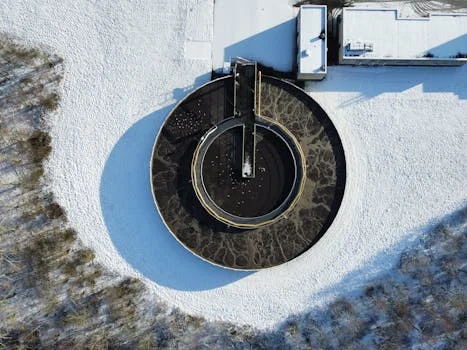
The size of the treatment plant is primarily determined by the hospital's wastewater generation rate. This is typically estimated based on the number of beds, patient occupancy rates, and water consumption patterns. A common range for hospital wastewater generation is 0.2 to 0.5 cubic meters per bed per day (m³/bed/day). For example, a 100-bed hospital might generate between 20 to 50 m³/day of wastewater, requiring a system designed to handle this specific flow and associated pollutant load.
Space Constraints
Mumbai's high population density and premium on land make space a critical consideration. Compact and modular solutions are highly advantageous. Technologies like Membrane Bioreactors (MBR) offer significantly smaller footprints compared to conventional activated sludge systems for the same treatment capacity. Underground package sewage treatment plants for hospitals (WSZ series) are another excellent option, allowing the treatment facility to be hidden beneath parking lots or green spaces, maximizing available surface area. These integrated systems minimize civil construction work and installation time.
Effluent Quality & Reuse Potential
While meeting CPCB and MPCB discharge limits is the minimum requirement, hospitals should evaluate the potential for treated water reuse. High-quality effluent, particularly from MBR systems, can be safely reused for non-potable purposes such as gardening, toilet flushing, cooling tower make-up, and even laundry. Implementing water recycling reduces fresh water consumption, leading to significant operational savings and contributing to the hospital's sustainability goals.
Operational & Maintenance Costs
Beyond the initial Capital Expenditure (CAPEX), long-term Operational Expenditure (OPEX) is a major consideration. OPEX includes energy consumption (aeration, pumping), chemical usage (disinfectants, coagulants), labor requirements, and maintenance costs (membrane cleaning/replacement, equipment servicing). Automated and well-designed plants, such as a compact medical wastewater treatment system, can significantly reduce labor and chemical costs, improving overall economic viability. When evaluating technologies, it is essential to consider the total lifecycle cost, including potential savings from water reuse.
Technology Selection
A decision framework comparing various technologies is essential for hospital applications, considering their unique contaminant profiles.
Table 2: Hospital Wastewater Treatment Technology Comparison for Mumbai Facilities
| Feature | Conventional Activated Sludge | Moving Bed Biofilm Reactor (MBBR) | Membrane Bioreactor (MBR) |
|---|---|---|---|
| Footprint | Large | Medium-Large (more compact than conventional) | Smallest (ideal for Mumbai's space constraints) |
| Effluent Quality | Good (meets basic CPCB) | Very Good (meets CPCB, better TSS/BOD) | Excellent (superior TSS, BOD, pathogen removal; suitable for reuse) |
| Pathogen Removal | Requires robust tertiary disinfection | Requires robust tertiary disinfection | High (membrane acts as physical barrier), still requires final disinfection |
| Pharmaceutical Removal | Limited | Limited to moderate | Moderate (enhanced biological degradation & membrane retention) |
| Operational Complexity | Moderate | Moderate | Higher (membrane cleaning, monitoring) |
| CAPEX | Lowest | Medium | Highest (due to membrane cost) |
| OPEX | Medium (higher sludge volume) | Medium | Medium (higher energy for aeration/pumping, lower sludge volume) |
| Sludge Production | Higher | Medium | Lower (longer sludge retention time) |
Benefits of an Advanced Hospital Wastewater Treatment System in Mumbai
Investing in an advanced hospital wastewater treatment system in Mumbai delivers multifaceted benefits, extending beyond mere compliance to encompass public health, environmental stewardship, and significant operational advantages. A robust and well-designed system ensures that medical facilities operate responsibly and sustainably within the urban environment. Firstly, it guarantees full CPCB and MPCB regulatory compliance, effectively mitigating the risk of substantial fines, legal liabilities, and operational disruptions. This adherence protects the hospital's reputation and ensures its license to operate. Secondly, and most critically, it safeguards public health by preventing the discharge of pathogens and hazardous contaminants into Mumbai's crowded waterways, thereby curbing the spread of waterborne diseases and limiting the proliferation of antimicrobial resistance in the environment. Environmentally, treating hospital wastewater reduces the pollution burden on local ecosystems, protecting aquatic life and soil quality. Advanced systems often enable water recycling and reuse within the hospital premises. Treated effluent can be safely utilized for non-potable applications such as landscaping, toilet flushing, and cooling towers, leading to a significant reduction in fresh water consumption and substantial operational savings. This also enhances the hospital's brand reputation and demonstrates strong corporate social responsibility. Finally, well-designed, automated plants minimize operational risks, improve system reliability, and reduce the need for manual intervention, ensuring consistent performance and peace of mind for facility managers.Frequently Asked Questions
How is hospital wastewater treated?
Hospital wastewater is treated through a multi-stage process typically involving pre-treatment (screening, equalization), primary treatment (sedimentation, flotation), secondary biological treatment (e.g., activated sludge, MBBR, MBR), tertiary treatment (filtration, activated carbon), and critical final disinfection (e.g., chlorine dioxide, ozone, UV) to remove pathogens and contaminants.
What are the specific CPCB standards for hospital effluent in India?
CPCB standards for hospital effluent are stringent, typically requiring BOD < 30 mg/L, COD < 250 mg/L, TSS < 100 mg/L, pH between 6.5-8.5, and very low coliform counts (< 10 MPN/100 mL) for discharge into sensitive areas or for reuse. Specific limits for heavy metals and residual chlorine also apply.
What are the best technologies for hospital wastewater treatment in space-constrained areas like Mumbai?
For space-constrained areas, Membrane Bioreactor (MBR) systems and underground package sewage treatment plants are highly recommended. MBR offers a significantly smaller footprint and produces high-quality effluent, while underground units allow for hidden installation beneath existing infrastructure.
What are the operational costs associated with a hospital STP?
Operational costs (OPEX) for a hospital STP include energy consumption (for pumps, blowers), chemical usage (for disinfection, pH adjustment), labor for operation and maintenance, and sludge disposal costs. Advanced systems often have higher CAPEX but can lead to lower OPEX through automation and water reuse.
How can hospitals ensure their wastewater treatment system is compliant and efficient?
Hospitals can ensure compliance and efficiency by selecting a system designed to meet or exceed CPCB/MPCB norms, partnering with a reputable manufacturer for installation and maintenance, implementing regular monitoring and reporting, and exploring automation features to optimize performance and reduce manual intervention.