In Uganda, wastewater treatment plant costs vary widely by scale and technology. For a 500 m³/day industrial plant, CAPEX ranges from UGX 1.2B–3.5B (€280K–820K), with OPEX of UGX 15M–40M/month (€3.5K–9.3K), depending on whether you choose conventional activated sludge (lower CAPEX, higher OPEX) or MBR systems (higher CAPEX, 60% smaller footprint). Municipal-scale plants like Bugolobi (45M L/day) cost €29M+ but generate 630kW of power, offsetting OPEX. Key cost drivers include NEMA compliance (20–30% of CAPEX), land acquisition (UGX 50M–200M/acre in Kampala), and equipment origin (local vs. imported).
Why Wastewater Treatment Plant Costs in Uganda Are Hard to Pin Down
Vague cost estimates are a common source of frustration for industrial facility managers and municipal engineers in Uganda. A Ugandan food processor, for instance, reported being quoted UGX 800M (€187K) for a 300 m³/day plant by one supplier and UGX 2.1B (€490K) by another—for the same nominal capacity but employing vastly different technologies. This disparity highlights the critical need for a transparent, data-driven breakdown of wastewater treatment plant costs in Uganda.
The five biggest cost drivers for industrial wastewater treatment in Uganda are plant scale, the chosen treatment technology, strict NEMA compliance standards, land acquisition costs, and the origin of the equipment (local versus imported). Most online resources, including top search results, focus almost exclusively on large-scale municipal projects exceeding €20M, such as the Bugolobi or Nalukolongo plants. This leaves a significant gap for the estimated 80% of Ugandan buyers who require plants under 2,000 m³/day, particularly those in food processing, manufacturing, and hospitality sectors.
This guide aims to bridge that gap by providing a detailed, actionable breakdown of CAPEX and OPEX by plant size, technology, and compliance scenario. It incorporates real-world benchmarks from Ugandan projects, NEMA fee schedules, and insights into local market dynamics to help procurement teams budget accurately and select the optimal equipment for their specific needs.
Wastewater Treatment Plant CAPEX in Uganda: 2026 Breakdown by Plant Size and Technology
Accurate CAPEX estimation is crucial for any wastewater treatment project in Uganda, as it represents the initial significant investment. This section provides a detailed breakdown of capital expenditure based on plant size and primary treatment technology, incorporating equipment, civil works, installation, and NEMA compliance costs. For a 1,000 m³/day conventional activated sludge plant, CAPEX typically ranges from UGX 3.2B–4.5B (€750K–1.05M), whereas a more advanced MBR system for the same capacity will cost UGX 4.8B–6.2B (€1.1M–1.45M) due to the specialized membrane modules and enhanced treatment capabilities (HydropureWater product specs, 2026).
Table 1: Estimated Wastewater Treatment Plant CAPEX in Uganda (2026)
| Plant Size (m³/day) | Technology Type | Equipment (UGX Billion / € Million) | Civil Works (UGX Billion / € Million) | Installation (UGX Million / € Thousand) | NEMA Compliance (UGX Million / € Thousand) | Total CAPEX (UGX Billion / € Million) |
|---|---|---|---|---|---|---|
| 300 (Industrial) | Conventional Activated Sludge | 0.7 - 1.0 / 0.16 - 0.23 | 0.3 - 0.5 / 0.07 - 0.12 | 150 - 250 / 35 - 58 | 200 - 300 / 47 - 70 | 1.35 - 2.05 / 0.31 - 0.48 |
| 300 (Industrial) | MBR System | 1.2 - 1.6 / 0.28 - 0.37 | 0.2 - 0.4 / 0.05 - 0.09 | 200 - 350 / 47 - 82 | 300 - 450 / 70 - 105 | 1.9 - 2.8 / 0.44 - 0.65 |
| 1,000 (Industrial) | Conventional Activated Sludge | 1.8 - 2.5 / 0.42 - 0.58 | 0.8 - 1.2 / 0.19 - 0.28 | 400 - 600 / 93 - 140 | 500 - 800 / 117 - 187 | 3.5 - 5.1 / 0.82 - 1.19 |
| 1,000 (Industrial) | MBR System | 2.8 - 3.8 / 0.65 - 0.89 | 0.6 - 0.9 / 0.14 - 0.21 | 500 - 800 / 117 - 187 | 700 - 1.1B / 164 - 257 | 4.6 - 6.6 / 1.07 - 1.54 |
| 1,000 (Industrial) | DAF System (Pre-treatment) | 0.9 - 1.3 / 0.21 - 0.30 | 0.2 - 0.3 / 0.05 - 0.07 | 180 - 280 / 42 - 65 | 250 - 400 / 58 - 93 | 1.53 - 2.28 / 0.36 - 0.53 |
| 5,000 (Municipal) | Conventional Activated Sludge | 7.0 - 10.0 / 1.64 - 2.34 | 3.0 - 4.5 / 0.70 - 1.05 | 1.5 - 2.5 / 0.35 - 0.58 | 1.8 - 3.0 / 0.42 - 0.70 | 13.3 - 20.0 / 3.11 - 4.67 |
Note: Conversions based on 1 EUR = 4280 UGX (approx. 2024 average). NEMA compliance costs are estimated at 20-30% of total project costs, depending on complexity.
Land acquisition costs are a significant, variable component of CAPEX. In prime locations like Kampala, suitable land for a wastewater treatment plant can cost UGX 150M–200M/acre (€35K–47K/acre), while in less urbanized areas such as Jinja or Mbarara, the cost drops to UGX 30M–50M/acre (€7K–12K/acre). This geographical variance directly impacts the overall project budget.
The origin of equipment also plays a critical role in CAPEX. Procuring from local suppliers or Ugandan distributors of international brands like HydropureWater can reduce CAPEX by 15–20% compared to direct imports from Europe or China, primarily due to lower shipping, customs, and import duties. However, direct imports might offer greater customization options or access to proprietary technologies, though they often come with longer lead times and higher upfront costs (HydropureWater market analysis, 2025). Utilizing compact solutions like the WSZ underground sewage treatment plant for small-to-medium projects in Uganda can significantly reduce land footprint, thereby lowering acquisition costs.
OPEX for Ugandan Wastewater Treatment Plants: What Drives Monthly Costs?
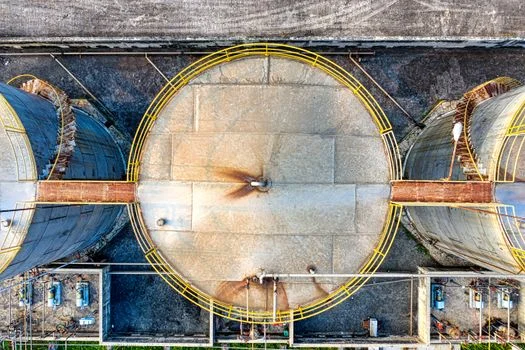
Operational expenditure (OPEX) accounts for the ongoing costs of running a wastewater treatment plant, and accurate budgeting for these expenses is essential for long-term sustainability. Energy consumption is often the largest component of OPEX for wastewater treatment plants in Uganda, with MBR plants consuming 0.8–1.2 kWh/m³ (leading to energy costs of UGX 40M–60M/month or €9.3K–14K for a 2,000 m³/day plant), while conventional activated sludge plants are less energy-intensive at 0.4–0.6 kWh/m³ (UGX 20M–30M/month or €4.7K–7K for the same capacity) (UMEME 2024 rates, HydropureWater product manuals).
Table 2: Estimated Monthly OPEX for Wastewater Treatment Plants in Uganda (2026)
| Plant Size (m³/day) | Technology Type | Energy (UGX Million / € Thousand) | Chemicals (UGX Million / € Thousand) | Labor (UGX Million / € Thousand) | Sludge Disposal (UGX Million / € Thousand) | Maintenance (UGX Million / € Thousand) | Total Monthly OPEX (UGX Million / € Thousand) |
|---|---|---|---|---|---|---|---|
| 500 (Industrial) | Conventional Activated Sludge | 10 - 15 / 2.3 - 3.5 | 3 - 5 / 0.7 - 1.2 | 2 - 3 / 0.5 - 0.7 | 1 - 2 / 0.2 - 0.5 | 1 - 2 / 0.2 - 0.5 | 17 - 27 / 4.0 - 6.3 |
| 500 (Industrial) | MBR System | 20 - 30 / 4.7 - 7.0 | 5 - 8 / 1.2 - 1.9 | 2 - 3 / 0.5 - 0.7 | 1 - 2 / 0.2 - 0.5 | 2 - 3 / 0.5 - 0.7 | 30 - 46 / 7.0 - 10.7 |
| 2,000 (Industrial) | Conventional Activated Sludge | 20 - 30 / 4.7 - 7.0 | 8 - 12 / 1.9 - 2.8 | 3 - 5 / 0.7 - 1.2 | 4 - 6 / 0.9 - 1.4 | 3 - 5 / 0.7 - 1.2 | 38 - 58 / 8.9 - 13.5 |
| 2,000 (Industrial) | MBR System | 40 - 60 / 9.3 - 14.0 | 12 - 18 / 2.8 - 4.2 | 3 - 5 / 0.7 - 1.2 | 4 - 6 / 0.9 - 1.4 | 5 - 8 / 1.2 - 1.9 | 64 - 97 / 15.0 - 22.7 |
| 10,000 (Municipal) | Conventional Activated Sludge | 100 - 150 / 23.4 - 35.0 | 30 - 50 / 7.0 - 11.7 | 8 - 12 / 1.9 - 2.8 | 20 - 30 / 4.7 - 7.0 | 10 - 15 / 2.3 - 3.5 | 168 - 257 / 39.3 - 60.0 |
Note: Conversions based on 1 EUR = 4280 UGX. Energy costs based on average industrial tariff. Sludge disposal costs vary by volume and method. Maintenance is annualized and then divided by 12.
Chemical costs are another significant factor, particularly for processes requiring pH adjustment, coagulation, flocculation, or disinfection using systems like a chlorine dioxide generator. Sludge disposal costs are often underestimated but can be substantial. Landfilling treated sludge in Kampala typically costs UGX 120K–180K/ton (€28–42/ton). However, innovative approaches like composting, which converts sludge into nutrient-rich soil amendments for urban farmers, can reduce disposal costs by 30–40% while also generating potential revenue (Bugolobi plant OPEX data, 2024). Specialized equipment like a plate and frame filter press can significantly reduce sludge volume, thereby lowering disposal frequency and costs.
Labor costs are relatively stable but scale with plant complexity and size. A 1,000 m³/day plant typically requires 2–3 skilled operators, incurring UGX 3M–5M/month (€700–1.2K/month) in total wages. A larger 5,000 m³/day plant, on the other hand, needs 5–7 operators, pushing monthly labor costs to UGX 8M–12M (€1.9K–2.8K/month). Regular maintenance, including spare parts and preventive servicing, is crucial to prevent costly downtime and typically accounts for 5-10% of total annual OPEX, depending on the technology and equipment quality.
Uganda-Specific Cost Drivers: Compliance, Permits, and Hidden Fees
Navigating the regulatory landscape in Uganda adds specific cost drivers that are often overlooked in initial budget planning, leading to potential overruns. NEMA (National Environment Management Authority) compliance is a critical factor, with costs including effluent testing fees ranging from UGX 500K–1M (€117–234) per sample, depending on the number of parameters and laboratory. Environmental Impact Assessments (EIAs), mandatory for most industrial and municipal projects, typically cost UGX 5M–15M (€1.2K–3.5K), influenced by project scale and environmental sensitivity. Additionally, annual permit renewal fees for wastewater discharge range from UGX 2M–5M (€470–1.2K), ensuring ongoing adherence to national effluent standards (NEMA 2024 fee schedules).
Permitting timelines also impact project budgets by extending the overall project duration. NEMA approval for small-to-medium industrial plants can take 3–6 months, while larger municipal or complex industrial projects may require 6–12 months for full approval. These extended timelines can add 10–20% to project timelines, incurring additional indirect costs such as project management overheads and delayed operational revenue.
Land acquisition, as previously discussed, is a major CAPEX component, but there are hidden fees and challenges. Kampala’s intense land scarcity and high demand mean prices can reach UGX 50M–200M/acre (€12K–47K/acre), requiring extensive due diligence and potentially legal fees for acquisition. Even in rural areas, soil testing (UGX 2M–5M or €470–1.2K) may be required to assess suitability for civil works and ensure structural integrity, adding to preliminary costs.
Financing costs are another crucial, Uganda-specific consideration. Local commercial banks typically charge 18–22% interest rates for project financing, including green projects, making long-term loans a significant OPEX component. While international development banks like the African Development Bank (AfDB) and European Union (EU) offer grants or concessional loans (e.g., for the Kampala Sanitation Programme), these often require 20–30% co-financing from the project proponent, necessitating careful financial planning and stakeholder engagement.
3 Cost Scenarios: Small Industrial, Medium Municipal, and Large-Scale Plants
To provide actionable insights, this section outlines three distinct wastewater treatment plant cost scenarios common in Uganda, enabling industrial buyers and municipal planners to quickly benchmark their project against comparable examples. A 300 m³/day WSZ underground sewage treatment plant, for example, represents a small industrial solution with a CAPEX of approximately UGX 1.2B (€280K), fitting within a compact 50 m² footprint and designed to meet NEMA’s Class B effluent standards. In contrast, a 2,000 m³/day MBR plant, suited for medium municipal or large industrial applications, has a CAPEX of around UGX 5.5B (€1.28M) and meets NEMA Class A standards, allowing for water reuse (HydropureWater product specs, NEMA standards 2024).
Table 3: Wastewater Treatment Plant Cost Scenarios in Uganda (2026)
| Scenario | Plant Size (m³/day) | Technology | Estimated CAPEX (UGX Billion / € Million) | Estimated Monthly OPEX (UGX Million / € Thousand) | Footprint (m²) | Compliance Level (NEMA) | Key ROI Drivers |
|---|---|---|---|---|---|---|---|
| 1. Small Industrial | 300 | WSZ Underground (MBR option) | 1.2 - 2.0 / 0.28 - 0.47 | 25 - 40 / 5.8 - 9.3 | 50 - 80 | Class B (reuse for non-potable) | Avoided fines, land savings, potential for water reuse for irrigation. |
| 2. Medium Municipal / Large Industrial | 2,000 | MBR System | 4.5 - 6.5 / 1.05 - 1.52 | 60 - 90 / 14.0 - 21.0 | 400 - 600 | Class A (high-quality reuse) | High-quality water reuse, reduced sludge volume, enhanced public image. |
| 3. Large-Scale Municipal | 10,000 | Conventional Activated Sludge + Biogas | 18.0 - 25.0 / 4.2 - 5.8 | 150 - 220 / 35.0 - 51.4 | 2,000 - 3,000 | Class B (discharge to water bodies) | Significant power generation (e.g., 630kW at Bugolobi), sludge valorization (fertilizer), large-scale sanitation. |
Note: Conversions based on 1 EUR = 4280 UGX. Footprint estimates vary by specific design and site conditions. ROI is highly dependent on local market conditions and operational efficiency.
Return on Investment (ROI) for wastewater treatment plants in Uganda is driven by several factors beyond mere compliance. For large municipal plants, power generation, such as Bugolobi’s 630kW capacity, can offset 30–50% of OPEX by reducing reliance on grid electricity. For industrial users, water reuse—for processes, cooling towers, or irrigation—can generate UGX 5M–15M/month (€1.2K–3.5K/month) in revenue by reducing reliance on municipal water supply. Sludge valorization through composting or biogas production also offers economic benefits and reduces disposal costs.
The choice between modular and custom-built plants also influences cost and flexibility. Modular plants, such as the WSZ Series, can reduce CAPEX by 20–30% due to standardized designs and faster installation. However, they might require more significant upgrades for future expansion or sudden changes in effluent characteristics. Custom-built solutions offer greater flexibility and scalability but come with higher upfront design and construction costs.
How to Select the Right Wastewater Treatment Equipment for Your Uganda Project
Selecting the appropriate wastewater treatment equipment for a project in Uganda requires a structured decision-making process that balances compliance, footprint, budget, and future expansion needs. If your primary priority is achieving stringent NEMA Class A effluent standards for direct discharge or high-quality reuse, then advanced MBR systems for high-efficiency wastewater treatment in Uganda are the ideal choice due to their superior filtration capabilities. If a compact footprint is critical due to high land costs or limited space, an underground WSZ integrated sewage treatment plant offers significant advantages. Conversely, if initial capital budget is the tightest constraint, a conventional activated sludge system, while requiring more land, presents a lower upfront investment.
Matching equipment to specific wastewater characteristics is also paramount. Food processors, for instance, often deal with high levels of fats, oils, and grease (FOG) and suspended solids, necessitating specialized DAF systems for industrial wastewater with high FOG or TSS loads as a crucial pre-treatment step. Hospitals and clinics, on the other hand, require robust disinfection and pathogen removal, making compact medical wastewater treatment for Ugandan clinics and hospitals essential for public health compliance, aligning with hospital wastewater treatment compliance in East Africa.
Supplier selection plays a vital role in project success. Local suppliers and established Ugandan distributors of international brands like HydropureWater typically offer faster support, readily available spare parts, and better understanding of local regulatory nuances. However, their stock might be limited, potentially leading to longer lead times for specialized components. Direct imports can offer greater customization and access to the latest global technologies but involve longer shipping times, higher import duties, and potentially more complex after-sales service.
When engaging with suppliers, ask these five critical questions to ensure comprehensive evaluation:
- What is the lead time for equipment delivery and installation?
- Do you provide full NEMA compliance documentation and support for permitting?
- What is the estimated energy consumption (kWh/m³) for my specific flow rate and effluent quality targets?
- What are the projected sludge disposal costs and options for sludge valorization?
- Do you offer financing options, leasing arrangements, or support for grant applications?
Frequently Asked Questions
What is the average cost of a small industrial wastewater treatment plant in Uganda?
For a 300-500 m³/day industrial plant in Uganda, CAPEX typically ranges from UGX 1.2B–3.5B (€280K–820K), depending on technology (conventional vs. MBR) and civil works requirements. Monthly OPEX is usually between UGX 15M–40M (€3.5K–9.3K).
How much does NEMA compliance add to wastewater treatment plant costs?
NEMA compliance, including Environmental Impact Assessments, effluent testing, and annual permit fees, can add 20–30% to the total CAPEX of a wastewater treatment plant project in Uganda, alongside significant permitting timelines.
Are MBR systems more expensive than conventional activated sludge in Uganda?
Yes, MBR systems generally have a 30-50% higher CAPEX than conventional activated sludge due to the cost of membrane modules. However, they offer a 60% smaller footprint, higher effluent quality (Class A), and often lower sludge production, leading to long-term OPEX savings.
What are the main OPEX drivers for wastewater treatment plants in Uganda?
The primary OPEX drivers are energy consumption (40-60%), chemical costs (15-25%), labor (10-15%), and sludge disposal (10-20%). Energy costs are particularly sensitive to plant technology and local electricity tariffs from UMEME.
Can wastewater treatment plants in Uganda generate revenue?
Yes, large municipal plants like Bugolobi generate electricity (e.g., 630kW) from biogas, offsetting OPEX. Industrial plants can generate revenue or savings through water reuse for non-potable applications (e.g., irrigation, cooling) and by selling or utilizing treated sludge as fertilizer, as explored in how Uganda’s costs compare to other African markets.