Chhattisgarh’s 2025 Sewage Treatment Challenges: Effluent Types, Compliance, and Cost Drivers
Chhattisgarh’s 2025 sewage treatment equipment market is shaped by CPCB’s revised discharge limits (BOD <30 mg/L, COD <250 mg/L) and Raipur’s Zero Liquid Discharge (ZLD) mandate for textile clusters. Suppliers must handle region-specific effluent challenges: Raipur’s high-COD textile wastewater (800–2,000 mg/L), Durg’s heavy metal-laden industrial effluent, and Bilaspur’s organic-heavy pharmaceutical wastewater. Package plants cost ₹5L–₹50L+, with MBR systems delivering near-reuse-quality effluent (<1 μm filtration) for ZLD compliance, while DAF systems target FOG and suspended solids in food processing applications.
The state's industrial hubs present distinct wastewater profiles. In Raipur, textile manufacturing generates effluents with high Chemical Oxygen Demand (COD) ranging from 800 to 2,000 mg/L, significantly impacted by dyes and finishing chemicals. Durg's metalworking industries face challenges with effluents containing heavy metals such as chromium (Cr), nickel (Ni), and lead (Pb), necessitating specialized treatment. Bilaspur's pharmaceutical and chemical manufacturing sectors often discharge wastewater with high organic loads and variable pH levels, requiring flexible and robust treatment systems. These localized challenges are compounded by national regulatory shifts. The Central Pollution Control Board (CPCB) has revised discharge standards for 2025, setting stricter limits for Biochemical Oxygen Demand (BOD) at under 30 mg/L and COD at under 250 mg/L (CPCB Notification No. G.S.R. 288(E), 2024). the Raipur Municipal Corporation’s (RMC) 2024 mandate for Zero Liquid Discharge (ZLD) in textile clusters, as detailed in RMC Circular No. 2024/ENV/03, imposes stringent requirements for water recycling and zero effluent discharge, with penalties including plant shutdowns and substantial fines for non-compliance.
The cost of sewage treatment equipment in Chhattisgarh for 2025 varies significantly based on capacity and technology. CapEx for package plants typically ranges from ₹5 Lakhs to ₹50 Lakhs+, with smaller modular systems starting around ₹8 Lakhs. Operational Expenditure (OPEX) includes costs for energy, chemicals, and sludge disposal, which can add substantially to the overall expense. Hidden costs, such as civil works for plant construction and land acquisition, must also be factored into project budgeting. Turnkey solutions offer a comprehensive, ready-to-operate system but often come with a higher initial investment compared to modular systems, which allow for phased expansion and customization but may require more in-house integration expertise.
| Industry Hub | Primary Effluent Characteristics (Typical) | Key Regulatory Mandates (2025) | Typical CapEx Range (Package Plant) |
|---|---|---|---|
| Raipur (Textile) | High COD (800–2,000 mg/L), Dyes, High BOD | CPCB BOD <30 mg/L, COD <250 mg/L; RMC ZLD Mandate | ₹15L – ₹50L+ (for ZLD compliance) |
| Durg (Metalworking) | Heavy Metals (Cr, Ni, Pb), High TSS, Variable pH | CPCB BOD <30 mg/L, COD <250 mg/L; Specific Heavy Metal Limits | ₹10L – ₹40L |
| Bilaspur (Pharmaceutical) | High Organic Load, Variable pH, Dissolved Solids, Potential Pathogens | CPCB BOD <30 mg/L, COD <250 mg/L; Pharma Effluent Standards | ₹12L – ₹45L |
Sewage Treatment Technologies for Chhattisgarh: Engineering Specs and Use-Case Matching
Selecting the appropriate sewage treatment technology is paramount for meeting Chhattisgarh's 2025 discharge standards and specific effluent challenges. Membrane Bioreactor (MBR) systems, with their ultra-fine filtration capabilities (0.1 μm PVDF membranes), are exceptionally suited for achieving near-reuse quality effluent, making them a prime choice for Raipur's stringent ZLD mandate. These systems typically offer COD and BOD removal rates of 95–99% and can reduce the footprint of conventional Sewage Treatment Plants (STPs) by up to 60%, a critical advantage for space-constrained industrial sites. For Durg's metalworking and food processing industries, Dissolved Air Flotation (DAF) systems are indispensable. DAF units effectively remove suspended solids (TSS) and Fats, Oils, and Grease (FOG) with removal efficiencies of 92–97%, utilizing microbubbles (20–50 μm) and operating at hydraulic loading rates of 5–10 m/h, aligning with EPA 2024 benchmarks for industrial effluent treatment. Bilaspur's pharmaceutical wastewater, often characterized by high turbidity and organic loads, can be efficiently treated using Lamella clarifiers. These units operate at higher surface loading rates (20–40 m/h), achieving up to 98% TSS removal while offering up to 30% chemical savings compared to conventional clarifiers. Complementing these primary treatment stages, effective sludge dewatering is crucial for ZLD compliance and waste volume reduction. Both plate-and-frame filter presses and belt presses offer high solids capture rates (95–98%) and can achieve cake moisture content between 65–80%, significantly reducing disposal volumes and costs. The choice between these dewatering technologies often depends on the sludge characteristics and the desired cake dryness for subsequent disposal or reuse.
MBR systems are particularly effective for treating high organic loads, common in textile and pharmaceutical effluents. The biological treatment within the MBR, coupled with the membrane filtration, ensures a high degree of pollutant removal. For example, treating textile wastewater with initial COD levels of 1,500 mg/L can yield treated effluent with COD below 50 mg/L using an MBR system, crucial for ZLD compliance. DAF technology excels in separating lighter, non-settleable solids and oils from the wastewater stream. In metalworking effluent, DAF can remove emulsified oils and fine metal particulates that would otherwise pass through conventional settling tanks. Lamella clarifiers, by increasing the effective settling area through inclined plates, enhance solid-liquid separation efficiency for larger particulate matter found in pharmaceutical wastewater. Sludge dewatering is a critical final step in reducing the volume of waste generated. A plate-and-frame filter press is a batch process that uses pressure to squeeze water from sludge, producing a drier cake. A belt press is a continuous process that uses a series of rollers to dewater sludge on a porous belt. The selection depends on factors such as sludge volume, desired cake dryness, and operational flexibility. For ZLD systems, achieving a very dry sludge cake is often necessary to minimize the final liquid discharge from the sludge itself.
| Technology | Key Engineering Specifications | Typical Removal Efficiency (Effluent Quality) | Primary Application in Chhattisgarh | Relevant HydropureWater Equipment |
|---|---|---|---|---|
| MBR System | Membrane Pore Size: 0.1 μm (PVDF); Hydraulic Loading: 0.1–0.4 m³/m²/h; Footprint Reduction: 60% vs. Conventional | COD/BOD: 95–99%; TSS/Turbidity: <1 NTU | Raipur (Textile ZLD), Pharmaceutical (high-quality effluent) | MBR systems for ZLD-compliant sewage treatment in Chhattisgarh |
| DAF System | Microbubble Size: 20–50 μm; Hydraulic Loading: 5–10 m/h; Recirculation Rate: 25–50% | TSS: 92–97%; FOG: 90–96%; Turbidity: <10 NTU | Durg (Metalworking, Food Processing), General Industrial Pre-treatment | DAF systems for high-FOG and suspended solids removal in Durg’s industrial effluent |
| Lamella Clarifier | Surface Loading Rate: 20–40 m/h; Settling Area: High due to inclined plates | TSS: 98%; Turbidity: Reduced significantly | Bilaspur (Pharmaceutical, Distillery), High-Turbidity Effluents | Lamella clarifiers for high-turbidity wastewater treatment |
| Sludge Dewatering (Plate & Frame Filter Press) | Cake Moisture: 65–80%; Solids Capture: 95–98%; Pressure: 7–15 bar | Reduced sludge volume by 70–85% | All industrial/municipal STPs, especially for ZLD compliance | sludge dewatering solutions for Chhattisgarh’s ZLD and compliance requirements |
Supplier Evaluation Framework: 7 Critical Factors for Chhattisgarh Projects

When evaluating sewage treatment equipment suppliers in Chhattisgarh for 2025 projects, a structured framework beyond mere price is essential. Firstly, a supplier's compliance expertise is non-negotiable; they must demonstrate proven experience with CPCB 2025 discharge limits and specific mandates like Raipur’s ZLD. Request detailed case studies, particularly for similar textile or pharmaceutical projects in the region, to verify their track record. Secondly, assess local service availability. On-site installation, comprehensive operator training, and responsive 24/7 support are critical for minimizing downtime. Inquire about their typical turnaround times for critical spare parts, such as MBR membranes, in Raipur, Durg, or Bilaspur. Thirdly, evaluate their capacity for customization. Can they tailor systems to address unique effluent characteristics like high COD or heavy metals, offering flexible modular vs. integrated turnkey options? Fourthly, scrutinize their after-sales support. Understand warranty terms (typically 1–5 years), the availability of remote monitoring capabilities for operational oversight, and their partnerships for reliable sludge disposal. Common pitfalls, like premature membrane fouling in MBR systems, should be addressed proactively by the supplier's support plan. Fifth, ensure cost transparency. Request a detailed breakdown of CapEx (equipment, civil works, installation), OPEX (energy, chemicals, consumables), and any potential hidden costs, such as long-term sludge management. Comparing quotes from at least three suppliers is crucial. Sixth, consider their technological innovation and R&D. Are they keeping pace with evolving environmental regulations and offering advanced, energy-efficient solutions? Finally, their financial stability and reputation in the Chhattisgarh market are indicators of long-term reliability and commitment to service.
A supplier's understanding of regional environmental nuances is key. For instance, a supplier experienced with Raipur's ZLD mandate will likely propose MBR or advanced tertiary treatment options, whereas one focused on Durg might emphasize robust pre-treatment for heavy metals. The availability of local technicians who understand the specific operating conditions in Chhattisgarh can significantly reduce response times for critical issues. a supplier's willingness to engage in long-term performance guarantees and offer predictive maintenance services can provide significant value. When assessing customization, consider whether the supplier offers scalable solutions that can adapt to future production increases or changes in effluent composition. A comprehensive after-sales support package should include regular system audits and performance reviews to ensure ongoing compliance and operational efficiency. Transparency in pricing is vital; requests for quotations should clearly delineate all cost components, allowing for an apples-to-apples comparison. A supplier with a strong financial standing and a history of successful project delivery in the region offers greater assurance of project success and long-term support.
| Evaluation Factor | Key Questions to Ask Suppliers | Evidence to Request | Importance for Chhattisgarh Projects |
|---|---|---|---|
| Compliance Expertise | Experience with CPCB 2025 limits & RMC ZLD? Case studies for similar industries? | References, Project Reports, Certifications | Critical for avoiding fines and shutdowns, especially in textile clusters. |
| Local Service & Support | On-site support availability in Raipur/Durg/Bilaspur? Spare parts inventory? 24/7 emergency response? | Service Level Agreements (SLAs), Technician Certifications, Response Time Guarantees | Minimizes downtime and ensures continuous operation for industries. |
| Customization & Scalability | Can systems be tailored for high COD/heavy metals? Modular vs. turnkey options? Future expansion capability? | System Design Proposals, Technical Drawings, Scalability Studies | Essential for diverse industrial effluents and future-proofing investments. |
| After-Sales Support & Warranty | Warranty duration? Remote monitoring capabilities? Sludge disposal partnerships? Training programs? | Warranty Documents, Maintenance Contracts, Training Manuals, Remote Access Protocols | Ensures long-term operational efficiency and addresses potential issues proactively. |
| Cost Transparency & Total Cost of Ownership | Detailed breakdown of CapEx & OPEX? Hidden costs identified? Lifecycle cost analysis? | Itemized Quotations, OPEX Projections, Lifecycle Costing Models | Crucial for accurate budgeting and understanding long-term financial implications. |
| Technological Innovation | Energy-efficient designs? Advanced treatment processes? R&D investment? | Product Brochures, Technical Whitepapers, Patent Information | Ensures adoption of best available technologies for optimal performance and sustainability. |
| Financial Stability & Reputation | Company track record? Financial health? Client testimonials in Chhattisgarh? | Annual Reports, Client Testimonials, Market Reputation Surveys | Guarantees supplier's ability to fulfill long-term commitments and provide ongoing support. |
Cost Benchmarks for Sewage Treatment Equipment in Chhattisgarh (2025)
Budgeting for sewage treatment equipment in Chhattisgarh for 2025 requires understanding regional cost benchmarks for both capital expenditure (CapEx) and operational expenditure (OPEX). For turnkey package sewage treatment plants (STPs) with capacities ranging from 50 to 200 Kilo Liters per Day (KLD), CapEx typically falls between ₹12 Lakhs and ₹30 Lakhs. Modular systems, offering flexibility and scalability, might range from ₹8 Lakhs to ₹20 Lakhs for comparable capacities. Beyond the equipment itself, significant costs are associated with civil works (estimated at ₹2 Lakhs to ₹5 Lakhs) and installation services (₹1 Lakh to ₹3 Lakhs), which can vary based on site complexity and foundation requirements. Operational costs are a recurring expense and include energy consumption, chemical usage, and sludge disposal. Energy costs can range from ₹0.5 to ₹2 per cubic meter (m³) of treated water, influenced by the technology employed; MBR systems, while efficient in treatment, can have higher energy demands due to aeration and pumping. Chemical costs for processes like coagulation, flocculation, or disinfection typically range from ₹0.3 to ₹1 per m³. Sludge disposal costs, a significant factor in ZLD compliance, can add ₹0.2 to ₹0.8 per kilogram (kg) of dewatered sludge, depending on local landfill charges or incineration fees. For projects aiming for water reuse or ZLD, these operational costs are critical for long-term financial viability. Understanding these benchmarks allows for more accurate project planning and comparison of supplier quotes. For instance, while an MBR system might have a higher initial CapEx and energy OPEX, its superior effluent quality can lead to significant savings by avoiding ZLD non-compliance fines and enabling water recycling, thereby reducing freshwater procurement costs.
The return on investment (ROI) for sewage treatment plants in Chhattisgarh is driven by several factors. Foremost is the avoidance of substantial fines and potential operational shutdowns due to non-compliance with CPCB and RMC regulations. For industries, particularly in textile clusters facing ZLD mandates, the cost of non-compliance can far outweigh the investment in appropriate treatment technology. Water reuse, facilitated by advanced treatment systems like MBRs, can lead to significant savings in freshwater costs, especially in water-scarce regions or during periods of high demand. Government incentives, such as subsidies for installing STPs in rural areas or for promoting water recycling technologies, can further enhance the ROI. A simple payback period calculation for industrial projects, considering these savings and avoided costs, typically ranges from 3 to 7 years. For municipal projects, the ROI is often measured in terms of public health improvements, environmental protection, and meeting long-term sustainable development goals rather than direct financial returns. The cost benchmarks provided here are indicative and can be influenced by specific project requirements, location, and the chosen technology vendor.
| Cost Component | Typical Range (Chhattisgarh, 2025) | Notes |
|---|---|---|
| CapEx (Package STP, 50-200 KLD, Turnkey) | ₹12 Lakhs – ₹30 Lakhs | Includes primary equipment, basic control panel, and installation. |
| CapEx (Modular System, 50-200 KLD) | ₹8 Lakhs – ₹20 Lakhs | Equipment cost; civil works and integration are separate. |
| Civil Works & Site Preparation | ₹2 Lakhs – ₹5 Lakhs | Foundation, tank construction, piping, electrical infrastructure. |
| Installation & Commissioning | ₹1 Lakh – ₹3 Lakhs | On-site assembly, system startup, and initial testing. |
| OPEX: Energy Consumption | ₹0.5 – ₹2 per m³ | Varies with technology (MBR higher than DAF). |
| OPEX: Chemicals & Consumables | ₹0.3 – ₹1 per m³ | Coagulants, flocculants, disinfectants, membrane cleaning agents. |
| OPEX: Sludge Disposal | ₹0.2 – ₹0.8 per kg (dewatered cake) | Depends on local landfill fees, transportation, and disposal methods. |
| Estimated ROI Payback (Industrial) | 3 – 7 Years | Driven by avoided fines, water reuse savings, and potential incentives. |
Zero-Risk Compliance Checklist for Chhattisgarh Sewage Treatment Projects
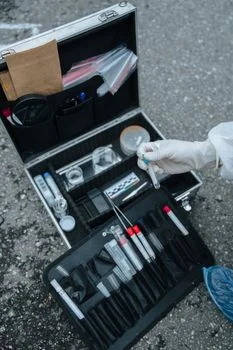
To ensure your sewage treatment project in Chhattisgarh achieves zero-risk compliance with CPCB and RMC regulations by 2025, a systematic approach is essential. Begin with comprehensive effluent testing: conduct thorough pre-treatment analysis to accurately determine COD, BOD, TSS, heavy metals, and other critical parameters. This foundational data, vital for selecting the correct technology, should reflect the regional effluent characteristics identified in section one. Next, navigate the permitting process. This involves obtaining the Consent to Establish (CTE) from the CPCB and subsequently the Consent to Operate (CTO). The typical timeline for obtaining these permits is 3–6 months. Pay special attention to Raipur’s ZLD-specific requirements, as outlined in RMC Circular No. 2024/ENV/03, which may necessitate additional documentation or stricter performance guarantees. Ensure your technology selection directly matches the tested effluent type and compliance goals; for instance, an MBR system is the preferred choice for ZLD mandates, while DAF units are ideal for high FOG and TSS loads. A clear decision tree can aid this selection process. Effective sludge management is a critical but often overlooked aspect. Identify and plan for disposal options, whether it be secure landfilling, incineration, or beneficial reuse as fertilizer, adhering strictly to CPCB guidelines for hazardous sludge, particularly for heavy metal-laden sludge from Durg's metalworking industries. Finally, implement robust monitoring systems. For facilities requiring continuous compliance, Continuous Effluent Monitoring Systems (CEMS) for parameters like COD, BOD, and pH are often mandatory. Ensure the sensors used have high accuracy, with benchmarks typically requiring ±5% for COD measurements, to provide reliable data for reporting and operational adjustments.
The initial effluent characterization is the cornerstone of a successful treatment strategy. Without precise data on pollutant concentrations and types, the selected technology may be undersized, oversized, or entirely inappropriate, leading to compliance failures and costly retrofits. For example, failing to identify specific heavy metals in Durg's effluent could lead to the selection of a treatment process that cannot effectively remove them, resulting in violations of discharge limits. The permitting phase requires meticulous preparation of all necessary documentation and a clear understanding of the regulatory expectations. Engaging with regulatory bodies early in the project lifecycle can help anticipate potential hurdles. When selecting technology, consider not just the primary treatment but also the downstream processes required to meet final discharge or reuse standards. For sludge management, understanding the classification of the sludge (hazardous vs. non-hazardous) is critical for determining legal and environmentally sound disposal methods. Continuous monitoring provides real-time feedback on the treatment process, enabling operators to make timely adjustments to maintain effluent quality and ensure ongoing compliance. The accuracy and reliability of these monitoring systems are paramount for demonstrating adherence to regulatory standards.
Frequently Asked Questions
What are the key CPCB 2025 discharge limits for industrial wastewater in Chhattisgarh?
The revised CPCB 2025 discharge limits mandate BOD below 30 mg/L and COD below 250 mg/L for industrial effluents.
How does Raipur's ZLD mandate impact sewage treatment equipment selection?
Raipur's Zero Liquid Discharge (ZLD) mandate for textile clusters requires advanced treatment technologies like MBR systems to achieve near-reuse quality effluent, necessitating a focus on water recycling and zero discharge.
What are the typical challenges of textile wastewater treatment in Chhattisgarh?
Textile wastewater in Chhattisgarh, particularly from Raipur, is characterized by high COD (800–2,000 mg/L) due to dyes and finishing chemicals, requiring robust COD reduction technologies.
Which technologies are most effective for heavy metal removal in Durg's industrial effluent?
For heavy metal-laden effluent from Durg's metalworking industries, technologies like Dissolved Air Flotation (DAF) for pre-treatment, followed by ion exchange or chemical precipitation, are crucial.
What is the difference between MBR and DAF systems for industrial effluent treatment?
MBR systems use membranes for fine filtration to achieve high-quality effluent suitable for reuse or ZLD, while DAF systems excel at removing FOG and suspended solids through flotation, making them ideal for pre-treatment.
What is the estimated cost range for package sewage treatment plants in Chhattisgarh?
Package sewage treatment plants in Chhattisgarh for 2025 typically range from ₹5 Lakhs to ₹50 Lakhs+, depending on capacity and complexity.
How is sludge dewatering equipment critical for ZLD compliance?
Sludge dewatering equipment, such as plate-and-frame filter presses, reduces the volume of sludge, minimizing the final liquid discharge and making ZLD compliance more achievable and cost-effective.
What is the typical timeline for obtaining CPCB permits for a new sewage treatment plant?
The typical timeline for obtaining a Consent to Establish (CTE) and Consent to Operate (CTO) from the CPCB in Chhattisgarh is between 3 to 6 months.
Further Reading
Explore these in-depth articles on related wastewater treatment topics: