Start with the hotel's wastewater and reuse requirements
A Rawalpindi hotel or resort normally needs an A/O package sewage treatment plant when it requires a compact, largely automated below-grade installation; an MBR is the stronger option when water reuse, tighter solids separation or a smaller biological footprint justifies added complexity. HydropureWater's WSZ package plant combines anoxic/aerobic contact oxidation, sedimentation and disinfection at 1–80 m³/h, while its MBR range covers 10–2,000 m³/day and provides filtration below 1 μm. The final choice must be based on verified peak and average flows, land availability, reuse targets, sludge handling and the applicable discharge route. The supplied research establishes no Rawalpindi-specific flow, permit limit or price, so those inputs must be confirmed locally.
Begin with a stream-by-stream wastewater inventory. Separate guest-room sewage, kitchen wastewater, laundry effluent, pool and spa discharges, and outdoor drainage before defining a common design flow. Kitchen oil and grease should not be allowed to enter the biological plant untreated; review the dissolved air flotation machine options and the mechanical bar-screen arrangement as pretreatment considerations.
Request measured data where available, or require the designer to show how estimates were derived. The design basis should include average flow, peak flow, seasonal range, water pressure, usable footprint, groundwater conditions, flood exposure and access for tanker or maintenance vehicles. Define the final route before selecting equipment: sewer discharge, controlled land application or water reuse. Obtain the receiving authority's written design and discharge requirements rather than assuming that a generic equipment specification is locally acceptable.
The supplied context cannot establish this property's flow. The Rawalpindi hospital study by OASK Publishers covered 400 patients from September 2021 to February 2022, while the Mangla Water Resort review result contains no wastewater capacity data. Neither can size a hotel or resort. Record room count, occupancy patterns, catering covers, laundry cycles and discharge schedules only as supporting inputs; they do not replace verified wastewater flows.
Compare A/O package plants and MBR systems
The A/O package plant integrates treatment stages in one buried unit, while the MBR adds membrane separation to biological treatment, requiring a decision based on effluent priority and the operating envelope.
| Decision item | Underground A/O package plant | MBR wastewater treatment system |
|---|---|---|
| Verified equipment capacity | 1–80 m³/h | 10–2,000 m³/day |
| Process configuration | Anoxic/aerobic biological contact oxidation, sedimentation and disinfection in one buried unit | Activated sludge with submerged PVDF membrane filtration |
| Installation character | Underground, integrated and fully automated without an operator | Modular treatment arrangement requiring comparison of module footprint and maintenance clearances |
| Separation performance stated in supplied equipment data | Not stated in the supplied research | Filtration below 1 μm; described as near-reuse-quality effluent |
| Footprint position stated in supplied equipment data | Compact, below-grade installation | 60% smaller footprint than conventional systems |
| Primary selection case | Domestic sewage treatment within the stated flow range, limited above-ground clutter and automatic operation | Advanced treatment, reuse quality or solids separation where the stated footprint reduction is decisive |
| Items not established by supplied research | Rawalpindi installed price, energy consumption, membrane life, local reuse rules and comparative life-cycle cost | |
The underground A/O package sewage treatment plant is the baseline where a single below-grade unit, automatic operation and compact siting are the priorities. The MBR wastewater treatment system is the stronger candidate where water reuse, more stringent solids separation or the stated 60% footprint reduction relative to conventional systems materially affects the project.
Do not infer that MBR is automatically more economical or superior. The supplied evidence contains no Rawalpindi prices, membrane replacement life, energy demand or local reuse rules. A comparative claim requires quotations using the same flow basis, civil-work scope, power requirement, sludge route, commissioning obligations and operating support.
Turn the comparison into a site decision
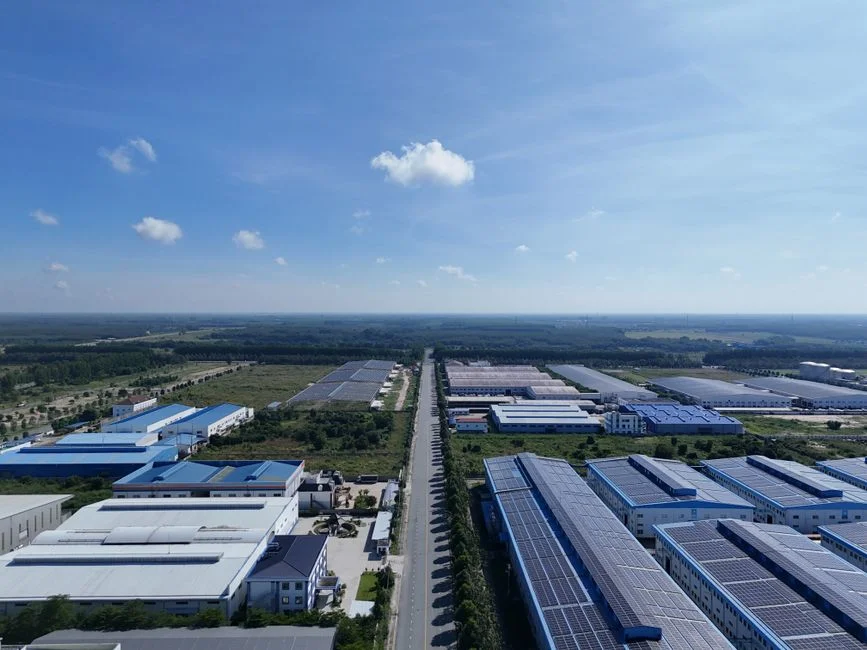
Site conditions dictate whether an otherwise suitable treatment train can be installed and maintained safely.
- Select the underground A/O package when the treatment objective is an integrated below-grade installation, limited above-ground equipment, automatic operation and a wastewater flow within the verified 1–80 m³/h equipment range.
- Select MBR when advanced treatment or reuse is central, the wastewater is suitable for biological treatment, and the available area accommodates the selected membrane modules together with access and maintenance clearances.
- Check groundwater, flood level, soil, installation depth, odors, power reliability and vehicle access before approving the civil layout.
- Define how sludge or waste will be removed, stored and transported; nominal biological capacity does not resolve this operating requirement.
- Confirm that the site team can maintain the selected process, including membrane or chemical-maintenance tasks where applicable.
If kitchen wastewater contains significant oil and grease, provide a separate DAF pretreatment arrangement before comparing biological treatment routes. The supplied DAF catalogue covers 4–300 m³/h across 13 standard models, but that capacity range does not establish the pretreatment duty for this hotel. The required flow, grease loading and resulting solids-removal duty must be established from the kitchen and wastewater characterization.
Also confirm whether the contractor's proposed sludge-handling method is workable. The plate-frame filter-press option is a mechanical dewatering reference point, not a guaranteed disposal solution. The final route must address residual solids, transport, operator access and the receiving or disposal authority's requirements.
Build a quotation-ready sizing worksheet
A quotation must be traceable to a completed design basis, site record and supplier-defined performance scope to be considered a comparable offer.
| Worksheet group | Complete or require before quotation | Supplier response required |
|---|---|---|
| Flow and wastewater | Average flow, peak factor, design flow, daily and seasonal ranges, wastewater temperature, pH and grease load | Stated flow basis, process stages and explanation of sizing calculations |
| Effluent | Discharge route, reuse target and written authority requirements | Guaranteed treatment duty against the specified destination and reuse objective |
| Site | Usable treatment area, installation depth, access route, soil, groundwater, flood level, power and drainage connection | Equipment dimensions, civil interface, installation depth, utilities and access clearances |
| Sludge | Withdrawal method, storage, dewatering and disposal route | Expected waste or sludge quantities, handling method and included equipment |
| Commercial scope | Clarify inclusions for civil works, installation, power, controls, commissioning, training and O&M | Itemized exclusions, spares, warranty, local support and complete installed comparison |
Use the capacity boundaries only as screening checks. The WSZ covers 1–80 m³/h, while the MBR range covers 10–2,000 m³/day. These units are not directly interchangeable without a clear flow and duty basis: convert the design requirement to the same time basis, identify whether capacity refers to average or peak duty, and require the supplier to show which condition its quoted train satisfies.
Each bidder should also state materials, controls, duty/standby provisions, functional testing, commissioning tests, O&M tasks, recommended spares and monitoring responsibilities. Obtain proposals from local suppliers on one scope basis; otherwise differences in civil works, utilities, sludge handling and after-sales support can be mistaken for equipment-price differences. The valves and treatment-parts schedule can support an item-level scope check.
Specify commissioning and operating acceptance
Commissioning should test the selected treatment train under the agreed flow and wastewater basis, rather than demonstrate only that individual components start.
Before finalizing equipment dimensions, require the designer to confirm the selected flow, peak factor, wastewater characteristics and site constraints. Document how flow measurements were taken, how seasonal variation was assessed and what assumptions remain. Any change between the quotation basis and detailed design should be issued as a controlled revision.
Specify functional tests for screens, biological operation, solids separation, disinfection or membrane performance, automatic controls, alarms, power-failure response and sludge withdrawal. Where an MBR is selected, identify the agreed membrane-flux or operational test and the method for demonstrating stable performance. For an A/O package, verify the integrated sequence, automatic changeover and solids-removal function.
Confirm final discharge or reuse acceptance criteria with the relevant Rawalpindi authority. The supplied research contains no verified local numerical limits. Require the authority's written criteria to appear in the procurement and handover documents, including any required sampling, monitoring and reporting.
Before acceptance, obtain commissioning records, operator training, O&M manuals, recommended spares, monitoring responsibilities and a preventive-maintenance schedule. Review the automatic chemical-dosing arrangement where chemical treatment is part of the process, while requiring the supplier to confirm the actual chemical, duty and operating sequence.
Frequently Asked Questions
What wastewater treatment system does a hotel or resort in Rawalpindi need in 2026?
Choose an underground A/O package plant when the priority is compact, automatic below-grade treatment within the verified 1–80 m³/h range. Choose an MBR when reuse, solids separation or the stated 60% footprint reduction relative to conventional systems justifies membrane treatment. Final selection must follow verified average and peak flows, the authority’s discharge route, site constraints and sludge handling.
How much does an A/O package plant or MBR cost for a Rawalpindi hotel?
No supplied evidence establishes a Rawalpindi price. Request a total installed comparison from local suppliers, with separate pricing for equipment, civil works, installation, power, controls, commissioning, O&M and sludge handling. Compare bids on the same design flow, duty basis and scope rather than relying on an equipment rate alone.
How should a hotel select a wastewater treatment supplier?
Require a defined process basis, guaranteed flow and treatment duty, process stages, equipment dimensions, controls, commissioning criteria, O&M tasks and local technical support. A supplier should also identify exclusions and recommend critical spares. The package sewage plant versus MBR for a hotel comparison provides a useful procurement structure, but it cannot replace property-specific data.
Can the system be sized from the number of hotel rooms?
No. Room count is only an occupancy indicator and does not establish wastewater flow sizing. Obtain measured or defensibly estimated average, peak and seasonal flows, then document wastewater characteristics, reuse targets and site constraints. The wastewater treatment selection for a Pakistani hotel reinforces the need to establish local requirements rather than infer them from a generic package capacity.