Define the water streams before selecting equipment
A Banqiao data center should first measure its cooling-water balance, makeup-water quality, blowdown flow and chemical inventory, then select compliant discharge, membrane-based reuse or further concentrate polishing. A southern-Taiwan reference uses screening, antiscalant control, UF, RO and optional MVC polishing. Its representative 100 MW scenario produces 285,000–850,000 L/day of blowdown at cycles of concentration of 4–6 and 12–35 m³/h of RO permeate. These are sizing benchmarks, not Banqiao requirements; local climate, water chemistry, sewer consent and site measurements must be verified.
Keep cooling-tower evaporation, drift and blowdown, domestic wastewater, process wastewater and condensate as separate measured streams. Combining them without flow and quality data can obscure the dominant contaminant load and incorrectly enlarge the treatment train. Record IT load, PUE, WUE, cycles of concentration, makeup source, makeup-water TDS, blowdown frequency and operating hours as design inputs.
Develop a 12-month sampling plan covering TDS, conductivity, turbidity, suspended solids, silica, hardness, alkalinity, temperature, residual biocide and corrosion-inhibitor carry-over. Seasonal changes are especially important because blowdown chemistry follows makeup quality and concentration cycles, not simply the average laboratory result.
| Site input | Method and owner | Decision supported |
|---|---|---|
| Cooling-water balance | Facility engineer reconciles evaporation, drift, blowdown, makeup and operating hours using meter data and cooling-system drawings. | Select discharge, reuse or concentrate treatment and establish design flows. |
| Separate wastewater streams | Owner tags each drain; operator supplies 12-month logs and laboratory results by stream. | Prevent unrelated wastewater from being assigned to the blowdown skid. |
| Makeup and blowdown chemistry | Accredited laboratory samples source, makeup and blowdown across operating and seasonal conditions. | Set membrane feed assumptions, scaling controls and permeate-blending limits. |
| Chemical inventory and carry-over | Operator provides products, dosing rates, residual measurements and application records. | Determine oxidant removal, membrane compatibility and reuse safeguards. |
| Applicable consent | Environmental consultant obtains the site EIA conditions, sewer agreement and receiving-water or indirect-discharge consent. | Define the legally applicable discharge route and acceptance limits. |
The Kaohsiung reference used for preliminary screening assumes 3,600,000 L/day of total cooling-water demand for a representative 100 MW site at PUE 1.2 and WUE 1.8 L/kWh. That result comes from a commercial Kaohsiung guide published in 2026; it is not a Banqiao design value. Related data-center wastewater treatment guidance and the Muntinlupa data-center treatment guide provide process context, but their climatic and regulatory inputs must not be transferred to Banqiao.
Choose the discharge and reuse route
The discharge route must be selected from Banqiao’s verified site conditions rather than a generic threshold. The supplied research does not establish Banqiao’s applicable sewer allocation, receiving-water consent, EIA conditions or industrial pretreatment agreement. Those documents should define whether untreated blowdown can be discharged, whether UF–RO permeate is required, and whether the RO concentrate can be recycled, further treated or disposed of.
The Kaohsiung commercial guide describes public-sewer discharge at generally no more than 2,000 mg/L TDS and states that direct discharge to a receiving water body has tighter, consent-dependent requirements. Neither statement establishes a Banqiao permit condition. The environmental consultant should obtain the exact numerical limit and the accepting authority before equipment selection; the industrial RO blowdown-treatment system should be evaluated against those verified constraints rather than against the reference value alone.
| Route | Decision condition | Evidence required before commitment |
|---|---|---|
| Direct disposal | Select only if the measured stream and treatment performance satisfy the verified sewer or receiving-water consent. | Exact TDS and other discharge limits, sewer allocation, pretreatment agreement, temperature limits and reject route. |
| UF–RO reuse | Select when verified reuse demand and discharge constraints justify permeate production and blending. | Blowdown flow, feed chemistry, makeup-water target, blending rule, recovered-water demand and concentrate route. |
| UF–RO with concentrate polishing | Select when the required overall recovery cannot be met by RO alone or liquid-discharge allocation is constrained. | Verified allocation, complete water balance, concentrate chemistry, auxiliary-energy assessment and disposal backup. |
The same Kaohsiung guide describes RO permeate at 10–50 mg/L TDS as suitable for blending into cooling makeup. That is a reference configuration, not a Banqiao guarantee. The measured makeup chemistry, required cooling-water quality and site blending-control strategy must determine whether permeate is used continuously, intermittently or blended with another source.
Energy and carbon comparisons also affect route selection. Open Engineering Inc.’s 2026 preprint, “Reclaiming Cooling: Wastewater Reuse as a Strategic Resource for Data Center Water Management,” found that its wastewater scenario had about twice the global warming potential of the freshwater case, with treatment energy responsible for roughly 80% of the difference. In the same study, the UF+RO scenario used more than five times the freshwater case’s energy, although improved cycles of concentration reduced blowdown and chemical consumption. These findings support a lifecycle comparison, but the study does not supply a Taiwan tariff or a Banqiao business case. Request site-specific energy prices, grid factors, recovered-water value and disposal charges.
Select the pretreatment and membrane train
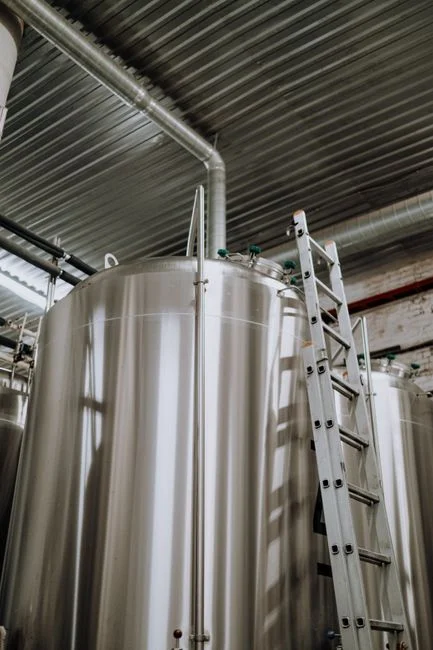
The reference train applies each barrier to a defined contaminant: screening removes debris and biofilm fragments, UF protects RO from suspended material, and RO separates dissolved salts. Antiscalant and pH control manage scale formation, while disinfection or chemical removal must protect membranes and the reuse loop. RO should not be specified until solids, scaling, biological growth and treatment-chemical compatibility have been characterized.
Coarse screening is the first barrier before pumps and membranes. The opening must be selected from particle-size and screen analysis rather than copied from the Kaohsiung reference, whose commercial guide specifies a 5–10 μm self-cleaning screen. If the analysis confirms that basis, specify removal of debris, biofilm fragments and atmospheric particulate while preserving an accessible solids-disposal route.
Use antiscalant and pH control to protect RO from calcium, magnesium, silica and alkalinity concentration. Obtain the selected membrane manufacturer’s saturation-index limits and antiscalant compatibility data. The Kaohsiung guide describes LSI/RSI control within a window of −0.5 to +0.5 and a separate antiscalant target of 0–0.3, but those are reference-guide settings rather than confirmed requirements for a Banqiao membrane package. Instrument and control strategy should follow the final feed analysis and warranty conditions.
The reference train uses hollow-fiber UF with automatic backwash and air scour. It also states that the UF outlet should achieve an SDI below 3, identified in that guide as the RO warranty condition. A hollow-fiber UF pretreatment system should therefore be specified around the actual particle load, backwash frequency, normalized flux, transmembrane-pressure limits and validated feed chemistry.
The Kaohsiung reference RO envelope is 150–400 psi and 50–85% recovery, with feed TDS of 1,200–6,000 mg/L and permeate at 10–50 mg/L. These values are screening parameters only. The operating point must follow measured feed TDS, scaling risk, temperature, recovery demand and the selected membrane’s projected performance.
| Process step | Primary purpose | Procurement input | Acceptance or control criterion |
|---|---|---|---|
| Coarse screening | Remove debris, biofilm fragments and particulate. | Particle analysis and disposal route. | Screen opening justified by analysis; automatic or accessible cleaning arrangement specified. |
| Antiscalant and pH control | Limit scale and corrosion risk. | Full feed chemistry and membrane warranty limits. | Manufacturer-approved control envelope, interlocks and logged measurements. |
| UF pretreatment | Remove suspended solids before RO. | SDI, turbidity, solids, flux and TMP history. | Feed and permeate flow; SDI; normalized flux; backwash and air-scour performance; TMP limits. |
| Oxidant or biocide management | Protect membranes and control biological risk. | Chemical inventory and residual tests. | Residual or oxidation-reduction potential limits established by membrane and reuse requirements. |
| Industrial RO | Remove dissolved salts and produce low-TDS reuse water. | Average and peak feed flow; feed chemistry; recovery target; concentrate route. | Guaranteed permeate flow and TDS, recovery, energy consumption and test protocol stated in the purchase document. |
Size the UF, RO and concentrate polisher from measured flow
Size pretreatment and RO from the measured blowdown train—not total campus water demand. The equipment inquiry should state average flow, peak flow, turnaround flow, operating hours, redundancy, feed-water temperature, measured chemistry and the maximum permitted recovery. It should also identify whether the skid must match the blowdown stream continuously or receive a controlled equalization flow.
The Kaohsiung commercial guide reports 285,000–850,000 L/day of blowdown for its representative 100 MW scenario at cycles of concentration of 4–6 and converts that range into 12–35 m³/h of permeate capacity. This is a preliminary screening range only. The wide interval reflects assumptions that must be replaced by Banqiao’s blowdown water balance, including evaporation, drift, makeup rate, cooling-system configuration and operating schedule.
That guide places reference RO recovery at 50–85% on blowdown. Its optional MVC polisher operates on the RO concentrate and can lift total system recovery into an 85–95% band, producing distillate below 10 mg/L TDS in the cited configuration. These figures belong to the reference scenario. They do not establish that Banqiao requires near-zero liquid discharge or that MVC is technically necessary.
Calculate concentrate flow and establish its disposal or recycle route before accepting an aggregate recovery target. Membrane area, feed pressure, flux, concentrate chemistry and concentrate-management equipment all depend on measured feed TDS, scaling risk and required recovery. If concentrate returns to the equalization basin, assess cumulative salts and contaminants rather than assuming that recycling is concentration-neutral.
| Sizing input | Buyer must supply | Effect on equipment rating |
|---|---|---|
| Measured blowdown flow | Average, peak and turnaround flow with operating-hour basis. | Determines equalization, UF feed and RO permeate capacity. |
| Feed chemistry | TDS, conductivity, hardness, alkalinity, silica, suspended solids, turbidity, SDI, temperature and treatment chemicals. | Sets membrane selection, antiscalant control, normalized flux and operating pressure. |
| Reuse demand | Cooling makeup target, permitted blend ratio and hourly demand. | Prevents production capacity from exceeding useful demand. |
| Recovery and discharge constraints | Verified consent limit, sewer allocation and concentrate route. | Determines whether MVC polishing or another concentrate-management step is justified. |
| Operating guarantees | Test duration, correction factors, cleaning conditions and reject-handling limits. | Provides a defensible acceptance test rather than a nameplate comparison. |
The technical schedule for a membrane and filter-element package should include automatic backwash, air scour, normalized permeate-flux limits, transmembrane-pressure limits, permeate-quality instrumentation, cleaning access, chemical compatibility, monitoring connections and documented operating envelopes. These requirements matter more than a quoted flow because they define whether the equipment can remain within warranty under actual feed conditions.
Turn the design into procurement and acceptance criteria
A Banqiao equipment package should remain a site-specific and performance-based specification until the water balance, laboratory data, discharge route and applicable consent are assigned. Missing permit evidence should be treated as an open procurement condition, while reference-study values should remain explicitly labelled benchmarks.
Request six coordinated packages: the owner’s water balance; operator logs and chemical inventory; the environmental consultant’s permit matrix; laboratory feed analysis; treatment-vendor guarantees; and OEM membrane warranty criteria. Use the matrix below to assign an owner, required document and release condition.
| Owner | Required input | Procurement release or acceptance criterion |
|---|---|---|
| Project owner or facility engineer | Approved blowdown water balance, stream map, IT load, PUE, WUE, operating schedule and future expansion. | Design flow and redundancy fixed; each stream cross-checked against meters and drawings. |
| Cooling-tower operator | 12-month logs, cycles-of-concentration records, blowdown frequency, chemical inventory and incident history. | Feed chemistry and chemical-control envelope included in the vendor guarantee. |
| Environmental consultant | Site EIA conditions, sewer or receiving-water consent, industrial pretreatment agreement and evidence of authority acceptance. | No discharge train released until numerical limits and applicable route are verified in writing. |
| Accredited laboratory | Representative feed, makeup, permeate and concentrate analyses across operating conditions. | Test methods, sampling points and acceptance limits incorporated into the purchase specification. |
| Treatment vendor | Guaranteed feed flow, permeate flow, permeate TDS, recovery, normalized flux, energy use and concentrate volume. | Factory and site acceptance protocols state test duration, correction factors, instrument accuracy and reject handling. |
| OEM | Membrane warranty criteria, chemical-compatibility statement, cleaning validation and spare-parts list. | Installed equipment and operating controls remain within the written warranty envelope. |
The Kaohsiung reference specifies a PLC-controlled antiscalant and pH-dosing skid to keep LSI and oxidation-reduction potential within the membrane warranty window. Where those controls are critical, require automatic interlocks, data logging and operator access rather than relying only on a manual set point. An automatic chemical-dosing system should be specified against the confirmed chemical program and warranty limits.
The reference scenario also includes a 400,000 L/day blowdown stream and 12–35 m³/h permeate demand, but the commercial guide itself requires local validation. Do not convert that range into a guaranteed production rate. Require membrane-cleaning validation, operator training, remote-monitoring provisions, spare parts, reject handling, documented operating limits and access for maintenance before factory acceptance. The purchase document should also define the scope of valves and treatment accessories rather than leave them as unspecified allowances; a treatment-parts and valve schedule can be reconciled against the approved P&ID.
Frequently Asked Questions
What flow should be used to size UF and RO for cooling blowdown in Banqiao?
Use measured average, peak and turnaround blowdown flows after completing the site water balance, not total campus water demand or a benchmark from another city. The Kaohsiung reference’s 12–35 m³/h permeate range applies only to its representative 100 MW scenario. A Banqiao vendor should not guarantee production capacity until the flow meter record, cooling configuration, operating hours and future expansion are supplied.
Does Banqiao need RO, or can blowdown be discharged directly?
That decision depends on the site’s exact sewer or receiving-water consent, industrial pretreatment agreement, EIA conditions, measured TDS and concentrate-disposal route. The research describes a general public-sewer benchmark near 2,000 mg/L TDS, but it does not establish a Banqiao limit. Obtain the applicable consent and confirm the numerical limits before selecting direct discharge or RO.
How should a supplier be selected for an industrial UF pretreatment and RO package?
Ask each supplier to guarantee feed flow, permeate flow, permeate TDS, recovery, normalized flux, energy consumption and concentrate volume under stated feed chemistry. Require the test protocol, correction factors, membrane warranty envelope, cleaning validation, spares, training and reject-handling terms in the offer. These checks distinguish a performance-backed package from an equipment list based only on nominal capacity.
What inputs are needed before comparing supplier pricing?
Request a common data set: measured water balance, 12-month water chemistry, chemical inventory, verified permit constraints, recovery target, reuse demand, concentrate route, operating schedule, acceptance-test method and required options. Request installed or packaged pricing separately for UF, RO, dosing, controls, concentrate polishing, foundations or installation, commissioning, spares and membrane replacement. The supplied research does not provide a valid Banqiao quotation, so no project price should be inferred from another location’s reference case.