Determine which discharge requirements apply
Mining and metals plants near Hiawatha generally meet pretreatment limits by identifying the receiving POTW, confirming whether the operation is a categorical industrial user, characterizing the wastewater, and treating it to the stricter applicable requirement before the sewer connection. EPA explains that indirect discharges are regulated under 40 CFR Part 403, with POTW local limits imposed at the end of the pipe. Ore mining may implicate 40 CFR Part 437, while metal finishing may trigger 40 CFR Part 433. A typical train combines equalization, controlled pH adjustment, metals precipitation, solids separation, filtration and sludge dewatering, with monitoring and hazardous-waste evaluation added as required.
Start with the discharge route, not the equipment. EPA states that point-source discharges from mining operations to waters of the United States require NPDES authorization. A discharge entering a POTW collection system follows the Clean Water Act §307(b) pretreatment framework and 40 CFR Part 403 instead. A plant may need both authorizations when separate outfalls discharge to surface water and sewer.
Map process wastewater, contact water, stormwater, leachate and combined or segregated connections. For each outfall, identify the receiving authority, destination, flow path and whether the stream enters the POTW or a surface water. Do not assume that an NPDES permit or separate stormwater authorization resolves the sewer requirements.
EPA explains that POTW local limits are imposed at the industrial user’s point of connection and are intended to protect the treatment works, sludge, receiving waters, operations and workers. Request the current sewer-use ordinance, industrial discharge permit, monitoring requirements, sampling protocol, surcharge provisions and enforcement authority. The broader mining wastewater pretreatment guide provides useful process context, but the current POTW documents govern the site decision.
| Discharge pathway | Primary regulatory route | Documents to obtain |
|---|---|---|
| Direct discharge to a surface water | Clean Water Act NPDES authorization | Permit, outfall map, monitoring and reporting requirements |
| Discharge to a POTW collection system | Clean Water Act §307(b), 40 CFR Part 403, applicable categorical standards and POTW local limits | Sewer-use ordinance, industrial discharge permit, local limits, sampling protocol and surcharge provisions |
| Separate surface-water and sewer outfalls | Both regulatory routes may apply | Separate authorizations and a stream-by-stream compliance map |
Build the permit and wastewater compliance file
Federal categorical standards and POTW local limits answer different questions and must be kept separate. Determine whether the operation falls within 40 CFR Part 437 for ore mining and dressing, 40 CFR Part 433 for metal finishing, or both. Classification depends on the actual industrial processes, not a broad company description. EPA describes pretreatment standards as pollutant discharge limits applicable to industrial users, while local limits address the specific needs and concerns of the POTW, its sludge and its receiving waters.
EPA states that local limits are site-specific and may be numeric or narrative, including best management practices. They are established under 40 CFR Part 403.5(c) and enforced at the point of connection. Therefore, equipment should be designed against the limits adopted by the receiving authority, with federal categorical requirements included as another governing layer where applicable.
| Compliance-file item | Engineering question | Authority or source |
|---|---|---|
| Categorical status | Which regulated industrial processes occur at the plant? | Applicable 40 CFR category |
| Local limits | Which numeric or narrative requirements apply at the connection? | Current POTW sewer-use ordinance and permit |
| Wastewater characterization | What are the flow, pH, suspended-solids and metals characteristics? | Representative sampling and laboratory analysis |
| Monitoring rules | Where, when and how must compliance be demonstrated? | POTW sampling protocol and permit |
Request representative data for each regulated stream, including pH, total suspended solids, metals, flow, batch-discharge frequency, oil and grease where relevant, and contaminants named by the POTW. Sample across production, dump-leach, mill clean-out and other variable conditions. One average from a stable operating period may conceal a batch excursion that determines whether equalization and solids separation can perform.
Confirm sampling frequency, preservation, analytical methods, compliance averaging periods, discharge points and reporting requirements directly with the control authority. For operations with several processes, the fabricated-metals pretreatment compliance framework helps organize the technical-to-permit information request, but the Hiawatha-area POTW must supply its own current requirements.
Treat the wastewater in process order
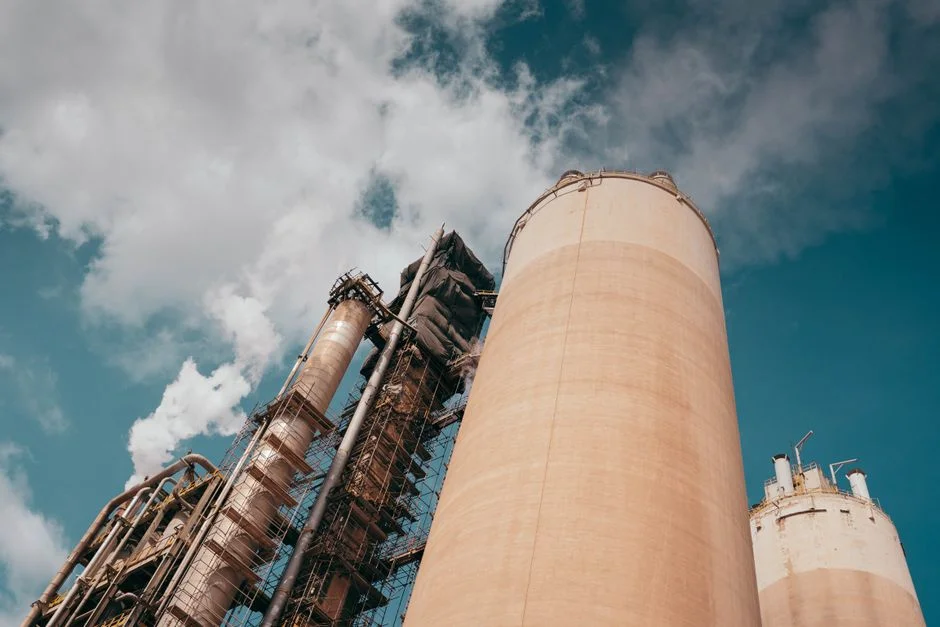
The treatment train should follow the chemistry: stabilize flow, establish the precipitation conditions, separate the resulting solids, polish suspended solids if required, and then control residuals and sludge. Start with equalization where flow or chemistry varies substantially. The equalization basin buffers batch discharges and gives the chemical and solids-removal stages a more stable influent rather than passing every upstream spike directly to clarification.
Hydroxide precipitation with lime or sodium hydroxide is a common first-stage approach. A commercial source, Fluence as cited by HydropureWater in 2024-11, reports 85–95% total metals removal in properly controlled systems. That is a commercial performance claim, not a guaranteed result for the site; establish removal with representative wastewater and the final permit limits. Use a PLC-controlled chemical dosing skid where stable reagent feed and documented control are required.
Sulfide precipitation may be appropriate for polishing when the residual-metal target is below 0.1 mg/L. The same commercial source identifies this as a possible polishing step and notes the need for sealed reactors and hydrogen sulfide control. Treat it as a project-specific decision based on residual metals, reagent handling, ventilation and disposal—not a default step.
| Process step | Primary purpose | Design inputs required |
|---|---|---|
| Equalization | Buffer flow and chemistry variation | Batch schedule, peak flow, production and clean-out cycles |
| pH adjustment and metals precipitation | Convert dissolved metals into separable solids | Metal species, target pH, residual limit and jar-test results |
| DAF or lamella clarification | Separate floated material or precipitated sludge | Oil and colloidal content, solids properties, hydraulic peak and footprint |
| Final filtration | Provide a suspended-solids buffer before discharge | POTW TSS limit and upstream carryover risk |
| Optional disinfection | Address a POTW-specific collection-system or facility risk | Ordinance requirement and collection-system conditions |
Choose solids separation from the stream character, not from a generic equipment list. HydropureWater lists its DAF at 4–300 m³/h and identifies it for suspended solids, FOG, oil and grease, and colloidal matter. Its lamella clarifier is described for high-efficiency separation at 20–40 m/h surface loading. A DAF system for metal-processing wastewater is the stronger fit where floatable material is significant; a lamella clarifier for precipitated metals sludge is more relevant when dense metal-hydroxide flocs dominate.
Add a multi-media filter for final suspended-solids polishing when the POTW limit or process risk requires additional solids control. Evaluate chlorine dioxide or UV only when the sewer-use ordinance, collection-system conditions or facility risk assessment requires disinfection.
Choose DAF or a lamella clarifier without over-sizing
DAF is the appropriate branch when oil, grease, free oil or colloidal material is a meaningful part of the contaminant load; lamella clarification is the stronger branch when the main solids are dense metal-hydroxide precipitates and compact high-capacity installation is more important than free-oil capture. HydropureWater markets its DAF for metalworking and industrial pretreatment applications involving suspended solids, FOG, oil and grease, and colloidal matter.
The commercial source reports DAF hydraulic loading of 5–25 m/h and lamella surface loading of 20–40 m/h. These are equipment-selection references, not a substitute for wastewater-specific solids and rheology testing. The DAF versus clarifier selection for mining wastewater lays out the process differences; the site decision still depends on the documented wastewater.
| Decision condition | Preferred branch | Reason |
|---|---|---|
| Oil, grease, free oil or colloidal material is material | DAF | Floatation provides direct capture of floatable and colloidal material |
| Metal-hydroxide flocs dominate the solids load | Lamella clarification | Compact solids-separation stage is suited to precipitated sludge |
| Both contaminant groups are significant | Confirm by testing or staged treatment | A single hydraulic technology may not provide the required separation |
| Hydraulic peaks or turndown are material | Determine train arrangement from measured conditions | Equipment must handle peak load while remaining operable at low flow |
Use peak and turndown conditions to determine whether one or multiple trains are required. The commercial source recommends designing for the peak two-hour flow with 20–30% turndown capacity. For the DAF sizing method, use the DAF sizing checklist for FOG and suspended solids.
Either technology can underperform when upstream chemical control is unstable. Lock the design pH, reagent dose and coagulant or flocculant strategy through jar testing before setting hydraulic loading. Equalization, chemical control and solids separation should be evaluated as one system.
Control sludge, monitoring and compliance risk
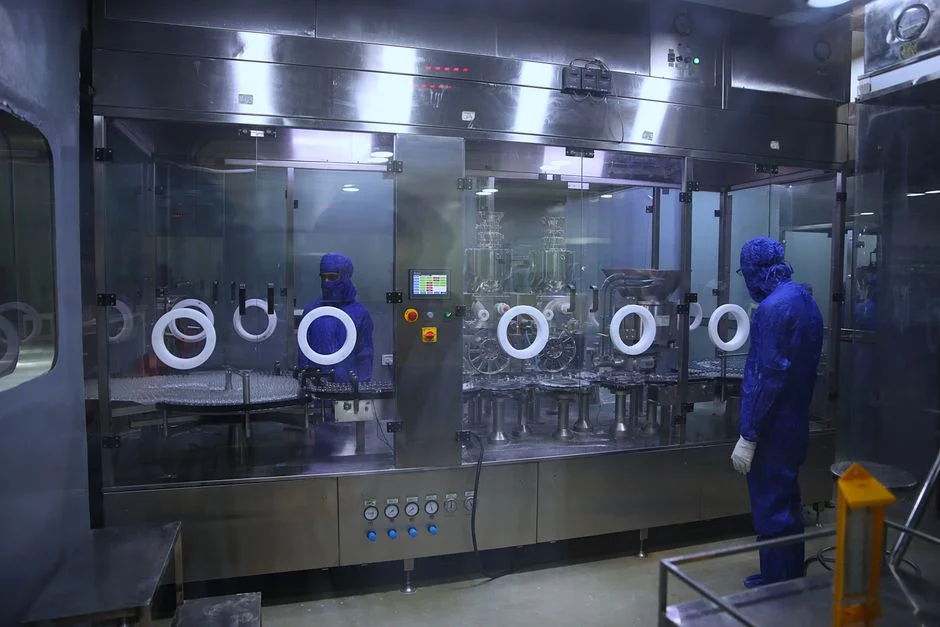
Compliance extends beyond the treated-water outlet to sampling, records, sludge characterization and operational safeguards. Evaluate generated solids under the applicable waste rules before disposal. The commercial source identifies clarifier and DAF sludge as regulated waste requiring dewatering and an authorized destination. Determine the destination before commissioning because filtration, storage, transport and waste classification can change the operating plan.
HydropureWater’s plate-and-frame presses cover filtration areas from 1 m² to 500 m² and manual, hydraulic or automatic PLC operation. Select the filter press for pretreatment sludge against the required batch size, cake characteristics, operating labor and automation level rather than filter area alone.
Design filtrate management before startup. A return line must not upset the plant’s hydraulic or chemical balance, and hazardous constituents in the filtrate require evaluation. Include storage, truck access, washwater, odors, spill response and the authorized disposal route in the preliminary design.
| Control area | Minimum record or safeguard | Compliance purpose |
|---|---|---|
| Flow and pH control | Online records linked to chemical dosing | Demonstrate stable treatment conditions and early excursion detection |
| Laboratory sampling | Representative samples, analytical results and chain of custody | Verify permit parameters at required points and frequencies |
| Excursion response | Alarm, stop or diversion procedure, notification rules and restart authorization | Limit continuing violations and prevent untreated release |
| Sludge | Waste determination, dewatering record and destination documentation | Control the second waste stream generated by treatment |
| Commissioning | Representative peak and batch-condition testing | Verify the full train before routine sewer discharge |
Create a permit-compliance control plan linking online flow and pH records to chemical dosing, laboratory sampling, result review, excursion response and reporting. Test the full train under representative peak and batch conditions before authorizing routine discharge, and retain operating records demonstrating control of every permit parameter.
Prepare these questions before requesting an equipment proposal
A useful proposal starts with the receiving authority’s written requirements and documented wastewater, not with a packaged process train. Request the current POTW sewer-use ordinance, industrial discharge permit, applicable categorical determination and proposed local limits. Provide representative analyses, production schedule, peak-flow basis, storage-retention requirement, available footprint, utilities and proposed sludge-disposal route.
Ask each supplier to state the design influent, guarantee point, sampling method, compliance averaging period and performance assumption for every process step. Separate treatment equipment from disposal scope. Also request commissioning criteria, operator training, control narratives, spare parts, maintenance schedules and lifecycle-cost assumptions.
Compare bids on the same basis. The containerized versus permanent wastewater-plant comparison can structure installed-format and delivery questions, but it does not replace site-specific pricing. Treat every performance claim as conditional until the supplier demonstrates that it applies to the documented Hiawatha-area wastewater and the applicable POTW limits.
Frequently Asked Questions
Does a mining or metals plant near Hiawatha need an NPDES permit?
It depends on the discharge route. EPA states that point-source discharges from mining operations to waters of the United States require NPDES authorization. A sewer discharge to a POTW is governed through the pretreatment program and POTW requirements under Clean Water Act §307(b) and 40 CFR Part 403. A facility with both direct and indirect outfalls may need separate authorizations for each route.
Can treatment capacity be selected from federal pretreatment standards alone?
No. Request the current POTW local limits and characterize representative peak, batch and routine wastewater before selecting capacity or chemistry. EPA explains that POTW local limits are site-specific, may be numeric or narrative, and apply at the industrial user’s point of connection. The design basis must include actual flow, pH, suspended solids, metals and discharge variability.
How should procurement compare treatment-system cost?
Ask suppliers for a total-cost comparison covering chemical use, sludge generation and disposal, sludge dewatering, utilities, controls, maintenance and operator labor—not purchase price alone. No supported site-specific quotation is available, so request pricing against the documented influent, guaranteed outlet conditions, footprint, operating schedule, sludge route and utility requirements.
What should a buyer require when selecting a treatment supplier?
Require a wastewater-specific guarantee point, stated reference conditions, supporting sample results or performance data, control scope, commissioning plan and defined responsibilities. The guarantee must be linked to the receiving POTW’s current limits and the documented Hiawatha-area wastewater. Confirm who owns regulatory interpretation, startup acceptance, training, maintenance support and corrective-action responsibility.