Determine which pretreatment rules apply to the Moss Point facility
Fabricated metals plants near Moss Point meet sewer pretreatment limits by identifying the applicable federal categorical and local publicly owned treatment works (POTW) requirements, characterizing a full week of wastewater, and treating each contaminant with the right unit process. A typical train uses equalization, oil and grease removal, hexavalent chrome reduction, cyanide oxidation, pH-controlled metal precipitation, dissolved air flotation (DAF) or lamella clarification, and optional polishing. The controlling design basis is the stricter POTW limit under 40 CFR 403.5, not the federal table alone. Batch dumps and pH swings from 2 to 12 make equalization and automated dosing essential.
Start with 40 CFR Part 433 as an applicability screen, not as the complete permit. The Metal Finishing category covers forming, finishing, forging, foundry, metal spraying and machining wash operations when they are co-located with plating or anodizing lines. A stamping operation that sends only dry parts to a separate finisher is generally outside that category; a plant operating zinc, nickel or chromic acid tanks is inside it. Existing sources are evaluated under PSES, while PSNS apply to new sources and are described as tighter because they cover sources constructed after the rule’s promulgation date in the HydropureWater article, “How Fabricated Metals Plants Meet US Sewer Pretreatment Limits,” published in 2026.
Next, identify the POTW that accepts the Moss Point-area discharge and obtain three controlling documents: the industrial user permit, the POTW’s local limits and the discharge permit. The 2026 HydropureWater article states that POTW local limits under 40 CFR 403.5 are at least as stringent as categorical standards and may also address copper, nickel, zinc, lead, silver, oil and grease, TSS and pH. Compare each pollutant, monitoring frequency and averaging period in the actual permit with applicable federal requirements. Do not transfer generic federal values to the site until the jurisdiction and permit edition are confirmed.
| Determination | Evidence a buyer must obtain | Design consequence |
|---|---|---|
| Part 433 applicability | Process list showing whether plating, anodizing or covered metal operations occur on site | Apply PSES or PSNS screening as appropriate |
| Existing or new source | Construction date and applicable POTW permit language | Confirm the applicable federal framework |
| Controlling site limits | Current POTW local limits, monitoring frequency and averaging periods | Use the stricter requirement for each pollutant |
| Authorization | Industrial user permit and discharge permit | Define reporting, monitoring and operating controls |
For a practical sequence, compare DAF and clarifiers for fabricated metals wastewater. Those process distinctions matter only after the receiving POTW and applicable category have been settled.
Characterize batch wastewater before selecting equipment
A full-week composite characterization is required before equipment specification because short sampling can miss the batch dump that governs equalization and treatment capacity. The 2026 HydropureWater article reports that a four-hour composite that misses a Friday afternoon dump can undersize the equalization basin. It also warns that fabricated metals plants discharge batch flows rather than steady flow, so equalization is not an optional accessory.
Use the 2026 HydropureWater field data as an initial screening range, not as a permit limit: oils at 50–500 mg/L, total dissolved metals at 5–200 mg/L, TSS at 100–1,000 mg/L and pH varying from 2 to 12 across batch dumps. The same source describes a stamping cell that can remain at pH 7 with low metals, while a hard-chrome line can produce more than 50 mg/L Cr(VI) and reduce pH below 2 during a rinse dump. These examples explain why a mixed floor-drain sample can conceal process-specific peaks.
The sampling plan should separate process rinses, floor drains and contaminated stormwater where practical. Record total flow, batch timing, process bath chemistry, oily residues, cyanide use, hexavalent chrome and solids from grinding swarf, casting sand or hydroxide floc carryover. Segregate streams where separation does not dilute concentrations below the treatment design basis; equalization should blend variable chemistry, not erase the evidence of a treatable dump.
| Source or variable | What to document | Why it affects specification |
|---|---|---|
| Stamping and machining cells | Free and emulsified oils, flow timing and batch volume | Determines equalization and oil-removal requirements |
| Plating and rinse lines | Metals, pH, Cr(VI) and cyanide by source | Identifies reduction, oxidation and precipitation demands |
| Floor drains | TSS, grit, swarf, sand, pH and batch peaks | Sets screening, solids handling and clarification loads |
| Stormwater | Source, contamination potential and discharge route | Prevents clean dilution and inappropriate sewer routing |
For source-specific sampling, use the fabricated-metals DAF and clarifier comparison to identify which hydraulic and solids measurements must be tied to the equipment datasheet. The characterization report should retain the raw results, flow records, sampling locations and operating conditions so the design can be audited later.
Build the treatment train around the contaminant being removed
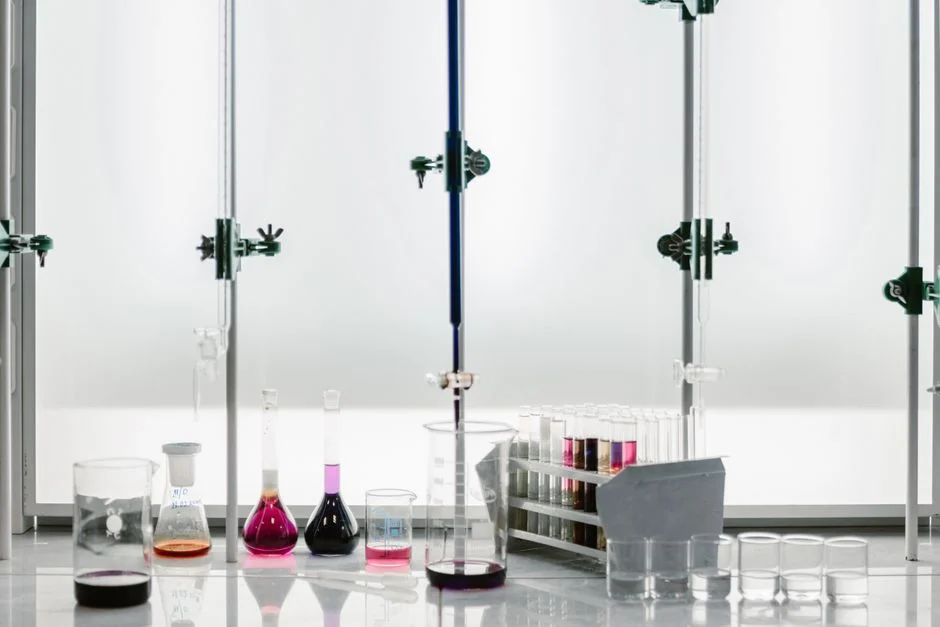
The treatment sequence must address different contaminant families in the correct order because each process removes or transforms a specific constituent. The 2026 HydropureWater article identifies free and emulsified oils from stamping, machining and drawing compounds; dissolved metals from plating rinsewater and pickling; hexavalent chromium from chromic-acid processes; cyanide from alkaline cyanide plating; and suspended solids from swarf, casting sand and hydroxide floc.
Begin with an equalization basin because batch dumps otherwise send inconsistent flow and chemistry through the treatment train. Remove oil and grease before chemical precipitation so floating and emulsified oils do not interfere with chemical reactions or foul downstream solids handling. Where Cr(VI) is present, reduce it to trivalent chromium with sodium metabisulfite or ferrous sulfate at pH 2–3 and ORP of roughly 250–300 mV. The 2026 HydropureWater article then places precipitation of Cr(OH)₃ at pH 8.5–9.5.
Oxidize cyanide before metals precipitation. The 2026 source explains that cyanide can otherwise resolubilize metal precipitates downstream. Use pH-controlled hydroxide precipitation for dissolved metals, then remove the resulting floc and suspended solids through an industrial DAF system or lamella clarification. Add polishing only when the POTW limits are tighter than PSNS, rinsewater or process-water reuse requires it, or a future rule creates a need.
For BOD/COD tightening and reuse, the 2026 HydropureWater article identifies a submerged PVDF MBR as providing filtration below 1 μm. It identifies RO as the option for sub-ppm TDS or a specific reuse cap such as nickel below 0.1 mg/L. Those applications should be evaluated separately from basic sewer compliance.
| Contaminant | Required unit operation | Control objective | Failure mode if omitted or undersized |
|---|---|---|---|
| Oil and grease | Oil removal before precipitation | Separate free and emulsified oils | Interference with floc formation and fouling |
| Hexavalent chromium | Reduction followed by precipitation | Maintain reaction pH and ORP | Soluble chromium remains in the effluent |
| Cyanide | Oxidation before metals precipitation | Complete destruction before clarification | Metal precipitates can redissolve |
| Dissolved metals | pH-controlled hydroxide precipitation | Set and maintain precipitation pH | Metal carryover above permit limits |
| TSS and floc | DAF or lamella clarification | Remove generated solids without carryover | Solids exceed the discharge requirement |
| Reuse contaminants | Optional MBR, RO or other polishing | Meet the reuse specification | Basic pretreatment is insufficient for reuse |
Chemical control should use an PLC-controlled chemical dosing skid with flow-paced feedforward and pH/ORP feedback. The 2026 source identifies sodium metabisulfite for chrome reduction, NaOCl for cyanide destruction, pH-adjustment chemicals and polymer for floc, but it does not provide defensible universal dosage rates. Those must come from the wastewater study and bench or jar testing.
Size DAF and chemical dosing for variable batch loads
DAF sizing must be tied to three stated parameters: hydraulic surface loading, air-to-solids ratio and recycle rate. The 2026 HydropureWater article gives hydraulic surface loading of 4–20 m/h depending on model and floc density, an air-to-solids ratio of 0.005–0.060 with 0.02 as a typical design point, and recycle of 10–30% of forward flow. These are design-screening ranges, not a substitute for equipment selection using the characterized wastewater.
Each parameter changes a different part of the system. A higher air-to-solids ratio can produce a drier float but raises blower demand and can damage fragile floc. Higher recycle can improve TSS removal, yet it dilutes chemistry and increases equalization demand. The selected system should state its design flow, equalization response and solids basis rather than provide only a tank surface area.
Chemical dosing should combine flow-paced feedforward with pH and ORP feedback on a PLC-controlled skid. The 2026 HydropureWater article requires a calibration column and stroke-count totalizer for each pump because operators otherwise lack a reliable record of chemical use. Confirm reagent demand during the influent study, including bench or jar testing where needed. The supplied research contains no universal dosage rates, so specifying a generic dose from flow alone would not be defensible.
| Design input or control | Supported value or requirement | Procurement question |
|---|---|---|
| Hydraulic surface loading | 4–20 m/h, depending on model and floc density | What loading is guaranteed for the characterized TSS and floc condition? |
| Air-to-solids ratio | 0.005–0.060; 0.02 is the typical design point in the 2026 source | What blower and recycle arrangement supports the selected ratio? |
| Recycle rate | 10–30% of forward flow | How does recycle affect equalization and floc integrity? |
| Dosing control | Flow-paced feedforward with pH and ORP feedback | Which signals, alarms and calibration functions are included? |
| Chemical demand | No universal dosage rates in the supplied research | What demand is predicted from the influent study and testing? |
Evaluate a lamella clarifier when footprint and solids loading favor compact settling. The high-efficiency sedimentation tank is therefore an alternative to evaluate, not a default substitution. Use the DAF and clarifier comparison to document why the selected technology fits the characterized stream and permit basis.
Protect compliance with monitoring, sludge handling and upset recovery

Compliance monitoring must reproduce the averaging periods and limits in the controlling permit. The 2026 HydropureWater article identifies daily-maximum and monthly-average requirements under PSES or PSNS, but also states that the POTW permit may add tighter site-specific limits. Verify each parameter against the actual industrial user permit and discharge permit rather than substituting generalized federal values when local information is missing.
Install automatic diversion or shutdown interlocks for pH excursion, out-of-range ORP and high TSS. The 2026 HydropureWater source directs affected flow back to the equalization basin header so a chemistry upset does not continue to the sewer. Define the alarm setpoints, diversion path, retained volume and restart authorization in the operating procedure; an interlock without a recovery route can simply move the problem to the basin.
Protect the sludge train with upstream screening. The 2026 source identifies rags, wipes and tramp metal as a leading cause of premature filter-cloth failure. A rotary mechanical bar screen ahead of the sludge equipment addresses that risk, while the influent study should identify the actual debris load.
Plan for the metal-hydroxide sludge stream before buying clarification equipment. The 2026 HydropureWater article reports 2–5% dry solids from DAF, 25–35% after a plate-and-frame filter press and approximately 22% as the upper limit described for a belt press on this sludge. It characterizes the belt press as lower-cost and continuous, but the achievable result depends on the sludge. Use the plate-and-frame filter press as one evaluated option and require bidders to state their solids-estimation method.
Retain the pretreatment design basis, permit interpretation, calibration records, influent and effluent results, chemical-use data and operating logs. Those records allow compliance to be demonstrated instead of inferred from occasional samples.
Turn the treatment plan into a supplier-ready procurement scope
A defensible bid must map every proposed unit operation to the Moss Point-area POTW permit, the documented 40 CFR Part 433 applicability determination and the wastewater characterization. Require bidders to state design flow, batch equalization volume, hydraulic surface loading, air-to-solids ratio, recycle range, chemical-control logic, alarm setpoints and sludge-estimation method. This converts the procurement request into a checkable technical basis rather than a request for an unspecified treatment package.
Separate base pretreatment from optional polishing for tighter local limits, reuse or future PFAS readiness. The 2026 HydropureWater article, “How Fabricated Metals Plants Meet US Sewer Pretreatment Limits,” states that EPA had chrome-finishing PFAS rulemaking in progress in 2026 but no current numerical PFAS limit for chrome finishers. Do not price unspecified polishing as if a present limit already required it.
Compare whole-system value using chemical consumption, sludge dewatering, downtime, controls, operator training and maintenance support. The supplied research does not support fixed equipment prices, so obtain a site-specific quotation after the permit review and influent study. Specify factory testing, installation commissioning, operator training and permit-support documentation in the purchase order. For related compliance examples, nearby plants’ pretreatment documentation can inform the evidence structure.
Frequently Asked Questions
How do fabricated metals plants near Moss Point meet pretreatment limits before sewer discharge?
Use 40 CFR Part 433 as an applicability screen, then apply the receiving POTW’s local limits under 40 CFR 403.5 and the facility’s actual industrial user permit. Characterize a full week of wastewater, identify batch peaks, and design the treatment train around equalization, contaminant-specific chemistry, solids removal, monitoring and upset diversion. The controlling requirement is the stricter applicable limit for each pollutant and averaging period.
Should a Moss Point-area plant choose DAF or a lamella clarifier?
DAF generally suits oily and flocculent streams where suspended-solids capture is the objective. Lamella clarification deserves evaluation when compact solids settling is favored. The 2026 HydropureWater DAF sizing ranges—4–20 m/h hydraulic surface loading, 0.005–0.060 air-to-solids ratio and 10–30% recycle—provide screening inputs, but representative wastewater testing and a hydraulic review must determine the final selection.
What does fabricated metals wastewater pretreatment equipment cost?
The supplied research provides no defensible universal equipment price. Request a quotation only after identifying the POTW limits, completing the full-week wastewater characterization, calculating equalization requirements and selecting the treatment and sludge-handling scope. Require the quotation to separate equipment, controls, installation, commissioning, training and chemical consumption so costs can be compared consistently.
What should be included in a supplier’s treatment-system quotation?
Request separate line items for equalization, DAF or lamella clarification, automated chemical dosing, screening, sludge dewatering, controls, interlocks and optional polishing. Each bid should state design flow, equalization volume, hydraulic loading, air-to-solids ratio, recycle range, dosing logic, alarm setpoints and sludge-estimation method. This approach exposes direct operating costs and preserves options for later expansion.
Should a new pretreatment system include PFAS polishing now?
Treat anion exchange or granular activated carbon as a future-ready polishing option only after reviewing the current permit, active rulemaking and reuse economics. The 2026 HydropureWater source states that no current numerical PFAS limit existed for chrome finishers in 2026. A base pretreatment design can reserve space and connections for future polishing without installing and operating an undefined requirement prematurely.