Which treatment should a Saint George metals factory choose?
For fabricated-metals wastewater in Saint George, choose DAF when testing shows reliable flotation after conditioning, especially for recurring oil, FOG, paint residues or light solids. Choose a lamella clarifier when solids are predominantly dense and settleable and the plant values an integrated flocculation, sludge-recirculation and inclined-plate system. Neither choice should be based on average flow or a generic removal claim: sample normal, peak, cleanup and batch conditions, perform jar or pilot testing, confirm written requirements with the receiving authority, and compare quotations using the same duty, controls and sludge-disposal scope. For mixed streams, test a DAF-to-solids-separation train.
The decision rule is therefore conditional, not brand- or equipment-driven. An industrial DAF system is appropriate when oil, FOG and conditioned light solids must be recovered from the water surface. A lamella clarifier is appropriate when the primary objective is gravity separation of dense, reliably settleable solids.
DAF attaches conditioned contaminants to microbubbles and removes floating material by skimming, with a separate bottom zone for settled solids. Lamella clarification combines chemical flocculation, sludge recirculation, inclined-plate separation and hopper withdrawal. Neither physical separation process automatically removes dissolved metals. Characterization must distinguish particulate metals from dissolved metals and establish whether downstream treatment is required.
No Saint George-specific discharge limits were supplied in the research. Before fixing performance criteria, obtain written confirmation from the sewer authority or other receiving permitting authority. This DAF versus clarifier guidance for metals wastewater provides a technical framework, but it does not replace local permit confirmation or representative wastewater testing.
Map the wastewater streams before choosing equipment
A fabricated-metals plant should divide wastewater by source and discharge condition because washwater, production runoff and concentrated batch dumps can impose different duties on the same treatment system. The sampling plan should cover cutting, stamping, welding, finishing, painting, washdown, cleanup and representative batch discharges.
For each condition, request flow range, batch frequency, TSS, FOG, oil and grease, pH, settleable solids, dissolved and particulate metals, turbidity, COD/BOD where relevant, and current chemical use. Record the duration and concentration of batch discharges separately from continuous flow. Do not let dilute washdown dominate the hydraulic calculation while obscuring the contaminant load in a smaller concentrated stream.
For dense metal fines and grinding residues, evaluate particle size, TSS, settleable solids and observed settling rate before selecting flotation. For cutting oil, coolant and rinse-water oil, characterize FOG, oil and grease, emulsification and existing separator performance. Stable floatable flocs after conditioning would support DAF; emulsified oil may require a different upstream or integrated treatment approach.
Paint residues require separate characterization because pH, solids and flotation behavior can differ from those of cutting and grinding streams. Test the paint stream rather than treating a production-area description as evidence of performance.
| Factory stream | Evidence to collect | Selection hypothesis |
|---|---|---|
| Metal fines and grinding residues | Particle size, TSS, settleable solids, settling rate | Test gravity clarification unless flotation proves more reliable. |
| Cutting oil, coolant and rinse water | FOG, oil and grease, emulsification, existing separator performance | Test DAF when conditioning creates stable floatable material. |
| Paint stream | pH, solids, contaminant profile and jar-test flotation | Select only after flotation and sludge behavior are measured. |
| Washdown and cleanup | Instantaneous and batch flow, duration, concentration | Check hydraulic peaks separately from contaminant loading. |
| Combined wastewater | Dissolved and particulate metals, flow-weighted loading | Determine whether DAF, clarification or a hybrid train is required. |
The PLC-controlled chemical dosing system should ultimately reflect the tested reagent program rather than a generic dose. Jar testing should establish pH, coagulant and flocculant requirements before control-system scope is fixed.
Compare the separation mechanisms on the factory's real contaminants
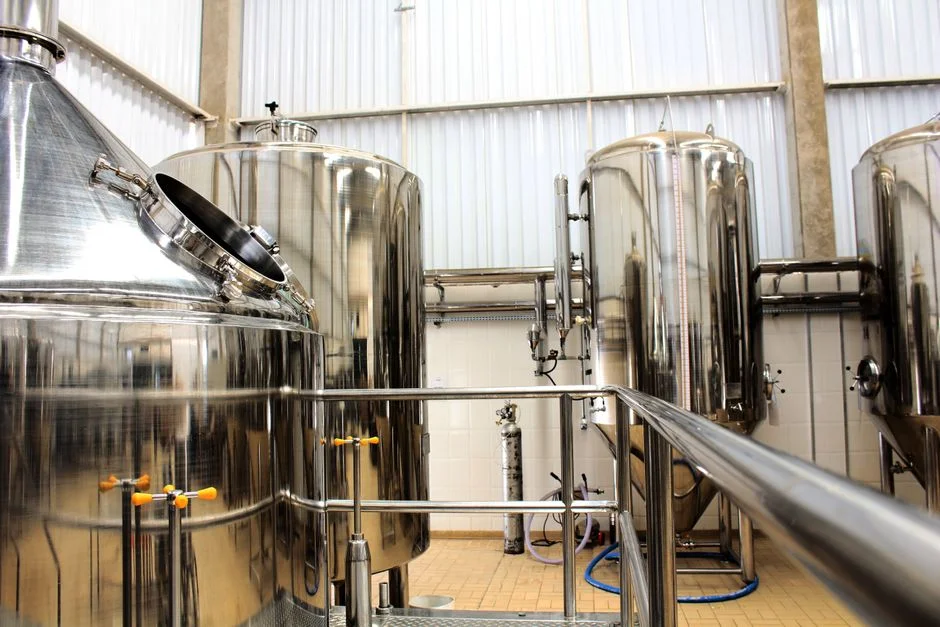
DAF is a bubble-attachment process, while lamella clarification is a gravity-separation process; this basic difference determines which factory contaminants each unit can remove reliably.
In DAF, clean-water startup is followed by recycle saturation and pressurization. Air dissolves into the recycled water, bubbles form when that stream enters the flotation tank, and conditioned contaminants attach to the bubbles. Surface skimming recovers floating sludge, clarified water is recycled or discharged, and a separate bottom zone collects settled material.
Clearwater Industries’ April 2026 source identifies microbubbles of 30–50 microns. Aries specifies approximately 30-micron bubbles and recycle-system operation at approximately 100 psi. Those are source-specific configurations, not universal DAF requirements. The relevant design question is whether representative Saint George contaminants attach reliably under the proposed conditioning and recycle conditions.
Conditioning should be evaluated in sequence. pH adjustment prepares the influent, coagulation reduces particle repulsion, and flocculation creates larger flocs. Successful bubble attachment is a process dependency, not an assumed outcome. Poorly conditioned light solids can overload the skimming and float-handling route.
Lamella clarification uses flocculation, sludge recirculation, inclined plates and hopper withdrawal. Inclined plates increase effective separation area, but the installed package still needs space for conditioning, recirculation, sludge collection, access and utilities. Dense solids that settle poorly but float reliably may favor DAF after conditioning; stable heavy solids favor clarification.
| Design element | DAF | Lamella clarifier |
|---|---|---|
| Primary mechanism | Microbubble attachment and surface flotation | Flocculation, recirculation and inclined-plate settling |
| Best-fit contaminants | Floatable oils, FOG and conditioned light solids | Dense or reliably settleable solids |
| Chemical dependency | Reliable bubble attachment depends on effective conditioning | Flocculation and recirculation support separation |
| Recovered material | Skimmed float plus separately collected bottom solids | Hopper withdrawal and recirculated sludge |
| Source-specific configuration evidence | 30–50 micron bubbles in Clearwater Industries’ April 2026 source; approximately 30 micron bubbles and approximately 100 psi recycle in Aries’ source | 20–40 m/h surface loading in HydropureWater specifications |
| Decision evidence needed | Attachment, float stability, skimming behavior and chemical demand | Settling behavior, hopper withdrawal, recirculation stability and sludge volume |
The units should be compared as complete treatment trains. An industrial DAF system includes more than a flotation tank, while a lamella clarifier must be evaluated with its flocculation, recirculation, sludge and access requirements.
Size both systems from hydraulic and contaminant duties
Equipment must be sized for average, peak, cleanup and batch flows, but flow capacity alone cannot establish contaminant capacity.
HydropureWater’s DAF catalog covers 4–300 m³/h across 13 standard models. The supplied research explicitly states that this model range is not a sizing recommendation. HydropureWater also specifies lamella surface-loading rates of 20–40 m/h. That is a supplier design parameter to check against the confirmed hydraulic and solids duty, not proof that a proposed clarifier will handle the Saint George application.
A unit can pass the selected flow rate while failing to float oily or conditioned solids consistently, or while receiving a high-solids batch that exceeds its solids-handling capacity. The sizing package should therefore state the design flow, contaminant loads, batch duration, equalization assumptions, selected duty point and any simultaneous-operation scenario.
Require each supplier to explain how its configuration handles batch discharge, recycle, equalization, skimming or sludge withdrawal, clean-water startup and upset conditions. Jar-test or pilot results should establish separation performance and chemical demand before final dimensions are accepted. A data-led DAF capacity calculation illustrates the need to work from measured hydraulic and contaminant duty rather than catalog range.
| Sizing input | DAF evaluation | Lamella evaluation |
|---|---|---|
| Hydraulic flow | Average, peak, cleanup and batch rates; equalization and recycle | Average, peak, cleanup and batch rates; selected surface-loading duty |
| Contaminant load | FOG, floatable solids and conditioned contaminant mass | TSS, settleable solids and high-solids batch load |
| Separation test | Attachment, flotation rate, float stability and skimming | Settling rate, clarity, recirculation and hopper withdrawal |
| Batch response | Equalization, clean-water startup and float-handling capacity | Hydraulic response and sludge collection during batch loading |
| Supplier documentation | Selected duty point, recycle, skimming and controls | Selected duty point, plate loading, recirculation and sludge withdrawal |
Do not accept a model number as the design. Accept a documented duty point tied to representative wastewater, with margin and operating consequences defined for peak and batch conditions.
Use test evidence instead of universal removal percentages
The supplied research contains no matched DAF-versus-clarifier removal percentages for the same fabricated-metals wastewater, so a direct efficiency ranking would be unsupported.
The U.S. EPA’s January 1979 report Oxidation Ditch Treatment of Meatpacking Wastes recorded pilot DAF results of 63–93% grease removal, 43–80% COD removal and 50–83% suspended-solids removal. These figures belong to meatpacking wastewater and historical pilot conditions. They are not a guarantee, design basis or direct performance claim for metalworking wastewater in Saint George.
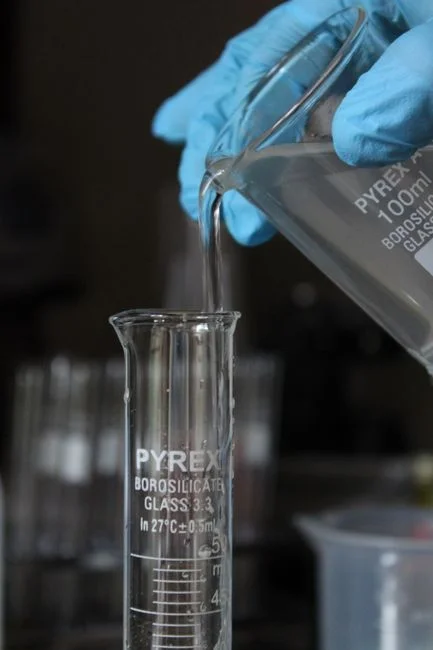
Jar or pilot testing should record chemical type and dose, pH, mixing conditions, flotation characteristics, settling behavior, recovered-solids properties and observed separation performance. For an oil-and-heavy-solids stream, compare a standalone clarifier with a hybrid DAF-to-solids-separator option using total sludge volume, moisture and downstream disposal burden.
Each trial and quotation must include the chemical train: pH control, coagulation, flocculation, mixing, recycle, sludge withdrawal and maintenance access. Comparing flotation tanks without conditioning, or clarifiers without flocculation and recirculation, produces an incomplete comparison.
This is also where the DAF system engineering guide should be read as process guidance, not transferred performance data. The correct evidence for purchase is a treatment result obtained on representative Saint George wastewater under the proposed chemical and hydraulic program.
Compare quotations on lifecycle scope, not purchase price
Purchasing teams should compare DAF and lamella proposals against the same confirmed duty, treatment targets, wastewater results, batch assumptions and sludge-disposal route.
Request drawings, materials schedules, duty points, chemical consumption, footprint, utilities, maintenance access, controls, instrumentation, startup services, warranty, local service capability and downstream sludge handling from every supplier. Require each bidder to explain how the proposed configuration handles equalization, batch discharge, recycle, skimming or hopper withdrawal, and recovered-solids removal.
Do not infer corrosion-resistant construction from a DAF source and apply it automatically to a clarifier bid. Obtain the materials schedule separately for each configuration. The comparison should also identify which chemical, mixing, control and sludge-access items are included rather than left as exclusions.
HydropureWater advertises a lamella chemical-consumption reduction of up to 30%. This is a supplier claim, not proof for Saint George wastewater, and should be checked against the tested chemical program and quotation.
The supplied research contains no comparable DAF and lamella purchase prices. Do not build the budget from generic online ranges. Request equal-scope quotations and evaluate chemical demand, footprint, utilities, maintenance, startup, controls and disposal consequences.
| Evaluation item | Equal-scope question for each bidder | Supporting evidence |
|---|---|---|
| Process basis | Which confirmed flows, loads and treatment targets does the proposal cover? | Representative wastewater data and selected duty point |
| Chemical scope | Which pH, coagulation, flocculation and mixing provisions are included? | Jar-test or pilot chemical program |
| Equipment and access | What footprint, utilities, maintenance clearance and materials are included? | Drawings, materials schedule and utility list |
| Controls and support | Which controls, instrumentation, startup, training, warranty and local service are included? | Written scope and service commitments |
| Residuals | What sludge and float properties, handling steps and disposal route are assumed? | Measured recovered-solids properties |
| Performance | Which measured conditions and guarantees apply, and what exclusions remain? | Test results tied to representative wastewater |
Evaluate a plate-and-frame filter press for sludge dewatering only after the measured sludge properties and available disposal route are known. More dewatering-method comparisons can support that later decision, but dewatering does not eliminate the need to compare total residual-management burden.
A staged selection process for Saint George factories
A defensible award follows a sequence of documented gates: characterize, define, test, permit-check, quote equally, and select against measured performance.
- Characterize the wastewater. Sample production, cleanup and batch-discharge conditions, with separate flow and contaminant records for major streams.
- Define the controlling requirement. Separate oil and FOG removal from particulate-solids removal, dissolved-metal treatment, hydraulic control and residual handling.
- Test the alternatives. Run jar tests or pilot work on conditioning, flotation and settling. Compare DAF, lamella clarification and, where justified, a hybrid train.
- Confirm the permit basis. Obtain written Saint George discharge and pretreatment requirements from the receiving authority.
- Issue equal-scope requests. Require drawings, duty point, materials, utilities, controls, instrumentation, startup support, warranty, local service and performance criteria tied to representative wastewater.
- Award against the complete train. Select the configuration that meets confirmed targets with the lowest evaluated lifecycle burden—not the highest generic removal claim or lowest purchase price.
The permit check should precede final sizing because local requirements determine which contaminants and concentrations must be controlled. The metals-plant sewer pretreatment requirements discussion provides useful context, but it cannot substitute for confirmation from Saint George’s actual receiving authority.
The final review should show the chain from source characterization to trial results, selected configuration, quoted duty, controls and residual route. If a supplier cannot connect its proposal to that chain, the proposal is not yet comparable. This approach also protects against buying a clarification package for light oil, a DAF package for heavy settleable solids, or either unit on the assumption that dissolved metals will be removed.
Frequently Asked Questions
How much does a DAF or lamella clarifier cost for fabricated-metals wastewater in Saint George?
The supplied research contains no comparable DAF and lamella purchase prices, so a defensible budget cannot be built from generic online ranges. Request equal-scope quotations based on the same confirmed flow and contaminant duty, representative wastewater results, chemical package, controls, utilities, startup support and sludge-disposal assumptions. Then compare chemical demand, footprint, maintenance, service and downstream residual handling rather than purchase price alone.
How should DAF or clarifier capacity be sized for a Saint George factory?
Average flow is insufficient. Establish average, peak, cleanup and batch flows, then add TSS, FOG or other relevant contaminant loads and use jar-test or pilot results to establish separation behavior and chemical demand. The supplier must identify the selected duty point and explain equalization, recycle, skimming or sludge withdrawal during batch conditions. HydropureWater’s 4–300 m³/h DAF model range is catalog coverage, not a Saint George sizing recommendation.
What should a wastewater-equipment supplier provide before being selected?
Require application testing, a defined materials schedule, drawings, duty point, utility requirements, controls and instrumentation scope, startup support, warranty terms, local service access and performance criteria tied to representative wastewater. The supplier should also identify how the configuration handles batch discharges, chemical conditioning and the recovered-sludge route. Generic removal claims do not satisfy this documentation check.
What discharge requirements apply to a Saint George fabricated-metals factory?
No Saint George-specific discharge limits were supplied in the research. The factory must obtain written confirmation from the receiving sewer authority or other permitting authority before finalizing treatment targets, performance guarantees and equipment sizing. Process selection can begin with wastewater testing, but local compliance criteria must be confirmed separately rather than inferred from another metals facility or a generic guide.