Containerized vs Permanent Wastewater Plants: 2025 Engineering Comparison with Costs, Data & Decision Tree
Containerized wastewater treatment plants deploy in 3–6 months with 90–95% TSS removal, while permanent plants require 2–5 years but offer 97–99% TSS removal and lower long-term OPEX. For 2025 projects, containerized systems cost $500–$1,200/m³/day (CAPEX) with $0.15–$0.30/m³ OPEX, versus $800–$2,000/m³/day (CAPEX) and $0.10–$0.25/m³ OPEX for permanent plants. Use this guide’s decision tree to match plant type to your project’s timeline, footprint, and compliance needs.When to Choose Containerized vs Permanent Wastewater Plants: A 2025 Decision Framework
Selecting the optimal wastewater treatment plant type hinges on a project's unique operational constraints and strategic objectives. Containerized wastewater treatment plants are ideal for rapid deployment scenarios, offering flexibility and speed where traditional construction timelines are prohibitive. For instance, an emergency response to a sudden industrial discharge event, a temporary construction camp in a remote area requiring immediate sanitation, or rapid urbanization projects needing phased infrastructure expansion often benefit from containerized solutions. These systems, like HydropureWater’s WSZ Series containerized sewage treatment plants, can be operational within weeks, providing a crucial advantage for projects with tight deadlines or uncertain long-term needs. Conversely, permanent wastewater plants are non-negotiable for projects demanding long-term stability, high capacity, and the most stringent discharge limits. This includes municipal contracts spanning 20+ years, high-flow industrial sites with consistent wastewater streams, or facilities discharging into sensitive water bodies requiring the highest level of treatment. While they demand significant upfront investment and extended construction periods, their durability and operational efficiencies justify the commitment for enduring projects. Hybrid systems, which combine permanent infrastructure with containerized pretreatment or secondary treatment units, are increasingly common for phased projects, enabling rapid initial deployment followed by gradual expansion. This approach is particularly effective in scenarios like rapid data center growth, where initial water treatment needs can be met quickly with containerized units while permanent facilities are under construction, as noted in industry analyses. To aid in this critical decision, consider the following simplified decision tree flowchart:- Start: Project requires wastewater treatment.
- Question 1: Permit deadline < 12 months?
- Yes: Go to Question 2.
- No: Go to Question 3.
- Question 2: Site footprint < 500 m² or temporary site?
- Yes: Recommended plant type: Containerized.
- No: Go to Question 3.
- Question 3: Influent COD > 1,000 mg/L (high strength industrial)?
- Yes: Go to Question 4.
- No: Go to Question 5.
- Question 4: Discharge to sensitive waterbody (e.g., protected river, drinking water source)?
- Yes: Recommended plant type: Permanent (with advanced tertiary) or Hybrid.
- No: Recommended plant type: Permanent (standard) or Hybrid.
- Question 5: Project lifespan > 10 years and future expansion likely?
- Yes: Recommended plant type: Permanent or Hybrid.
- No: Recommended plant type: Containerized or Hybrid.
Engineering Specifications: Containerized vs Permanent Plants Side-by-Side
| Metric | Containerized Plants | Permanent Plants | Notes |
|---|---|---|---|
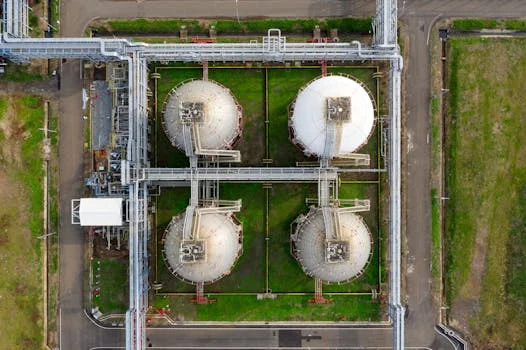
| Influent TSS (mg/L) | 200–1,000 | 200–3,000 | Permanent plants handle higher variability and shock loads. |
| Effluent TSS (mg/L) | 10–30 | 5–15 | Permanent plants achieve lower with tertiary filtration. |
| COD Removal (%) | 85–95 | 90–99 | Permanent plants can integrate advanced oxidation for refractory organics. |
| Hydraulic Loading (m³/m²/day) | 0.5–1.2 | 0.8–2.0 | Permanent clarifiers and bioreactors allow higher volumetric loading. |
| Footprint (m²/m³/day) | 0.1–0.3 | 0.2–0.5 | Containerized is 50–70% smaller due to compact, integrated design. |
| Energy Consumption (kWh/m³) | 0.4–0.8 | 0.3–0.6 | Permanent plants optimize aeration and pumping for long-term efficiency. |
2025 Cost Breakdown: CAPEX, OPEX, and ROI for Containerized vs Permanent Plants
Effective financial planning for wastewater treatment projects requires a clear understanding of both capital expenditures (CAPEX) and operational expenditures (OPEX) across the plant's lifecycle. The upfront investment and ongoing costs differ significantly between containerized and permanent systems, directly impacting return on investment (ROI) timelines.| Cost Factor | Containerized Plants | Permanent Plants | Notes |
|---|---|---|---|
| Equipment ($/m³/day) | $500–$1,200 | $800–$2,000 | Containerized includes pre-assembly, testing, and often initial transport/install. |
| Civil Works ($/m³/day) | $50–$200 | $300–$1,000 | Permanent requires extensive foundations, basins, and buildings. |
| Permitting ($) | $10K–$50K | $50K–$200K | Permanent plants face stricter environmental reviews and longer approval processes. |
| Total CAPEX ($/m³/day) | $600–$1,500 | $1,200–$3,500 | Containerized is often 40–60% cheaper upfront due to modularity and reduced site work. |
| Cost Factor | Containerized Plants | Permanent Plants | Notes |
|---|---|---|---|
| Energy ($/m³) | $0.15–$0.30 | $0.10–$0.25 | Permanent plants optimize for long-term efficiency with larger equipment and better process control. |
| Labor ($/m³) | $0.05–$0.15 | $0.03–$0.10 | Containerized may require more frequent, specialized maintenance or remote monitoring. |
| Chemicals ($/m³) | $0.08–$0.20 | $0.05–$0.15 | Permanent plants benefit from bulk purchasing and optimized dosing strategies. |
| Maintenance ($/m³/year) | $0.05–$0.12 | $0.03–$0.08 | Containerized systems may have higher replacement costs for compact components. |
Regulatory Compliance: How Containerized and Permanent Plants Meet Global Standards
| Standard | Containerized Plants | Permanent Plants | Notes |
|---|---|---|---|
| EPA 40 CFR Part 503 (US) | Yes (Class A/B biosolids) | Yes (Class A biosolids) | Containerized may need additional disinfection for Class A biosolids. |
| EU Urban Waste Water Directive 91/271/EEC | Yes (with tertiary) | Yes | Permanent plants are often easier to permit for sensitive areas (e.g., nutrient removal). |
| China GB 18918-2002 | Yes (Grade 1B) | Yes (Grade 1A) | Permanent plants are generally designed to achieve higher effluent grades (e.g., 1A) more consistently. |
| WHO Guidelines for Drinking-water Quality | Yes (with RO post-treatment) | Yes (with advanced treatment) | Containerized systems typically require additional post-treatment (e.g., reverse osmosis) for potable reuse. |
Real-World Applications: Containerized vs Permanent Plants in Action
Examining real-world applications provides tangible insights into the strengths and limitations of containerized and permanent wastewater treatment solutions. These case studies highlight how project-specific needs drive the selection of plant type, often leading to innovative hybrid approaches. A 2024 mining site in Kazakhstan exemplified the utility of containerized solutions. Facing a tight timeline for environmental compliance during a 3-year exploration phase, the operation deployed a HydropureWater’s WSZ Series containerized sewage treatment plant with a capacity of 50 m³/day. This system met temporary discharge limits for TSS and BOD, with a CAPEX of $120,000 and an OPEX of $0.22/m³. Its modular design allowed for rapid deployment in just 8 weeks, avoiding costly delays to the mining schedule. In contrast, a 2023 municipal upgrade in Shandong, China, demanded a permanent solution for a growing urban population. This project involved the installation of a 10,000 m³/day A/O + MBR (Anaerobic/Anoxic/Oxic + Membrane Bioreactor) system. With a CAPEX of $18 million and an OPEX of $0.14/m³, the facility was designed for a 25-year lifespan, accommodating future population growth. The construction timeline spanned 3 years, reflecting the complexity and scale of permanent infrastructure. A hybrid approach proved optimal for a 2025 food processing plant in Vietnam, which experienced significant seasonal variations in wastewater flow and organic load. The plant installed a permanent DAF (Dissolved Air Flotation) system for robust pretreatment of high-strength industrial wastewater, followed by a series of containerized MBR units to handle seasonal capacity spikes. This strategy resulted in a 30% lower CAPEX compared to a fully permanent plant of equivalent peak capacity, offering both foundational stability and operational flexibility. Such hybrid systems demonstrate the strategic value of combining the best attributes of both plant types. Lessons learned from these projects indicate that containerized plants often require approximately 20% more intensive operator training due to their compact layouts and integrated, often automated, systems. Conversely, permanent plants benefit from around 15% lower chemical costs over time due to the economies of scale achieved through bulk purchasing and optimized storage solutions for reagents. Further insights into regional compliance and supplier selection can be found in regional compliance guides for containerized plants.Frequently Asked Questions
Q: What are the three types of wastewater treatment plants?
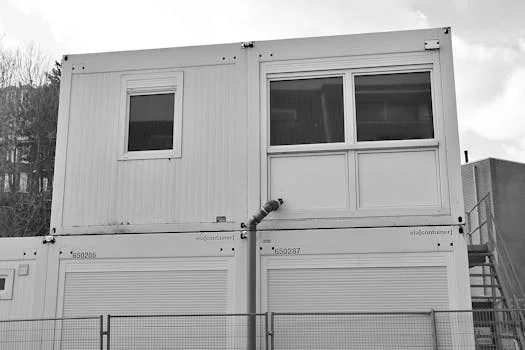
A: The three primary types of wastewater treatment plants are: (1) Containerized plants: Modular, mobile systems designed for rapid deployment in temporary or remote sites, such as HydropureWater’s WSZ Series containerized sewage treatment plants; (2) Permanent plants: Fixed infrastructure built for long-term municipal or industrial use, offering extensive customization and durability; and (3) Hybrid systems: Combinations that integrate permanent pretreatment or primary treatment with containerized secondary or tertiary units, often used for phased projects or to manage variable loads. Containerized plants typically dominate for projects with <5-year timelines, while permanent plants are standard for projects exceeding 10 years.
Q: What is the difference between ETP and CETP?
A: ETP (Effluent Treatment Plant) is a wastewater treatment facility dedicated to treating the effluent from a single industrial facility, such as a textile mill or pharmaceutical plant. ETPs are designed to handle specific industrial pollutants. In contrast, CETP (Common Effluent Treatment Plant) serves multiple industries located within an industrial park or cluster, treating a combined influent stream from various sources. Containerized plants are often suitable for ETPs due to their flexibility and ability to be scaled or relocated, while CETPs typically necessitate permanent infrastructure to manage the higher volumes and variable influent characteristics from multiple industries.
Q: What are the disadvantages of STP plants?
A: For containerized STP plants, disadvantages include generally higher OPEX ($0.15–$0.30/m³ compared to $0.10–$0.25/m³ for permanent plants), limited scalability beyond approximately 500 m³/day, and potential regulatory hurdles for long-term applications where authorities may question their permanence. For permanent STP plants, the main disadvantages are their high CAPEX ($1,200–$3,500/m³/day), extended 2–5 year construction timelines, and inherent inflexibility for site relocation or significant capacity changes. Both plant types may struggle with treating refractory organics (e.g., certain pharmaceuticals or industrial chemicals) without the integration of advanced tertiary treatment processes.
Q: Can containerized plants meet China’s GB 18918-2002 Grade 1A standards?
A: Yes, with specific configurations and caveats. Containerized MBR (Membrane Bioreactor) or A/O (Anaerobic/Anoxic/Oxic) systems coupled with robust tertiary filtration (e.g., HydropureWater’s JY Series) can achieve the stringent Grade 1A standards for effluent quality, including TSS (<10 mg/L) and COD (<50 mg/L). However, permanent plants are generally preferred for discharge into sensitive water bodies due to their ability to handle higher hydraulic loading, incorporate redundancy for reliability (e.g., dual clarifiers), and ensure more consistent compliance over extended periods. Always verify project-specific requirements with the local EPB (Environmental Protection Bureau).
Q: How much does it cost to relocate a containerized wastewater plant?
A: The cost to relocate a containerized wastewater plant typically ranges from $5,000 to $20,000, depending on several key factors. These include: (1) Transport distance and logistics: Oversized load permits and specialized transport can cost $2–$5 per mile; (2) New site preparation: Expenses for leveling, compacting a pad, and utility connections can range from $1,000–$5,000; and (3) Recommissioning and testing: Reconnecting, testing, and calibrating the system at the new location typically costs $2,000–$10,000. For projects requiring frequent relocations (more than 3 moves), considering leasing containerized units may be a more cost-effective option to offset high relocation and capital depreciation costs.