
Can a Belt Press Handle Slaughterhouse Wastewater?
A belt filter press can dewater slaughterhouse wastewater sludge, but it works best as a downstream dewatering step after solids and FOG are controlled—not as a treatment for raw slaughterhouse effluent. Academic field research found suspended solids of 6,000–25,000 mg/L and FOG of 12,000–35,000 mg/L in affected slaughterhouse streams, making upstream screening, DAF, and sludge conditioning essential. HydropureWater’s 2026 comparison reports 22–28% cake dryness for belt presses on slaughterhouse sludge and $40,000–$150,000 typical installation cost. A plate-and-frame press may be preferable above 50 m³/day of sludge flow or when drier cake is required for landfill or incineration.
A belt filter press is a continuous gravity and low-pressure filtration machine: conditioned sludge enters between moving belts, water passes through the filter cloth, and a solids cake is discharged at the end of the filtration and dewatering zones. It does not replace screening, fat removal, thickening, biological treatment, chemical conditioning, or discharge control.
The defensible application is slaughterhouse primary sludge after solids capture, FOG control, thickening, and polymer conditioning. Raw lairage wastewater, paunch material, blood, and emulsified FOG should not be fed directly to the press. They can overload the filtration zone, blind the cloth, destabilize cake release, and shorten belt and cloth life.
HydropureWater’s 2026 guidance positions belt presses for smaller processors or pre-dewatering duty, particularly where cake does not need to meet a demanding landfill or incineration dryness specification. If the objective is maximum solids recovery before disposal, compare the belt press with the plate-and-frame sludge dewatering alternative.
Why Slaughterhouse Sludge Is Difficult to Dewater
Water Science & Technology reported suspended solids of 6,000–25,000 mg/L in lairage and paunch wastewater and FOG of 12,000–35,000 mg/L in slaughterhouse streams containing fats, oils, and grease. In the same full-scale study, a 500 μm hydrasieve removed 75% of suspended solids, and a 200 μm externally fed rotary drum filter removed 55%, with remaining solids removed in a primary clarifier.
These contaminants affect dewatering through different mechanisms. Blood proteins can increase bound water and make the feed chemically sensitive. Emulsified FOG can coat the cloth and obstruct filtration. Fibrous paunch and rumen material can bridge around filter openings, retain moisture, and abrade the cloth during discharge.
HydropureWater’s 2026 guidance states that abrasive paunch and rumen fibers can reduce cloth life from a target of 800–1,500 cycles to under 300 cycles if a screening or chopping step is omitted. That makes upstream solids control a direct determinant of press economics, not merely a pretreatment preference.
Size the installation from representative sludge characteristics, not total plant wastewater flow. Require the supplier to receive a waste characterization covering stream segregation, SS, FOG, pH, flow variability, solids concentration, and expected solids delivery rate. The rotary mechanical bar screen should be evaluated as part of that upstream train.
| Characteristic | Research finding | Design consequence |
|---|---|---|
| Suspended solids | 6,000–25,000 mg/L in lairage and paunch wastewater, Water Science & Technology, 2022 | Screening and primary solids removal are required before reliable press sizing. |
| FOG | 12,000–35,000 mg/L in slaughterhouse streams containing fats, oils, and grease, Water Science & Technology, 2022 | Free-oil and FOG control are needed to limit cloth blinding and unstable cake release. |
| Hydrasieve removal | 75% SS removal at 500 μm, Water Science & Technology, 2022 | Coarse solids capture reduces the quantity and abrasiveness of material reaching the press. |
| Externally fed rotary drum filter removal | 55% SS removal at 200 μm, Water Science & Technology, 2022 | Progressive solids removal can protect downstream filtration and clarify the feed. |
| Cloth life | Target 800–1,500 cycles; under 300 cycles without screening or chopping for abrasive fibrous material, HydropureWater, 2026 | Include fiber removal and a documented cloth-replacement criterion in the proposal. |
The Slaughterhouse Sludge Treatment Train
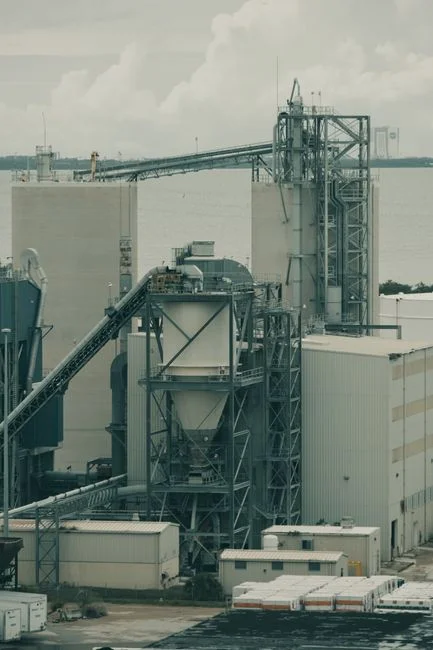
The belt press should be the final dewatering unit in a controlled treatment train: segregate slaughterhouse streams, screen solids, remove free oil and FOG, thicken the sludge, condition it with polymer, dewater it continuously, and separately manage cake and filtrate. Each stage has a distinct function, and a failure upstream cannot be corrected reliably by increasing press capacity.
The full-scale precedent in S1 treated slaughterhouse effluent streams separately according to the degree of similarity. A 500 μm hydrasieve and 200 μm externally fed rotary drum filter progressively removed larger solids fractions before primary clarification. This approach is relevant to belt-press design because it controls the amount, abrasiveness, and consistency of material delivered to the filtration zones.
HydropureWater’s 2026 data show that dissolved air flotation can lift feed total solids from 0.5–1.5% to 3–6%, reducing required filtration area by 40–60% and press capital cost by roughly 30%. A DAF system for slaughterhouse sludge thickening should therefore be evaluated as part of the press train rather than as an unrelated treatment unit.
FOG removal must precede final dewatering. Emulsified fat can blind cloth and increase wash frequency; free oil carried into the press can reduce cake stability. Screen the selected flows before thickening, then verify the thickened feed’s solids concentration and FOG condition during startup.
Polymer preparation and feed control should be designed with the press. HydropureWater’s 2026 operational finding states that adjusting pH to 6.5–7.5 before polymer addition can reduce PAM consumption by 15–25%. An automatic chemical dosing system for polymer and pH control helps maintain dose and preparation conditions across production changes, but it must be tested with representative sludge.
Filtrate returns to the treatment process only after the plant’s process and permit requirements have been considered. A belt press is a dewatering device—not a substitute for wastewater treatment, solids capture, FOG removal, or regulatory compliance.
Belt Press Specifications That Determine Performance
Required filtration area should be selected from conditioned-feed solids, hydraulic loading, expected cycle performance, and operating hours. Raw wastewater flow alone cannot produce a defensible belt-press specification, particularly when slaughterhouse production varies and upstream thickening is part of the project scope.
HydropureWater’s 2026 comparison identifies DAF-thickened feed at 3–6% total solids and states that DAF can reduce press filtration-area requirements by 40–60%. The proposal should show the calculation chain: measured feed solids, design flow, selected belt loading, operating hours, and expected product consistency. If any of those inputs are missing, the capacity remains provisional.
| Specification item | Buyer requirement |
|---|---|
| Feed basis | Specify whether the basis is raw wastewater, thickened sludge, or conditioned sludge. Give flow, total solids, FOG, pH, and variability. |
| Belt width and length | Require the supplier to state how the dimensions relate to the guaranteed feed rate and operating envelope. |
| Filtration area | Show the duty calculation using conditioned-feed solids, hydraulic loading, operating hours, and the DAF-thickening contribution. |
| Filtration stages | State the number and function of gravity and low-pressure sections, including how each stage contributes to solids capture. |
| Drive power | Require confirmation that belt speed, torque, and startup load cover the specified feed and start-up conditions. |
| Hydraulic pressure | State the low-pressure filtration range and the method used to limit excessive squeezing or belt damage. |
| Wash system | Define wash-water supply, flow or sequence control, cloth-cleaning criteria, and maximum consumption assumptions. |
| Cake discharge | Describe belt press cake discharge, collection, and transfer, including performance for fibrous or sticky solids. |
| Controls | Specify continuous or fully automatic PLC operation according to labor requirements, alarms, interlocks, and duty selection. |
| Feed sludge flow | State normal and peak feed rates and the hours per day for which each applies. |
| Accessories | Include belt tensioning, alignment tracking, emergency bypass or shutdown behavior, filtrate interception, wash-water control, and condition monitoring. |
No belt press in the supplied HydropureWater catalog supports a claim for a particular belt width, pressure, or capacity. The buyer should request a guaranteed duty point tied to a site-specific feed basis rather than accept generic production figures. The broader slaughterhouse wastewater filter press selection guide provides useful context, but the final duty basis must come from the actual treatment train.
Polymer Conditioning and Filter-Cloth Protection
HydropureWater’s 2026 field data indicate that blood- and FOG-laden slaughterhouse sludge generally requires 3–8 kg of active cationic polyacrylamide per ton of dry solids. This is a starting range for testing, not a guaranteed operating dose; the accepted value must come from representative-solids trials and subsequent startup adjustment.
Cationic grades are generally preferred because the supplied slaughterhouse guidance identifies positively charged protein colloids in blood-laden sludge. An anionic grade may perform differently, but its suitability should be demonstrated rather than assumed. Dose on an active-polymer and dry-solids basis so the proposal cannot obscure differences between commercial product strength and active polymer mass.
The supplied maturation period is 30–60 minutes in dilution water at 0.05–0.3% concentration. Require jar or pilot testing to establish the product, dose, dilution concentration, and maturation time together. The automatic dosing system must maintain those conditions during startup, production peaks, and feed changes.
HydropureWater’s 2026 finding that pH control to 6.5–7.5 can lower PAM consumption by 15–25% makes pH adjustment a testable operating variable. Record polymer consumption against dry solids processed and filtrate return characteristics during commissioning.
Cloth protection depends on removing abrasive fibrous material before the press. HydropureWater’s 2026 guidance states that cloth life can fall from a target of 800–1,500 cycles to under 300 cycles when screening or chopping is omitted for raw paunch and rumen fibers. A mechanical solids-capture step should be evaluated against the actual waste stream.
Require the supplier to define belt and cloth materials, expected life under the stated feed conditions, washing frequency, replacement criteria, and expected maintenance intervals when FOG blinding occurs. Also request pricing for replacement cloth and belts so lifecycle cost does not appear only after award.
Belt Press vs. Plate-and-Frame and Screw Press
Belt presses are continuous and can suit smaller processors or pre-dewatering, while plate-and-frame presses are favored when drier cake or higher solids recovery justifies batch operation. Screw presses may fit poultry processors with lower-FOG streams, but the final choice depends on feed reliability, disposal route, labor, and operating hours.
| Criterion | Belt press | Recessed plate-and-frame | Membrane plate-and-frame | Screw press |
|---|---|---|---|---|
| Feed condition | Well-conditioned, screened and thickened sludge | Conditioned sludge with a controllable batch cycle | Conditioned sludge requiring stronger squeeze | Conditioned sludge; reported suitability for lower-FOG poultry streams |
| Operation | Continuous | Batch | Batch | Continuous |
| Cake dryness on slaughterhouse wastewater | 22–28%, HydropureWater, 2026 | 60–68%, HydropureWater, 2026 | 63–72% at 15–25 MPa squeeze pressure, HydropureWater field data, 2026 | May struggle above 35% on blood- and fat-laden sludge, HydropureWater, 2026 |
| Polymer demand | 3–8 kg/t DS active C-PAM reported for slaughterhouse sludge, HydropureWater, 2026 | 3–8 kg/t DS reported, HydropureWater, 2026 | 3–8 kg/t DS reported, HydropureWater, 2026 | 6–10 kg/t DS C-PAM may be needed above 35% dryness on blood- and fat-laden sludge, HydropureWater, 2026 |
| Capital profile | $40,000–$150,000 installed, HydropureWater, 2026 | Higher equipment and installation cost | Higher equipment and installation cost | Not stated in supplied research |
| Footprint | Continuous line arrangement; no supported numerical footprint | Substantial plate, hydraulic-pack, and chute footprint | Substantial plate, hydraulic-pack, and chute footprint | Compact |
| Labor | Continuous automatic operation reduces manual handling | PLC operation reduces manual cycle attention | PLC operation reduces manual cycle attention | Continuous operation |
| Best fit | Smaller processors or pre-dewatering where drier cake is unnecessary | Mid-to-large plants requiring substantially drier cake | Off-site disposal requiring 65% dryness or more | Poultry processors with lower-FOG streams |
HydropureWater’s 2026 guidance states that a plate-and-frame press is favored above 50 m³/day of sludge flow or when cake goes to landfill or incineration. This is a procurement rule, not a universal performance limit. A belt press remains defensible when its lower dryness is acceptable, continuous duty matches labor availability, and the waste has been adequately conditioned.
Compare total cost rather than purchase price alone. A wetter cake increases hauling and disposal quantities, while more frequent cloth washing increases water and downtime. For a stringent disposal route, request a plate-and-frame dewatering proposal alongside the belt-press quotation.
Budgeting the Belt Press Investment
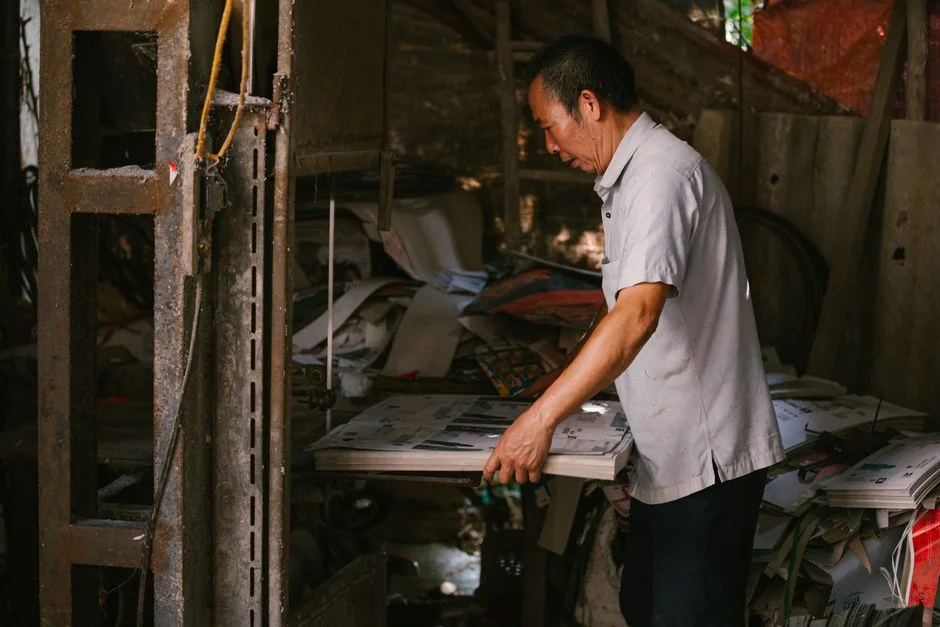
HydropureWater’s 2026 installed belt-press cost benchmark is $40,000–$150,000. It is an installed-system benchmark, not a universal quotation. A narrow commercial listing places hydraulic belt press units at $3,999.00–$39,999.00 per piece, which demonstrates why an equipment-only listing cannot be treated as the project budget.
| Budget item | Information required |
|---|---|
| Press equipment | Clarify whether the quote includes belts, cloth, drive, hydraulic or low-pressure system, controls, cake chute, and auxiliary vessels. |
| Foundation and installation | Obtain civil works, mechanical installation, connections, commissioning support, and site labor. |
| Polymer preparation | Price the automatic chemical dosing package, mixing, maturation, tanks, and controls. |
| Wash-water supply | Identify the required supply, piping, metering, and any water-use restrictions. |
| Cake handling | Price discharge, conveying, storage, loading, and the final disposal interface. |
| Filtrate collection | Include interception, pumping, return routing, and any required treatment. |
| Controls and electrical supply | Specify PLC scope, instruments, interlocks, alarms, power, and installation. |
| Training and contingency | Include operator training, spares, documentation, startup support, and project contingency. |
Annual polymer exposure can be calculated from the supplied dose and price ranges. At 3–8 kg active C-PAM per ton of dry solids and $3–$6/kg of C-PAM, each ton of dry solids represents $9–$48 in annual polymer cost before multiplying by annual dry-solids throughput. This is an exposure calculation, not a universal plant cost; actual consumption depends on tested conditioning performance and the supplier’s chemical-price basis.
Cake disposal can dominate the operating budget. HydropureWater’s 2026 slaughterhouse guidance reports 15–18 t/day of cake for a 10 t DS/day plant and $220,000–$790,000 per year in tipping plus transport under its stated disposal assumptions. Therefore, request a disposal sensitivity that compares the belt press’s 22–28% cake dryness with the available disposal alternatives.
Confirm equipment and installed price, lead time, scope, and performance guarantees in the final supplier proposal. The DAF thickening option should be priced in the same project model because HydropureWater’s 2026 comparison links DAF-thickened feed to lower filtration-area requirements and lower press capital cost.
A Practical Selection and Commissioning Checklist
The selection process should move from representative waste characterization to a site-specific duty basis, then from controlled trials to measurable commissioning acceptance.
- Characterize representative wastewater and sludge by stream. Include SS, FOG, pH, feed total solids, flow, variability, abrasive fiber content, and the destination of filtrate.
- Confirm upstream segregation, screening, FOG removal, and thickening. Establish the solids mass and consistency delivered to the press.
- Run screening, thickening, and polymer-response trials using representative solids. Use the results to finalize belt width, filtration area, hydraulic loading, and chemical dosage.
- Review exceptional conditions, including blood, emulsified FOG, fibrous paunch material, production surges, and seasonal changes. Define feed limits and the response for an upset.
- Require a FAT and SAT with measurable criteria for cake dryness, filtrate quality, belt tracking, wash effectiveness, cake discharge, automatic controls, and emergency shutdown.
- Obtain training, maintenance intervals, spare-parts availability, replacement pricing for belts and cloth, and a written performance guarantee before acceptance.
Reassess the selected architecture during this review. HydropureWater’s 2026 guidance identifies above 50 m³/day of sludge flow and landfill or incineration disposal as conditions favoring a plate-and-frame press. That review should occur after representative testing, because belt-press economics depend on upstream control and the cake’s destination.
The slaughterhouse wastewater filter press selection guide can support preliminary comparisons, but acceptance criteria should use site data, the final equipment proposal, and current permit and disposal requirements.
Frequently Asked Questions
How much does a belt filter press for slaughterhouse wastewater cost?
HydropureWater’s 2026 benchmark is $40,000–$150,000 for an installed belt-press system, while a narrow commercial listing shows $3,999.00–$39,999.00 per hydraulic belt press unit. These figures cover different scopes. Request an itemized quote separating the press, foundation, installation, controls, polymer preparation, wash-water supply, cake handling, filtrate collection, electrical work, training, and contingency.
Is a belt filter press suitable for slaughterhouse sludge?
Yes, as a downstream dewatering device for conditioned sludge. Water Science & Technology reported 6,000–25,000 mg/L SS in lairage and paunch wastewater and 12,000–35,000 mg/L FOG in slaughterhouse streams in 2022. Require stream segregation, solids capture, FOG control, thickening, polymer conditioning, and representative testing before final sizing.
When is a plate-and-frame press better than a belt press?
HydropureWater’s 2026 guidance favors a plate-and-frame press above 50 m³/day of sludge flow or when cake is sent to landfill or incineration. Request a disposal-cost comparison using actual cake moisture, transport distance, permitted moisture limits, and available destinations rather than relying on dryness alone.
How much polymer does a slaughterhouse belt press require?
HydropureWater’s 2026 field data give 3–8 kg of active cationic PAM per ton of dry solids for blood- and FOG-laden slaughterhouse sludge. The supplied guidance also states that pH adjustment to 6.5–7.5 can reduce PAM consumption by 15–25%. Establish the dosage through jar or pilot testing and specify chemical cost per kilogram of active polymer.
How should the belt press be sized?
Final sizing requires conditioned-feed total solids, hydraulic loading, sludge flow, operating hours, and pilot or supplier performance data. HydropureWater’s 2026 comparison states that DAF can lift feed total solids from 0.5–1.5% to 3–6% and reduce filtration-area requirements by 40–60%. Provide the supplier with measured feed data and require the capacity calculation and guarantee to use the same basis.
Related Equipment
- DAF system for slaughterhouse sludge thickening — specifications, capacity range, and technical data