What Does a Slaughterhouse Filter Press Cost in 2026?
A filter press for slaughterhouse wastewater in 2026 typically costs $15,000–$50,000 for small plants under 3 TPH solids, around $250,000 for medium 15–50 TPH facilities, and up to $1,000,000 for large multi-press installations over 100 TPH. Plate-and-frame presses dominate the SWW segment because they consistently achieve 60–68% cake dryness on 3–8% total solids sludge dosed with 3–8 kg/t DS of polyacrylamide. (source: ChemREADY 2024 cost guide)
Budgeting a 2026 press purchase requires separating the equipment line item from the install-and-commission line items, because vendors quote them differently. The press itself is only 40–60% of the landed cost for most SWW installations. ChemREADY's 2024 small-plant band of $15,000–$50,000 covers a manual or semi-automatic plate press on a 1–5 m² frame — enough for a small red-meat or poultry processor running under 3 TPH of dry solids (source: ChemREADY, 2024).
The mid-tier — medium SWW plants at 15–50 TPH — sits at roughly $250,000 for a single automated 30–60 m² plate-and-frame press, and the upper tier of multi-press lines above 100 TPH reaches $1,000,000 once you stack redundancy, automatic plate shifters, and full PLC skids (source: ChemREADY, 2024). For processors evaluating the used-equipment market, Met-Chem and Beckart list 8.5 cu ft pilot-grade units between $16,000 and $18,000 — viable for backup duty or pilot trials but not continuous production (source: Met-Chem, 2026 inventory).
Hidden line items move the real budget 30–50% higher than the press sticker:
- Installation labor: $10,000 small / $50,000+ large, plus travel (source: ChemREADY, 2024).
- Crane rental: $225/hr small crane, $300/hr large crane, billed for 25–50% of install time (source: ChemREADY, 2024).
- Polymer activation and dosing skid (separate capital line, see dosing section).
- Sludge conveyor or cake screw under the press: $8,000–$25,000.
CAPEX is the equipment and install check you cut once. OPEX is the polymer, power, wash water, and cake-disposal check you cut every cycle for the next 15–20 years. The rest of this article sizes those recurring costs against the SWW-specific engineering reality the press is actually dewatering.
| Plant size (solids basis) | Press CAPEX band | Typical configuration | Install add-on |
|---|---|---|---|
| Under 3 TPH | $15,000–$50,000 | Manual 1–5 m² plate press | $10,000–$20,000 |
| 3–15 TPH | $60,000–$150,000 | Semi-auto 10–25 m² press | $20,000–$35,000 |
| 15–50 TPH | ~$250,000 | Auto 30–60 m² plate-and-frame | $30,000–$50,000 |
| 50–100 TPH | $400,000–$700,000 | Auto 80–150 m², PLC, cake wash | $50,000–$80,000 |
| 100+ TPH | Up to $1,000,000 | Multi-press line, full automation | $80,000–$150,000+ |
| Used / pilot (8.5 cu ft) | $16,000–$18,000 | Beckart / JWI / Sperry | Not included |
Why Slaughterhouse Sludge Is Harder to Dewater Than Municipal Biosolids
Slaughterhouse wastewater is industrial wastewater characterized by high contaminant load, dissolved and suspended blood, fat, paunch content, and soluble proteins — a matrix with no municipal analog (source: Springer Nature Link, 2024-08 review of SWW remediation). That definition is the starting point for every equipment decision downstream, because a filter press designed for waste-activated biosolids will under-perform on SWW unless the upstream conditioning is re-engineered.
The first measurable difference is feed solids concentration. SWW primary sludge after dissolved air flotation (DAF) typically runs 3–8% total solids (TS), compared to 0.5–1.5% TS for raw municipal biosolids before thickening — a 4–10× concentration advantage that directly shrinks the required press filtration area and cycle volume. The second is FOG and emulsified fat: raw SWW carries 200–800 mg/L of fats, oils, and grease, and emulsified fat blinds filter cloth, drives higher polymer demand, and forces more frequent wash cycles than municipal duty.
Blood proteins are the third and most punishing component. Soluble blood proteins raise bound-water content, generate stable foam in the feed tank, and demand cationic polyacrylamide (C-PAM) rather than anionic grades — anionic PAM is the workhorse in municipal WAS but flocculates poorly on the positively charged protein colloids in blood-laden sludge. The fourth is paunch manure and rumen content: fibrous, high in undigested feed, abrasive, and capable of scoring filter cloth. Any press treating beef or sheep offal streams needs a screening or chopper pre-step ahead of the polymer skid, or the cloth life target of 800–1,500 cycles will collapse to under 300.
Plate-and-Frame vs Belt Press vs Screw Press for SWW
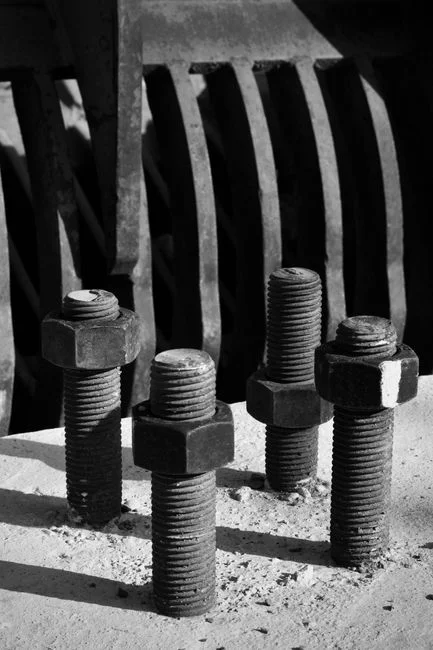
Three press architectures are realistic candidates for SWW dewatering: recessed-plate and membrane plate-and-frame presses, belt presses, and screw presses. Each has a defined operating envelope against the 3–8% TS, FOG, blood, and paunch matrix described above. The head-to-head table below is what you should be screenshotting and circulating to procurement.
| Press type | Cake dryness on SWW | Filtration area / footprint | CAPEX band | Labor intensity |
|---|---|---|---|---|
| Plate-and-frame (recessed) | 60–68% | 1–500 m²; large footprint | $60K–$1M+ | Low to moderate (automated) |
| Membrane plate-and-frame | 63–72% | 1–300 m²; large footprint | $120K–$1.2M+ | Low (automated) |
| Belt press (gravity + low-pressure) | 22–28% | Compact; 1–4 m belt width | $40K–$150K | Moderate; continuous watch |
| Screw press | 25–35% | Very compact; single shaft | $50K–$200K | Low; minimal operator time |
Plate-and-frame presses are the dominant choice for mid-to-large SWW plants because they deliver the driest cake (60–68% solids on conditioned SWW), the broadest turndown ratio, and the lowest transport and tipping cost at landfill. They run as batch units with 60–120 minute cycles, accept either recessed or membrane plates, and scale from 1 m² pilot frames to 500 m² production lines. The trade-off is capital cost and footprint — a 60 m² press with its hydraulic pack and cake chute occupies 25–40 m² of floor area.
Belt presses are continuous and cheaper to install ($40,000–$150,000), but they only reach 22–28% cake dryness on SWW, which means more polymer per ton of dry solids and a heavier cake to haul. They suit small processors and pre-dewatering duty ahead of drying beds. Screw presses are the emerging option for poultry processors handling lower-FOG streams — low energy, low water, compact — but they struggle above 35% cake dryness on blood- and fat-laden SWW unless polymer-conditioned to a C-PAM dose of 6–10 kg/t DS.
Decision rule: above 50 m³/day of sludge flow, or whenever the cake goes to landfill or incineration, plate-and-frame wins on total cost of ownership. Below 20 m³/day with on-site land application, belt or screw press economics dominate. HydropureWater's plate and frame filter press covers the 5–500 m² range that handles the SWW mid-to-large segment.
Sizing the Filter Press: Area, Cycle Time, and Sludge Throughput
Translating a daily sludge volume into a press spec follows a small number of rules. For SWW plate-and-frame presses on 4–6% feed TS after DAF thickening, the working rule is 8–15 m² of filtration area per m³/day of sludge. A 50 m³/day plant therefore needs a 400–750 m²-rated press, usually configured as a single 100–200 m² unit running two to three cycles per shift, or two parallel 60–100 m² units on staggered cycles for buffer capacity.
Cycle time drives throughput. SWW sludge typically runs 60–120 minutes per batch — fill (10–20 min), hold/press (30–60 min), wash (5–10 min), discharge (10–15 min). Longer hold time pushes cake dryness above 65% but cuts daily throughput proportionally. Membrane plates shorten the hold phase by applying a squeeze at 15–25 MPa, which is how membrane presses reach 70%+ cake dryness without extending the cycle beyond 90 minutes.
Chamber volume is the throughput currency: 1 m³ of chamber volume holds roughly 350–450 kg of dry solids, depending on cake density (1.1–1.25 kg/L for conditioned SWW). Plate count and plate size follow from area: a 30 m² press uses 25–35 plates at 630×630 mm or 800×800 mm, and the choice between recessed and membrane plates is the single biggest lever on final cake moisture — specify membrane if the cake goes to landfill and you need to clear 65% dryness consistently.
The Upstream Train: DAF, Polymer Dosing, and Sludge Conditioning
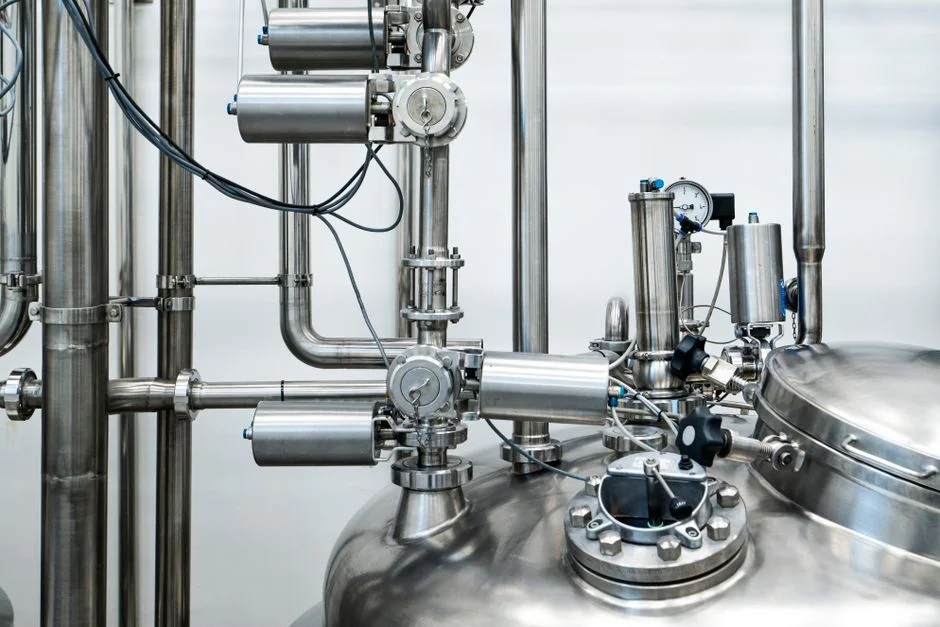
The filter press is the last unit operation in a chain, and the chain's performance is set by the units in front of it. Dissolved air flotation (DAF) thickens SWW sludge from 0.5–1.5% TS to 3–6% TS before the press, which cuts required filtration area by 40–60% and lowers press CAPEX by roughly 30% — pairing a DAF ahead of the press is the single highest-leverage capital decision in the SWW dewatering train. The dissolved air flotation system handles 5–300 m³/h of SWW feed at the flow rates typical of mid-to-large slaughterhouses.
Polymer dose is the second lever. SWW sludge typically consumes 3–8 kg of active polyacrylamide (PAM) per ton of dry solids; cationic grades with 40–80% charge density are standard for high blood and FOG sludge because the positively charged protein colloids respond to C-PAM flocculation. Polymer activation requires 30–60 minutes of maturation in dilution water at 0.05–0.3% concentration, fed through an inline static mixer into the press feed tank. An automatic polymer dosing skid sized to the press feed rate is the cleanest way to keep dose rate and maturation time steady across shifts.
pH control to 6.5–7.5 before polymer addition optimizes floc size and reduces PAM consumption by 15–25% on SWW — a meaningful line item given that polymer is the largest recurring OPEX. Coagulants (PAC or ferric chloride at 5–15 kg/t DS) are sometimes added upstream of the PAM dose to precipitate phosphates and improve floc shear strength, particularly on streams with high blood-protein loading.
Operating Cost Breakdown: Polymer, Power, Labor, Cake Disposal
Annual OPEX for a 10 t DS/day SWW plant running a 60 m² plate-and-frame press breaks down across four lines, and polymer dominates. At a 5 kg/t DS dose and $3–$6/kg for C-PAM, polymer alone runs $55,000–$110,000 per year — typically 40–55% of total OPEX. Power is a smaller line: the hydraulic pump and feed pump draw 15–40 kWh per cycle on a 30 m² press, which works out to $0.08–$0.15 per kg of dry solids processed at industrial electricity rates.
Labor depends on automation. Manual presses need 1–2 hours of operator attention per cycle; PLC-automatic presses cut that to under 15 minutes per cycle and reduce operator headcount by 0.5–1.0 FTE per shift. Cake disposal often dwarfs every other OPEX line: at 65% cake dryness, 200 kg of cake per m³ of chamber, and landfill tipping fees of $40–$120/ton, a 10 t DS/day plant produces 15–18 t/day of cake and spends $220,000–$790,000/year on tipping plus transport. Drier cake is the cheapest improvement you can make.
Wash water and cloth life round out the recurring costs: 1–3 m³ of wash water per cycle, and filter cloth replacement every 800–1,500 cycles depending on FOG blinding and paunch-fiber abrasion. The companion engineering specs and selection guide for plate-and-frame filter presses covers the cloth-spec and wash-cycle selection in more detail.
Selection Framework: Matching Press Type to Plant Size and Discharge Route
Match the press class to three variables: daily sludge volume, cake discharge route, and feed TS reliability. The framework below is the one-page rule most SWW procurement teams use to shortlist vendors before asking for quotes.
- Under 20 m³/day, on-site land application: belt press or screw press, $40,000–$200,000 CAPEX. Accept 22–35% cake dryness because the cake stays on-site.
- 20–100 m³/day, landfill or incineration disposal: plate-and-frame, 20–80 m² filtration area, $80,000–$400,000 CAPEX. Specify membrane plates if you need >65% cake dryness to clear landfill moisture specs.
- Above 100 m³/day, multi-shift operation: multi-plate automatic press with 100–500 m² area, $400,000–$1,000,000+ CAPEX. Budget a redundant press for uptime.
- Feed TS below 2% consistently: budget a DAF thickener upstream before the press, or the press will be oversized by 2–3×. The belt filter press engineering guide and the high-salinity wastewater treatment guide both cover the upstream-thickener decision in adjacent process contexts.
Frequently Asked Questions
How much does a filter press for slaughterhouse wastewater cost in 2026?
A 2026 SWW filter press costs $15,000–$50,000 for small plants under 3 TPH, around $250,000 for 15–50 TPH facilities, and up to $1,000,000 for multi-press lines over 100 TPH (source: ChemREADY, 2024).
What cake dryness can a plate-and-frame press reach on slaughterhouse sludge?
Recessed-plate presses consistently reach 60–68% cake dryness on 3–8% TS SWW sludge; membrane-plate presses reach 63–72% at 15–25 MPa squeeze pressure (HydropureWater field data, 2026).
What polymer dose rate is typical for SWW sludge dewatering?
Cationic polyacrylamide at 3–8 kg of active polymer per ton of dry solids is the standard dose for blood- and FOG-laden SWW sludge, with 40–80% charge density (HydropureWater field data, 2026).
How much does a DAF thickener reduce filter press CAPEX?
A DAF thickener ahead of the press cuts required filtration area by 40–60% and reduces press CAPEX by roughly 30% by lifting feed solids from 0.5–1.5% to 3–6% TS (HydropureWater field data, 2026).
What is the landfill moisture target for SWW cake?
Most U.S. landfills accept dewatered sludge cake below 65% moisture content, which is why plate-and-frame presses at 60–68% dryness are the default for off-site disposal (per typical landfill acceptability criteria).