Define the Tomsk Blowdown Treatment Problem
A data center in Tomsk generally needs a chemistry-led cooling blowdown train that removes suspended solids and biofilm, controls scaling, concentrates or reduces dissolved salts, and then either returns treated water to the cooling loop or prepares it for an authorized discharge route. A practical baseline is side-stream filtration, ultrafiltration and industrial reverse osmosis, with performance defined by makeup-water analysis, target cycles of concentration and blowdown flow. KETOS estimates that 20–30% of evaporative cooling water is returned as wastewater. HydropureWater reports that RO can recover 50–85% of blowdown and produce 10–50 mg/L TDS permeate. The final route must be selected using current Russian permit requirements, receiving-system capacity and cold-climate design data.
Evaporative cooling removes water by evaporation, while dissolved minerals and treatment chemicals remain and concentrate in the liquid that leaves the loop. Water Utility Report, updated 2026-04-14, describes the resulting blowdown as concentrated wastewater containing elevated salts and residuals from biocides, corrosion inhibitors and other treatment chemicals. KETOS’s water balance assigns 70–80% of evaporative-cooling water to evaporation and 20–30% to liquid discharge, so blowdown must be included in the facility’s wastewater balance rather than treated as an incidental drain.
Two operating inputs control most downstream decisions: the target cycles of concentration and a current makeup-water analysis. Cycles determine how far salts and treatment chemicals concentrate; the makeup analysis establishes the baseline for hardness, silica, alkalinity and conductivity. Neither value can be safely inferred from another Russian city’s water supply.
The cooling configuration must also be confirmed. Open evaporative cooling, sealed closed-loop systems, direct liquid cooling and hybrid arrangements have different water balances and wastewater routes. UGA Extension’s 2026 bulletin reports that closed-loop cooling can reduce water consumption by up to 70% compared with traditional open evaporative cooling, but a residual wastewater assessment is still required for leakage, incidental evaporation and other losses. Related site-planning methods are discussed in the Herat data center blowdown treatment guide and the Tlalpan data center wastewater treatment guide.
| Required design input | Engineering use |
|---|---|
| Average and peak blowdown flow | Establishes hydraulic basis and equipment sizing. |
| Cooling-loop volume and evaporation rate | Closes the water balance for evaporation, blowdown, makeup and reuse. |
| Cooling configuration | Defines whether continuous blowdown, controlled purge or intermittent discharge applies. |
| Makeup-water source and analysis | Defines feed chemistry, scaling risk and baseline TDS. |
| Chemical program | Identifies treatment residuals that pretreatment must address. |
| Target cycles and reuse percentage | Determines concentrate load and recovery objective. |
| Receiving route | Links the treatment endpoint to sewer, discharge or zero-liquid-discharge requirements. |
Characterize the Waste before Selecting Equipment
Cooling-blowdown chemistry must be measured before membrane equipment is selected because dissolved solids, scaling ions and treatment chemicals create different fouling and separation problems. HydropureWater’s Krasnoyarsk engineering analysis, published in 2026, gives a general benchmark rather than a Tomsk result: blowdown at four cycles may contain 1,200–6,000 mg/L TDS and have a TDS concentration four to eight times that of the makeup water. The same analysis reports a general suspended-solids benchmark of 10–50 mg/L, attributed to corrosion products, biofilm fragments and airborne dust.
Those values are screening references, not design inputs for a Tomsk facility. The local makeup source could be municipal water, groundwater or another supply, and each has a different ionic composition. A representative sampling campaign should capture normal operating conditions rather than relying on a single grab sample.
| Parameter | Why it affects design | Minimum request from the operator |
|---|---|---|
| pH and conductivity/TDS | Control corrosion, rejection expectations and concentrate load. | Current source and blowdown analyses with sampling dates and methods. |
| Calcium, magnesium and alkalinity | Principal hardness and carbonate-scaling variables. | Complete concentrations sufficient to calculate saturation and scaling risk. |
| Silica | Constrains membrane recovery and may require special pretreatment. | Silica result for both source water and blowdown. |
| Sulfate, chloride and phosphate | Influence ionic loading, corrosion and treatment compatibility. | Quantified concentrations and relevant chemical forms. |
| Metals | Relevant if corrosion products or source-water contamination are present. | Site-specific metal scan rather than a generic metals panel. |
| Turbidity and suspended solids | Determine filter loading and UF feed condition. | Suspended-solids and turbidity results across representative operating periods. |
| Residual biocides, inhibitors and dispersants | Show the accumulation of cooling-system treatment chemicals. | Cooling-water chemical inventory and current SDS documents. |
Calcium, magnesium, silica and alkalinity are the principal scaling variables identified in the HydropureWater analysis. They determine whether reverse osmosis, nanofiltration or a hybrid separation train is technically appropriate. However, dissolved salts are not the only treatment requirement: the chemical inventory must be reviewed so that accumulated biocides, corrosion inhibitors, scale inhibitors and dispersants are addressed rather than assuming that membrane desalination removes them.
The project should request the cooling-water chemical inventory, safety data sheets, dosing logs, recent cleaning records and representative samples from the source, circulating loop and blowdown discharge. An automatic antiscalant and pH dosing skid can then be specified against confirmed membrane and scaling requirements rather than a generic chemical recipe.
Compare Reuse, Compliant Discharge and Zero Liquid Discharge
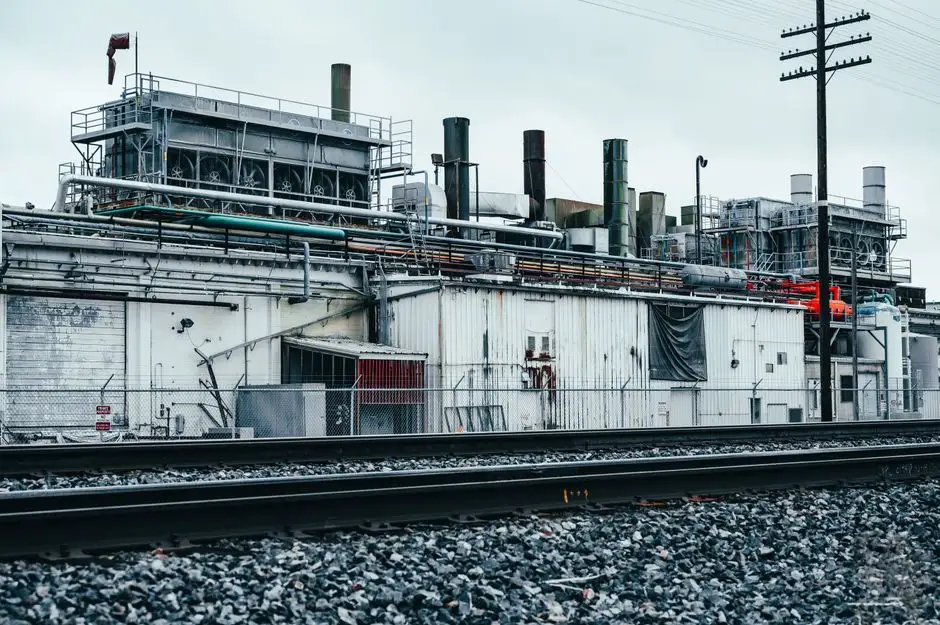
The endpoint follows from receiving constraints: cooling-tower makeup reuse maximizes freshwater conservation, compliant discharge reduces the concentrate sent to a receiving utility, and zero liquid discharge is a high-recovery option justified mainly when discharge is effectively prohibited or freshwater is unavailable. HydropureWater’s 2026 analysis provides the relevant separation benchmarks, but none replaces the need to confirm Tomsk’s current permit and utility conditions.
| Route | HydropureWater 2026 benchmark | Preferred when | Principal design issue |
|---|---|---|---|
| Cooling-tower makeup reuse | RO recovery of 50–85%; permeate TDS of 10–50 mg/L. | Freshwater is valuable or constrained, partial discharge is permitted, and the concentrate has an accepted route. | Recovered water must be blended or conditioned to meet cooling-water chemistry and operating-control requirements. |
| Compliant discharge after TDS reduction | NF recovery of 70–85%, with permeate TDS at 30–50% of feed. | The receiving utility accepts the concentrate and discharge is economically preferable to thermal treatment. | Current receiving limits and utility acceptance must be documented. |
| ZLD or partial ZLD | Full RO–MVC–crystallization can reach 95–99% overall recovery and leave 1–3% solid waste. | Discharge is effectively prohibited, freshwater is unavailable, or credible thermal integration supports the concept. | Capital, energy, salt handling and winterized thermal integration. |
The Krasnoyarsk analysis found no numeric basin discharge limits and directed operators to obtain current Roshydromet and Rosprirodnadzor requirements. The correct transfer to Tomsk is the verification principle, not the basin limits. The design team must obtain the current requirements applicable to the actual receiving segment and confirm acceptance with the relevant utility; no numeric Tomsk limit is established by the supplied research.
Waste heat is a decisive ZLD input. District-heating return or generator waste heat may support mechanical vapor compression, but the same 2026 HydropureWater analysis notes that few data centers have enough waste heat without purpose-built integration. Mechanical vapor compression is reported at 95–98% recovery, distillate below 10 mg/L TDS and an energy demand of 15–25 kWh per 1,000 gallons.
The decision rule is straightforward: favor reuse when freshwater is valuable and partial discharge is permitted; use compliant discharge when the receiving utility accepts the concentrate; consider ZLD when discharge is effectively prohibited, freshwater is unavailable or thermal integration is credible. The Calamba data center blowdown treatment guide provides a related endpoint comparison, but its local receiving assumptions should not be applied to Tomsk.
Build a Tomsk UF and RO Reuse Train
A modular side-stream filtration–UF–RO train is a defensible baseline for a Tomsk reuse project because it separates solids protection from dissolved-salt removal while keeping the final recovery target tied to measured chemistry. HydropureWater’s 2026 analysis specifies side-stream filters at 10–25 microns treating 1–5% of circulation flow; UF at 0.01–0.1 micron, 10–30 psi and 90–95% recovery; and RO feed filtration generally below 10–15 microns with antiscalant matched to the scaling chemistry.
The recommended process flow is side-stream filtration, optional multimedia or cartridge polishing, UF, antiscalant and pH control, industrial RO, permeate storage, and controlled return to cooling makeup. A multi-media pretreatment filter can provide the solids-management stage. The UF pretreatment for cooling blowdown uses 0.03-micron PVDF membranes according to the HydropureWater product catalog, accepts feed turbidity up to 300 ppm, and includes automatic backwash and air scour.
| Process stage | Design basis or function | Procurement requirement |
|---|---|---|
| Side-stream filter | 10–25 micron filtration of 1–5% of circulation flow, per HydropureWater 2026. | Confirm selected filter duty against calculated blowdown and side-stream flow. |
| UF | 0.01–0.1 micron pretreatment; 10–30 psi; 90–95% recovery in the cited analysis. | Specify membrane material, turbidity limit, backwash, air scour and controls. |
| Chemical control | Antiscalant matched to measured hardness, silica and alkalinity; pH adjusted for membrane compatibility. | Define chemical compatibility, storage, freeze protection and dosing basis. |
| Industrial RO | Recovery up to 95% in the product catalog; final blowdown recovery must be chemistry-dependent. | Require a site-specific recovery guarantee tied to feed analysis and cycles. |
| Permeate handling | Storage, blending and controlled return to cooling makeup. | Specify conductivity, pH, mixing and controls required by the cooling operator. |
| Concentrate handling | UF concentrate returns to blowdown; RO concentrate follows the selected endpoint. | State flow, chemistry, destination and permit responsibility for each stream. |
The industrial RO blowdown reuse system is catalogued for recovery up to 95%, PLC control and low chemical consumption. That catalog maximum is not a design guarantee: HydropureWater’s 2026 analysis reports blowdown RO recovery of 50–85%, depending on scaling potential. UF is primarily membrane protection rather than an additional net-water yield, so UF concentrate should return to the blowdown stream.
Instrumentation should include conductivity, differential pressure, turbidity, pH, silica and recovery. These parameters identify scaling or membrane fouling before system recovery declines. The equipment specification should also state whether permeate will be returned directly or blended into cooling makeup, because that decision affects the required product-water chemistry and controls.
Engineer the System for Siberian Winter Operations
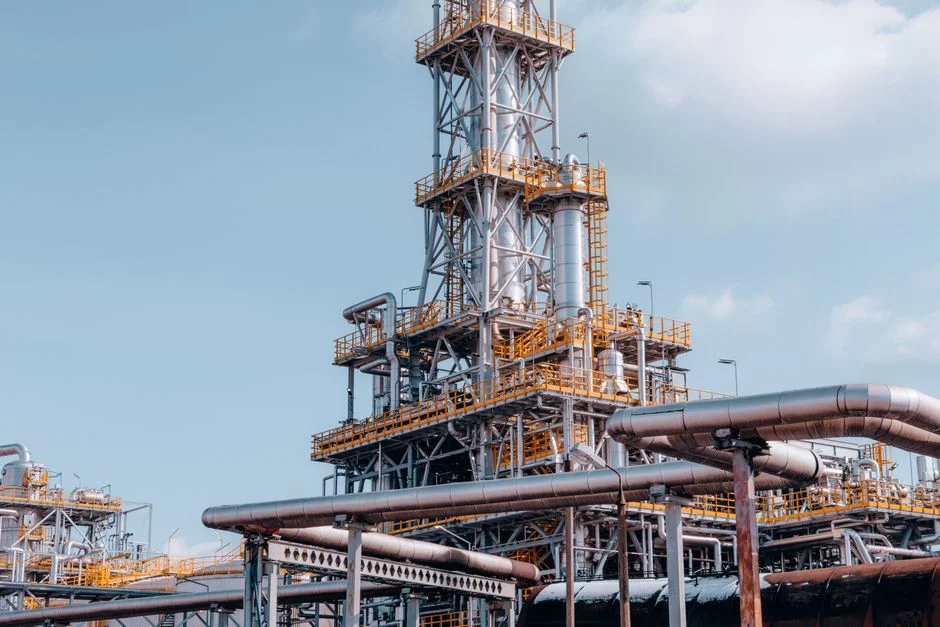
Winterization must be a contractual equipment requirement rather than an addendum after installation. HydropureWater’s 2026 central-Siberia guidance calls for outdoor membrane skids and RO vessels to be enclosed, with heat tracing and freeze-protected chemical-dosing lines. That lesson applies to Tomsk, but the equipment must be selected and documented for the facility’s specific winter ambient design temperature rather than a generic “cold-weather” classification.
Every exposed water-containing component needs a freeze-protection concept. Sample lines, valves, pumps, instrumentation and chemical tanks should be protected, and the design should define safe drainage and idle-water management during shutdown. Buildings, skids and piping should be coordinated so trapped liquid cannot remain in a freeze-sensitive state.
| Winter requirement | Information to request from bidders |
|---|---|
| Enclosure and heat tracing | Enclosure drawings, heat-tracing scope, heat demand and control method for outdoor skids and membrane vessels. |
| Freeze-protected dosing | Tank, line, pump and instrument details for antiscalant and pH chemicals; include drainage and minimum-temperature ratings. |
| Winter performance | Documented operability at the site’s winter ambient design temperature and minimum acceptable feed temperature. |
| Shutdown and restart | Safe drainage, membrane preservation, purge or flush sequence, and restart instructions for extended idle periods. |
| MVC or crystallizer integration | Waste-heat study with heat source, seasonal availability, exchanger arrangement and operating assumptions. |
| Russian documentation | Russian-language documentation, installation footprint and coordination approach for Roshydromet and Rosprirodnadzor requirements. |
For thermal treatment, the energy demand cannot be hidden behind an equipment-price comparison. The cited mechanical vapor-compression demand is 15–25 kWh per 1,000 gallons. A bidder should also provide documented cold-climate references covering enclosure, heat tracing, freeze-protected dosing and winter operation. The same 2026 analysis calls for a demonstrated Russian Federation installation footprint and coordination with the relevant authorities; it does not establish that one generic reference satisfies every Tomsk permitting requirement.
Replacement membranes should be specified as a separately priced consumable and checked against the enclosure and storage arrangement. The RO and UF membrane replacement elements page provides the product reference point for the bid schedule, but compatibility and storage conditions must remain part of the equipment scope.
Build the Commercial and Compliance Case
Equipment cost cannot be finalized without a measured blowdown flow, source-water analysis, target cycles and confirmed discharge requirements. HydropureWater’s 2026 analysis presents indicative—not Tomsk—benchmarks: side-stream filtration at $50,000–$200,000; a 50,000 GPD RO skid at $250,000–$500,000; mechanical vapor compression for 10,000–30,000 GPD at $1–3 million; and full data-center ZLD at $3–8 million. These are screening anchors for budget planning, not quotations or local prices.
The same source reports ZLD operating cost at $5–15 per thousand gallons treated. It also cites avoided discharge fees of $5–15 per thousand gallons in water-stressed regions, but those examples are not Tomsk tariffs. A local business case must use the actual freshwater price, sewer or discharge charge, electricity price, chemical consumption, membrane replacement interval and expected operating hours.
| Cost or commercial item | Treatment in the Tomsk budget |
|---|---|
| Indicative benchmark | Use the cited equipment and ZLD ranges only for initial screening, clearly labelled as non-local benchmarks. |
| Local quotation | Require a priced offer stating design flow, recovery basis, feed assumptions and exclusions. |
| Operating comparison | Compare freshwater and discharge costs locally with ZLD energy and consumable costs. |
| Permit condition | Do not finalize a discharge-based guarantee until current receiving requirements and utility acceptance are confirmed. |
| Performance guarantee | Specify recovery, permeate TDS and silica at the agreed cycles-of-concentration condition. |
| Lifecycle scope | State antiscalant assumptions, replacement interval, energy consumption, membrane storage and major exclusions. |
Procurement should compare a common scope across bidders. Each offer must state the flow basis, recovery basis, permeate guarantees for TDS and silica, antiscalant assumptions, replacement interval, energy consumption and exclusions. It should also separate the base skid from winterization, installation, chemical tanks, residual handling, commissioning, operator training and long-term membrane replacement.
The permit route belongs in the commercial conditions. HydropureWater’s 2026 analysis states that a local estimate remains unresolved without blowdown flow, makeup analysis, target cycles and applicable discharge limits. For Tomsk, that means current Roshydromet and Rosprirodnadzor requirements, plus written receiving-system acceptance where relevant, must be obtained before a bidder is asked to guarantee a discharge outcome. Spare treatment and piping components can be scoped separately; the treatment parts, valves and filter media reference provides a useful structure for checking omissions, but it does not replace the site-specific bill of materials.
Issue a Site-Specific Equipment Specification
A bid-ready specification should follow the design sequence rather than begin with a skid nameplate. First, confirm the cooling configuration and prepare an evaporation, blowdown, makeup and reuse mass balance. Second, complete source-water and blowdown sampling, review the cooling chemical inventory and SDS documents, and check the receiving system and applicable permit route. Third, select reuse, compliant discharge or ZLD using the endpoint framework, then complete the winterization and waste-heat review. Fourth, issue the equipment specification.
The skid specification should state feed and permeate parameters, a site-specific recovery target, materials of construction, instrumentation, PLC control, winter enclosures, heat tracing, utilities, commissioning tests and Russian-language documentation. Chemical control should cover antiscalant and pH adjustment through an automatic antiscalant and pH dosing skid. Replacement membrane elements should be separately priced, with compatibility and storage conditions identified through the RO and UF membrane replacement elements package.
Final acceptance should include a performance test at the agreed cycles of concentration, not a low-recovery demonstration using clean feed. The test protocol needs defined feed chemistry, recovery measurement, permeate TDS and silica criteria, and methods for recording pressure, flow, conductivity and antiscalant consumption. Operator training, preventive maintenance, membrane cleaning criteria and replacement planning should be contractual deliverables.
Frequently Asked Questions
What treatment is most suitable for cooling blowdown reuse in Tomsk?
Use side-stream filtration, UF and industrial RO as the baseline. HydropureWater’s 2026 analysis supports UF for solids and biofilm protection and reports RO recovery of 50–85% with 10–50 mg/L permeate TDS. The selected recovery and pretreatment must follow the actual makeup analysis, target cycles and current receiving requirements.
How much does industrial cooling blowdown treatment cost?
Use HydropureWater’s 2026 figures only as indicative screening: side-stream filtration at $50,000–$200,000, a 50,000 GPD RO skid at $250,000–$500,000, MVC at $1–3 million for 10,000–30,000 GPD, and full ZLD at $3–8 million. A Tomsk quotation requires the blowdown flow, makeup analysis, target cycles, discharge limits, winterization scope and local energy and water tariffs.
Should a Tomsk data center choose NF, RO or ZLD?
Choose NF when hardness is the principal constraint and its 70–85% recovery and 30–50% feed-TDS permeate are sufficient. Choose RO for broader desalination and blowdown reuse. Consider ZLD when discharge is effectively prohibited or freshwater is unavailable, and only after confirming that the required waste heat can be integrated. These benchmarks come from HydropureWater’s 2026 analysis.
What should a wastewater-treatment supplier guarantee?
Require a recovery guarantee at the site’s stated feed chemistry and cycles of concentration, plus permeate TDS and silica criteria. Also require evidence of winter operation at the specified design temperature, freeze protection, PLC controls, commissioning tests, Russian documentation and a defined membrane-replacement plan.
Can closed-loop cooling eliminate the need for blowdown treatment?
No. UGA Extension’s 2026 bulletin reports that closed-loop cooling can reduce water consumption by up to 70% compared with traditional open evaporative cooling, but leakage, incidental evaporation and other wastewater may remain. The site assessment should cover those residual flows and the treatment required before any reuse or discharge.