Herat's Three Defining Constraints for Blowdown Design
A Herat data center requires a modular 100–300 GPM blowdown treatment train for concentrated cooling wastewater containing salts, heavy metals, biocides, corrosion inhibitors, and thermal loads. Operating in a water-stressed basin lacking municipal sewer infrastructure, the facility must integrate equalization storage, PLC-controlled pH neutralization to hit a 6.0–9.0 discharge range, lamella clarification, multi-media filtration, and disinfection prior to tanker haul-off or percolation. Operating at 4 cycles of concentration (CoC), a 10 MW evaporative system draws roughly 15 million gallons monthly with a 25% blowdown fraction. Regulatory approval demands baseline chemical package reviews, certified laboratory testing, continuous monitoring, and written authorization from NEPA, ANDMA, and Herat municipality.
Source water in regional Afghan groundwater basins trends toward elevated total hardness and total dissolved solids (TDS), directly increasing cycles-of-concentration pressure on cooling loops (waterutilityreport.com, 2026-04-14). In Herat, raw groundwater chemistry accelerates mineral precipitation within cooling towers, loading blowdown streams with heavy metals and dissolved salts beyond standard western baselines. For engineering design teams accustomed to western municipal infrastructure, reviewing the Kabul blowdown treatment guide (baseline reference for Herat) provides an initial regional benchmark for high-TDS influent conditions.
Climate dynamics in Herat introduce severe physical loading challenges. The region's 120-day wind season (Bad-i-sad-o-bist-roz) running from May through September generates continuous ambient dust exposure significantly higher than Kabul's ambient profile. This airborne particulate load enters evaporative cooling towers via air intake and drift, dramatically elevating suspended solids in the recirculating water and forcing physical pretreatment toward multi-stage filtration upstream of any membrane process.
Electrical grid instability in Herat province reinforces physical-chemical skids over energy-intensive thermal separation. Standard thermal Zero Liquid Discharge (ZLD) crystallizers impose continuous megawatt-scale auxiliary power demands that destabilize islanded or generator-backed data centers. As noted in process analyses by genesiswatertech.com via S2, modular physical-chemical treatment skids offer grid-tolerant operations, making thermal ZLD a site-specific economic decision rather than a mandatory baseline. border-corridor transit through Hairatan rail terminal or the Torkham road pass adds 4 to 8 weeks to shipping schedules for heavy skid fabrications (genesiswatertech.com via S2), requiring procurement teams to freeze equipment footprints early in the design cycle.
Blowdown Chemistry and Flow Baseline for Herat
Cooling tower blowdown fraction equals 1/(CoC − 1), meaning operation at 4 cycles of concentration (CoC) yields roughly 25% blowdown while 6 CoC yields roughly 20% (genesiswatertech.com via S2). Increasing concentration cycles from 4 to 6 reduces total blowdown volume by approximately 5 percentage points rather than cutting it in half. Operating above 5 to 6 CoC without specialized chemical conditioning or membrane preconcentration causes exponential growth in scaling and biological fouling risks within the heat exchangers (genesiswatertech.com via S2).
Blowdown streams carry high concentrations of chlorides, sulfates, phosphates, residual oxidants or non-oxidizing biocides, and leached metallurgy such as copper and zinc (rspengineers.com via S2). Unadjusted blowdown routinely deviates from the standard 6.0–9.0 pH range due to concentrated alkaline minerals or acidic scale control agents. A typical 10 MW data center operating at 4 CoC consumes approximately 15 million gallons of makeup water monthly, generating approximately 3.75 million gallons of blowdown requiring treatment or controlled disposal (genesiswatertech.com via S2). Sizing scales linearly: a 5 MW facility generates roughly 1.9 million gallons monthly, while a 20 MW facility yields 7.5 million gallons.
Field operating data demonstrates that actual blowdown volumes routinely exceed theoretical mass balance calculations by 15% to 30% due to unmeasured drift, sump dumping, and emergency system purges (genesiswatertech.com via S2). Equalization tanks and downstream treatment units must be sized for 1.3 times the theoretical peak flow. If reclaimed municipal water or treated effluent is utilized for cooling makeup, engineers must re-evaluate biocide and anti-scalant dosing packages, as recycled makeup alters influent chemical dynamics (rspengineers.com via S2, waterutilityreport.com, 2026-04-14).
| Parameter | Raw Blowdown Range (Herat Basin) | Discharge / Pretreatment Target | Engineering Impact |
|---|---|---|---|
| pH | 5.5 – 9.5 S.U. | 6.0 – 9.0 S.U. | Requires automated acid/caustic dosing skid (rspengineers.com via S2) |
| Total Dissolved Solids (TDS) | 2,500 – 6,000 mg/L | Site-specific permit limit | Drives CoC limits and dictates RO preconcentration viability |
| Total Suspended Solids (TSS) | 80 – 350 mg/L (Wind Season) | < 30 mg/L (< 3 SDI for RO) | High dust loading requires clarification and media filtration |
| Copper / Zinc Metals | 1.5 – 8.0 mg/L combined | < 1.0 mg/L | Requires hydroxide/sulfide chemical precipitation step |
| Temperature | 95°F – 155°F | ≤ 150°F before physical treatment | Requires thermal equalization to protect downstream biology/polymers |
Treatment Train: Unit Operations Sequenced for Herat Conditions
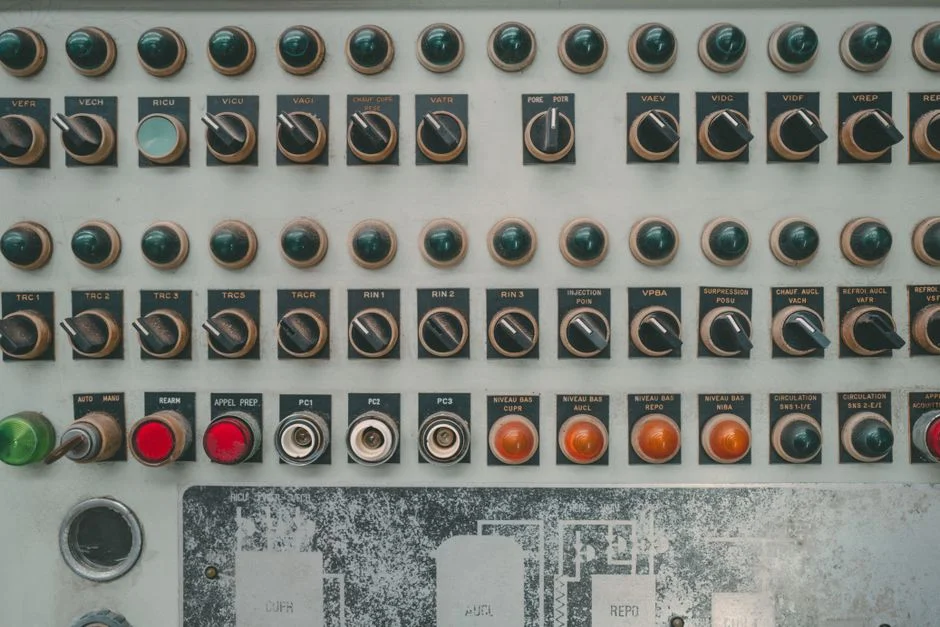
Equalization and cooling storage tanks ahead of physical-chemical treatment trains must keep wastewater temperatures at or below 150°F to prevent thermal impairment of downstream treatment processes (rspengineers.com via S2). Hydraulic equalization buffers peak purge volumes while allowing thermal dissipation. Downstream of equalization, raw blowdown enters a PLC-controlled pH neutralization and biocide dosing skid, which automates chemical addition to adjust pH within the mandatory 6.0–9.0 envelope and neutralize residual oxidants (rspengineers.com via S2).
Heavy metals removal and bulk solids reduction rely on chemical precipitation followed by a high-efficiency lamella clarifier for metals/TSS removal. Operating at surface loading rates of 20 to 40 m/h, lamella units optimize footprint requirements while removing precipitated copper, zinc, and heavy particulates (genesiswatertech.com via S2). Clarified overflow feeds into multi-media filtration for RO pretreatment and TSS polish to capture fine suspended carryover, reaching a Silt Density Index (SDI) below 3.0. For sizing comparisons across arid deployment zones, engineers can consult the Pelentong data center blowdown guide (modular 100–300 GPM sizing example) and the Cimahi data center blowdown guide (tropical, water-stressed comparison).
Biological stabilization requires pathogen control prior to handling or storage. Facilities deploy UV-C disinfection without disinfection by-products for clean streams, or an on-site ClO₂ generation for cooling-loop and blowdown disinfection skid when persistent microbicide residual is required for open storage tanks (rspengineers.com via S2). At facilities where discharge endpoints are unavailable or makeup costs are extreme, high-recovery RO preconcentration for ZLD or high-recovery reuse recovers up to 75% of blowdown volume. Membrane preconcentration reduces overall energy usage by approximately 50% and operational expenditure by roughly 30% compared to thermal-only crystallizer options (azuraconsultancy.com via S2). Non-membrane partial reuse schemes direct treated effluent to toilet flushing, landscape irrigation, or dust control, capturing water efficiency without full ZLD capex (azuraconsultancy.com via S2).
| Unit Operation | Primary Function | Target Parameter / Efficiency | Herat Design Parameter |
|---|---|---|---|
| Thermal Equalization Tank | Flow smoothing & cooling | Temp ≤ 150°F; 1.3× peak flow capacity | Minimum 48-hour hydraulic retention time |
| Chemical Dosing Skid | pH adjustment & precipitation | pH 6.0 – 9.0; metal hydroxide formation | Dual-redundant PLC control, automated acid/caustic feed |
| Lamella Clarifier | High-rate solids settling | TSS reduction > 85%; metals < 1 mg/L | 20 – 40 m/h hydraulic surface loading rate |
| Multi-Media Filter | Pre-RO polishing | TSS < 5 mg/L; SDI < 3.0 | Granular anthracite/sand media with backwash pump skid |
| UV / ClO₂ Disinfection | Microbial disinfection | 4-log pathogen inactivation | Zero disinfection by-products (UV) or residual control (ClO₂) |
| Reverse Osmosis Skid | Membrane preconcentration | 70% – 80% water recovery; high TDS rejection | Anti-scalant dosing skid with automatic membrane flush |
Permitting Pathway: NEPA, ANDMA, and Herat Municipality
Data center wastewater permitting in Afghanistan relies on a permit-by-negotiation framework with the National Environmental Protection Agency (NEPA), Afghanistan National Disaster Management Authority (ANDMA), and local municipalities rather than fixed NPDES-style pretreatment rules (rspengineers.com via S2). Project managers cannot rely on standardized municipal sewer acceptance limits. The project team must secure formal written documentation specifying the approved disposal endpoint—whether municipal sewer connection, off-site tanker haulage, or regulated on-site soil percolation—along with numeric discharge criteria for each pollutant (rspengineers.com via S2).
Discharging untreated or semi-treated industrial process water into public stormwater drains or dry riverbeds (wadis) is strictly forbidden under environmental regulations (rspengineers.com via S2). When off-site discharge endpoints are unavailable, facilities must engineer secure tank storage for certified liquid waste haulers or obtain site-specific percolation permits backed by hydrogeological impact studies. Industrial permits mandate the integration of permanent sampling ports, continuous inline pH monitoring, and electromagnetic flow meters directly into the physical skid design (rspengineers.com via S2). submitters must provide a full chemical audit of all cooling tower additives—including corrosion inhibitors, biocides, and dispersants—as a core prerequisite for permit filing (rspengineers.com via S2).
Supplier RFP Checklist: Afghanistan Logistics and Support
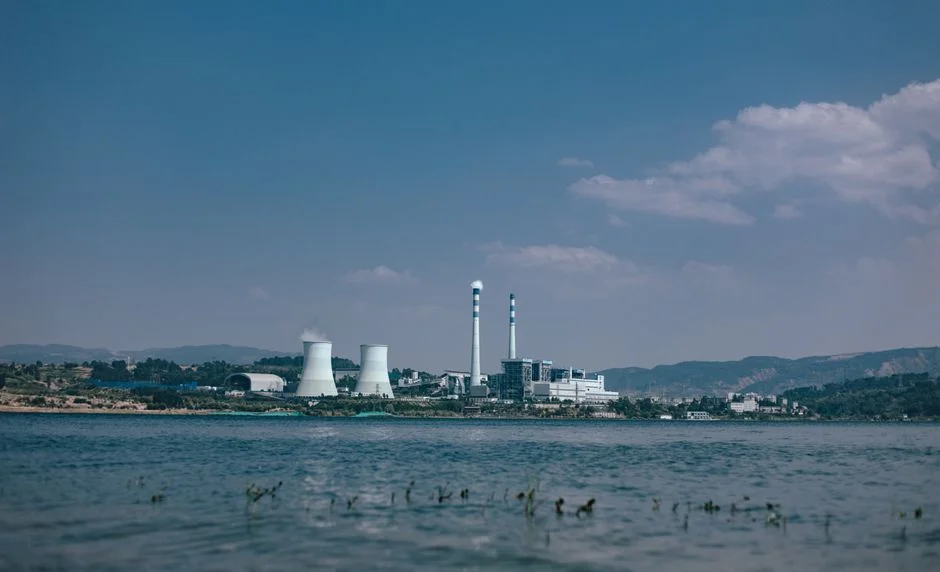
Delivering heavy industrial water treatment skids into Afghanistan via the Hairatan rail corridor or Torkham road pass typically adds 4 to 8 weeks to baseline equipment lead times (genesiswatertech.com via S2). Procurement specifications must require suppliers to demonstrate engineering experience with high-TDS raw water chemistry, cooling tower blowdown matrices, and grid-resilient skid design (rspengineers.com via S2). Supplier evaluation matrices must explicitly score vendor logistics plans, regional spare parts availability, and technical support frameworks.
| RFP Evaluation Category | Required Mandatory Specification | Verification Method |
|---|---|---|
| Technical Qualification | Documented high-TDS industrial blowdown installations | Provide 3 reference sites with active operator contact info (rspengineers.com via S2) |
| Logistics & Lead Time | Transit route mapping via Hairatan rail or Torkham road pass | Binding delivery schedule with financial delay penalty clauses (genesiswatertech.com via S2) |
| In-Country Support | Regional warehouse stocking of critical consumables & spares | Inventory audit of regional spare parts stocking (rspengineers.com via S2) |
| Automation & Controls | Grid-tolerant PLC control with offline remote diagnostics | Factory Acceptance Test (FAT) protocol showing auto-restart on power loss |
| Commissioning Services | On-site deployment of field engineers in Herat province | Scope of work inclusion for local operator training and startup support |
Frequently Asked Questions
What is the capital expenditure budget for a 100–300 GPM modular blowdown treatment skid in Herat?
Capital equipment costs depend heavily on the specified flow rate, materials of construction, and selected unit operations, and published standardized pricing for Afghan deployments does not exist in industry literature (rspengineers.com via S2). A baseline physical-chemical skid featuring automated pH neutralization and lamella clarification requires a footprint of several hundred square feet, whereas adding multi-media filtration, reverse osmosis preconcentration, and chemical sludge dewatering increases site footprint to several thousand square feet (rspengineers.com via S2). Buyers should request vendor proposals based on site-specific water analysis, target cycles of concentration, and explicit blowdown flow rates rather than relying on generic per-gallon pricing metrics (rspengineers.com via S2).
How should EPC procurement teams structure supplier contracts for Herat delivery logistics?
Procurement teams must incorporate realistic transit buffers and strict contractual protections to handle cross-border shipping realities through the Hairatan rail corridor or Torkham road pass, which routinely add 4 to 8 weeks to baseline equipment manufacturing schedules (genesiswatertech.com via S2). Equipment supply contracts should require vendors to commit to binding delivery milestone dates backed by financial delay liquidated damages for long-lead skids, including chemical dosing units, multi-media filters, and membrane arrays (genesiswatertech.com via S2). Buyers must also mandate that vendors maintain in-country spare parts warehousing in Kabul or Herat and provide remote diagnostic systems capable of operating over intermittent network connections (rspengineers.com via S2).
Can treated cooling blowdown be discharged into local watercourses like the Hari Rud?
Direct discharge of industrial cooling blowdown into local surface waters or stormwater drainages is prohibited without formal regulatory approval from NEPA, ANDMA, and Herat municipal authorities (rspengineers.com via S2). Because local environmental permits are negotiated on a facility-by-facility basis, project teams must obtain written permit confirmation defining approved discharge endpoints and specific numerical concentration limits for TDS, heavy metals, and biocide residues prior to equipment finalization (rspengineers.com via S2). If surface discharge permits are denied, facilities must utilize certified off-site tanker haulage or design permitted on-site percolation fields based on detailed groundwater risk assessments (rspengineers.com via S2).
Is zero liquid discharge (ZLD) technically and economically viable for a 10 MW Herat data center?
Thermal zero liquid discharge is rarely economical as a default design choice for small to mid-sized enterprise data centers due to high capital costs and massive continuous electrical power requirements (genesiswatertech.com via S2, azuraconsultancy.com via S2). ZLD becomes technically and financially justifiable only when three conditions are simultaneously met: the facility lacks any legal liquid discharge endpoint, regional water scarcity makes makeup acquisition the dominant operating expense, and stable electrical grid or solar infrastructure can handle thermal evaporator energy loads (genesiswatertech.com via S2, azuraconsultancy.com via S2). For most Herat installations, partial wastewater treatment for non-critical reuse—such as landscape irrigation, facility washdown, or dust suppression—provides substantial water savings without the severe capital and power overhead of thermal ZLD skids (azuraconsultancy.com via S2).