First establish which Highland sewer authority controls the discharge
Mining and metals plants near Highland meet sewer limits by treating wastewater before it enters the POTW collection system and proving compliance at the permitted end-of-pipe point. EPA’s pretreatment framework applies at the industrial-user connection point under Clean Water Act section 307(b) and 40 CFR Part 403. A typical train uses equalization, controlled pH adjustment, metals precipitation, DAF or lamella clarification, optional polishing, and sludge dewatering. The exact permit must come from Highland’s actual control authority: the supplied research does not identify a universal Highland limit, so operators must verify the POTW, sewer-use ordinance, industrial-user permit, categorical subcategory, and BMP requirements before selecting equipment.
Start with the facility’s street address, county, state, and receiving POTW. “Highland” is not a unique U.S. jurisdiction, so no sewer limit should be assumed from the place name alone. Ask the confirmed authority for the current sewer-use ordinance, industrial-user discharge permit, local discharge limits, monitoring schedule, slug-control requirements, approved analytical methods, fee schedule, and enforcement provisions.
Next, determine whether the operation is a significant industrial user and which categorical pretreatment standards and subcategory apply. The supplied HydropureWater sources conflict: one identifies 40 CFR Part 437 for ore mining and dressing, while another identifies Part 430. Neither reference can substitute for confirming the verified subpart against the actual mining, milling, processing, plating, or finishing operation.
EPA’s Local Limits Development Guidance provides the governing five-step framework: identify pollutants of concern, collect and analyze data, calculate maximum allowable headworks loadings, designate and implement limits, and address collection-system concerns. EPA states that the permit or regulation controls if it conflicts with the guidance. Keep sewer authorization separate from any NPDES authorization covering direct surface-water or stormwater outfalls. Similar workflows are illustrated in mining and metals pretreatment near Easton and mining plant sewer-limit compliance near Rockholds.
Turn the permit into an auditable treatment objective
EPA states that POTWs impose local limits at the industrial user’s end-of-pipe discharge, so the compliance sampling point must align with the permit rather than an intermediate process stage.
Build a compliance matrix before preparing an equipment specification. Each row should identify the legal source, pollutant, numeric limit or narrative condition, averaging period, sampling point, sample type, frequency, analytical method, reporting deadline, monitoring response, and corrective-action requirement. Keep federal categorical standards, POTW local discharge limits, and narrative BMPs in separate fields so the stricter applicable obligation is visible without losing its legal basis.
| Permit field | What the verified document must establish | Design or operating consequence |
|---|---|---|
| Legal basis | Categorical subpart, local limit, prohibition, or BMP | Identifies the controlling obligation and its source |
| Parameter | Named pollutant or operating condition | Defines the required treatment or control function |
| Limit and period | Daily maximum, monthly average, instantaneous condition, mass limit, or narrative duty | Sets the guaranteed outlet basis and operating envelope |
| Monitoring | Sampling point, sample type, frequency, analytical method, and reporting deadline | Connects instruments and sampling to permit evidence |
| Response | Notification, resampling, investigation, or corrective-action requirement | Defines the deviation procedure before discharge |
Identify pollutants of concern from the permit and EPA’s listed information sources: NPDES conditions, water-quality criteria, sludge-quality standards, air-quality standards, resource-protection criteria, treatment-plant interference, collection-system and worker protection, POTW influent, effluent, and sludge scans, and industrial-discharge evaluations. The EPA page on pretreatment standards and local limits describes these limits as site-specific and potentially numeric or narrative BMPs.
Do not populate the matrix with generic values from this article. Every numeric ceiling must come from the verified Highland-area permit or approved local-limits document. For broader treatment context, compare this route with MBR versus activated sludge for mining wastewater, but do not let biological-process selection displace the permit-defined solids, metals, pH, flow, and monitoring objectives.
Characterize the wastewater before fixing the process train
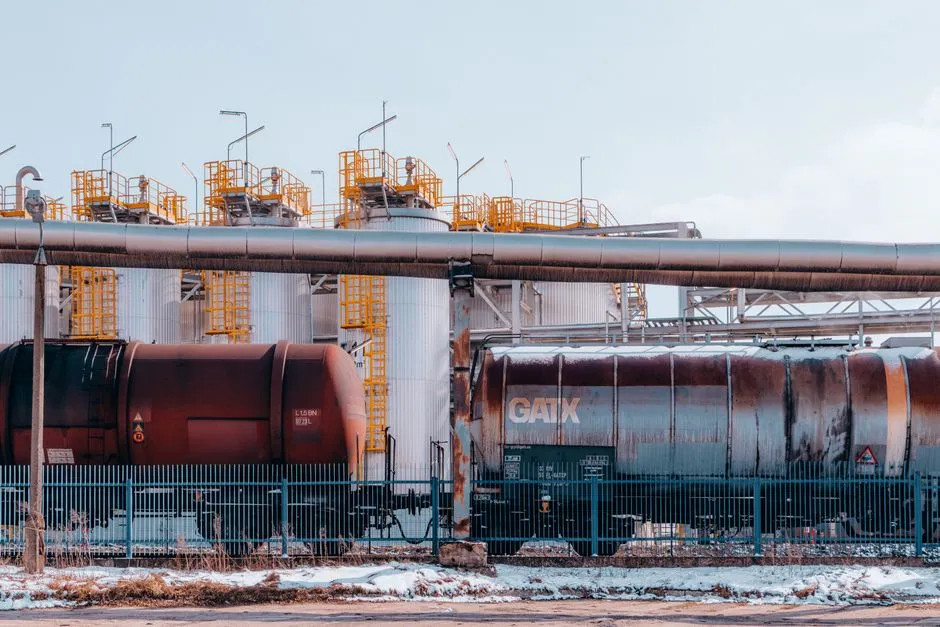
The process train must be selected from measured flow, load, chemistry, and variability data because mining wastewater can combine acidic contact water, process solutions, solids, and oil-bearing streams with different treatment requirements.
First, separate process wastewater, pit or contact water, stormwater, washdown, and other potentially commingled streams. The supplied HydropureWater sources identify pH of 2–4 in raw acid mine drainage and spent process solutions, TSS in the hundreds to several thousand mg/L, dissolved Pb, Cu, Zn, Cd, Ni, and As, and elevated sulfate and TDS. These are source-reported characterization ranges, not Highland discharge limits.
Map variability against ore grade, mill throughput, batch operations, clean-outs, and storm events. Average flow alone can hide the controlling hydraulic or pollutant load. Obtain flow and load records sufficient to size equalization, treatment, and sludge handling for the controlling case, including excursions that could produce a prohibited slug.
The HydropureWater mining pretreatment guide describes a 24-hour composite sampler and online pH and conductivity monitoring as a design basis. Use that approach to develop the site record, then verify sampling frequency and sample type against the Highland-area permit. Where episodic discharges dominate, a programmable composite sampler may not adequately characterize a slug without a defined event-response plan.
Test for pH, permit-listed metals, TSS, oil and grease where present, sulfate, TDS, and constituents relevant to precipitation, clarification, and sludge acceptance. Jar and pilot testing should establish the pH and reagent dose for the actual water matrix. Do not transfer a generic precipitation recipe from a different ore, stream, or permit. For additional comparison, assess biological polishing against the stated mining wastewater treatment context.
Build a staged train that protects the POTW collection system
A defensible treatment train assigns a measurable permit or collection-system purpose to every unit operation rather than adding equipment by sequence.
Begin with equalization and flow monitoring to damp batch and slug discharges. One HydropureWater source recommends 8–24 hours of average daily flow; treat this as a source-specific reference requiring hydraulic and permit verification, not a universal Highland requirement.
Follow with controlled pH adjustment and metals precipitation. The supplied material gives pH 6.5–9.0 as a representative target and recommends staged dosing when influent swings exceed 2 pH units; verify the permitted range and precipitation optimum through testing. A PLC-controlled chemical dosing system should provide interlocks, feed tracking, and fail-safe response, but instrumentation does not replace chemical control.
Hydroxide precipitation is the common primary process because its chemistry is well established. Use sulfide precipitation only where verified limits or polishing duties justify it, and address hydrogen sulfide generation, sealed equipment, ventilation, and residual reagent. Selection of either reagent must follow jar and pilot testing using the site matrix.
| Process stage | Primary purpose | Evidence required |
|---|---|---|
| Equalization and flow monitoring | Buffer batch and slug discharges | Verified flow range, level controls, alarm response, and permit-aligned monitoring |
| pH adjustment and precipitation | Remove dissolved metals through controlled chemistry | Site test results, reagent demand, residual-metal data, and sludge characterization |
| DAF or lamella clarification | Separate precipitated solids and relevant floatables | Pilot or comparable operating data tied to actual flow and load |
| Optional filtration or polishing | Provide a final solids or metals barrier | Demonstrated need based on variability, pilot results, or permit limits |
| Sludge dewatering and classification | Produce a waste stream suitable for its designated destination | Disposal-facility acceptance, cake characterization, and filtrate-management plan |
| Optional disinfection | Address a specified collection-system risk | Control-authority requirement or documented technical basis |
Choose DAF when oil, grease, or colloidal material is a significant concern; consider lamella where compact separation of metal-bearing sludge, higher flow, and constrained footprint drive the decision. A DAF system for mining wastewater solids and oil removal and a lamella clarifier for metal-bearing sludge address different removal mechanisms and should be compared against the same wastewater and permit basis.
Add filtration or another polishing step only when the permit, variability analysis, or pilot results demonstrate a need. Dewater and classify metals-bearing sludge before considering the sewer-discharge design complete. The supplied sources report filter-press cake at 25–35% dry solids and separately at 30–45%, so actual performance and waste acceptance must be confirmed with the disposal facility. A filter press for metals-bearing sludge should be specified with cake-solids, filtrate-return, conditioning, and acceptance criteria.
Choose DAF or lamella using the wastewater—not catalog claims
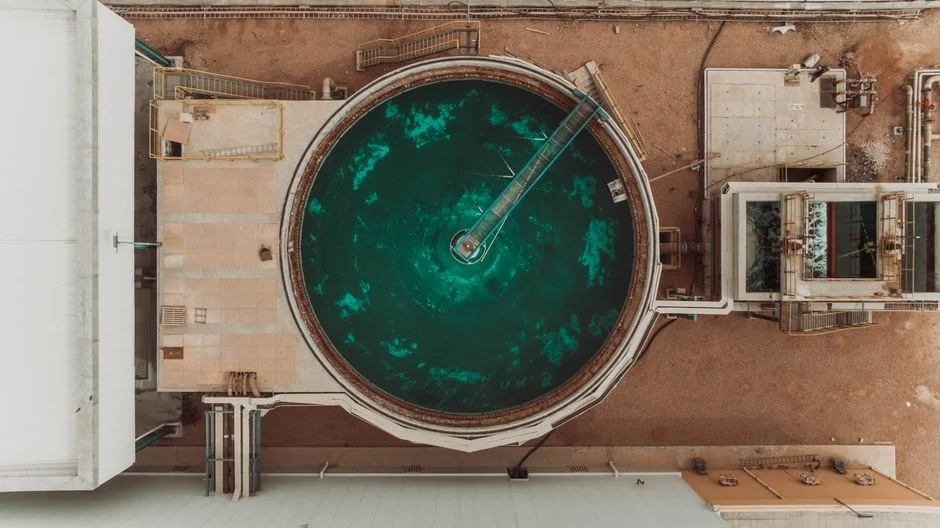
The commercial comparison supplied for this analysis reports DAF capacities from 4 to 300 m³/h across 13 models, hydraulic loading of 5–25 m/h, TSS removal of 90–98%, and oil and grease removal of 85–95% in mining or metal-finishing service.
The same source reports lamella surface loading of 20–40 m/h and a footprint approximately one-third that of a conventional clarifier. These are commercial-source figures, not Highland permit requirements or guaranteed project performance.
| Decision factor | Favors DAF | Favors lamella |
|---|---|---|
| Primary contaminant | Oil, grease, or floatable colloids | Metal-bearing precipitate and settled solids |
| Hydraulic driver | Applicable capacity and hydraulic-loading test | Higher-flow service and footprint constraints |
| Sludge handling | Float and froth handling | Dense metal-bearing sludge blanket |
| Commercial guidance | Below 10 m³/h, packaged skids may be common | Above 100 m³/h, lamella may become more economical |
| Required proof | Representative wastewater performance test | Representative wastewater performance test |
Use oil, grease, and colloidal content to favor DAF; use metal-hydroxide sludge, higher flow, and constrained space to favor lamella, subject to pilot results and the verified permit. The supplied commercial comparison identifies a practical threshold below 10 m³/h for packaged DAF skids and notes that above 100 m³/h multiple DAF trains or lamella may become more economical. These are commercial decision points requiring project-specific confirmation.
Compare reagent consumption, sludge yield, floor space, power, operator attendance, maintenance, and failure response—not hydraulic loading alone. Require automatic controls, local instrumentation, fail-safe reagent response, and a traceable relationship between operating data and permit sampling. Further process context is available in the DAF-versus-clarifier comparison and cavitation air flotation process guide.
Prove compliance through monitoring, notification, and corrective action
Compliance evidence must connect each operating parameter to the permitted discharge point through controlled, calibrated, and retained records.
Create operating procedures for pH, flow, metals, TSS, and every other permit parameter. Each procedure should define alarm setpoints, calibration, chemical inventory, inspection frequency, data review, and corrective-action records. Maintain a slug-load plan, an immediate POTW notification process, and evidence of any required reporting.
A 2017 Williams Mullen summary of an EPA settlement states that the facility allegedly failed to notify the POTW of slug loadings and violated pH prohibitions and permitted flow limits. The settlement required annual operator training, additional sampling and monitoring, treatment-system upgrades, and a $385,000 civil penalty. Although the case involved a manufacturing facility rather than mining, it demonstrates that pH, flow, notification, training, and monitoring are enforceable operating obligations—not administrative details.
Maintain training records and connect operator competency to the permit. Keep permit limits, sample results, deviations, root-cause investigations, notifications, resampling, equipment changes, and corrective actions in one auditable record. The mining and metals pretreatment compliance workflow near Easton provides a comparable reporting structure.
Use this procurement and compliance checklist
A comparable proposal begins with the same verified permit basis and site-specific mass balance, not a generic treatment flow diagram.
- Require the applicable POTW, ordinance version, industrial-user permit, categorical subcategory, local discharge limits, BMPs, and monitoring plan.
- Require a site-specific flow and pollutant mass balance sized for the controlling case, with pilot results or measured performance supporting each major unit operation.
- Ask each vendor to state guaranteed outlet parameters, sampling point, analytical method, hydraulic basis, chemical consumption, sludge yield, utilities demand, controls, alarm response, and O&M assumptions.
- Verify metals-bearing sludge acceptance with the designated disposal facility and allocate responsibility for waste characterization and filtrate return.
- Compare permit-compliance risk, training, monitoring support, commissioning, validation, and lifecycle operating costs rather than purchase price alone.
The mining plant compliance guide near Rockholds provides a useful adjacent workflow, but the Highland-area jurisdiction and permit must still be verified independently.
Frequently Asked Questions
What sewer limits apply to a mining or metals plant near Highland?
The applicable limits are those in the confirmed POTW’s adopted local limits, categorical pretreatment requirements, sewer-use ordinance, and industrial-user permit—not a universal number in this guide. Because the supplied research does not identify the exact Highland jurisdiction, request the controlling ordinance, permit, BMPs, and approved local-limits document from the verified POTW.
Does the plant need an NPDES permit if it discharges to a municipal sewer?
Sewer discharge is governed through Clean Water Act section 307(b), 40 CFR Part 403, POTW requirements, and the industrial-user permit. Separate NPDES authorization may still be required for direct surface-water or stormwater outfalls; sewer authorization does not replace it.
Should DAF or a lamella clarifier be selected for mining wastewater?
Favor DAF when oil, grease, and colloids drive the removal requirement; favor lamella when metal-bearing sludge and footprint are the primary constraints. Confirm the choice through representative wastewater testing, the verified permit, and comparison of reagent use, sludge yield, utilities, controls, and maintenance.
How should a buyer compare treatment-equipment suppliers?
Request the same verified influent, permit targets, guarantee basis, hydraulic and pollutant-load data, sludge assumptions, controls, alarm response, validation plan, and lifecycle costs in every proposal. Do not accept a price comparison that omits the permit basis, sampling point, analytical method, or sludge-disposal assumptions.