How to choose DAF or a clarifier for a New Century mill
For New Century pulp and paper mills, dissolved air flotation (DAF) is usually the stronger choice when the objective is rapid solids capture, fiber recovery or white-water clarification, particularly for fibers, fillers and particles that do not settle readily. A clarifier remains practical where the duty is mainly heavier, readily settleable solids, gravity thickening is preferred, or an existing sedimentation system makes retrofitting economical. The final decision depends on the exact mill stream, hydraulic variation, solids characteristics, reuse target and sludge-handling method—not the equipment category alone. DAF literature reports TSS reduction up to 97% and COD removal of 60–80%, but those supplier figures must be validated through mill-specific testing and performance guarantees.
Before comparing equipment, identify whether the application is mill white water, paper-machine or fiber-recovery white water, process pretreatment, or broader mill effluent. Then define the required outcome: suspended-solids removal, recovered fiber or filler, clarified reuse water, protection of biological treatment, or sludge thickening.
| Screening question | DAF indication | Clarifier indication |
|---|---|---|
| Are the target particles readily settleable? | No; fibers, fillers or low-density solids predominate. | Yes; heavier solids settle reliably. |
| Is rapid capture or fiber recovery more valuable? | Yes. | Recovery would require separate testing and handling. |
| Which residue is easier to manage? | Chemically conditioned float. | Compacted settled sludge. |
| Does the site support the installation? | Provide chemical dosing, recycle saturation, compressed-air or pump capacity, and skimming access. | Provide feed distribution, sludge withdrawal, settling area and access. |
Use average and peak hydraulic conditions with representative wastewater. A generic product sheet cannot account for production changes, cleanups or variable wastewater solids loading at an individual New Century facility.
What changes in New Century pulp and paper wastewater
Pulp and paper wastewater is commonly high in TSS, BOD, COD, color and organic compounds, with wood fibers and fillers among the materials present, according to Ecologix Systems’ pulp-and-paper DAF industry page, DAF for Pulp & Paper Wastewater Treatment (2026). Those characteristics make solids separation important, but they do not justify using one wastewater model for every treatment decision.
Mill white water is the dilute process water associated with pulp preparation, paper-machine operations or fiber recovery. It can contain valuable fibers and fillers at concentrations suited to recovery or clarification. Final mill effluent combines broader mill wastewater streams and may carry substantial dissolved and biodegradable organic load. Ecologix identifies BOD and COD among typical contaminants; consequently, a flotation unit used across final mill effluent should be treated as a solids-recovery or pretreatment step, not automatically as a substitute for biological treatment.
Obtain samples across normal production, grade changes, cleanups and peak-flow periods. The analysis should cover TSS, COD, BOD, color and pH, plus the fiber and filler fractions relevant to the selected stream. Also establish particle density, settleability, floc behavior, temperature and flow variability. The supplied sources do not provide a universal New Century specification, so these inputs must come from the mill rather than from an assumed industry range.
Separating contaminant removal from resource recovery is essential. A DAF float can contain recoverable fibers or fillers, while clarifier sludge is ordinarily associated with settled material. Whether that material has value depends on its composition, contamination, consistency and compatibility with the mill’s reuse program. For chemical preparation and dose control, request an automatic chemical dosing system sized around the wastewater characterization.
How DAF separates fibers, fillers and suspended solids

DAF uses air bubbles to increase the buoyancy of conditioned solids, allowing material that would otherwise settle slowly to reach the surface for removal. Ecologix Systems’ DAF for Pulp & Paper Wastewater Treatment (2026) describes chemical conditioning, pressure saturation, bubble release, flotation and mechanical skimming; Wastewater Machinery’s Paper Mill DAF Dissolved Air Flotation System (2026) gives the same process sequence.
- Wastewater receives coagulant or flocculant so fine particles form larger flocs.
- Air-saturated recycle water is introduced under pressure.
- The pressure reduction produces fine bubbles that attach to the flocs.
- The buoyant aggregates form a surface float.
- A skimmer removes the float, while clarified water is collected below.
Ecologix Systems (2026) states that DAF is particularly effective for particles with densities similar to water that may be difficult to remove by conventional sedimentation. This makes flotation relevant to an industrial DAF system for pulp and paper wastewater when the duty is fiber recovery flotation, white-water clarification, primary treatment, or solids removal ahead of reuse or biological pretreatment.
Wastewater Machinery (2026) lists a compact footprint and zero backwash among DAF’s process advantages. These are supplier claims, not universal site outcomes. The buyer must still verify chemical pretreatment, recycle-stream saturation, air-release hardware, surface-skimming reliability, sludge withdrawal and flow and chemical-dose control.
The same supplier recommends saturation pressure of at least 5 bar, VFD-equipped recycle pumps, PLC control with effluent monitoring, VFDs on major motors and SS316 wetted parts. These are that supplier’s selection criteria rather than universal standards. Any proposal should demonstrate how its system meets the mill’s actual wastewater and operating constraints. Mechanical screening, where required by the selected stream, should be reviewed alongside treatment equipment rather than treated as an automatic inclusion.
How a clarifier performs the separation
A clarifier separates solids through gravity sedimentation: readily settleable particles move downward, concentrate as sludge and leave clarified water above. A lamella clarifier adds inclined settling plates, increasing effective separation area within the vessel, while sludge recirculation and flocculation support the settling process.
| Clarifier characteristic | Engineering implication |
|---|---|
| Gravity-settling mechanism | Best suited to solids that settle reliably under the proposed loading and retention conditions. |
| Inclined-plate arrangement | Can provide effective settling area in a compact installed structure. |
| Sludge recirculation and flocculation | Requires verification against the mill’s chemical demand and solids characteristics. |
| Hydraulic catalog specification | The HydropureWater verified product catalog states surface loading rates of 20–40 m/h. |
| Chemical catalog claim | The same catalog states up to 30% reduced chemical consumption; this is a catalog specification, not a guaranteed New Century saving. |
The comparative strength of a lamella clarifier for settleable mill solids is its gravity-based concentration of settled material and potential compatibility with existing sedimentation infrastructure. Installed performance still depends on feed distribution, floc formation, sludge withdrawal and stable settling. A clarifier does not offer the same flotation-based fiber-recovery proposition as DAF; where fibers or fillers are the target, verify recovery and recovered-material quality through representative testing.
DAF versus clarifier for common mill duties
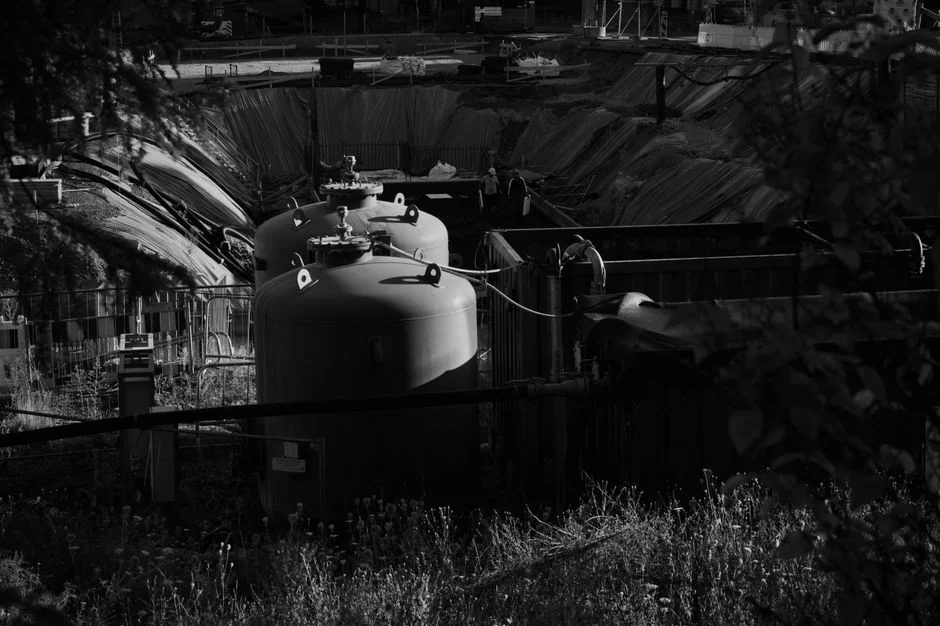
DAF and clarifiers differ most clearly in how they separate solids: flotation gives buoyancy to conditioned particles, while gravity sedimentation relies on particle settling. That mechanism drives the most important differences in recovery potential, residue form and process controls.
| Selection factor | DAF | Clarifier or lamella clarifier |
|---|---|---|
| Separation mechanism | Fine bubbles attach to conditioned flocs, which float and are skimmed. | Solids settle by gravity; inclined plates increase effective settling area. |
| Best-matched particles | Low-density fibers, fillers and finely suspended solids. | Readily settleable solids. |
| Fiber recovery relevance | Stronger recovery proposition; float composition and reuse quality require testing. | Not equivalent to flotation; any recovery requires validation. |
| Residue form | Surface float removed by skimming. | Concentrated settled sludge. |
| Chemical demand | Conditioning is central to floc formation and bubble attachment. | May require flocculation; the HydropureWater catalog claims up to 30% reduced chemical consumption relative to an unspecified basis. |
| Hydraulic reference | HydropureWater lists 4–300 m³/h across 13 standard DAF models. | HydropureWater lists surface loading rates of 20–40 m/h. |
| Retrofit consideration | Needs dosing, saturation or compressed air, recycle flow, skimming and float handling. | Needs feed distribution, settling area, sludge withdrawal and compatible piping or foundations. |
| Broad mill-effluent role | Use for solids recovery or pretreatment; not a substitute for biological treatment of substantial BOD and COD. | Use for solids separation or thickening before the required downstream treatment. |
DAF is therefore the stronger candidate for intensive solids capture, white-water clarification and fiber or filler recovery. A clarifier is stronger for gravity thickening, readily settleable solids and a retrofit that can use an existing sedimentation system. These catalog values are screening references, not proof of fit for a New Century mill; hydraulic and solids-loading calculations remain necessary.
Build the sizing and performance request around real wastewater data
A defensible 2026 proposal should begin with a mill-specific wastewater characterization and solids balance. It must cover average and peak flow, TSS, COD, BOD, color, pH, particle fractions, settleability and chemical demand under representative operating conditions.
Require each vendor to state the hydraulic basis, surface or hydraulic loading, flotation and solids-capture assumptions, recycle arrangement and included treatment train. For DAF, request the chemical-preparation basis, saturation or air-supply method, recycle flow, skimming arrangement and float-disposal assumptions. For clarifiers, request the design solids-loading basis, settling-area method, sludge-concentration assumptions, recycle provisions and proof-of-performance basis.
| Proposal item | Minimum information required |
|---|---|
| Wastewater basis | Representative sampling period, analytical methods, average and peak conditions. |
| Equipment sizing | Explicit flow and solids-loading calculations, including design margins and operating conditions. |
| Performance | Sample point, analytical method, flow band, test duration and acceptance threshold. |
| Remedy | Defined response to failure, including exclusions for bypass or off-spec influent. |
| Operating model | Chemicals, utilities, recycle flow, maintenance, wear parts and sludge or float handling. |
| Downstream interface | Constraints from biological pretreatment or the reuse objective. |
Benchmark the supplier-reported DAF claims—TSS reduction up to 97% and COD removal of 60–80%—from Wastewater Machinery’s Paper Mill DAF Dissolved Air Flotation System (2026), but request the test conditions behind them and mill-specific confirmation. Do not turn those figures into guarantees without site-representative evidence.
Evaluate the full installed and operating scope, including civil work, foundations, controls, utilities, chemical storage, maintenance and downstream solids treatment. If float or sludge dewatering is required, evaluate that route within the original comparison; the plate-and-frame filter press option should be assessed against the actual residue properties rather than assumed from equipment labels.
A 2026 procurement path from test data to installed system
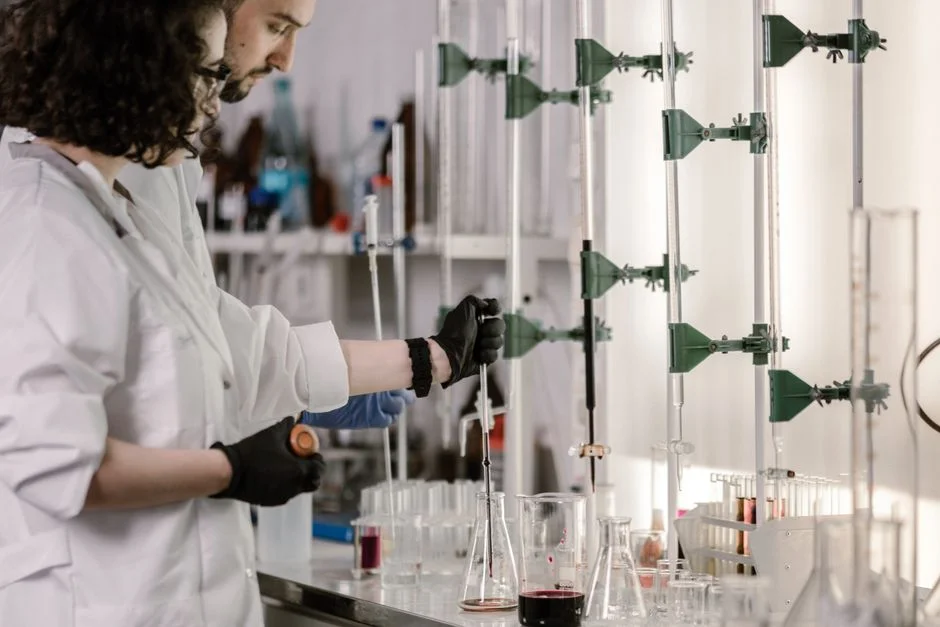
A staged selection process separates demonstrated mill data from vendor-dependent performance claims. It also gives the buyer a defensible record for approving capital expenditure and negotiating guarantees.
- Define and sample the streams. Separate white water, process pretreatment and final mill effluent. Establish representative sampling across production conditions and analytical methods for the required water-quality and solids parameters.
- Compare separation performance. Use jar or pilot testing to compare chemically conditioned flotation with settling and, where proposed, the lamella configuration. Examine recovered-material quality, float or sludge concentration and dewatering consequences.
- Verify installation feasibility. Compare footprint, foundations, piping, utilities, chemical storage, odor control, controls, operator access and maintenance access. Reuse of an existing tank or sedimentation system can change the economic result.
- Issue objective guarantees. State the analytical method, sample location, flow band, test duration, acceptance threshold and remedy. Address bypass and off-spec influent explicitly rather than leaving acceptance open to interpretation.
- Confirm commissioning. Review installation and test records, operator training, critical spares, control logic and performance under representative production conditions.
For a DAF concept, compare bids against the Wastewater Machinery (2026) criteria of saturation pressure of at least 5 bar, VFD recycle service, PLC monitoring, SS316 wetted parts and effluent monitoring. Require each bidder to explain whether those features are proposed and how they apply to the New Century installation. They are supplier selection criteria, not universal engineering standards. Where preliminary treatment requires solids screening, evaluate the rotary mechanical bar screen as a stream-specific option rather than adding it automatically to the scope.
Frequently Asked Questions
How should a New Century mill compare the cost of DAF and a clarifier?
The supplied research provides no acquisition prices, so a defensible budget cannot be built from equipment rates alone. Request itemized quotations for equipment, civil work, foundations, chemical preparation and storage, utilities, controls, recycle systems, sludge or float handling, maintenance, commissioning and performance risk. Then compare each bid over the operating scenario supported by mill data rather than converting catalog performance claims into assumed savings.
Which capacity should be used to size a DAF or clarifier?
HydropureWater’s verified product catalog lists DAF capacities of 4–300 m³/h across 13 standard models, but that range is only an initial screening reference. A clarifier requires flow and solids-loading inputs, including the HydropureWater catalog surface loading rates of 20–40 m/h. For either technology, require the vendor to size against average and peak flow, representative TSS and particle fractions, settleability or flotation performance, and the selected stream’s operating envelope.
How should procurement compare DAF and clarifier suppliers?
Request wastewater-specific references, representative test data, complete sizing calculations, controls narratives, materials schedules, utility requirements and test methodology. A stronger proposal explains how its performance was measured and provides enforceable remedies. Supplier selection should be based on evidence applicable to the mill’s wastewater—not only a published TSS or COD removal figure or an equipment-capacity range.
What compliance risk should be addressed in the guarantee?
The supplied sources identify typical contaminants and treatment functions, but they do not establish New Century-specific discharge limits. The factory must use its current permit and applicable regulatory requirements to define the required effluent quality. Then identify the analytical method, sampling point, flow condition, test duration and remedy for noncompliance. Both a DAF and a clarifier proposal should address bypass, off-spec influent and failure to meet the agreed guarantee.