Choose the Treatment Route from the Wastewater Profile
A factory in Seoul needs an industrial ETP or DAF system based on its wastewater flow, pollutant profile and reuse or discharge route. DAF is a strong pretreatment option when the effluent contains suspended solids, oil, grease, FOG or colloidal matter because fine bubbles carry contaminants to the surface for skimming. It may require fine screening, equalization, pH control and coagulation or flocculation before flotation. If biological load or dissolved pollutants remain, DAF should be paired with biological treatment. The correct system is therefore a complete treatment train, not a standalone DAF selected by flow alone.
Start with a characterization that covers average and peak flow, suspended solids, oil and grease, FOG, pH, colloids and dissolved contaminants relevant to the factory’s discharge or reuse route. These data determine whether the dominant problem is physical separation or whether biological degradation and final polishing must also be included.
Alantech states that fine air bubbles attach to suspended solids, oils, grease and other particulate matter, allowing the contaminants to float for skimming. This makes an industrial DAF system a logical front-end option when those contaminants dominate the wastewater profile. DAF should not be treated as a guaranteed complete ETP, however. Kelvin identifies DAF as a way to reduce pollutant load before ongoing biological treatment when a lower load improves subsequent treatment.
Require each bidder to state which stages are included and excluded. A proposal based only on treatment flow is incomplete because it does not establish whether screening, equalization, chemical conditioning, biological treatment, polishing or sludge handling is necessary.
| Wastewater profile | Plausible treatment route | Information required before selection |
|---|---|---|
| Suspended solids, oil, grease, FOG or colloids dominate | DAF-led treatment, with pretreatment where needed | Average and peak flow, pollutant concentrations, variability and intended reuse or discharge route |
| Biodegradable and dissolved contaminants remain after flotation | DAF followed by biological treatment and required polishing | Biological load, dissolved contaminants, final effluent or reuse targets |
| Several contaminant classes require separate treatment stages | Broader industrial ETP | Complete water analysis, operating schedule, utilities, footprint and sludge destination |
Build the Pretreatment Needed Before DAF
Fine screening, equalization, chemical conditioning and controlled flotation must be designed as a connected process rather than omitted as “site work.” Kelvin identifies screening as removal of heavy material before flotation pretreatment because non-floating solids can burden downstream pumps and piping. A rotary mechanical bar screen can be evaluated when the wastewater contains material that should be removed before it reaches the treatment train.
Equalization is the next design control. Kelvin states that it provides a less variable load to the DAF system, improves effluent consistency and provides sufficient mixing and retention for settling solids and collecting oil and grease from the surface. The factory should provide its operating schedule, batch-dump practices, production changes and peak discharge data so the engineer can determine the required equalization duty.
pH adjustment and flocculation control must be included where the wastewater requires them. Kelvin notes that coagulation and flocculation optimize within a pH range and that chemical addition may be needed to form larger particles before flotation. If coagulants, flocculants or pH adjusters are required, specify a PLC-controlled chemical dosing system with calibrated pumps, storage arrangements and clear operating interlocks.
Kelvin describes the DAF pressure circuit as wastewater being pressurized for air dissolution, recycled through the saturation system and released into the flotation tank. For wastewater containing oil or flammable gases, Kelvin states that nitrogen may be selected instead of air because nitrogen presents less explosion risk. That decision belongs in the formal process-safety and engineering review; it should not be changed informally after the DAF package is ordered.
Compare DAF-Led Treatment with a Full ETP
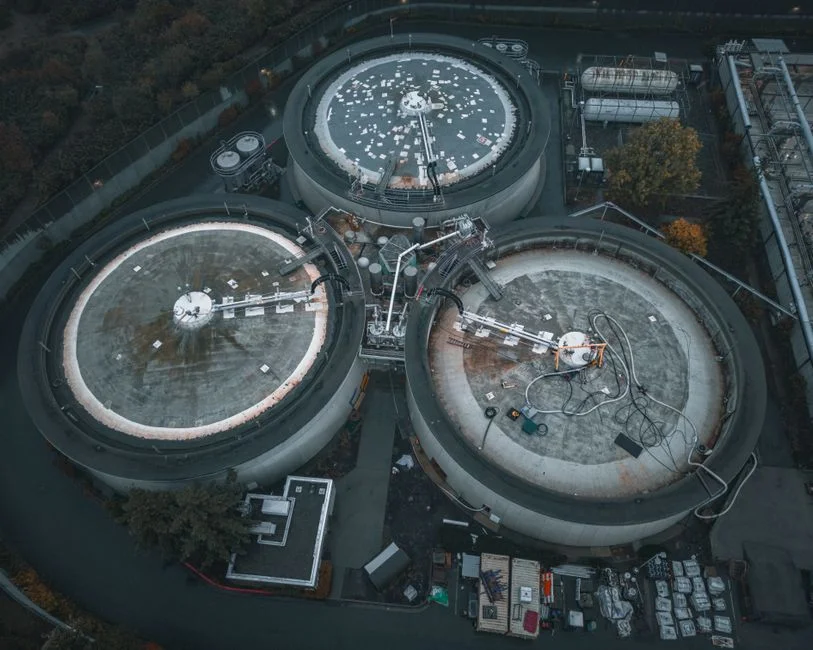
A DAF-led route is appropriate when the immediate objective is physical separation of suspended solids, oil, grease, FOG or colloidal material before discharge, reuse or biological treatment. A broader industrial ETP is required when the wastewater also needs biological degradation, filtration, disinfection or other polishing before the receiving sewer or reuse destination can accept it.
Kelvin identifies equalization, screening, pH control and flocculation control as separate functions. That separation explains why a DAF quotation cannot be treated as a complete treatment description. The flotation tank is one stage; reliability depends on the upstream and downstream equipment around it.
Alantech states that DAF can be installed in existing treatment plants or smaller facilities without significant structural modification and that it can accommodate variations in influent flow and contaminant concentration. These are useful retrofit arguments, but they remain general design claims. The buyer should verify them against the factory’s measured peak flow, pollutant loading, available footprint and operating envelope. For a metals-producing factory, a DAF versus clarifier comparison for metals wastewater provides a useful engineering starting point, not a substitute for wastewater testing.
Oil and FOG applications also require an explicit treatment boundary. If recoverable oil is present, include collection, storage and downstream processing of separated oil. If the float sludge contains significant oil or solids, provide a defined route for collection and sludge dewatering. A DAF versus oil-water separator comparison can help frame the technical question, but supplier guarantees still require representative wastewater results.
| Decision factor | DAF-led route | Broader industrial ETP |
|---|---|---|
| Primary separation need | Suspended solids, oil, grease, FOG and colloidal material | Physical contaminants plus dissolved or biodegradable pollutants |
| Required stages | Screening, equalization, pH or flocculation control, DAF and required sludge handling | DAF and other unit operations, biological treatment, filtration or disinfection, polishing and sludge handling |
| Best fit | Physical-separation objective or pretreatment ahead of biological treatment | Multiple treatment objectives before sewer discharge or reuse |
| Main procurement risk | Unverified peak loading and omitted conditioning stages | Unclear process scope, polishing requirements or bid exclusions |
Size the DAF from Peak Demand and Treatment Objectives
HydropureWater’s DAF catalog offers capacities from 4–300 m³/h across 13 standard models. That range is a preliminary selection reference; it does not establish that any listed model matches a Seoul factory’s wastewater.
Size the flotation system against peak demand and the required treatment objectives, including solids loading and variability in industrial flow. Average flow alone can conceal short-duration batch discharges, cleaning cycles or production peaks that overwhelm the unit. The design basis should identify whether the equipment must pass the full peak continuously, rely on equalization, or operate under defined intermittent conditions.
Alantech identifies compact installation, relatively few mechanical components and flexibility for changes in flow and concentration as DAF advantages. These claims should be checked against the available floor space, maintenance access and the factory’s actual operating envelope. A unit may fit geometrically but still fail if its recycle system, saturation vessel, feed distribution or skimming capacity is not matched to the load.
Request a hydraulic and process design that states the design flow, flow-control method, flotation loading basis, recycle arrangement, chemical-conditioning requirement and expected operating range. Use the 2026 DAF unit engineering and cost decision framework to structure that review. Do not accept a performance guarantee until representative wastewater testing and the applicable Korean discharge, sewer-discharge or reuse requirements have been reviewed.
| Supplier design item | Required definition |
|---|---|
| Design flow | Average and peak wastewater flow, including batch and cleaning discharges |
| Treatment loading | Solids, oil, grease, FOG or colloid basis used for flotation sizing |
| Flow control | Equalization and feed-control method across the expected operating range |
| Recycle arrangement | Saturation, recycle pumps, release method and associated duty |
| Performance basis | Representative wastewater test, stated targets and applicable local requirements |
Plan Installation, Automation and Sludge Handling
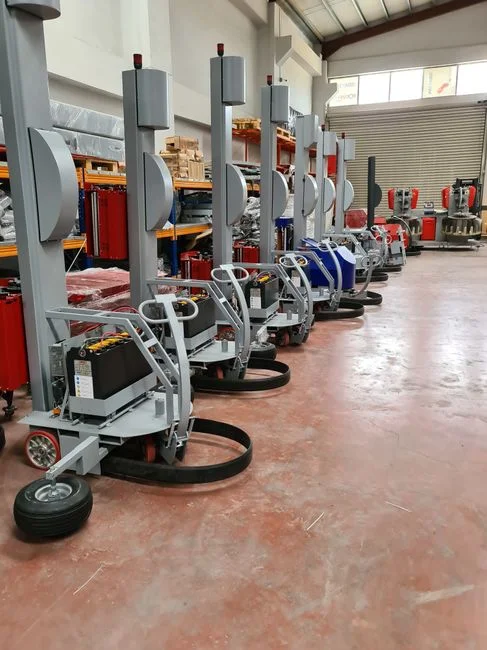
The installation must fit the available footprint, access routes and utility connections. Alantech describes DAF as compact relative to conventional treatment equipment and says it can be installed in existing plants or smaller facilities. Buyers should convert that general statement into a dimensioned layout showing equipment access, lifting clearances, drainage and operator space.
Review automatic skimming, feed distribution, air saturation, recycling, valves and sludge withdrawal as part of the mechanical scope. SGITPL identifies the flotation tank, skimming mechanism, air-introduction system and removal method for floated solids as core DAF components. Kelvin also identifies the flotation tank, skimmer, feed distribution, back-pressure pump, valves and saturation device.
Specify automatic chemical dosing where coagulants, flocculants or pH adjusters are required, with PLC control, chemical storage, calibration, duty/standby provision and interlocks appropriate to the process. The supplier should also define the operator interface, maintenance routines, spare-parts list, monitoring requirements and local commissioning support.
Do not add sludge dewatering automatically. First establish float-sludge quantity, solids content, oil content, destination and handling restrictions. If the resulting sludge volume justifies dewatering, HydropureWater’s plate and frame filter presses offer filtration areas from 1 m² to 500 m² for industrial sludge dewatering. The selected press must then be matched to the actual sludge generation rate and required cake-handling method.
Turn the Selection into a Supplier-Ready Brief
A comparable quotation requires the same inputs from every bidder. Provide the wastewater analysis, average and peak flow, operating schedule, available footprint, utility requirements and intended reuse or discharge route. Include representative samples or laboratory results across relevant production conditions rather than a single spot sample.
State treatment objectives by parameter, such as suspended solids, oil and grease, FOG and any dissolved contaminants requiring removal. Define the commercial scope precisely: DAF only, pretreatment, biological treatment, polishing, sludge handling or a turnkey effluent treatment plant. A supplier should identify exclusions, design assumptions, utility consumption and performance limitations that may affect the total installed cost.
Request a process flow diagram, equipment list, duty points, control narrative, materials of construction, commissioning scope, maintenance plan and delivered lead time. For a Seoul project, require coordination of local electrical, mechanical, installation and regulatory requirements; overseas shipment alone is not a complete delivered project. The ETP and DAF procurement decision guide provides a useful document structure, while the Seoul reviewer must confirm the applicable Korean obligations.
Obtain Korean engineering and compliance review before finalizing the performance basis. The supplier should state which approvals or design inputs remain the buyer’s responsibility and which local activities are included in the quoted scope. This prevents the equipment price from obscuring unresolved civil work, electrical installation, commissioning, permitting support or sludge-disposal obligations.
Frequently Asked Questions
How much does an industrial DAF or ETP system cost in Seoul?
A reliable quotation requires the wastewater analysis, average and peak flow, treatment objectives, available footprint, utility requirements, civil-work needs and selected process scope. The supplied research does not provide a defensible Seoul price range. Request an itemized quotation that separates equipment, tanks, chemical dosing, controls, electrical work, installation, civil works, commissioning, sludge handling and local support.
Should a Seoul factory choose DAF or a complete ETP?
Choose a DAF-led route when solids, oil, grease, FOG or colloidal separation is the immediate objective. Choose a broader ETP when biological degradation, dissolved-contaminant removal, filtration, disinfection or other final polishing is also required. Confirm the choice against the wastewater analysis and the intended discharge or reuse route.
Can one DAF model cover every factory wastewater load?
No. HydropureWater lists capacities from 4–300 m³/h across 13 standard models, but model selection must still be checked against peak flow, pollutant loading, flow variability and pretreatment requirements. Use the catalog range for preliminary screening, not final sizing.
What wastewater data should be sent before ordering an ETP or DAF system?
Send representative flow and water-quality data, the operating schedule, available space, utility conditions, required effluent or reuse targets and current treatment constraints. Include suspended solids, oil and grease, FOG, pH, colloids and relevant dissolved contaminants. This dataset lets bidders size the process and identify exclusions on comparable terms.