
Separate Sewer, Surface-Water, and Stormwater Discharges First
Mining and metals plants near Glenwood meet sewer pretreatment limits by treating wastewater to the most stringent applicable requirement before it enters the POTW collection system. Federal standards under 40 CFR Part 403 establish the pretreatment framework, while applicable categorical rules under Part 437 or Part 433 apply according to the facility’s classified activity. A typical train uses equalization, pH adjustment, metal precipitation, clarification, filtration, and sludge handling. Separate surface-water and stormwater outfalls may still require NPDES coverage, so each discharge pathway must be evaluated independently.
An indirect discharge to a POTW is a sewer-discharge compliance issue under the federal pretreatment framework in 40 CFR Part 403. It is not the same authorization as a direct discharge to surface water. US EPA states that mining point-source discharges, including discharges from associated impoundments, must be authorized under NPDES permits; the agency also explains that the mineral-mining requirements in 40 CFR Part 436 are incorporated into NPDES permits rather than replacing a POTW sewer-use ordinance.
Prepare a discharge-pathway map before selecting equipment. It should show every process stream, drain, manhole, outfall, stormwater route, receiving authority, and permit boundary. A facility can have a sewer connection requiring pretreatment alongside a surface-water or stormwater outfall requiring separate authorization. The regional mining sewer-limit compliance guide provides a broader workflow, but it does not establish the controlling requirements for this site.
No Glenwood-specific POTW identity, sewer-use ordinance, discharge authorization, or categorical subcategory was supplied. Therefore, no numerical Glenwood limit should appear in the design basis until the receiving authority confirms the current documents.
| Discharge pathway | Primary regulatory framework | Design action |
|---|---|---|
| Process wastewater to POTW sewer | 40 CFR Part 403 pretreatment; local sewer-use requirements; applicable categorical standards | Identify receiving POTW, obtain current authorization, map connection and sampling point |
| Process water or drainage to surface water | NPDES where required | Identify receiving water, outfall, applicable permit and Part 436 incorporation |
| Stormwater discharge | Applicable stormwater authorization or permit | Separate clean and contaminated drainage routes; confirm permit coverage |
Build the Controlling Limits Matrix
US EPA defines pretreatment standards as pollutant discharge limits applying to industrial users, while pretreatment requirements are the substantive or procedural duties applied to those users. Local limits are site-specific and may be numeric or narrative, including best management practices. EPA says they address the POTW’s operating needs, sludge processes, receiving waters, and interference or pass-through concerns.
Build one matrix from the controlling POTW ordinance, the industrial-user permit or discharge authorization, the applicable categorical subcategory, and any state conditions. For each pollutant, record the limit, averaging period, sampling point, monitoring frequency, allowable exceedances, surcharge triggers, and any narrative BMP. Do not let one document override another silently: identify whether the requirement is federal, local, permit-specific, or more stringent under a combined applicability rule.
Representative values can demonstrate the structure of the matrix, but they are not Glenwood limits. A HydropureWater article dated 2024-11 cites Part 437 zinc at 1.0 mg/L daily maximum and 0.5 mg/L monthly average; applicability depends on the correct subcategory. The same source cites Part 433 metal-finishing values of copper at 3.38 mg/L daily maximum and 2.07 mg/L monthly average and total chromium at 2.77 mg/L daily maximum and 1.71 mg/L monthly average. Those Part 433 values apply only where metal-finishing operations are within the rule’s scope. Neither set replaces the current Glenwood POTW requirements.
| Design-basis field | Required entry | Why it matters |
|---|---|---|
| Source and authority | Ordinance, permit, categorical subcategory, state condition | Prevents an incorrect limit from entering the equipment specification |
| Pollutant and limit | Numeric value or narrative requirement | Defines the treatment target and sampling method |
| Averaging period | Daily maximum, monthly average, or other specified basis | Distinguishes compliance from individual readings |
| Sampling point | End-of-pipe, connection, or other authorized location | Defines where control must be demonstrated |
| Monitoring and exceedances | Frequency, sampling method, allowable exceedances | Sets operating, reporting, and control-system requirements |
| Economic provisions | Surcharge triggers, fees, enforcement provisions | Adds costs and operating responses beyond pollutant limits |
| Narrative controls | Specified BMP or operational restriction | Prevents a numeric-only interpretation of compliance |
Obtain the current POTW sewer-use ordinance, executed industrial-user permit, discharge authorization, and applicable categorical subcategory before freezing the design basis. A related mining and metals sewer-limit framework illustrates why regional examples cannot substitute for site-specific authorization.
Characterize the Wastewater Before Choosing Equipment
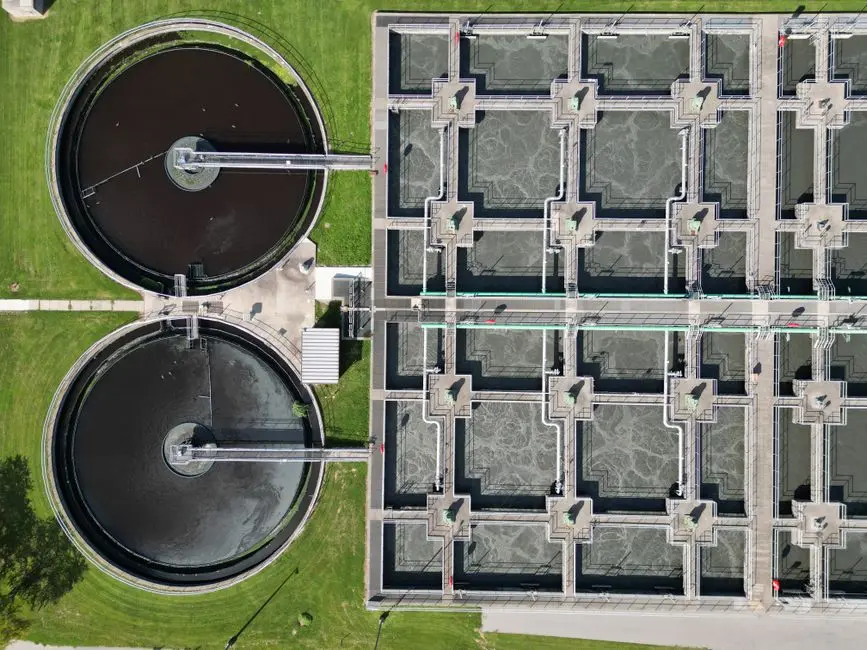
Equipment sizing should begin with a flow and pollutant characterization, not a treatment-train diagram. Request records that separate average flow, peak discharge, batch dump or leach-cycle flow, clean-out events, and diurnal variation. The flow study should identify which streams can be segregated, which require equalization, and whether continuous discharge is possible during upset conditions.
Build the sampling plan from the controlling limits matrix. At minimum, evaluate pH, TSS, oil and grease where present, regulated metals, and every constituent named by the permit or identified during characterization. Sampling should also define units and reporting conventions so that process decisions and compliance monitoring use consistent data.
Acid mine drainage and spent process solutions are variable-pH streams that can destabilize downstream precipitation. Equalization must therefore consider both flow attenuation and the chemical consequences of mixing streams with different pH and metal concentrations. A large basin does not correct a poorly understood chemistry; it delays the peak while creating a larger inventory to manage.
Distinguish contaminant forms during evaluation. Dissolved metals may require hydroxide precipitation or sulfide polishing. Suspended and colloidal material requires coagulation, flocculation, and effective solids capture. Oil and grease can interfere with both capture and solids separation, so its presence changes the clarification decision.
- Complete the flow chronology, including production cycles and clean-outs.
- Characterize each stream and its sampling location.
- Run jar tests covering pH adjustment, reagent dose, and settling behavior.
- Confirm that the selected test reproduces the worst-case wastewater characteristics.
- Use the results to define control setpoints, equipment capacity, and chemical storage.
HydropureWater’s 2024-11 article states that the optimum pH window is parameter-specific and should be established through jar testing. That is the appropriate basis for reagent selection; vendor literature or a generic pH target is not enough to demonstrate treatability.
Match the Treatment Train to the Violation
A defensible treatment train follows the waste’s failure mode: equalization and flow control, pH adjustment, precipitation and coagulation, clarification, polishing filtration, optional disinfection, and sludge dewatering. Each unit must solve a defined problem, and the discharge must meet the limits at the authorized sampling point.
Equalization dampens batch discharges and should be sized around actual production and clean-out cycles rather than a generic residence-time assumption. pH adjustment should precede precipitation, while coagulation and flocculation prepare particles for capture. Automatic dosing provides the control interface for pH adjusters, coagulants, and flocculants. The supplied product information identifies PLC-controlled injection as the operating capability of an automatic chemical dosing skid.
Match each unit to the compliance issue it controls:
| Compliance problem | Principal unit operation | Design verification |
|---|---|---|
| Batch flow or pH shock | Equalization and controlled drawdown | Production-cycle model and stored inventory |
| Dissolved metals | Hydroxide precipitation, with sulfide polishing where required | Jar-test residual against the controlling limit |
| Colloidal or suspended solids | Coagulation, flocculation, and clarification | Carryover and sludge-blanket behavior |
| Oil and grease or fine colloids | DAF with appropriate pretreatment | Feed-specific removal and hydraulic loading |
| Residual TSS | Multi-media filtration | Filtration loading and backwash duration |
| Clarifier waste stream | Sludge collection and dewatering | Solids yield, cake handling, and filtrate destination |
Hydroxide precipitation is the starting point for many metal-bearing streams, but sulfide polishing may be needed where the controlling residual cannot be met by hydroxide precipitation alone. The comparison must include reagent consumption, pH demand, sulfide-bearing residuals, off-gas controls, and sludge properties rather than removal percentage alone.
DAF is generally favored when oil, grease, or fine colloidal metals are present. Lamella clarification is generally favored for metal-hydroxide sludge at high flow where footprint is constrained, according to HydropureWater’s 2024-11 comparison. Neither is a drop-in substitute for a chemical-treatment system; precipitation, reagent delivery, solids capture, and sludge withdrawal must function as one train. See the DAF versus lamella clarifier comparison for mining wastewater.
Filtration is a polishing safeguard for residual TSS and colloidal material. The cited multi-media filtration product is described as removing suspended solids, turbidity, and colloidal matter with automated backwash. Sludge handling belongs in the same flow diagram: the cited plate-and-frame filter press spans filtration areas of 1–500 m² and offers manual, hydraulic, or automatic PLC operation.
Choose Clarification and Dosing as One System
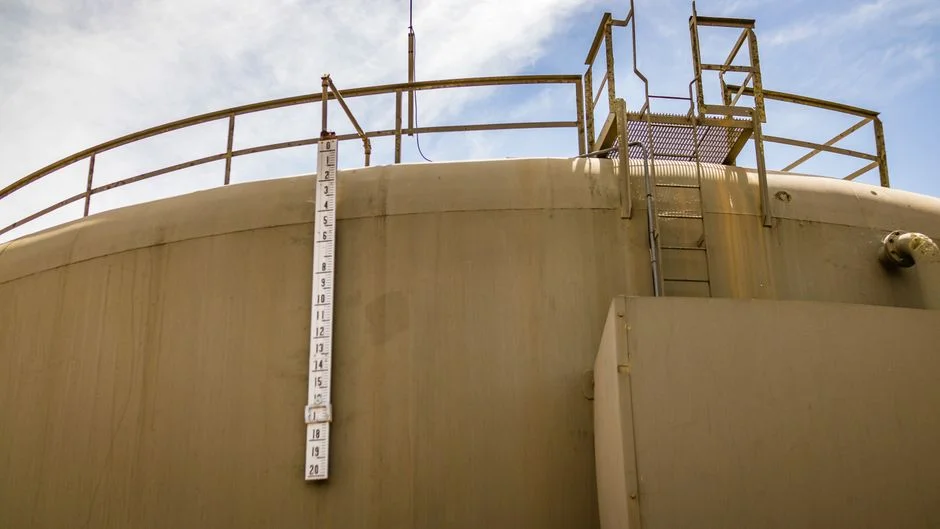
DAF and lamella clarification should be selected from feed chemistry, hydraulic variation, footprint, sludge characteristics, and required residuals—not from nominal removal rates alone. HydropureWater’s 2024-11 product comparison states that its DAF range covers 4–300 m³/h across 13 models, operates at 5–25 m/h hydraulic loading, and is presented as achieving 90–98% TSS removal and 85–95% oil and grease removal in mining or metal-finishing service. Those percentages are service-specific claims, not guaranteed Glenwood performance.
The same source gives lamella clarification a 20–40 m/h surface-loading range and states that chemical consumption can be reduced by up to 30%. Exact suitability still depends on feed chemistry and hydraulic variation. The selection rule is conditional: use DAF where oily or fine colloidal material drives separation; use lamella where metal-hydroxide sludge, high flow, and footprint dominate. These are starting hypotheses for testing, not substitutes for site data.
| Selection factor | DAF | Lamella |
|---|---|---|
| Published product range | 4–300 m³/h across 13 models | Not established in the supplied comparison |
| Hydraulic or surface loading | 5–25 m/h hydraulic loading | 20–40 m/h surface loading |
| Presented removal performance | 90–98% TSS and 85–95% oil and grease in mining or metal-finishing service | Not established as a numerical removal claim in the supplied comparison |
| Chemical-consumption claim | Not stated in the supplied comparison | Up to 30% reduction stated |
| Initial selection condition | Oil, grease, or fine colloidal metals present | Metal-hydroxide sludge, high flow, constrained footprint |
| Required integration | Dosing, solids capture, sludge withdrawal, and filtration | Dosing, solids capture, sludge withdrawal, and filtration |
Include automatic PLC-controlled dosing in either comparison because reagent consistency, pH control, and polymer feed directly affect capture and carryover. The high-efficiency sedimentation tank and the industrial DAF system for mining wastewater can then be evaluated against the same influent, hydraulic, and solids-handling basis.
The supplied authoritative excerpts do not establish universal 2024–2026 PFAS-monitoring requirements or 2025 BAT revisions for Glenwood sewer dischargers. Those claims should not be used as procurement assumptions unless the current POTW authorization, permit, or controlling agency requires them.
Size for Peak Flow, Batch Events, and Future Monitoring
Design around the peak wastewater flow while retaining turndown for variable production. HydropureWater’s 2024-11 article identifies peak design with turndown as a general design principle, but it does not provide a Glenwood flow value. The missing inputs are the site’s production chronology, batch dump and leach-cycle volumes, clean-out schedule, maximum discharge rate, and permitted discharge window.
Require each bidder to state design flow, peak flow, hydraulic loading, chemical storage, control sequence, sludge yield, backwash or solids-handling time, and utility demand. These are installed-system inputs, not optional marketing details. A product name or catalog capacity does not establish installed capacity; the treatment-system flow range must be checked against actual wastewater generation and operating permutations.
Include a sampling and compliance plan for pH, TSS, regulated metals, and every constituent named in the controlling limits matrix. Coordinate sampling locations with the authorized compliance point, and make sure operators can retrieve a representative sample without creating a new exposure or bypass path.
Define the operating response before an excursion occurs. It should identify when to stop or divert discharge, how much equalization inventory may be used, which alarms escalate to operators or management, who decides resumption, and who is responsible for notification. Coordinate that protocol with the POTW’s discharge authorization and the plant’s operational-control plan.
No Glenwood POTW monitoring frequency or surcharge threshold was supplied. Those fields must be completed from the current local authorization rather than guessed. The final sizing package should also show spare treatment capability and monitoring provisions without assuming that future regulation will require a particular analyte or frequency.
Procurement Checklist for a Compliant Glenwood Installation
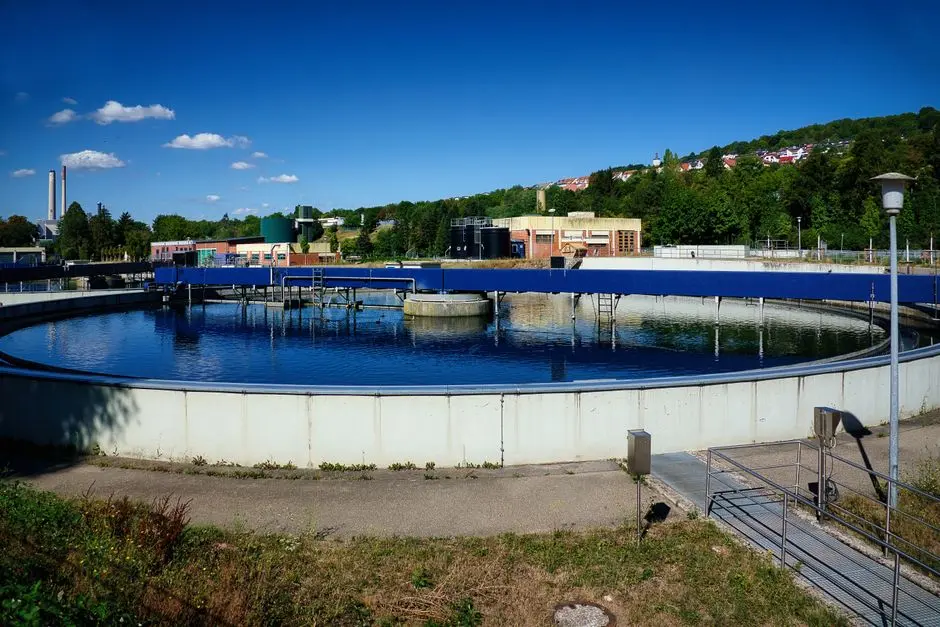
A compliant bid should begin with the current POTW limits matrix, wastewater characterization, flow study, discharge-pathway map, applicable categorical subcategory, and required sampling plan. Do not ask bidders to solve an undefined local ordinance or generic peak-flow question.
- Confirm the receiving POTW and obtain its current ordinance, permit, and applicable subcategory.
- Issue the influent data, flow chronology, and compliance matrix as controlled design inputs.
- Require a signed process basis for every proposed unit operation.
- Require equipment sizing calculations and a complete mass balance.
- Require reagent-consumption estimates, control narratives, and sludge-disposal plans.
- Require a worst-case operating response covering peak, batch, upset, and resumption conditions.
- Make award contingent on site-specific treatability and confirmation against the controlling authorization.
| Bid package | Required evidence | Buyer check |
|---|---|---|
| Process basis | Influent, reaction chemistry, separation mechanism, residuals | Does every unit address a mapped violation? |
| Equipment sizing | Design and peak flow, hydraulic loading, turndown, utilities | Are installed capacities tied to site data? |
| Performance claim | Feed type, test conditions, guarantee, exclusions | Does the claim match the characterized wastewater? |
| Controls | PLC sequence, alarms, interlocks, sampling | Can operators detect and contain excursions? |
| Sludge plan | Solids yield, dewatering, filtrate, disposal endpoint | Is the waste stream fully costed and permitted? |
| Whole-life cost | Chemicals, energy, sludge handling, maintenance, washdown, operator time | Are omissions shifted to another unit or hidden? |
Compare whole-life costs rather than equipment price alone. Chemical use, sludge transport or disposal, energy, operator attention, maintenance, and backwash or washdown handling can change the operating result. Performance claims must match the relevant feed type: the cited DAF removal percentages were presented for mining or metal-finishing service and should not be generalized to every wastewater.
Ask suppliers to identify any proposed unit lacking a published capacity or operating range in the supplied product data rather than substituting a generic package claim. The final purchase should remain contingent on the site-specific treatability study and confirmation that the completed design basis satisfies the controlling POTW and permit requirements.
Frequently Asked Questions
Do federal categorical standards or the Glenwood POTW limits control the sewer discharge?
Federal categorical standards are the starting floor where applicable, while the POTW’s site-specific local limits apply at the point of connection. Use the most stringent applicable requirement after reviewing the ordinance, permit, categorical subcategory, and state conditions. The supplied research does not identify the controlling Glenwood POTW, so its numerical limits must be obtained before design.
How should treatment equipment be sized for a mining or metals wastewater plant?
Select equipment from characterized peak and batch flows, not average flow alone. HydropureWater’s 2024-11 DAF information lists a 4–300 m³/h product range across 13 models, but that range is not a site selection. The bidder must demonstrate hydraulic loading, turndown, equalization, chemical storage, and solids-handling performance against the actual flow chronology.
What should buyers require when selecting a treatment supplier?
Require a process guarantee tied to the characterized wastewater, controlling limits matrix, stated operating envelope, and sludge plan. Also request sizing calculations, reagent estimates, control narrative, test conditions, and performance exclusions so that the guarantee can be evaluated rather than accepted as a generic removal claim.
How should DAF, lamella, dosing, filtration, and sludge dewatering be priced?
Compare them as an integrated system and request a site-specific quotation covering equipment, installation, controls, chemicals, utilities, maintenance, operator time, sludge handling, filtrate disposal, and washdown. No supported price for the Glenwood installation was supplied, so a defensible budget requires the current design flow, characterization, limits matrix, reagent basis, and sludge-disposal assumptions.