Morocco’s industrial wastewater treatment market is growing at 8.2% CAGR (2025–2030), driven by stricter enforcement of Water Law 36-15 and rising discharge fees. Dissolved Air Flotation (DAF) systems are the preferred solution for removing suspended solids (92–97% efficiency), oils, and COD from textile, phosphate, and food processing effluents. This guide provides Morocco-specific cost benchmarks (MAD 300K–2.5M), compliance checklists, and a supplier decision framework to help engineers and procurement teams select the right DAF system for their facility.
Why Moroccan Factories Are Switching to DAF Systems in 2025
Moroccan industrial facilities face increasing pressure to adopt advanced wastewater treatment technologies like DAF due to stringent environmental regulations and escalating operational costs. Water Law 36-15 (2015) mandates pretreatment for industrial effluents, with Article 12 imposing fines up to MAD 500K for non-compliance, pushing factories towards more effective solutions to meet Moroccan wastewater treatment standards. For instance, a Casablanca textile factory significantly reduced its discharge fees by 40% after installing a DAF system, demonstrating the tangible economic benefits of compliance (Moroccan Ministry of Environment, 2024).
Specific industrial sectors in Morocco encounter unique challenges that DAF systems are well-suited to address. The phosphate industry, a cornerstone of the Moroccan economy, grapples with high Total Suspended Solids (TSS) loads, often ranging from 500–2000 mg/L, in its beneficiation wastewater. These concentrations frequently exceed the removal capabilities of conventional sedimentation tanks, making DAF a critical upgrade for achieving compliance (OCP Group internal data). Similarly, the food processing sector benefits immensely from DAF technology, which can remove up to 99% of Fats, Oils, and Grease (FOG) from olive oil and dairy wastewater, crucial for meeting Moroccan standards that typically stipulate FOG levels of ≤10 mg/L. Beyond compliance, the economic driver for adopting DAF systems is undeniable, as discharge fees imposed by the National Office of Electricity and Drinking Water (ONEE) in Morocco rose by 15% in 2024, making efficient wastewater treatment a direct cost-saving measure.
How DAF Systems Work: Process Parameters for Moroccan Engineers
Dissolved Air Flotation (DAF) systems operate on the principle of separating suspended solids, oils, and grease from wastewater by attaching microscopic air bubbles to the contaminants, causing them to float to the surface for removal. The process typically involves pressurizing a portion of the clarified effluent (3–6 bar) and saturating it with air, then releasing this supersaturated water into a flotation cell where micro-bubbles (30–50 μm) are formed. These fine bubbles attach to flocculated particles, increasing their buoyancy and allowing them to rise to the surface, where a skimmer removes the concentrated sludge (Fluence, Sigmadaf content).
For Moroccan industrial applications, specific process parameters are critical for effective DAF system design. In the textile sector, influent TSS can range from 300–800 mg/L and Chemical Oxygen Demand (COD) from 800–1500 mg/L, requiring robust flocculation and efficient bubble generation (Moroccan Textile Association, 2024). Phosphate wastewater treatment in Morocco often presents influent TSS levels of 1000–3000 mg/L with a pH typically between 8–10 (OCP Group technical reports), necessitating specific material selection like stainless steel for corrosion resistance. Food processing effluents, particularly from olive oil and dairy, contain FOG from 200–1000 mg/L and Biochemical Oxygen Demand (BOD) between 500–2000 mg/L, which DAF effectively targets. Material selection for DAF systems is paramount: stainless steel (e.g., 304 or 316) is preferred for corrosive environments like phosphate processing, while polypropylene is often chosen for food processing due to its chemical resistance. A typical DAF process flow begins with raw wastewater entering an equalization tank, followed by chemical dosing (coagulation/flocculation), then the air saturation tank, which feeds into the flotation cell. Here, sludge is skimmed off, and the clarified effluent is discharged, often requiring further biological treatment. HydropureWater offers Morocco-optimized DAF systems for industrial wastewater, designed to meet these diverse needs.
The following table outlines key DAF design parameters tailored for Moroccan industrial sectors:
| Parameter | Textile Effluent Treatment (DAF) | Phosphate Wastewater Treatment (Morocco) | Food Processing Effluent |
|---|---|---|---|
| Influent TSS | 300–800 mg/L | 1000–3000 mg/L | 100–500 mg/L |
| Influent COD | 800–1500 mg/L | 500–1000 mg/L | 500–2000 mg/L |
| Influent FOG | 5–50 mg/L | Negligible | 200–1000 mg/L |
| pH Range | 6–9 | 8–10 (alkaline) | 4–8 |
| Coagulant Dose (PAC) | 20–60 mg/L | 50–100 mg/L | 10–40 mg/L |
| Flocculant Dose (Polymer) | 1–5 mg/L | 2–8 mg/L | 1–4 mg/L |
| Air Saturation Pressure | 4–5 bar | 5–6 bar | 3–4 bar |
| Typical Material | Stainless Steel | Stainless Steel (316L) | Polypropylene / Stainless Steel |
DAF vs. Sedimentation: Which is Right for Your Moroccan Facility?
Selecting between Dissolved Air Flotation (DAF) and conventional sedimentation for industrial wastewater treatment in Morocco hinges on specific effluent characteristics, desired removal efficiencies, and operational costs. DAF systems generally outperform sedimentation in removing fine suspended particles, oils, and grease, which are prevalent in many Moroccan industrial wastewaters. While sedimentation relies on gravity to settle heavier particles, DAF actively floats lighter, difficult-to-settle contaminants using micro-bubbles, resulting in a more compact footprint and often superior effluent quality. To compare DAF and sedimentation costs for Moroccan wastewater treatment, consider the detailed breakdown available in our DAF vs Sedimentation Cost Difference: 2025 Engineering Breakdown.
For Morocco-specific use cases, DAF is often the preferred choice. The textile industry, with its high dye loads and fine suspended solids, benefits significantly from DAF's ability to achieve high removal efficiencies for color and TSS. Food processing plants, particularly olive oil and dairy, find DAF indispensable for effectively removing FOG, which can clog pipes and interfere with downstream biological processes. Even in the phosphate sector, DAF excels at clarifying beneficiation wastewater containing fine mineral particles that settle poorly. Conversely, sedimentation remains suitable for municipal pretreatment or industrial effluents with predominantly heavy, easily settleable solids and low FOG content, such as some bottling plants or general manufacturing with minimal organic loads.
The cost difference between the two technologies is notable: DAF systems typically have a 20–30% higher capital cost than sedimentation tanks due to their mechanical complexity and specialized components. However, this higher initial investment is often offset by a 40% lower operational cost over the system's lifespan, primarily due to reduced chemical consumption, smaller footprints requiring less land, and lower sludge disposal volumes (Moroccan Environmental Consultants Association, 2024). Crucially, DAF systems meet Moroccan discharge limits (TSS ≤30 mg/L, FOG ≤10 mg/L) more consistently than sedimentation, according to ONEE 2023 audit data, thus minimizing the risk of fines. A Marrakech olive oil mill, for example, switched from sedimentation to a DAF system and reported a 50% reduction in sludge disposal costs, highlighting DAF's efficiency in handling high-volume, low-density sludge.
| Criterion | Dissolved Air Flotation (DAF) | Conventional Sedimentation |
|---|---|---|
| Removal Efficiency (TSS) | 92–97% (excellent for fine particles, FOG) | 70–90% (good for heavy, settleable solids) |
| Footprint Required | Compact (60% smaller than sedimentation for similar flow) | Large (requires significant land area) |
| Chemical Use | Moderate (coagulants, flocculants) | Low to Moderate (coagulants for enhanced settling) |
| Sludge Volume | Lower volume, higher concentration (3–5% solids) | Higher volume, lower concentration (0.5–2% solids) |
| Energy Consumption | Moderate (pumps, compressor) | Low (gravity-driven, occasional scraper) |
| Capital Cost | 20–30% higher than sedimentation | Lower initial investment |
| Operational Cost | 40% lower than sedimentation (due to less sludge, better efficiency) | Higher (due to larger sludge volume, less consistent effluent) |
| Moroccan Use Cases | Textile (dyes, fine fibers), Food Processing (FOG), Phosphate (fine particles) | Municipal pretreatment, low-TSS industrial effluents (e.g., bottling) |
Morocco’s DAF System Costs: 2025 Benchmarks and ROI Calculator
Understanding the localized costs for a DAF system in Morocco is crucial for accurate budgeting and investment decisions, as expenses are influenced by import duties, local labor rates, and supply chain dynamics. For a typical 50 m³/hour DAF system, the equipment cost ranges from MAD 500K–800K for imported units, while locally assembled options can be more competitive at MAD 300K–500K. Installation costs, encompassing labor, piping, and electrical work, generally fall between MAD 150K–300K. A significant factor impacting total cost is import duties: 17.5% for DAF systems sourced from EU/US suppliers, whereas Chinese suppliers benefit from 0% import duties under existing trade agreements (Moroccan Customs, 2025).
Annual Operational & Maintenance (O&M) costs for a 50 m³/hour DAF system in Morocco typically range from MAD 80K–150K, covering chemicals (coagulants, flocculants), energy consumption for pumps and compressors, and routine labor. When evaluating the investment, an ROI calculator can quickly demonstrate payback. The payback period is calculated as: Payback Period = (Capital Cost) / (Annual Savings from Discharge Fees + Sludge Disposal Costs). For example, a textile factory investing MAD 1.2M in a DAF system and achieving annual savings of MAD 400K (from reduced discharge fees and sludge handling) would realize a payback period of 3 years. Beyond direct costs, hidden expenses include Moroccan labor rates for DAF operators, typically MAD 8K–12K/month, and the potential for chemical supply chain risks, such as the polyaluminum chloride shortages experienced in 2024, which can impact operational stability and cost. HydropureWater offers competitive pricing for its Morocco-optimized DAF systems for industrial wastewater, leveraging local assembly to reduce import duty impacts.
| Cost Category | Estimated Range for 50 m³/hour DAF System (MAD) | Notes for Moroccan Context |
|---|---|---|
| Equipment (Imported) | 500,000 – 800,000 | Subject to 17.5% import duties for EU/US origin. |
| Equipment (Local Assembly) | 300,000 – 500,000 | 0% import duties for components from China (HydropureWater). |
| Installation (Labor, Piping, Electrical) | 150,000 – 300,000 | Includes local engineering and construction. |
| Import Duties | 0% (Chinese suppliers) / 17.5% (EU/US suppliers) | Based on Moroccan Customs, 2025 tariffs. |
| Annual O&M (Chemicals, Energy, Labor) | 80,000 – 150,000 | Variable based on influent quality and local utility rates. |
| Operator Salary (Annual) | 96,000 – 144,000 | Based on MAD 8K–12K/month for skilled operators. |
| Sludge Disposal (Annual) | 50,000 – 200,000 | Highly dependent on sludge volume, hazardous waste status, and local contractor rates. |
Complying with Moroccan Water Law 36-15: DAF System Checklist
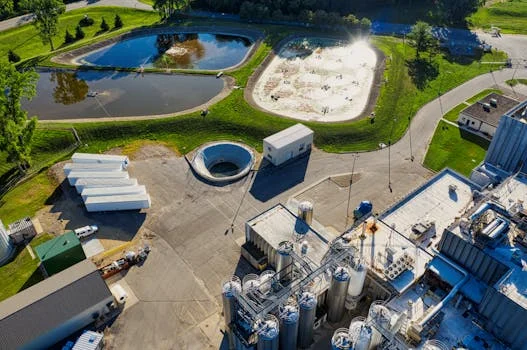
Adhering to Moroccan Water Law 36-15 is non-negotiable for industrial facilities, and DAF systems play a critical role in achieving the required effluent quality. Article 12 of Water Law 36-15 sets specific discharge standards for industrial effluents, which DAF systems are designed to meet. For instance, DAF typically achieves 92–97% removal of Total Suspended Solids (TSS), consistently bringing levels below the ≤30 mg/L limit. Similarly, DAF effectively reduces Chemical Oxygen Demand (COD) by 92–97%, targeting the ≤120 mg/L standard, and achieves an impressive 99% removal of Fats, Oils, and Grease (FOG), well within the ≤10 mg/L limit. The law also mandates a pH range of 6.5–8.5 for discharge, which often requires a PLC-controlled chemical dosing system for Moroccan DAF systems to adjust highly alkaline phosphate or acidic textile effluents.
To ensure full compliance with Moroccan regulations, industrial plant managers should follow a comprehensive DAF system checklist:
- Pre-treatment: Install a pre-treatment screening for Moroccan industrial effluents, such as a bar screen (GX Series), to remove large solids greater than 5 mm, preventing damage to downstream equipment and optimizing DAF performance.
- Chemical Dosing: Implement an automatic chemical dosing system for precise and consistent application of coagulants (e.g., polyaluminum chloride) and flocculants, which are essential for effective DAF operation and achieving high removal rates.
- Monitoring: Install online TSS and COD meters, which are often required by ONEE for facilities with discharge volumes exceeding 50 m³/hour, to continuously monitor effluent quality and demonstrate compliance.
- Sludge Disposal: Establish a contract with a licensed hazardous waste handler, such as Sita Maroc, for the environmentally sound disposal of DAF sludge, ensuring adherence to local environmental protection regulations for industrial sludge disposal in Morocco.
- pH Adjustment: Integrate a pH adjustment system, particularly for industries like phosphate processing or textile dyeing, to ensure the final effluent pH falls within the mandated 6.5–8.5 range.
- Permitting: Submit the complete DAF system design and operational plan to the Regional Environment Directorate (RED) at least 90 days before planned installation to obtain the necessary environmental permits.
Top 5 DAF System Suppliers for Moroccan Industries: 2025 Comparison
Selecting the right DAF system supplier in Morocco requires a nuanced evaluation beyond just equipment cost, considering factors such as local support, import duties, and sector-specific expertise. While many international manufacturers offer DAF technology, their suitability for the Moroccan market varies significantly. HydropureWater, for instance, offers Morocco-optimized DAF systems for industrial wastewater, benefiting from local assembly in Casablanca, which translates to 0% import duties for its DAF systems and a robust 5-year warranty, a key advantage for local industries.
The following table provides a comparison of five prominent DAF system suppliers relevant to Moroccan industries, based on critical evaluation criteria for 2025:
| Criterion | HydropureWater | Fluence | Sigmadaf | World Water Works | EcoWater Maroc (Local Distributor) |
|---|---|---|---|---|---|
| Flow Rate Range (m³/hour) | 5–1000+ | 5–500+ | 5–1000+ | 10–800+ | 5–200 (various brands) |
| Materials Offered | SS304, SS316L, PP | SS304, SS316L | SS304, SS316L, PP | SS304, SS316L | Varies by brand |
| Local Support (Morocco) | Local assembly, service, spare parts in Casablanca | Limited (regional reps) | Limited (distributors) | Limited (distributors) | Strong (local presence) |
| Import Duties (Morocco) | 0% (due to local assembly/origin) | 17.5% (EU/US origin) | 17.5% (EU origin) | 17.5% (US origin) | Varies by brand origin |
| Sector Expertise | Textile, Phosphate, Food, Petrochem | General Industrial, Municipal | Food, Paper, Petrochem | Food, Municipal, Chemical | Diverse (local projects) |
| Lead Time (weeks) | 8–12 | 16–24 | 14–20 | 18–26 | 10–16 |
| Warranty (years) | 5 | 1–2 | 1–2 | 1–2 | 1 (supplier only) |
| Price Range (MAD for 50m³/hr) | 300K–500K | 500K–800K | 550K–850K | 600K–900K | 400K–700K |
When evaluating DAF suppliers for North Africa, industrial plant managers should be wary of red flags, such as suppliers without verifiable Moroccan references or those demanding 100% upfront payment, which has been a common scam in 2024. Prioritizing suppliers with established local support networks and a clear understanding of Moroccan regulatory and logistical landscapes is crucial for successful project implementation and long-term operational reliability.
Frequently Asked Questions
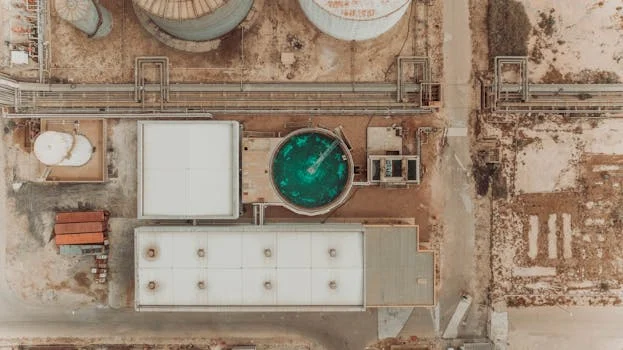
Understanding the nuances of DAF technology and its application in Morocco is essential for informed decision-making in industrial wastewater treatment.
Q: What is the difference between DAF and SAF?
A: Dissolved Air Flotation (DAF) uses micro-bubbles (30–50 μm) generated by dissolving air under pressure and then releasing it, while Suspended Air Flotation (SAF) employs larger bubbles (100–200 μm) created by mechanical aeration. DAF is generally more effective for removing fine particles (e.g., phosphate sludge) and typically achieves 10–15% higher removal efficiency for difficult-to-settle contaminants. SAF is a cheaper alternative but less effective for the fine particulate matter and complex textile dyes often found in Moroccan industrial effluents.
Q: How much does a DAF system cost in Morocco?
A: For a 50 m³/hour DAF system, equipment costs typically range from MAD 300K–800K, with an additional MAD 150K–300K for installation. It's important to factor in import duties, which can add 17.5% for DAF systems from EU/US suppliers, though Chinese suppliers often benefit from 0% import duties (Moroccan Customs, 2025).
Q: What is the purpose of a DAF system?
A: The primary purpose of a DAF system is to efficiently remove suspended solids (92–97% efficiency), oils/grease (99%), and Chemical Oxygen Demand (COD) (92–97%) from industrial wastewater. This helps Moroccan factories comply with Water Law 36-15 discharge standards and significantly reduces discharge fees imposed by ONEE (ONEE 2024 data), leading to operational cost savings.
Q: What is the difference between a clarifier and DAF?
A: Clarifiers typically rely on gravity sedimentation, meaning heavier particles settle slowly to the bottom, requiring a large footprint. DAF systems, conversely, use micro-bubbles to float contaminants to the surface, resulting in a much faster separation process and a significantly smaller footprint (approximately 60% less space). DAF is particularly advantageous for Moroccan textile and food processing effluents that contain high concentrations of FOG or fine, low-density particles that do not settle well by gravity.
Q: Can DAF systems handle Morocco’s phosphate wastewater?
A: Yes, DAF systems are well-suited for phosphate wastewater treatment in Morocco, effectively reducing high TSS loads. However, they require specific considerations such as stainless steel construction (e.g., SS316L) to withstand the typically alkaline pH (8–10) of phosphate effluents and often necessitate higher chemical dosing rates (e.g., polyaluminum chloride at 50–100 mg/L) for optimal flocculation. A properly designed 100 m³/hour DAF system can reduce TSS from 2000 mg/L to below 30 mg/L (OCP Group internal data).
Related Equipment
- Morocco-optimized DAF systems for industrial wastewater — view specifications, capacity range, and technical data
Need a customized solution? Request a free quote with your specific flow rate and pollutant parameters.