Determine Which Pretreatment Rules Apply
Fabricated-metals plants near Fredonia meet sewer pretreatment limits by first determining whether 40 CFR Part 433 metal-finishing standards apply, then comparing the applicable categorical limits with the Fredonia-area POTW’s approved local limits. The stricter requirement governs at the point of connection. A typical treatment train uses flow equalization, oil and grease removal, chromium reduction or cyanide oxidation where needed, pH-controlled metal precipitation, and DAF or lamella clarification before pH adjustment and discharge. Equipment selection should follow a full-week wastewater characterization, including batch dumps, rather than a short composite sample.
The first decision is a facility-classification decision, not an equipment-selection decision. The supplied 2026 research states that 40 CFR Part 433 covers forming, finishing, forging, foundry, metal spraying, and machining-wash operations co-located with plating or anodizing lines. A stamping operation that ships only dry parts to a separate finisher is generally outside that category, while a facility operating its own zinc, nickel, or chromic-acid tank is inside it. Fabricated-metal production should therefore be mapped by operation, including any on-site plating, anodizing, pickling, coating, machining, or wash-water operations, before the applicable limits are selected.
PSES applies to existing sources, while PSNS applies to new sources. The supplied HydropureWater research, dated 2026, recommends using PSNS-equivalent values as a conservative baseline for existing plants because many POTW pretreatment programs apply that basis to industrial users. That baseline is not a substitute for the POTW’s permit. The EPA’s local-limits guidance states that POTWs impose local limits at the industrial user’s point of connection and that approved local limits can be enforced as pretreatment standards.
Obtain the current Fredonia-area POTW local-limit table, industrial-user permit, monitoring requirements, narratives, and best management practices. Compare each pollutant parameter separately: the controlling requirement is the stricter applicable limit, not whichever table happens to contain more pollutants. EPA identifies the POTW as the control authority where it has an approved pretreatment program. A useful framing is provided in this comparable fabricated-metals pretreatment guide.
| Facility or operation | Initial Part 433 screen | Controlling compliance basis |
|---|---|---|
| Stamping or fabrication with no on-site plating or anodizing | Generally outside the category when only dry parts leave for a separate finisher | POTW local limits, permit conditions, and any applicable state or federal requirements |
| Fabricated-metals operation co-located with plating or anodizing | Potentially covered under the Part 433 operation scope | Applicable PSES or PSNS requirement compared parameter by parameter with POTW local limits |
| On-site zinc, nickel, or chromic-acid tank operation | Inside the Part 433 scope according to the supplied 2026 research | Stricter applicable categorical or POTW requirement at the point of connection |
Characterize the Wastewater Before Sizing Equipment
A full week of composite flow is the minimum practical basis for final equipment sizing under the supplied 2026 research; a short composite can miss the batch that controls equalization volume and chemical demand. Begin with a process-flow survey, map each stream to its collection point, and then sample the combined pretreatment influent through a full operating week. Record production schedules alongside the analytical results so intermittent dumps remain visible in the dataset.
The sampling program should cover metals, hexavalent chromium, cyanide where applicable, oil and grease, TSS, pH, flow, and the timing and volume of batch discharges. Identify floor drains, trench drains, wash-water sources, plating rinses, machining-fluid streams, sheet dumps, and contaminated stormwater where present. These streams should not be combined merely because they reach the same basin: a dilute machining washwater and a concentrated plating dump have different treatment objectives and different hydraulic consequences.
For mixed floor drains entering pretreatment, the supplied HydropureWater 2026 field-data scope reports oils at 50–500 mg/L, total dissolved metals at 5–200 mg/L, TSS at 100–1,000 mg/L, and pH between 2 and 12 across batch dumps. The same source notes that a stamping cell may remain near neutral with low metals, while a hard-chrome line can produce a high hexavalent-chromium dump under acidic conditions. Those figures describe the cited mixed-floor-drain scope; they are not substitute limits or a guarantee for a specific facility.
Use flow records to distinguish continuous wash flow from batch discharge, and reconcile sampled flow with production and water-use records. If the operation is intermittent, include every significant production state rather than sampling only normal production days. A local pretreatment-limit compliance workflow illustrates the same permit-first, sample-first discipline.
| Characterization input | Minimum information to obtain | Equipment-design consequence |
|---|---|---|
| Metals and chromium speciation | Total metals, hexavalent chromium where applicable, and cyanide where applicable | Determines precipitation chemistry and whether reduction or oxidation is required |
| Oil and grease | Oils, emulsified products, and free-oil contribution from each source | Selects physical separation, chemical break, or DAF duties |
| Solids | TSS and characterization of grit, swarf, wipes, and hydroxide floc | Sets screening requirements, solids separation, and sludge handling |
| Hydraulics | Continuous flow, dump volume, dump duration, and operating schedule | Sets equalization volume and downstream peak-flow basis |
| Regulatory status | Flow contribution, process-wastewater volume, and SIU information | Confirms monitoring, reporting, and permit obligations |
Significant-industrial-user status requires a separate applicability check. The EPA applicability guidance defines an SIU as a categorical industrial user, except a designated non-significant categorical industrial user, or another industrial user that discharges an average of 25,000 gallons per day or more of process wastewater to the POTW—excluding sanitary, noncontact cooling, and boiler blowdown wastewater; contributes a process wastestream equal to at least 5 percent of the POTW’s average dry-weather hydraulic or organic capacity; or is designated by the POTW because it has a reasonable potential to affect operation or violate a pretreatment requirement.
Build a Treatment Train for the Actual Contaminants
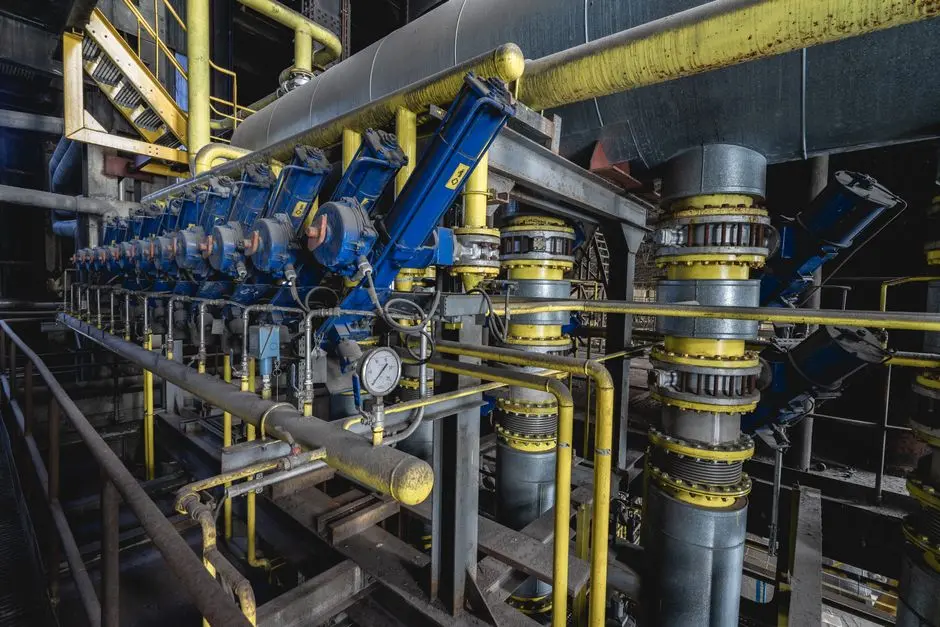
Treatment functions should be separated by purpose: screen the solids, equalize the dumps, remove free oil, oxidize or reduce reactive contaminants, precipitate dissolved metals, separate the resulting solids, and trim the final pH. Combining these duties into one poorly controlled tank makes failures difficult to diagnose and increases the probability that an upset reaches the sewer connection.
- Screen first. Install a rotary mechanical bar screen ahead of equalization to remove rags, wipes, and tramp metal before they enter the sludge-handling train.
- Equalize the batch profile. Route the screened flow into an equalization basin so downstream pumps and chemistry see a controlled flow and contaminant load. The supplied 2026 research describes equalization as essential for batch-driven fabricated-metals operations.
- Remove oil and grease. Apply physical separation, chemical break, or a DAF stage according to whether the measured waste is free oil, emulsified oil, or both. This step reduces the oil load before precipitation and protects downstream solids separation.
- Reduce hexavalent chromium where detected. Use sodium metabisulfite or ferrous sulfate at pH 2–3 and approximately 250–300 mV ORP. The supplied HydropureWater 2026 research identifies this condition for reducing Cr(VI) to trivalent chromium before precipitation.
- Oxidize cyanide where applicable. For alkaline cyanide plating wastewater, destroy cyanide before metal hydroxide precipitation. The supplied 2026 research states that unremoved cyanide can resolubilize downstream metal precipitates.
- Precipitate and separate solids. Raise pH to 8.5–9.5 for metal hydroxide precipitation, then remove the floc with a DAF system for fabricated-metals wastewater or an appropriate lamella clarifier.
- Trim and verify. Adjust final pH to the permit range and demonstrate compliance at the end-of-pipe connection to the POTW collection system.
Install automatic diversion to equalization whenever pH, ORP, or TSS indicates an upset. The supplied 2026 source specifically identifies pH excursion, ORP out of range, and high TSS as conditions requiring diversion back to the equalization-basin header.
| Process stage | Mandatory or conditional | Controlling evidence |
|---|---|---|
| Screening | Mandatory where rags, wipes, or tramp metal can enter | Observed debris and downstream sludge-system condition |
| Equalization | Conditional on batch discharge and hydraulic variability | Full-week flow profile and dump records |
| Oil and grease removal | Conditional on measured oil and grease | Source-specific oil characterization |
| Hexavalent chromium reduction | Conditional on detectable Cr(VI) | Cr(VI) results and ORP/pH requirements |
| Cyanide oxidation | Conditional on cyanide-bearing alkaline plating wastewater | Cyanide analysis and source process |
| Metal hydroxide precipitation | Conditional on dissolved metals requiring removal | Total and dissolved metals results |
| DAF or lamella clarification | Conditional on precipitated floc or floatable material | Solids load, oil profile, footprint, and sludge route |
| Final pH trim and compliance monitoring | Mandatory where specified by the controlling permit | POTW local-limit table and permit conditions |
Choose DAF or Clarification for the Solids Load
DAF is the stronger candidate when oil, FOG, colloids, and precipitated metal-hydroxide floc must be removed together. The supplied 2026 research includes metalworking among DAF’s relevant applications and identifies three principal design variables: hydraulic surface loading, air-to-solids ratio, and recycle rate.
| DAF design variable | Supplied 2026 design envelope | Selection implication |
|---|---|---|
| Hydraulic surface loading | 4–20 m/h, depending on model and floc density | Do not select from average flow alone; use the characterized hydraulic and floc basis |
| Air-to-solids ratio | 0.005–0.060, with 0.02 as the typical design point | Higher values can improve float dryness but increase blower demand and may break fragile floc |
| Recycle rate | 10–30% of forward flow | Higher recycle can improve TSS capture while increasing equalization demand and diluting treatment chemistry |
Use a lamella clarifier when compact inclined-plate separation and sludge recirculation fit the flow profile, solids load, and available footprint better than float separation. The supplied research does not establish a universal lamella sizing envelope, so obtain the vendor’s hydraulic and solids-loading basis and test it against the full-week characterization. The DAF versus clarifier comparison for fabricated metals provides a useful selection framework.
Make the decision from the whole waste profile, not nominal flow alone. Consider oil fraction, colloid behavior, floc fragility, peak batch flow, equalization interaction, required footprint, operator availability, and the selected sludge-dewatering route. A high-efficiency sedimentation tank may be appropriate where compact clarification and sludge recirculation are the controlling objectives; a DAF should be favored where floatable material and hydroxide floc must be recovered together.
Control Dosing, Monitoring, and Sludge Disposal
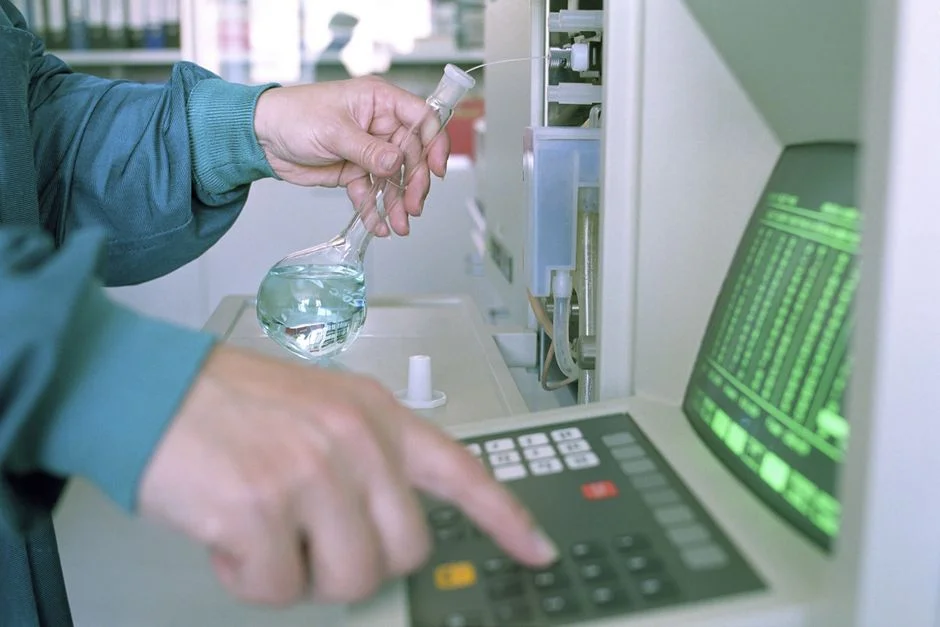
Chemical control should combine flow-paced feedforward with pH or ORP feedback on a PLC-controlled skid. The supplied HydropureWater 2026 research identifies four principal chemical duties: NaOH or sulfuric acid for pH trim, sodium metabisulfite for chromium reduction, sodium hypochlorite for cyanide destruction, and anionic or cationic polymer for flocculation. The automatic chemical dosing skid for pretreatment must therefore be specified around the contaminants actually present, not a generic chemical list.
Include routine verification of pump calibration, stroke-count totals, tank levels, and chemical availability. A dose that cannot be reconciled to measured flow and chemical consumption is not defensible operating data. Chemical strength, storage arrangement, secondary containment, and dosing sequence should also be coordinated with the treatment train: reduction or oxidation must occur under its required conditions before precipitation.
Monitor pH, ORP, flow, TSS, oil and grease, and applicable metals against the controlling permit and POTW local limits. Apply the permit’s stated averaging basis, including daily-maximum or monthly-average requirements where applicable; do not substitute the categorical table for local monitoring conditions. Confirm both treatment-process variables and legally required compliance parameters.
Plan the sludge route before purchasing the solids-removal equipment. The supplied 2026 source reports floated metal-hydroxide sludge at 2–5% dry solids and plate-and-frame dewatering to 25–35%, subject to testing and hauler acceptance. Use a plate-and-frame filter press when the waste chemistry, cake-moisture result, cycle time, and disposal acceptance support that route.
| Control or waste stream | Required verification | Engineering response if out of range |
|---|---|---|
| Acid and caustic dosing | Calibration, stroke totals, tank level, chemical availability | Stop uncontrolled dosing and divert flow |
| Chromium reduction | pH, ORP, and Cr(VI) performance | Divert to equalization and correct the reaction condition |
| Cyanide destruction | Reaction endpoint and residual cyanide | Prevent discharge and return flow to controlled treatment |
| Polymer and flocculation | Dose, mixing condition, and solids performance | Adjust treatment or divert before solids loss |
| Final discharge | Permit parameters, sampling method, and averaging basis | Isolate or divert noncompliant flow |
| Metal-hydroxide sludge | Dry-solids result, dewatering test, and hauler acceptance | Revise conditioning or dewatering route before startup |
Prepare for a Permit Change or Reuse Requirement
Polishing should be added only when a binding POTW limit, a reuse specification, or a future rule requires it. The supplied 2026 research identifies three conditional polishing cases: POTW limits tighter than the categorical baseline, rinse-water reuse requiring additional quality, or a future regulatory requirement.
| Conditional need | Potential treatment step | Basis stated in the supplied 2026 research |
|---|---|---|
| BOD/COD tightening or near-reuse-quality filtration | Submerged PVDF MBR | The supplied source characterizes the system as providing filtration below 1 μm |
| Sub-ppm dissolved solids or a specific reuse metal target | RO, with upstream multi-media filtration | The supplied source identifies RO as potentially required when the reuse specification demands it |
| Future PFAS compliance | Anion exchange or granular activated carbon | The supplied source states that no current numerical PFAS limit applies to chrome finishers and recommends planning a future bolt-on |
An MBR integrated wastewater treatment system is therefore a conditional polishing stage, not a default addition. If the reuse specification requires sub-ppm dissolved solids or a specific metal target, evaluate an industrial reverse-osmosis water-purification system, with the pretreatment needed to protect the membranes. A multi-media filter for ultrapure-water pretreatment may be required upstream where the selected RO specification makes that necessary.
The supplied 2026 source says closed-loop zero-liquid-discharge is rarely economic for a fabricated-metals plant unless water scarcity or a specific reuse-economics case supports the capital. Preserve space and connections for a future polishing skid rather than installing an unrequired full polishing train. An updated DAF and clarifier design review can also check whether the pretreatment package has been designed for future expansion without pre-committing to unnecessary equipment.
Frequently Asked Questions
How long must wastewater characterization continue before equipment sizing?
Use a full week of composite flow before final equipment selection, according to the supplied HydropureWater 2026 research. Include batch timing and dump volume so the equalization and treatment basis reflects actual production. Where a production campaign or unusual discharge occurs outside the sampled week, characterize that condition separately rather than treating the sampled week as automatically representative.
Why should the POTW local-limit table drive the treatment design?
The EPA’s local-limits guidance states that POTWs impose local limits at the industrial user’s point of connection. The controlling design envelope therefore comes from comparing the applicable categorical requirement with the current POTW limits parameter by parameter and applying the stricter limit. Ask the POTW for its approved local-limit table, permit conditions, monitoring rules, narratives, and BMPs; a federal categorical table cannot replace that review.
How should an equipment buyer choose between DAF and a lamella clarifier?
Request a written basis showing how each proposed unit handles the characterized oil, colloids, hydroxide floc, peak flow, and sludge route. For DAF, require the supplier to define hydraulic surface loading, air-to-solids ratio, and recycle rate using the supplied 2026 design envelope rather than an unstated proprietary assumption. For a lamella clarifier, request the proposed solids-loading and hydraulic basis tied to the same wastewater data. Compare footprint, floc fragility, equalization interaction, controls, maintenance, and dewatering compatibility.
What should be checked before selecting a chemical-dosing and DAF supplier?
Require evidence that the controls were factory-tested or bench-tested before shipment, including pump calibration provisions, stroke-count totals, pH and ORP feedback, high-TSS diversion, and automatic equalization diversion. Ask for application references covering comparable fabricated-metals wastewater and for the exact startup and performance-testing protocol. A fabricated-metals pretreatment reference can help frame the technical questions, but equivalent operating evidence remains necessary.
What is the compliance risk of installing full polishing before a limit requires it?
The risk is unnecessary capital, chemical and operating burden, and equipment that may not solve the actual future constraint. The supplied 2026 source recommends designing the pretreatment train so a polish skid can be added later rather than installing it before a numerical requirement or binding reuse specification exists. If tighter POTW limits are under consideration, obtain the proposed values and the POTW’s compliance schedule, then evaluate the appropriate polishing stage against those requirements.
Related Equipment
- automatic chemical dosing skid for pretreatment — specifications, capacity range, and technical data