What Chemical Wastewater Changes About the Choice
Chemical-manufacturing process wastewater is not a single design category: wash water, product-contact water, and segregated high-strength streams can vary substantially within one Pittsburg-area plant. Recoverable oil and grease, colloidal material, precipitated solids, dissolved salts, and truly dissolved contaminants require different removal mechanisms, so neither DAF nor sedimentation should be selected by product name alone. A defensible 2026 decision starts with identifying the contaminant-removal mechanism, then evaluates hydraulic loading, conditioning, sludge, footprint, and compliance. For plants subject to local pretreatment requirements, see the overview of chemical plant pretreatment requirements and the 2026 guide to pretreatment limits near Pittsburgh-area chemical facilities.
Oil and grease may float when free and recoverable, but emulsified oil requires different conditioning and may not respond reliably to flotation. Precipitated solids may settle if floc properties are suitable, while colloidal particles can require coagulation and flocculation before either separation method will perform consistently. Dissolved salts and plant-specific dissolved chemicals remain a different treatment problem; the supplied research does not establish removal by either DAF or a lamella clarifier.
PFAS are a specific example of why the treatment train must be evaluated beyond solids removal. Colorado State University’s Timothy D. Appleman reported in 2013 that poly- and perfluoroalkyl substances are environmentally persistent and had been detected in water sources and municipal wastewater influents and effluents. That source establishes the need for explicit fate and treatment evaluation; it does not demonstrate that conventional DAF or sedimentation alone provides reliable PFAS removal.
For industrial wastewater clarification, use a two-stage selection method. First establish which pollutants must be removed and by what mechanism. Second compare the resulting treatment train against measured flow and contaminant loading, chemical-conditioning requirements, residual volume and properties, available footprint, operating controls, downstream polishing, and site-specific discharge obligations.
How DAF and Lamella Clarifiers Separate Wastes
Dissolved air flotation uses air dissolved under pressure, then released as microbubbles that attach to conditioned particles and carry them to the surface for skimming. Clearwater Industries describes the industrial DAF process as using 30–50 micron microbubbles to remove suspended solids, oils, and fats, with paddle skimmers removing the floated material. Its 2026 technical material also identifies coagulation and flocculation as necessary parts of reliable DAF performance rather than optional accessories.
DAF does not imply that every captured solid floats. Clearwater Industries states that heavier solids settle into the bottom collection zone and can be removed by an auger, so a DAF design may provide separate floated-solids and settled-solids outlets. The [industrial DAF system](/product/4-dissolved-air-flotation-daf-machine.html) should therefore be evaluated on how it handles each measured solids fraction, including where skum and bottom solids go.
A lamella clarifier uses inclined plates to increase the effective settling area within a compact tank. The [lamella clarifier](/product/10-high-efficiency-sedimentation-tank.html) described in the supplied product material incorporates sludge recirculation and flocculation, with a catalog surface-loading rate of 20–40 m/h. That is an equipment-selection parameter, not evidence that a specific plant will meet a discharge limit. The final hydraulic basis must still be established from wastewater characterization and engineering design.
The relevant process flow is:
- Characterize and segregate wastewater streams.
- Equalize flow and composition where required.
- Apply chemical conditioning and flocculation for DAF, or flocculation for lamella clarification.
- Separate by flotation or inclined-plate settling.
- Route floated or settled solids to industrial sludge handling.
- Apply downstream treatment for pollutants not addressed by the primary separator.
This sequence separates physical clarification from advanced treatment. It also prevents a common procurement error: treating a DAF unit with lamella media and a conventional lamella clarifier as interchangeable even though their primary separation mechanisms remain different.
DAF vs Clarifier: Match the Unit to the Waste
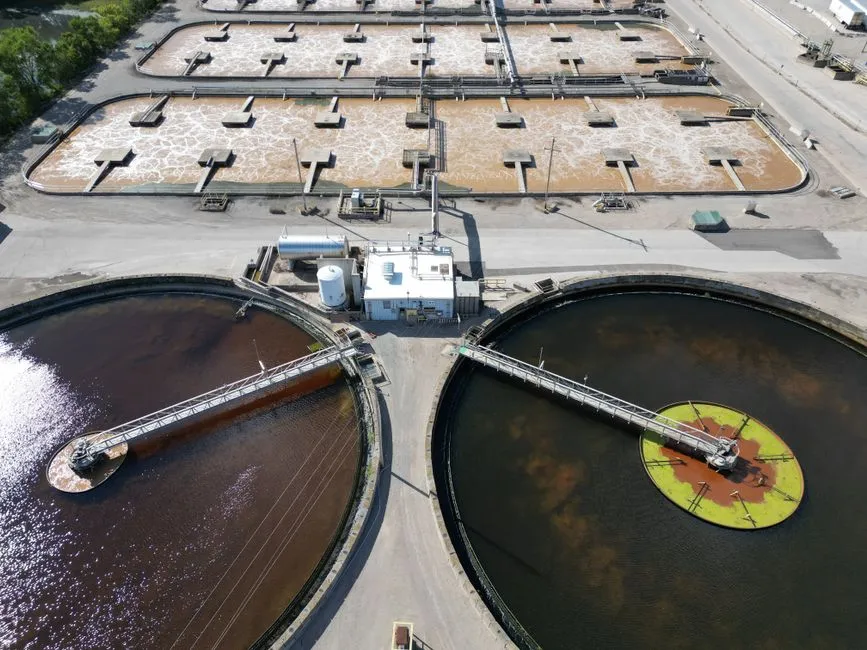
DAF is the stronger starting point when floatable oil, grease, colloids, or conditioned solids dominate the removal duty and the plant can provide reliable conditioning, air saturation, recycle, skimming, and solids withdrawal. A lamella clarifier is the stronger starting point when most solids are demonstrably settleable, feed variability can be managed, and compact effective clarification is the priority. Clearwater Industries identifies industrial wastewater, oils, fats, and suspended solids within its DAF application scope; HydropureWater’s 20–40 m/h catalog surface-loading specification provides a lamella selection input, not a performance guarantee.
| Procurement issue | Dissolved air flotation | Lamella clarifier |
|---|---|---|
| Primary mechanism | Conditioned solids attach to 30–50 micron microbubbles and rise for surface skimming, as described by Clearwater Industries | Floc settles through inclined plates after flocculation |
| Best-fit material | Recoverable oil and grease, colloids, and conditioned solids requiring flotation | Predominantly settleable solids with credible sedimentation |
| Chemical conditioning | Central to particle enlargement and bubble contact; requires dependable dosing and mixing | Required for reliable floc formation; sludge recirculation is part of the catalog unit |
| Sludge outlet | Surface skum plus possible bottom withdrawal for heavier solids | Bottom sludge withdrawal and recirculation |
| Footprint tendency | Requires tank, saturation, recycle, conditioning, and skimming arrangements | Generally favors a compact clarification footprint, subject to design verification |
| Automation focus | Air system, recycle, pump, skimmer, sludge discharge, and interlocks | Flocculation, recirculation, plate condition, and controlled withdrawal |
| Maintenance focus | Air saturation and recycle equipment, nozzles, skimmer, conditioning equipment, and sludge handling | Flocculation and recirculation equipment, plate condition, and sludge withdrawal |
| Downstream duty | Polishing remains necessary for contaminants not removed by flotation | Polishing remains necessary for dissolved contaminants and inadequately settled material |
Clearwater Industries distinguishes three DAF configurations relevant to preliminary screening. FPAC is designed for small-to-medium flows with very high solids loads; FPBC is intended for low-to-medium solids loads and includes lamella-pack separation; FPHF is intended for high flows with low-to-large solids loads. These are model distinctions, not substitutes for project-specific hydraulic and contaminant loading calculations.
Variable pH, emulsified oils, chemical toxicity, dissolved contaminants, and PFAS require separate evaluation. A [PLC-controlled chemical dosing system](/product/8-automatic-chemical-dosing-system.html) should be evaluated as part of process control, but it cannot turn a poorly selected separator into a compliant treatment system.
Use These Project Inputs to Size the Equipment
A quote should be based on a wastewater and operating basis, not a requested flow rate alone. The buyer needs peak and average flow, batch consistency, operating hours, temperature, pH, and expected production changes. The wastewater inventory should cover oil and grease, TSS, settleable solids, colloids, conductivity, metals, organics, and plant-specific chemical species. Where those analyses are unavailable, the equipment capacity remains undefined.
Laboratory or pilot evidence is needed for settleability, floatability, chemical demand, and responses to changes in pH and product concentration. These tests determine whether the proposed mechanism matches the waste. For emulsified oils, request evidence on the condition of the oil and the selected conditioning sequence rather than a generic “oil removal” claim.
| Information package | Required content | Why it affects selection |
|---|---|---|
| Hydraulic basis | Average and peak flow, operating pattern, batch discharges, future production changes | Establishes hydraulic loading and equalization requirements |
| Wastewater analysis | Oil and grease, TSS, settleable solids, colloids, pH, conductivity, metals, organics, and relevant process chemicals | Identifies the required separation mechanism and treatment limits |
| Separability evidence | Laboratory or pilot settleability, floatability, and chemical-conditioning results | Tests whether flotation or sedimentation is technically credible |
| Residuals | Expected skum or sludge volume, solids content, hazardous characteristics, and disposal route | Defines the downstream industrial sludge handling burden |
| Site and utilities | Building clearances, chemical storage, power, compressed air, drainage, noise, access, controls, and maintenance space | Determines installation scope and operability |
| Compliance basis | Applicable permit or sewer requirements, downstream polishing needs, and proposed performance tests | Connects equipment selection to enforceable operating objectives |
Catalog scale provides context, not a design basis. HydropureWater’s supplied DAF range spans 4–300 m³/h across 13 standard models. Clearwater Industries describes a single-skid COMPACT DAF for 66 GPM or less and modular two-skid arrangements for larger flows. These references can support preliminary market comparisons, but neither establishes the required unit for a Pittsburg-area plant.
Include the residual route in the same request. If sludge dewatering is expected, evaluate an industrial sludge filter press against the actual solids properties and disposal method. Final hydraulic and contaminant loading calculations remain an engineering deliverable.
Choose by Operating Scenario and Total Delivered Value
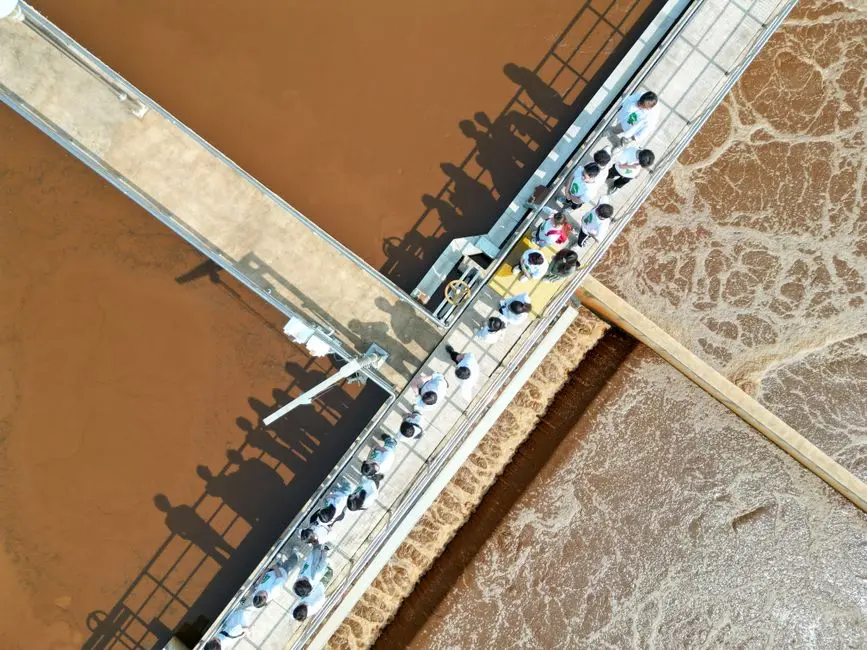
The operating decision follows a simple sequence. If reliable removal of floatable oil, grease, or conditioned colloids is the dominant duty, evaluate DAF. If settleable solids dominate and stable sedimentation is credible, evaluate a lamella clarifier. If both material classes matter, evaluate a treatment train or pilot test rather than forcing one unit to perform both jobs.
DAF introduces air saturation, recycle, conditioning, skimming, and control-system requirements. A lamella clarifier concentrates attention on flocculation, sludge recirculation, plate condition, and withdrawal. These burdens should be compared using actual chemical consumption, labor, energy, maintenance access, downtime exposure, residual handling, and disposal—not generic removal percentages.
| Total-delivered-value item | Information to request from each bidder |
|---|---|
| Capital scope | Separator, tanks, pumps, air or recycle equipment, mixing, flocculation, controls, installation, electrical work, and downstream connections |
| Chemical use | Expected chemical types and consumption under the documented wastewater basis, including operating-control assumptions |
| Residuals | Skum or sludge generation, solids characteristics, storage, transfer, dewatering, and disposal assumptions |
| Operating effort | Attendance requirements, routine maintenance, spare parts, control strategy, and failure recovery |
| Compliance risk | Guarantees tied to the specified wastewater basis, required permit parameters, and a defined performance test |
No defensible purchase price, payback period, or guaranteed life-cycle cost can be published from the supplied evidence. A 2026 comparison should therefore request comparable line items rather than compare headline equipment prices. HydropureWater’s PLC-controlled chemical-dosing system is an example of factory-tested, skid-mounted integration that can support consistent DAF conditioning, but dosing cost and consumption still require project-specific validation.
Require every supplier to state the wastewater basis, conditioning assumptions, utilities, sludge-removal method, installation boundary, controls, and guarantees using the same terms. For broader application detail, review DAF versus clarifier for metals wastewater and the summary of DAF unit engineering specifications.
Plan Permits, Commissioning, and Performance Testing
Permit review must follow the actual site and discharge route. Ask the local authority having jurisdiction and sewer utility to confirm applicable discharge, pretreatment, hazardous-waste, air-emission, and chemical-storage requirements. The supplied research does not establish site-specific limits for a Pittsburg facility, so quotations should not assume a common chemical-manufacturing permit basis.
Commission the complete treatment train before production wastewater is introduced. Equalization, pumps, controls, chemical feed, mixing, sludge withdrawal, alarms, and emergency shutdown functions should be verified individually and together. Review chemical plant pretreatment requirements as part of that local coordination.
Performance testing should cover representative batches and verify flow, solids capture, oil removal, sludge removal, chemical use, and process stability. Startup water cannot substitute for testing under the wastewater condition that caused the equipment to be selected. The operating package should also include control narratives, calibration routines, operating procedures, spare parts, chemical-supply responsibilities, and residual-disposal responsibilities.
Any chemical used for treatment must remain inside the approved process and handling system. A [chlorine dioxide generator](/product/11-chlorine-dioxide-generator.html) may be relevant only where its use has been justified by the wastewater chemistry and site requirements; it is not a generic substitute for clarification.
Frequently Asked Questions
Is DAF better than a clarifier for chemical wastewater?
Not universally. DAF is generally the more relevant starting point when oil, grease, colloids, or conditioned solids must be floated and reliable skimming can be provided. A lamella clarifier is more relevant when solids are predominantly settleable and sedimentation is credibly demonstrated. The controlling issue is the required removal mechanism and the measured wastewater—not the equipment label.
What information does a factory need for a defensible 2026 quote?
Request the flow profile, wastewater analysis, target pollutants, chemical-conditioning needs, sludge route, site constraints, downstream treatment requirements, and applicable effluent basis. Also include batch consistency, operating hours, temperature, pH, and production changes. If these inputs are missing, request a characterization and pilot-test plan before accepting a capacity or performance commitment.
How should competing supplier proposals be compared?
Put all bids on the same wastewater and performance basis. Require each proposal to state conditioning equipment, sludge removal, utilities, controls, installation scope, residual handling, and guarantees. Then compare the cost of the complete treatment train and the operating inputs required to meet the stated result.
Does DAF alone protect a chemical plant from PFAS risk?
No such conclusion is supported by the supplied evidence. Appleman’s 2013 Colorado State University paper documents PFAS persistence and detection in water and municipal wastewater, but it does not establish standalone DAF or clarifier removal performance. Evaluate PFAS fate and treatment separately using site-specific wastewater data and a defined treatment objective.
When is a pilot test useful?
A pilot test is useful when chemical demand, floatability, settleability, or integration with existing operations cannot be established reliably from the analytical data. It should test the proposed conditioning and separation sequence under representative batches, then verify solids capture, oil removal, chemical use, sludge generation, and operational stability before final equipment selection.