What Is a DAF Unit for Wastewater? Engineering Specs, Costs & Industrial Applications 2025
A Dissolved Air Flotation (DAF) unit is a high-efficiency wastewater treatment system that removes suspended solids (TSS), fats, oils, and grease (FOG) by attaching micro-bubbles (10–80 μm) to contaminants, causing them to float to the surface for skimming. DAF units achieve 92–97% TSS removal and >90% FOG reduction, making them ideal for industrial applications like food processing, pulp & paper, and petrochemicals. Key specs include hydraulic loading rates of 5–15 m/h and capacities from 4 to 300 m³/h. Unlike clarifiers, DAF systems handle low-density particles more effectively and require less footprint.Why Industrial Plants Struggle with Wastewater Contaminants (And How DAF Solves It)
Industrial wastewater often contains high concentrations of contaminants, leading to regulatory non-compliance and escalating operational costs. Common culprits include suspended solids (TSS) at levels ranging from 50–500 mg/L, and fats, oils, and grease (FOG) often exceeding 100 mg/L, particularly in sectors like food processing, textiles, and metalworking. These pollutants originate from production processes, cleaning cycles, and spills, posing significant challenges for effective wastewater treatment. Regulatory bodies, such as the EPA with its NPDES limits (often requiring TSS <30 mg/L and FOG <10 mg/L) in the U.S., and the EU Urban Waste Water Directive 91/271/EEC, impose strict discharge standards. Failure to comply results in substantial penalties, with local discharge fees ranging from $0.50–$2.00 per m³ for non-compliant wastewater in many U.S. municipalities. Beyond fines, high contaminant loads create numerous downstream consequences. Unremoved TSS and FOG can clog membranes in advanced filtration systems, reduce the efficiency of biological treatment processes, and increase chemical consumption by as much as 30% for coagulants and flocculants. This directly impacts a plant’s profitability and operational stability. Dissolved Air Flotation (DAF) technology offers a robust solution by acting as a 'microscopic elevator' for these contaminants. Unlike conventional sedimentation, which relies on gravity for particle settling and is often ineffective for low-density or colloidal matter, DAF actively floats problematic substances to the surface for efficient removal, ensuring compliance and optimizing downstream processes.How DAF Units Work: The Science of Micro-Bubble Flotation
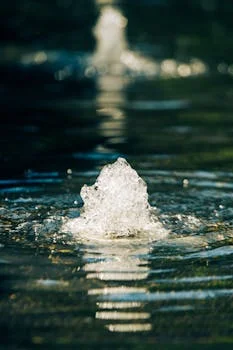
The core mechanism of a DAF unit can be broken down into four critical stages:
- Step 1: Air Dissolution. A portion of the treated effluent, or sometimes raw wastewater, is pumped into a pressure saturation tank. Here, air is injected and dissolved into the water under elevated pressure, typically ranging from 4–6 bar. This creates supersaturated water where air molecules are forced into solution.
- Step 2: Pressure Release. The supersaturated water is then released through a pressure reduction valve into the DAF contact zone at atmospheric pressure. This sudden pressure drop causes the dissolved air to come out of solution, forming millions of microscopic bubbles. These micro-bubbles typically range in size from 10–80 μm, a critical range for efficient attachment to contaminants.
- Step 3: Contaminant Attachment. As these tiny bubbles ascend, they collide with and attach to suspended particles, FOG droplets, and colloidal matter present in the wastewater. This attachment primarily occurs through hydrophobic interactions, where the air bubbles adhere to the non-polar surfaces of contaminants. For FOG, attachment efficiency can reach up to 90%, significantly enhancing separation.
- Step 4: Flotation and Skimming. The bubble-particle aggregates, now significantly less dense than water, rapidly float to the surface due to buoyancy dynamics, explained by Stokes’ Law. A layer of concentrated sludge, or 'float,' forms on the surface. This float is then continuously removed by a mechanical skimmer mechanism, leaving clarified water below. Typical hydraulic loading rates for DAF systems range from 5–15 m/h, indicating the speed at which water can be processed.
To further enhance the efficiency of the DAF system, chemical conditioning is almost always employed upstream. Coagulants, such as Polyaluminum Chloride (PAC) or Ferric Chloride (FeCl₃), are dosed to neutralize the surface charges of colloidal particles, causing them to destabilize and clump together. Subsequently, flocculants, typically anionic polyacrylamides (PAM), are added to bind these destabilized particles into larger, stronger flocs, which are more amenable to bubble attachment. Proper chemical dosing can lead to 20–30% higher removal efficiencies by optimizing bubble-particle collision and adhesion. For more details on optimizing flocculant use, refer to our guide on optimizing flocculant dosing for DAF systems.
| DAF Process Step | Key Mechanism | Engineering Parameters |
|---|---|---|
| Air Dissolution | Supersaturation of water with air | Pressure: 4–6 bar; Air Saturation Tank Volume |
| Pressure Release | Micro-bubble formation | Pressure Drop: To atmospheric; Bubble Size: 10–80 μm |
| Contaminant Attachment | Bubbles adhere to particles | Attachment Efficiency: >90% for FOG; Chemical Dosing (Coagulants/Flocculants) |
| Flotation & Skimming | Buoyant separation | Hydraulic Loading Rate: 5–15 m/h; Skimmer Speed |
DAF Engineering Specifications 2025: Key Parameters for System Design
Selecting the correct Dissolved Air Flotation (DAF) unit requires a detailed understanding of its engineering specifications, which dictate performance, footprint, and operational costs. These parameters provide a reference for engineers and procurement teams to evaluate vendor proposals and ensure the system meets specific industrial wastewater treatment needs. For a comprehensive overview of 2025 DAF clarifier specifications, including design standards and selection guidance, explore our dedicated article on 2025 DAF clarifier specifications and selection criteria.| Parameter | Typical Range | Units | Notes | Food Processing Benchmark | Petrochemical Benchmark |
|---|---|---|---|---|---|
| Flow Rate | 4–300 | m³/h | Determines system size and capacity. HydropureWater DAF units for industrial wastewater treatment offer a range of capacities. | 20–150 m³/h | 50–300 m³/h |
| Influent TSS | 50–500 | mg/L | Concentration of suspended solids entering the unit. | 150–400 mg/L | 100–300 mg/L |
| Effluent TSS | <30 | mg/L | Target TSS concentration after DAF treatment, often meeting EPA NPDES limits. | <25 mg/L | <20 mg/L |
| Bubble Size | 10–80 | μm | Critical for efficient particle attachment; smaller bubbles offer more surface area. | 20–50 μm | 15–40 μm |
| Air-to-Solids Ratio | 0.02–0.06 | kg air/kg solids | Optimal ratio for effective flotation, influenced by solids concentration and type. | 0.03–0.05 kg air/kg solids | 0.02–0.04 kg air/kg solids |
| Hydraulic Loading Rate | 5–15 | m/h | Velocity of water through the DAF; higher rates reduce footprint but may lower efficiency. | 8–12 m/h | 6–10 m/h |
| Chemical Dosing (PAC) | 50–200 | mg/L | Polyaluminum Chloride (coagulant) for charge neutralization. | 100–180 mg/L | 80–150 mg/L |
| Chemical Dosing (PAM) | 1–5 | mg/L | Polyacrylamide (flocculant) for floc formation. | 2–4 mg/L | 1–3 mg/L |
| Footprint | 30–50% smaller than clarifiers | N/A | Significant space-saving advantage over conventional sedimentation. | Compact for urban plants | Integrated into existing infrastructure |
DAF vs. Clarifier vs. MBR: Which Wastewater Treatment System Is Right for You?
| Parameter | DAF (Dissolved Air Flotation) | Clarifier (Sedimentation Tank) | MBR (Membrane Bioreactor) | Best For |
|---|---|---|---|---|
| Contaminant Removal | High TSS (92–97%), FOG (>90%), oils, colloidal matter | Moderate TSS (50–80%), some settleable solids | Very high TSS (>99%), FOG, BOD, COD, pathogens | Pre-treatment for FOG, oils, low-density TSS |
| Footprint | 30–50% smaller than clarifiers | Largest footprint required | Smallest footprint for high-quality effluent | Space-constrained sites (DAF, MBR) |
| CAPEX | $50–$200 per m³/h | $30–$150 per m³/h | $200–$500 per m³/h | Budget-conscious primary treatment (Clarifier) |
| OPEX (Annual) | $0.10–$0.30 per m³ (chemicals, energy) | $0.05–$0.20 per m³ (sludge handling, energy) | $0.30–$0.80 per m³ (membrane replacement, energy) | Low operational cost (Clarifier) |
| Maintenance | Weekly skimmer checks, pump servicing | Monthly sludge removal, occasional mechanical checks | Membrane cleaning every 3–6 months, frequent monitoring | Low maintenance needs (Clarifier, DAF) |
| Energy Use | 0.2–0.5 kWh/m³ (air compressor, pumps) | 0.1–0.3 kWh/m³ (pumps, scraper) | 0.5–1.2 kWh/m³ (aeration, membrane filtration) | Energy efficiency (Clarifier) |
| Effluent Quality | TSS <30 mg/L, FOG <10 mg/L | TSS <50 mg/L, some FOG | TSS <5 mg/L, BOD <5 mg/L, pathogen-free | Strict discharge limits, water reuse (MBR) |
Decision Flowchart: Should You Choose DAF?
- Start: What are your primary contaminants?
- If mainly heavy, settleable solids: Consider a high-efficiency sedimentation tank (clarifier).
- If high FOG, oils, light TSS, or colloidal matter: Proceed to next question.
- What is your desired effluent quality?
- If discharge limits are very stringent (e.g., for direct reuse) requiring very low TSS, BOD, and pathogen removal: Consider an MBR integrated wastewater treatment system.
- If aiming for pre-treatment to protect downstream processes or meet typical industrial discharge limits (TSS <30 mg/L, FOG <10 mg/L): Proceed to next question.
- What are your site constraints and budget?
- If space is limited and you need a compact solution with moderate CAPEX: Choose DAF.
- If space is abundant and CAPEX is a primary concern for basic TSS removal: Consider a clarifier, but be aware of its limitations for FOG and light solids.
Real-World DAF Performance: Case Studies with Measurable Results
The efficacy of Dissolved Air Flotation technology is best demonstrated through its application in diverse industrial settings, showcasing tangible improvements in compliance, operational efficiency, and cost savings. These real-world examples provide measurable outcomes that underscore the value of investing in a well-designed DAF system.Case Study 1: Food Processing Plant (Dairy)
- Problem: A large dairy processing plant struggled with high FOG concentrations, consistently exceeding 150 mg/L in its discharge, leading to recurring fines of approximately $2,000 per month from the local municipality. This also impacted the efficiency of their downstream aerobic digestion system.
- Solution: HydropureWater implemented a 50 m³/h DAF unit, specifically the DAF unit for industrial wastewater treatment, integrated with a PLC-controlled chemical dosing system using PAC at 150 mg/L.
- Results: Post-DAF, FOG levels were consistently reduced to below 10 mg/L, and TSS dropped to less than 25 mg/L, achieving full compliance. The plant reported a 95% reduction in monthly fines, translating to annual savings of over $22,000 in penalties alone. reduced FOG load significantly improved the performance of their biological treatment, leading to an estimated $120,000/year in combined savings from fines and optimized downstream operations.
Case Study 2: Petrochemical Refinery
- Problem: A petrochemical refinery faced challenges with high oil and grease content, often exceeding 200 mg/L, in its process wastewater. This caused severe fouling and reduced efficiency in their downstream activated sludge biological treatment system, necessitating frequent maintenance and higher chemical usage.
- Solution: A 200 m³/h DAF unit was installed as a primary pre-treatment step. The system utilized FeCl₃ dosing at 100 mg/L to enhance coagulation and separation of oil droplets.
- Results: The DAF system consistently reduced oil and grease concentrations to below 15 mg/L. This significant reduction in organic load led to a 30% decrease in the biological treatment system's chemical oxygen demand (COD) and a corresponding 30% reduction in nutrient and anti-foam chemical use, resulting in an estimated $80,000 per year in OPEX savings for the biological plant.
Case Study 3: Municipal Pre-Treatment (Textile Industry)
- Problem: A municipal wastewater treatment plant receiving significant textile industry discharge struggled with high influent TSS (up to 400 mg/L) and intense color, failing pre-treatment requirements and impacting overall plant efficiency.
- Solution: A 100 m³/h DAF unit was deployed as a dedicated pre-treatment facility for the textile effluent stream. Anionic PAM was dosed at 2 mg/L to promote effective flocculation and color removal.
- Results: The DAF system achieved remarkable results, reducing TSS to less than 30 mg/L and removing over 90% of the color from the textile wastewater. This not only brought the textile discharge into compliance with municipal pre-treatment standards but also reduced downstream chemical consumption at the main municipal plant by 20%, leading to substantial cost efficiencies and improved overall effluent quality.
DAF System Costs 2025: CAPEX, OPEX, and ROI Breakdown
CAPEX Breakdown
The initial investment for a DAF system typically includes the equipment itself, installation, and any associated chemical dosing infrastructure.
- Equipment Cost: This ranges from $50–$200 per m³/h of capacity. For example, a 250 m³/h DAF unit from HydropureWater's catalog might cost around $50,000–$200,000, depending on materials (e.g., stainless steel vs. carbon steel) and specific features.
- Installation: Civil works, piping, and electrical connections typically add 20–30% of the equipment cost. This includes foundation work, interconnecting pipes, and power supply integration.
- Chemical Dosing System: A dedicated, PLC-controlled chemical dosing system for DAF optimization can range from $10,000–$30,000, depending on the number of chemicals used and automation level.
- Total CAPEX: Factoring in these components, the total capital expenditure typically falls between $70–$260 per m³/h of treatment capacity.
OPEX Breakdown (Annual)
Operational expenses are recurring costs associated with running the DAF unit effectively.
- Chemicals: This is often the largest component of DAF OPEX, ranging from $0.05–$0.15 per m³ of treated water. Costs are driven by the type and dosage of coagulants (e.g., PAC at $0.50/kg) and flocculants (e.g., PAM at $3.00/kg).
- Energy: DAF units consume 0.2–0.5 kWh/m³ for air compressors and pumps. At an average electricity cost, this translates to $0.02–$0.05 per m³.
- Maintenance: Routine maintenance, including skimmer adjustments, pump servicing, and general upkeep, typically costs $0.01–$0.03 per m³.
- Labor: Operator time for daily checks, chemical replenishment, and float removal usually accounts for $0.02–$0.05 per m³ (approximately 1–2 hours per day for a typical industrial DAF system).
- Total OPEX: The cumulative annual operational expenditure generally ranges from $0.10–$0.30 per m³ of treated wastewater.
ROI Calculation Example
To illustrate the financial benefit, consider a hypothetical food processing plant installing a 100 m³/h DAF unit.
- Initial CAPEX: Approximately $100,000 (assuming $1,000/m³ installed cost).
- Annual OPEX: $73,000 (100 m³/h × 24 h/day × 365 days × $0.083/m³ based on mid-range OPEX).
- Annual Savings: Based on Case Study 1, the plant could save $120,000 annually through avoided fines and reduced downstream chemical use.
- Payback Period: With annual savings exceeding annual OPEX, the DAF unit would have a payback period of approximately 1.5 years ($100,000 CAPEX / ($120,000 savings - $73,000 OPEX)).
| Cost Category | Typical Range | Notes |
|---|---|---|
| CAPEX (Initial Investment) | ||
| Equipment Cost | $50–$200 per m³/h | Dependent on capacity, materials, and features |
| Installation | 20–30% of equipment cost | Civil, piping, electrical work |
| Chemical Dosing System | $10,000–$30,000 | For coagulant and flocculant application |
| Total CAPEX | $70–$260 per m³/h | |
| OPEX (Annual Operating Costs) | ||
| Chemicals | $0.05–$0.15 per m³ | Coagulants (PAC), Flocculants (PAM) |
| Energy | $0.02–$0.05 per m³ | Air compressor, pumps (0.2–0.5 kWh/m³) |
| Maintenance | $0.01–$0.03 per m³ | Routine checks, servicing |
| Labor | $0.02–$0.05 per m³ | Operator monitoring, chemical handling |
| Total OPEX | $0.10–$0.30 per m³ | |
Frequently Asked Questions
Q: What’s the difference between DAF and a clarifier?
A: The fundamental difference lies in their separation mechanism. DAF units utilize micro-bubbles (10–80 μm) to float suspended solids, fats, oils, and grease (FOG) to the surface for skimming, making them highly effective for low-density particles. In contrast, clarifiers (sedimentation tanks) rely on gravity to settle heavier solids to the bottom. DAF systems are typically 30–50% faster in separation and require a significantly smaller footprint (30–50% less) compared to clarifiers, which need longer retention times (4–6 hours vs. 20–60 minutes for DAF). While clarifiers often have a lower initial CAPEX, DAF offers superior performance for specific industrial wastewater challenges.
Q: How much does a DAF unit cost?
A: The capital expenditure (CAPEX) for a DAF unit generally ranges from $50 to $200 per m³/h of treatment capacity, depending on factors like capacity, material of construction (e.g., stainless steel for corrosive environments), and automation features. For a medium-sized 100 m³/h system, expect an equipment cost between $50,000 and $200,000. Operational expenditure (OPEX) typically falls between $0.10 and $0.30 per m³ of treated water, encompassing costs for chemicals, energy, maintenance, and labor, as detailed in our comprehensive cost breakdown above.
Q: What chemicals are used in DAF systems?
A: DAF systems commonly employ chemical conditioning to optimize separation efficiency. Coagulants, such as Polyaluminum Chloride (PAC) or Ferric Chloride (FeCl₃), are used to neutralize the electrostatic charges of suspended particles, causing them to destabilize. Following coagulation, flocculants, typically anionic Polyacrylamide (PAM), are added to bind the destabilized particles into larger, more robust flocs that are easier for micro-bubbles to attach to. Typical dosing rates are 50–200 mg/L for PAC and 1–5 mg/L for PAM. In some applications, pH adjusters like sodium hydroxide (NaOH) or sulfuric acid may be used to achieve optimal flocculation conditions. For more information, read about optimizing flocculant dosing for DAF systems.
Q: Can DAF remove heavy metals or pathogens?
A: DAF is primarily designed for the efficient removal of suspended solids (TSS), fats, oils, and grease (FOG), and other low-density colloidal matter. It is not engineered for direct removal of dissolved heavy metals or pathogens. For heavy metals, DAF can serve as an effective pre-treatment step, but it must be paired with subsequent processes like chemical precipitation followed by a lamella clarifier for heavy metal removal post-DAF or an MBR system. For pathogen removal, disinfection technologies such as UV sterilization or chlorination are required downstream of the DAF unit.
Q: How do I size a DAF unit for my plant?
A: Sizing a DAF unit involves calculating your average and peak wastewater flow rates (in m³/h) and characterizing the contaminant load, specifically influent TSS and FOG concentrations (in mg/L). The primary sizing parameter is the hydraulic loading rate, which ranges from 5–15 m/h. To determine the required surface area (m²) of the DAF unit, divide your peak flow rate by the selected hydraulic loading rate. For example, a plant with a peak flow of 100 m³/h requiring a hydraulic loading rate of 10 m/h would need a DAF unit with at least 10 m² of surface area. It is highly recommended to consult with DAF vendors like HydropureWater or refer to engineering guidelines (e.g., EPA’s 'Wastewater Technology Fact Sheet: Dissolved Air Flotation') for precise sizing and process optimization for your specific application. Our DAF units come with sizing support.