Why PCB Organic Wastewater Treatment Fails with Conventional Systems
PCB organic wastewater treatment is notoriously difficult, often leading to regulatory penalties and production disruptions. This complexity stems from the unique nature of PCB effluent, which rarely presents a single pollutant but rather a challenging mix of high-molecular organics, heavy metals, and chemical complexors. Standard treatment systems, designed for simpler industrial wastewaters, are frequently overwhelmed. PCB wastewater can contain 500–5,000 mg/L of Chemical Oxygen Demand (COD), significantly exceeding typical industrial effluent by 5–10 times. This high organic load, coupled with the presence of heavy metals like copper, nickel, and chromium, and persistent chemical complexors such as surfactants and ink residues, creates 'coupled pollution systems.' These systems are resistant to conventional precipitation or biological treatment methods, as observed in numerous failed industrial applications. Consequently, PCB manufacturers face stringent regulatory limits. For instance, the EPA mandates COD levels ≤125 mg/L, Total Suspended Solids (TSS) ≤30 mg/L, and specific discharge standards for heavy metals, such as copper ≤0.5 mg/L. Failure to meet these requirements can result in severe consequences, including substantial regulatory fines, temporary or permanent production shutdowns, and the inability to obtain or renew discharge permits, as highlighted by the EPA's penalty policies for non-compliance.
PCB Wastewater Pollutant Profile: What’s in Your Effluent?
Understanding the precise composition of PCB wastewater is paramount for selecting an effective treatment strategy. The effluent from printed circuit board manufacturing is a complex cocktail of organic and inorganic compounds, often varying significantly based on the specific process stage. Organic pollutants are a primary concern, with typical concentrations including surfactants (100–800 mg/L), photoresists (50–300 mg/L), inks (20–150 mg/L), and degreasers like trichloroethylene (10–50 mg/L). Alongside these organics, inorganic pollutants can be present, such as ammonia (50–200 mg/L), cyanide (1–10 mg/L), fluoride (10–100 mg/L), and phosphorus (5–30 mg/L). The most persistent challenge, however, often lies in the heavy metal content, with copper (50–500 mg/L), nickel (10–100 mg/L), chromium (5–50 mg/L), and lead (1–10 mg/L) frequently exceeding discharge limits. These pollutants can interfere with each other, creating stable emulsions or complexed forms that resist conventional removal. For example, rinsing stages may have lower concentrations but a broader mix of chemicals, while etching and plating stages can yield very high concentrations of specific metals and dissolved organics.
| Pollutant Type | Process Stage | Typical Concentration Range | Regulatory Limit Example (mg/L) |
|---|---|---|---|
| Organic Pollutants | Rinsing (General) | Surfactants: 100-800 Resists: 50-300 Inks: 20-150 |
COD: ≤125 |
| Resist Stripping | Solvents, Resists: 200-1000+ | TOC: Varies | |
| Degreasing | Trichloroethylene, etc.: 10-50 | VOCs: Varies | |
| Inorganic Pollutants | Plating & Etching | Ammonia: 50-200 Cyanide: 1-10 Fluoride: 10-100 Phosphorus: 5-30 |
Ammonia: ≤20 Cyanide: ≤0.1 Fluoride: ≤10 |
| Cleaning | Acids/Bases: pH 1-14 | pH: 6-9 | |
| All Stages | TSS: 100-1000+ | TSS: ≤30 | |
| Heavy Metals | Plating | Copper: 50-500 Nickel: 10-100 Chromium: 5-50 |
Cu: ≤0.5 Ni: ≤1.0 Cr (total): ≤1.0 |
| Etching | Copper: 20-200 Tin/Lead: 1-10 |
Pb: ≤0.1 | |
| Rinsing (Post-Plating/Etching) | Copper: 10-100 Nickel: 5-50 |
- |
For detailed engineering specifications and performance data on specific metal and fluoride removal, refer to our guides on PCB copper wastewater treatment engineering specs and PCB fluoride wastewater treatment solutions.
4 Core Technologies for PCB Organic Wastewater Treatment: Engineering Specs and Performance Data
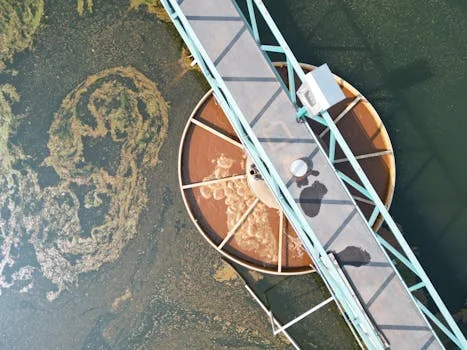
Selecting the appropriate technology for PCB organic wastewater treatment hinges on a thorough understanding of its capabilities, limitations, and cost implications. Four core technologies—Dissolved Air Flotation (DAF), Membrane Bioreactors (MBR), Supercritical Water Oxidation (ScWO), and Chemical Oxidation—offer distinct advantages for tackling the complex pollutant profiles of PCB effluent. DAF systems are highly effective for pre-treatment, boasting 92–97% TSS removal and 60–80% COD removal, suitable for flow rates ranging from 4 to 300 m³/h. They typically require chemical dosing of 50–200 mg/L coagulant (like PAC) and 1–5 mg/L polymer, with CAPEX ranging from $150–$400/m³/h and OPEX from $0.50–$1.50/m³. MBR systems provide a more advanced biological treatment, achieving effluent COD ≤50 mg/L and TSS ≤5 mg/L. Their energy consumption is between 0.5–1.0 kWh/m³, with membrane life typically 5–8 years. MBRs have a higher CAPEX ($500–$1,200/m³/h) and OPEX ($0.80–$2.00/m³). For highly recalcitrant organic compounds, Supercritical Water Oxidation (ScWO) offers unparalleled destruction, achieving up to 99.88% TOC reduction. However, ScWO operates under extreme conditions (22–25 MPa, 374–600°C), leading to higher CAPEX ($1.2M–$3.5M for 10–50 m³/h) and OPEX ($3–$8/m³). Chemical Oxidation methods, such as Fenton or ozone processes, can achieve 85–95% COD removal but require significant chemical dosing (100–500 mg/L H₂O₂, 50–200 mg/L Fe²⁺), resulting in CAPEX of $200–$600/m³/h and OPEX of $1.50–$4.00/m³.
| Technology | Typical COD Removal (%) | Typical TSS Removal (%) | CAPEX ($/m³/h) | OPEX ($/m³) | Key Limitations |
|---|---|---|---|---|---|
| Dissolved Air Flotation (DAF) | 60–80 | 92–97 | 150–400 | 0.50–1.50 | Limited COD removal for soluble organics; requires chemical addition. |
| Membrane Bioreactor (MBR) | 95–99+ | 99+ | 500–1,200 | 0.80–2.00 | Membrane fouling potential; higher energy consumption; sludge management. |
| Supercritical Water Oxidation (ScWO) | 99.88+ (TOC) | N/A (destroys organics) | 1.2M–3.5M (for 10–50 m³/h systems) | 3–8 | High CAPEX and OPEX; complex operation; potential for corrosion. |
| Chemical Oxidation (Fenton, Ozone, UV/H₂O₂) | 85–95 | Variable | 200–600 | 1.50–4.00 | High chemical consumption; potential for by-product formation; variable efficiency. |
For DAF systems and MBR integrated wastewater treatment, explore our product offerings at DAF systems for PCB organic wastewater pre-treatment and MBR systems for PCB organic wastewater with COD ≤50 mg/L effluent.
Coupled Pollution Solutions: Sequential Treatment for Metals and Organics
The pervasive issue of 'coupled pollution' in PCB wastewater, where heavy metals and complex organics coexist, necessitates a carefully designed sequential treatment train. A robust approach typically begins with Step 1: Chemical precipitation to target heavy metals. This involves precise pH adjustment, often to 8.5–9.5, combined with coagulants (50–200 mg/L) to precipitate dissolved metals. This stage can achieve up to 99% removal for common metals like copper, nickel, and chromium. Step 2 focuses on solids removal, utilizing technologies like DAF or sedimentation to eliminate precipitated solids and suspended matter, achieving 92–97% TSS reduction. Finally, Step 3 addresses the remaining organic load. Depending on the effluent quality from the previous stages and the desired final COD concentration, biological treatment via MBR or advanced oxidation processes like ScWO or Fenton can be employed to achieve 95–99% COD reduction. For example, a PCB plant in Shenzhen successfully reduced copper from 350 mg/L to 0.3 mg/L and COD from 2,800 mg/L to 45 mg/L by implementing a precipitation followed by an MBR system. Effective chemical addition is crucial throughout this process, supported by PLC-controlled chemical dosing for PCB wastewater treatment, while solids are managed with high-efficiency sedimentation tanks.
2025 Cost Benchmarks: CAPEX, OPEX, and ROI for PCB Wastewater Treatment Systems
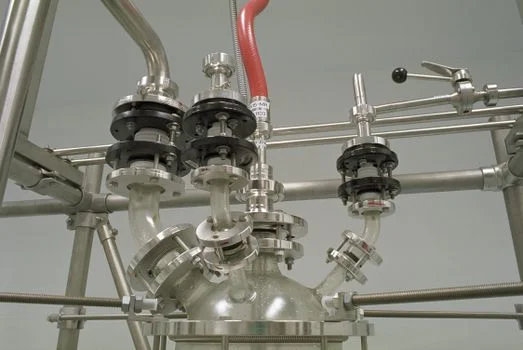
Procurement leaders and plant managers require accurate cost projections to budget effectively and justify investments in PCB wastewater treatment. By 2025, capital expenditure (CAPEX) for various technologies will continue to reflect their complexity and operational intensity. DAF systems generally range from $150–$400/m³/h, making them an accessible entry point for pre-treatment. MBR systems, offering higher performance, fall between $500–$1,200/m³/h. For highly specialized solutions like ScWO, CAPEX can be substantial, ranging from $1.2M–$3.5M for systems handling 10–50 m³/h. Chemical oxidation systems typically sit between DAF and MBR, at $200–$600/m³/h. Operational expenditure (OPEX) also varies significantly. DAF systems are relatively inexpensive at $0.50–$1.50/m³, while MBRs are slightly higher at $0.80–$2.00/m³. Chemical oxidation can reach $1.50–$4.00/m³ due to chemical consumption, and ScWO incurs the highest OPEX at $3–$8/m³. The return on investment (ROI) is driven by several factors: avoiding regulatory fines, which can reach $50,000 per violation in the US; enabling water reuse, achieving 50–80% recovery; and reducing sludge disposal costs by 20–40%. Understanding these benchmarks is crucial for making informed financial decisions and achieving long-term compliance and sustainability.
| Technology | CAPEX ($/m³/h) | OPEX ($/m³) | Typical Payback Period (Years) | Key Cost Drivers |
|---|---|---|---|---|
| Dissolved Air Flotation (DAF) | 150–400 | 0.50–1.50 | 2–5 | Chemical consumption, sludge disposal. |
| Membrane Bioreactor (MBR) | 500–1,200 | 0.80–2.00 | 3–7 | Energy consumption, membrane replacement, sludge disposal. |
| Supercritical Water Oxidation (ScWO) | 1.2M–3.5M (for 10–50 m³/h) | 3–8 | 7–15+ | High energy input, specialized maintenance, capital investment. |
| Chemical Oxidation (Fenton, Ozone, UV/H₂O₂) | 200–600 | 1.50–4.00 | 4–8 | Chemical costs, energy consumption (for ozone/UV), sludge disposal. |
Zero Liquid Discharge (ZLD) for PCB Wastewater: Engineering Blueprint and Compliance Guide
Achieving Zero Liquid Discharge (ZLD) for PCB wastewater is increasingly becoming a critical goal for manufacturers aiming for ultimate environmental compliance and water conservation. A comprehensive ZLD system integrates multiple treatment stages. It begins with robust pre-treatment, often employing DAF and MBR systems to remove solids and reduce organic load to levels suitable for further purification. Following pre-treatment, Reverse Osmosis (RO) is typically employed, achieving 90–95% water recovery by separating dissolved salts and remaining contaminants. The concentrated brine from RO then requires further treatment, usually through evaporation and crystallization, to recover the remaining water and produce solid waste. Energy consumption for RO and evaporation can range from 5–15 kWh/m³. The CAPEX for full-scale ZLD systems, designed for flow rates of 50–200 m³/h, can range from $2M–$10M. ZLD systems are essential for meeting stringent 'no discharge' requirements for high-risk pollutants like PCBs and heavy metals, as mandated by regulations such as the EPA's standards and the EU's Industrial Emissions Directive 2010/75/EU. A typical ZLD setup includes pre-treatment, RO water purification, and subsequent evaporation and sludge dewatering using equipment like a plate-frame filter press.
Case Study: 99.9% COD Removal and ZLD Compliance for a PCB Manufacturer in China
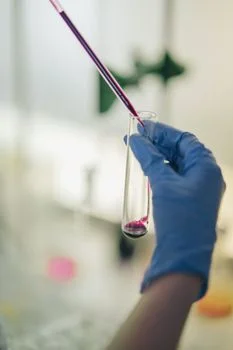
A PCB manufacturing plant located in Jiangsu Province, China, faced significant challenges with its wastewater treatment. The facility was consistently exceeding COD discharge limits, with influent levels averaging 1,200 mg/L against a strict regulatory maximum of 125 mg/L. the high volume of sludge generated was incurring substantial disposal costs, estimated at $80 per ton. To address these issues, HydropureWater designed and implemented a sequential treatment train. The process began with chemical precipitation to effectively remove copper, followed by a DAF system for comprehensive TSS removal. The core of the organic treatment was an MBR system, engineered to handle the high organic load and achieve stringent effluent standards. The final stage of the ZLD system involved RO for water recovery. This integrated approach yielded remarkable results: COD levels in the final effluent were reduced to an average of 35 mg/L, representing a 99.9% removal efficiency. Copper concentrations were also reduced to 0.2 mg/L, also a 99.9% reduction. The facility achieved an 85% water reuse rate, significantly reducing its freshwater intake. Crucially, the optimized sludge management and water recovery led to annual savings of approximately $200,000 in sludge disposal costs alone. To mitigate potential MBR membrane fouling, a dosing regimen of 0.1–0.2 mg/L of chlorine dioxide was implemented, managed by a chlorine dioxide generator for water disinfection, ensuring consistent operational performance and extended membrane life.
How to Select the Right PCB Organic Wastewater Treatment System: A Zero-Risk Decision Framework
Navigating the complexities of PCB organic wastewater treatment requires a systematic approach to ensure the selection of an optimal and cost-effective solution. The process begins with Step 1: Comprehensive wastewater characterization. This involves detailed analysis of key parameters including COD, TSS, specific heavy metal concentrations, pH, and influent flow rate. Referencing the detailed pollutant profile table provided earlier is crucial here. Step 2 is defining clear compliance goals. This includes understanding local discharge limits, assessing the feasibility and desirability of ZLD, and identifying potential for water reuse. Step 3 involves evaluating treatment technologies based on their performance characteristics, as detailed in the technology comparison table. Factors such as COD removal efficiency, CAPEX, and OPEX must be weighed against the defined goals. Step 4, and arguably the most critical for de-risking the investment, is pilot testing. Conducting pilot studies for the top 2–3 selected options over a period of 1–3 months, using representative influent and effluent testing at a flow rate of 1–5 m³/h, provides invaluable real-world data. A simplified decision tree can guide this process: if COD is consistently above 2,000 mg/L and metals exceed 100 mg/L, consider ScWO or a combination of chemical oxidation with DAF. Conversely, if COD is below 1,000 mg/L and metals are less than 50 mg/L, MBR or DAF coupled with biological treatment may be more suitable. For comprehensive guidance on regulatory requirements and compliance strategies, consult 2025 PCB wastewater discharge standards and compliance.
Frequently Asked Questions
What are the primary challenges in treating PCB wastewater?
The primary challenges in treating PCB wastewater are the high concentrations of complex organic compounds (500–5,000 mg/L COD), the presence of multiple heavy metals (Cu, Ni, Cr), and the existence of chemical complexors that form stable 'coupled pollution systems,' making conventional treatment methods ineffective and leading to treatment instability.
How does Supercritical Water Oxidation (ScWO) differ from other organic removal methods for PCB wastewater?
ScWO is a destructive technology that oxidizes organic matter at high temperatures (374–600°C) and pressures (22–25 MPa), achieving nearly complete (99.88%) TOC reduction. Unlike biological or chemical oxidation which may only partially degrade or transform organics, ScWO fundamentally destroys them, making it suitable for highly recalcitrant compounds, albeit at a higher cost.
Can DAF alone meet PCB wastewater discharge standards?
DAF systems are excellent for removing suspended solids (92–97%) and some floating organics, but their COD removal efficiency for soluble organics is typically limited to 60–80%. Therefore, DAF alone is usually insufficient to meet stringent discharge limits for PCB wastewater, often requiring post-treatment stages like MBR or advanced oxidation.
What is the typical energy consumption for an MBR system treating PCB wastewater?
MBR systems for PCB organic wastewater treatment typically consume between 0.5–1.0 kWh/m³ of treated water. This energy is primarily used for aeration and pumping, with the membrane filtration process being relatively energy-efficient compared to some other advanced treatment technologies.
How can membrane fouling in MBRs treating PCB wastewater be mitigated?
Membrane fouling in MBRs can be mitigated through proper pre-treatment to remove solids and oils, optimized operational parameters, and regular chemical cleaning. For PCB wastewater, specific dosing of disinfectants like chlorine dioxide (0.1–0.2 mg/L) can be effective in controlling biological growth and reducing fouling, as demonstrated in our case study.
What are the key economic drivers for investing in advanced PCB wastewater treatment and ZLD?
The key economic drivers include avoiding substantial regulatory fines (up to $50,000 per violation), enabling significant water reuse (50–80% recovery), and reducing sludge disposal costs (20–40% reduction). These factors contribute to a faster ROI and long-term operational cost savings.