Choose the treatment objective before choosing ETP or DAF equipment
A Lisbon factory usually needs DAF when its wastewater contains oil, grease, emulsions, colloids or high suspended-solids loads; a full ETP is needed when the wastewater also requires biological treatment, pH control, flocculation, sedimentation or disinfection. DAF works by releasing 10–100-micron micro-bubbles that attach to suspended particles and oil droplets, allowing them to float and be skimmed. Because Lisbon plants may discharge to a sewer or seek water reuse, equipment selection should begin with representative wastewater tests, peak flow, pollutants, reuse goals and permit requirements—not the product name alone.
Start by defining the final-use objective: permitted direct discharge, municipal sewer discharge, process reuse or another approved route. The treatment train must match that destination and the receiving authority’s requirements; this guide does not quote unverified Lisbon discharge limits.
The treatment structure can be separated into three levels. Primary treatment may use physical separation, pH control and flocculation. Secondary treatment may use aerobic or anaerobic biological treatment. Tertiary treatment addresses remaining inorganic compounds and microorganisms, where required (Quora, July 2025).
DAF is a separation step, not a complete ETP. It can remove suspended solids, FOG, oil and grease, and colloidal matter, but it does not establish biological capacity for dissolved biodegradable organic load. For refinery-like flows, the sequence described by Quora is an API separator for large free oil and heavy sediment, chemical destabilization followed by DAF for emulsified oil and fine solids, and then biological polishing (Quora, July 2025).
| Treatment objective | Indicative treatment structure | Main selection check |
|---|---|---|
| Oil, grease, emulsions, colloids or suspended solids | Equalization, conditioning where required, DAF and sludge collection | Confirm contaminant loading and whether downstream treatment is needed |
| Dissolved biodegradable organic load | DAF pretreatment where needed, followed by aerobic or anaerobic biological treatment | Do not treat DAF as a substitute for biological capacity |
| Process reuse or low-solids effluent | Clarification, filtration and disinfection according to the reuse specification | Obtain the reuse criteria before selecting polishing equipment |
| Permitted sewer or other discharge | Train sized against the applicable permit and receiving-sewer conditions | Confirm the route and analytical requirements with the receiving authority |
Use the 2026 DAF unit engineering and decision framework to record the objective, candidate train and unresolved project facts before asking suppliers to quote.
Map factory wastewater to the right treatment train
Factory wastewater sizing must follow the source streams, because a production loss and a cleaning washdown can carry different contaminants and peak loads. Build a process-by-process inventory covering floor washings, equipment cleaning, cooling blowdown, production losses, sanitary flows and storm-water entries. Keep each stream separate until sampling and flow data show whether segregation or equalization is appropriate.
For oil, grease and emulsified droplets, evaluate equalization, pH control where needed, chemical conditioning and DAF. The catalogued industrial dissolved air flotation system is identified for FOG, oil and grease, suspended solids and colloidal matter. These are catalogue application claims, not a performance guarantee for an unspecified factory wastewater.
For soluble biodegradable organic load, include an aerobic or anaerobic biological stage. DAF removes floating and particulate material; it does not provide the biological reactor capacity needed to consume dissolved organic pollutants. For reuse, evaluate clarification, filtration and disinfection against the specific reuse specification rather than assuming that clear-looking DAF effluent is fit for process use.
The candidate train also depends on the industry. Food-processing streams may contain fats, washwater and variable organic loads; pulp and paper streams may bring fibers and high suspended solids; textile streams may contain color and process chemicals; metalworking streams may carry oils and metals; petrochemical streams may include emulsions and refractory dissolved compounds. These profiles cannot be treated as interchangeable.
| Wastewater source or contaminant | Stages to evaluate | Information needed before selection |
|---|---|---|
| Floor washings and equipment cleaning | Equalization, DAF, biological treatment or polishing as required | Cleaning chemicals, solids, pH and discharge-cycle flow |
| Cooling blowdown | Equalization, pH control and biological treatment where required | Flow variability, temperature, pH, solids and blowdown frequency |
| Production losses | Source-specific segregation followed by DAF, biology or polishing | Product composition, batch volumes and contaminated fractions |
| Sanitary flows | Package biological treatment or a separate sanitary treatment route | Flow, load and whether segregation is required |
| Storm-water entries | Segregation, inspection and controlled treatment before entry | Entry points, rainfall conditions and potential contaminants |
If dissolved load requires biological treatment and membrane separation must be integrated, evaluate the catalogued integrated MBR wastewater treatment option as a separate branch of the decision rather than assuming every factory needs a common package.
Size the DAF from peak flow and contaminant loading
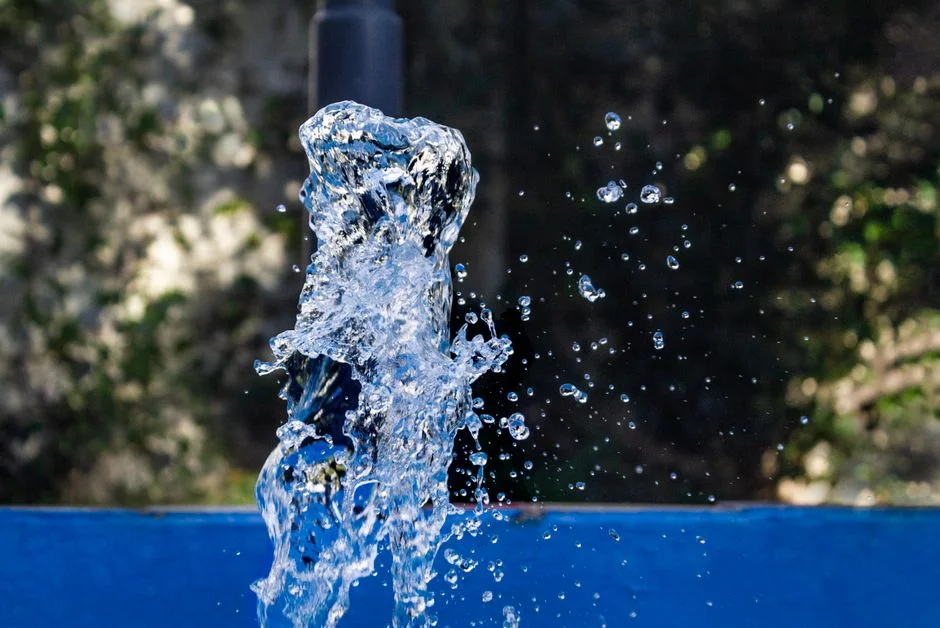
DAF selection requires representative wastewater tests and peak-flow data, not average daily flow alone. Request samples across production, cleaning and discharge cycles, then record average flow, peak flow, hydraulic surge, suspended solids, oil and grease, colloids, pH, temperature and process-specific contaminants. These are the core inputs to a technically defensible factory wastewater sizing exercise.
The catalogue range for the DAF equipment is 4–300 m³/h across 13 models. Treat this as an initial commercial screening range, not a final capacity decision. A unit inside the flow range can still be hydraulically adequate but process-undersized if suspended-solids or FOG loading is high. Conversely, a unit above average flow may still be unsuitable if its flotation loading, surface separation area, solids capacity or skimming arrangement is inadequate.
In the DAF mechanism, clarified effluent is pressurized and saturated with air, then returned to the flotation tank. Pressure release creates micro-bubbles that attach to solids and oil droplets, which rise to the surface for mechanical skimming. Quora describes the usual bubble diameter as 10–100 microns (July 2025); confirm the selected equipment’s operating design and performance guarantee in the quotation rather than assuming that range applies to every proposal.
| Sizing input | Evidence to request | Why it affects selection |
|---|---|---|
| Hydraulic flow | Average, peak and surge flow from production and cleaning cycles | Determines the hydraulic basis of the selected unit |
| Suspended solids | Representative concentration and variability | Separates hydraulic capacity from solids-handling capacity |
| Oil and grease | Representative concentration, emulsification and recoverable fraction | Determines pretreatment, conditioning and flotation loading |
| Colloidal material | Representative characterisation and treatment response | May require coagulation and flocculation before flotation |
| pH and temperature | Measured range across relevant operating periods | Influences chemistry, conditioning and operating conditions |
| Performance guarantee | Defined influent, test method, sampling point and acceptance criterion | Creates a verifiable procurement commitment |
Use the DAF machine process and industrial selection guide to separate mechanism information from supplier guarantees. The quotation should state guaranteed performance against the factory’s actual influent characteristics; “capacity in m³/h” alone is not an acceptance criterion.
Compare a standalone DAF, package ETP and combined treatment train
A standalone DAF is the strongest candidate when the objective is recoverable oil, grease, emulsions, colloids or suspended-solids removal and downstream biological or polishing equipment already exists. A package ETP is more relevant when the factory needs an integrated biological solution. A combined train is often the correct answer when oil-bearing particulate material could impair downstream biology.
The catalogued WSZ package combines anoxic and aerobic biological contact oxidation, sedimentation and disinfection in one unit. Its catalogued capacity is 1–80 m³/h for uses including factories. The catalogued MBR combines activated sludge with submerged PVDF membrane filtration below 1 μm and is offered from 10–2,000 m³/day. These are catalogue scopes, not selections for an uncharacterised stream.
For clarification alternatives, the catalogued lamella clarifier states surface loading rates of 20–40 m/h. DAF remains the more direct starting candidate for oily particulate separation because its flotation mechanism targets suspended oil droplets and attached solids. The combined train should place DAF upstream of biological treatment where emulsified oil or high solids could interfere with the biological stage; this role is consistent with the refinery sequence described by Quora (July 2025).
| Option | Primary treatment function | Procurement focus |
|---|---|---|
| Standalone DAF | Separates suspended solids, oil, grease, emulsions and colloidal matter | Conditioning, peak loading, skimming and downstream treatment |
| Package biological ETP | Combines biological treatment, sedimentation and disinfection in the WSZ catalogue | Organic loading, footprint, controls, sludge route and operator intervention |
| MBR | Integrates activated sludge with submerged PVDF membrane filtration | Effluent targets, membrane operation, cleaning and replacement requirements |
| Clarifier | Separates flocculated solids using lamella settling | Flocculation, recirculation, surface loading and sludge withdrawal |
| DAF plus biological ETP | Removes emulsified oil and fine solids before biological polishing | Integration, bypasses, intermediate buffering and combined performance guarantees |
Compare options by treatment objective, pretreatment, automation, sludge handling, operator intervention, footprint, utilities, maintainability and compliance evidence—not purchase price alone. The underground integrated wastewater treatment unit and high-efficiency sedimentation tank illustrate why a single treatment-function comparison is incomplete.
Plan chemical dosing, sludge handling and utility requirements
DAF performance can depend on conditioning and coagulant selection, so chemical preparation and dosing belong in the treatment-train assessment. The catalogued PLC-controlled chemical dosing system is identified for coagulants, flocculants, pH adjusters and specialty chemicals. The quotation should define the chemical, dose-control method, storage arrangement, duty response and operator controls.
Determine whether screening or solids removal is needed before pumping and flotation. The catalogued rotary mechanical bar screen is designed to remove suspended solids, rags, plastics and fibrous debris, but the need for it depends on the source inventory and pump protection requirements.
Define how float or sludge will be collected, stored, dewatered and disposed of. The plate-and-frame filter press catalogue spans filtration areas from 1 m² to 500 m²; that range is a screening reference for plate-and-frame sludge dewatering equipment, not a selection without sludge-solids characterisation.
| Supporting requirement | Decision to document | Evidence requested from supplier |
|---|---|---|
| Chemical dosing | Chemical identity, dose range, storage and control sequence | Dosing equipment scope, interlocks and operating controls |
| Front-end solids control | Whether screening is required and where it must be installed | Screen type, duty basis and extracted-solids route |
| Float and sludge handling | Collection, storage, dewatering and disposal sequence | Equipment capacities, containment and transfer arrangements |
| Utilities | Electrical supply, compressed air, water, drainage and access | Connected loads, demand points and installation boundaries |
The DAF catalogue identifies automatic skimming, but complete utility demand remains project-specific. During site review, verify power, compressed air, drainage, maintenance access and the route for chemicals and sludge. Include these items in total operating cost and permit-risk review rather than treating them as accessories added after the main order.
Verify Lisbon compliance, installation and supplier capability
The final discharge route must be confirmed against the factory’s permit, municipal sewer acceptance conditions and analytical requirements before equipment selection is frozen. Obtain those documents and record the receiving authority’s required analytical parameters, monitoring conditions and submission evidence. No unverified Lisbon price or discharge limit should be placed in the internal decision case.
Require each supplier to disclose its proposed treatment objectives, guaranteed performance, test methods, power and utility needs, materials, controls, skimming and sludge handling, spare parts, installation boundaries and O&M requirements. The quotation must address the factory’s representative wastewater and peak-flow data; reject generic capacity-only comparisons.
During the site review, verify footprint, floor loading, maintenance access, drainage, power, compressed air and the routes for chemical delivery and sludge removal. These checks can expose design constraints that are invisible in a catalogue comparison.
- Define the discharge or reuse objective and obtain the applicable permit or reuse specification.
- Complete source-by-source wastewater characterisation and flow monitoring.
- Develop and model candidate treatment trains against the measured data.
- Issue a common technical questionnaire to every supplier.
- Compare performance guarantees, utilities, sludge handling, installation scope and lifecycle requirements.
- Require factory acceptance testing, commissioning, operator training and documentation.
- Set measurable site acceptance conditions with defined sampling points and test methods.
Use the DAF cost and pricing guide to structure quotation fields and the 2026 DAF operating-cost guide to identify maintenance assumptions. Build a common scoring sheet rather than allowing each supplier to define a different scope.
Frequently Asked Questions
How much does an industrial ETP or DAF system cost in Lisbon?
A defensible quotation requires wastewater analysis, peak flow, treatment targets, site utilities and sludge handling. The supplied research does not establish a reliable Lisbon price range, so request itemised supplier pricing with installation boundaries, utilities, controls, commissioning and O&M exclusions clearly identified.
How do I choose a DAF supplier in Portugal?
Compare suppliers on wastewater-specific guarantees, test methods, controls, utilities, installation scope, documentation, commissioning and O&M support. Require the guarantee to use representative influent data and defined sampling points rather than catalogue capacity alone.
What flow rate does a Lisbon factory need?
Use peak flow, hydraulic surge and contaminant loading, not only average flow. HydropureWater DAF models span 4–300 m³/h, but the correct model requires actual measurements and a load-based assessment.
Is DAF enough for industrial wastewater?
DAF can be appropriate for suspended solids, FOG, oil, grease and colloidal matter. Biodegradable dissolved load may require biological ETP treatment, and reuse may require filtration and disinfection.
What should be tested before ordering an ETP?
Analyse suspended solids, oil and grease, pH, average flow and peak load, plus process-specific contaminants and the required discharge or reuse parameters. Use samples from production, cleaning and discharge cycles so the quotation reflects the factory’s actual wastewater.