Why Wastewater Treatment Is a Core Hotel and Resort Requirement
Hotel resort wastewater treatment in Vietnam must be designed around the property’s complete water-using operations, including guest rooms, restaurants, laundry, swimming pools and guest services. A resort therefore produces variable flows and mixed contaminant loads rather than one uniform sewage stream. Vietnam’s tourism growth has increased attention to resource use, and a survey of 50 Vietnamese hotels assessed energy, water, solid waste and wastewater management. The treatment design should be developed alongside the reuse and environmental objectives set for the individual property.
A hotel’s wastewater system can affect operating reliability, the receiving environment and the credibility of its sustainability programme. Undersized equalization or treatment can create overflow risk during occupancy peaks, restaurant service periods, laundry cycles or pool discharges. Poorly managed treatment can also create odour, sludge-handling problems and public-health exposure. These are engineering and operating issues that should be addressed before a green-hotel claim is used in guest communications.
The policy context supports better resource management, but it does not replace a site-specific technical and legal review. The Developing Green Tourism in the Hotel Industry in Vietnam study, published in 2023 by the International Research Journal of Economics and Management Studies, describes rapid tourism growth alongside resource, environmental and cultural concerns. It also cites Prime Minister Decision No. 147/QD-TTg, dated 22 January 2020, approving Vietnam’s Tourism Development Strategy with a vision to 2030. The decision provides green-tourism policy context; it should not be interpreted as a numerical wastewater-discharge specification.
The stronger source for hotel-specific planning is the study Resource use and waste management in Vietnam hotel industry, which reports a survey of 50 Vietnamese hotels. That research assessed water use and wastewater management and proposed efficiency and discharge benchmarks for different hotel categories. For project design, the Vietnam treated-wastewater reuse guidance is relevant where reuse is being considered, although reuse requirements must still be confirmed for the property and authority.
Map Every Wastewater Source Before Choosing Equipment
The Vega City Nha Trang case establishes the planning principle: a large coastal development can combine hotels, residences, restaurants, swimming pools and guest services, so treatment must cover several generating sources rather than one domestic-sewage stream. The equipment decision should follow the collection inventory, not precede it.
Begin with a site plan and sub-metered water-use records. Record design occupancy, actual and forecast room occupancy, seasonal operation, guest turnover, meal covers, laundry cycles, pool volume and backwash frequency, staff numbers, irrigation demand, kitchens, washdown areas and any water-transfer operations. Confirm whether the design flow must accommodate simultaneous events, such as full occupancy, peak meal service, laundry processing and pool discharge.
Separate streams where practical. Domestic sewage from guest rooms and staff areas is normally routed toward biological treatment after screening and equalization. Kitchen and food-service wastewater may require grease and solids management before it reaches the main treatment process. Laundry wastewater can contain detergents and fibers, while pool backwash or drainage has different chemistry from domestic sewage and should not be mixed without justification. These are qualitative process considerations, not regulatory limits.
Use the GX rotary mechanical bar screen where preliminary solids removal is required, and assess a dissolved-air flotation machine for suitable oil and floatable-solids loads after characterization. Neither should be selected from the source label alone; the bidder must show how the proposed pretreatment fits the wastewater profile and downstream maintenance access.
| Wastewater source | Likely flow pattern | Principal screening or pretreatment needs | Destination process stage |
|---|---|---|---|
| Guest-room and staff sewage | Occupancy-driven daily variation | Coarse screening; equalization review | Biological treatment and solids separation |
| Kitchen and food service | Meal-service peaks | Food solids, grease and grit management | Equalization and biological treatment after appropriate pretreatment |
| Laundry | Batch discharge linked to linen cycles | Fiber removal and assessment of detergent load | Equalization; treatment adjusted for detected chemistry |
| Pool backwash or drainage | Intermittent, operation-dependent flow | Source control and dedicated review | Approved treatment route determined by project design |
| General washdown | Cleaning and maintenance episodes | Screening; possible settling | Equalization and treatment |
Design reusable demand into the process from the start. Separate irrigation, toilet flushing or other reuse objectives from wastewater-generating operations, then identify the quality, reliability and seasonal requirements for each reuse. The packaged MBR selection guide for hotels provides a useful procurement sequence, but the resort’s own source inventory remains the controlling document.
Build the Treatment Process from Screening to Disinfection
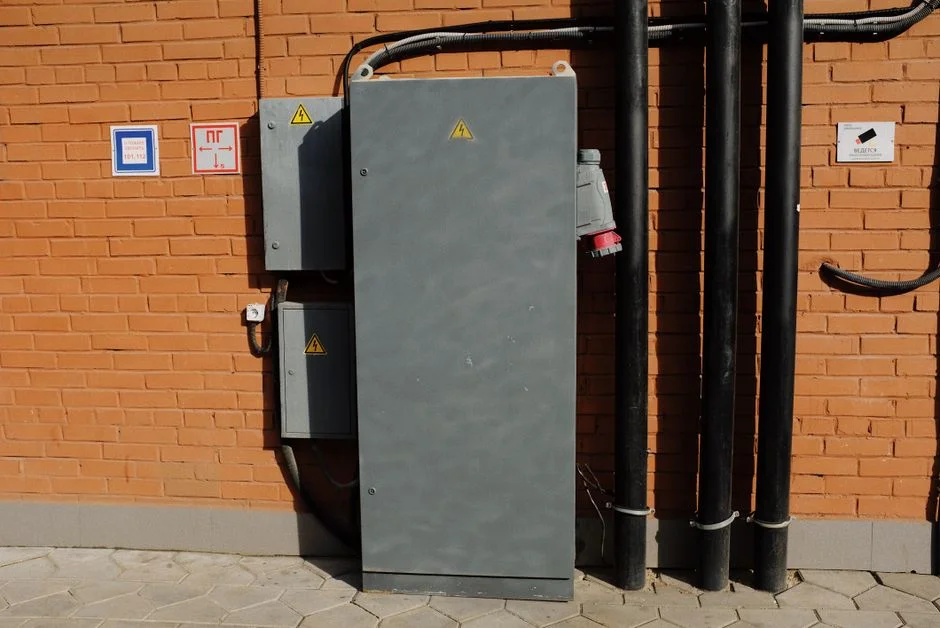
A complete treatment train normally progresses from preliminary screening and solids removal through equalization where required, biological treatment, solids separation, necessary polishing, and final disinfection. Selecting only a biological reactor leaves the equipment scope incomplete and can expose pumps, membranes and downstream equipment to solids that were never removed.
The GX rotary mechanical bar screen is designed for continuous-duty municipal and industrial headworks. Its catalogued function is to remove suspended solids, rags, plastics and fibrous debris, protecting downstream pumps, valves and biological processes. Where grease or floatable material is significant, upstream or integrated pretreatment must be evaluated separately.
The underground integrated sewage treatment plant in the WSZ series combines anoxic and aerobic biological contact oxidation, sedimentation and disinfection in a buried package. The MBR membrane bioreactor combines activated sludge with submerged PVDF membrane filtration and is specified to filter below 1 μm. MBR therefore introduces a more defined solids-separation step, although its suitability still depends on feed characteristics, operating control, sludge management and the selected reuse objective.
| Process stage | Engineering function | Equipment or design decision | Buyer check |
|---|---|---|---|
| Headworks | Remove rags, plastics, grit and other solids | Rotary mechanical bar screen or alternative | Screen type, duty, extraction method and bypass arrangement |
| Equalization | Balance variable hospitality flows and loads | Tank, mixing and pumping provisions | Operating basis, working volume and access |
| Biological treatment | Remove biodegradable organic material | WSZ A/O package or MBR activated-sludge process | Loading basis, media or modules and control philosophy |
| Solids separation | Separate biomass and other solids | WSZ sedimentation or MBR membrane filtration | Sludge withdrawal, storage and removal route |
| Final disinfection | Control viable microorganisms before the specified destination | UV water-treatment sterilizer where appropriate | UV dose basis, intensity monitoring, fouling and lamp maintenance |
The Vega City case demonstrates why final disinfection must be specified as a distinct stage. For that Nha Trang development, two MR1-350SS units were supplied because the project required consistent microbiological treatment, a compact footprint and no chemical storage or dosing, according to the Resort Wastewater in Vietnam Case published by ULTRAAQUA. Each MR1-350SS has an electropolished AISI 316L stainless-steel reactor, UV-intensity monitoring with an ÖNORM-certified sensor and a guaranteed lamp lifetime of 16,000 hours.
UV can provide a physical disinfection stage without adding chemicals or forming chemical by-products. It does not replace biological treatment, solids separation or confirmation that the selected UV configuration will deliver the required dose under the project’s flow and transmittance conditions.
Compare Packaged A/O Treatment with MBR for Vietnamese Resorts
The clearest architecture choice is between an integrated WSZ package and an MBR membrane bioreactor, but their catalogued attributes are not performance guarantees. The appropriate choice depends on flow, land, reuse objectives, sludge handling, operator capability and the permit route.
The WSZ catalog specifies capacity from 1–80 m³/h, a buried package, anoxic and aerobic biological contact oxidation, sedimentation and disinfection. It is described as automated and requiring no operator. These attributes suit projects seeking an integrated below-ground treatment train at lower-to-moderate flow. MBR catalog evidence specifies capacity from 10–2,000 m³/day, submerged PVDF membrane filtration, filtration below 1 μm and a footprint stated to be 60% smaller than conventional systems.
That makes MBR the stronger candidate where larger throughput, membrane-quality separation, reuse potential or footprint reduction is important. It also introduces membrane maintenance, controls and more process interfaces that the owner must be able to support. UV can be considered as final disinfection where chemical-free, monitored treatment is desired; it remains an additional process stage rather than a substitute for biological treatment.
| Decision point | WSZ packaged A/O option | MBR option | Information still required |
|---|---|---|---|
| Catalogued capacity | 1–80 m³/h | 10–2,000 m³/day | Average and peak project flow |
| Configuration | Buried A/O, sedimentation and disinfection package | Activated sludge with submerged PVDF membranes | Space, access, excavation and structural conditions |
| Separation | Sedimentation within the package | Filtration specified below 1 μm | Effluent specification and reuse route |
| Footprint | Buried configuration; no comparative percentage supplied | Catalog states 60% smaller footprint than conventional systems | Site constraints and complete civil works |
| Operation | Catalog describes automated operation with no operator required | Process-complexity comparison depends on the complete package and controls | Local service support, training and maintenance access |
| Disinfection | Included in the integrated package description | Final disinfection route must be defined | UV or other approved configuration and dose basis |
| Procurement inputs | Wastewater profile, permit route, reuse criteria, land availability, sludge handling, energy demand, operator capability and maintenance access | Must be supplied by the project team | |
Do not compare bids on rated throughput or package dimensions alone. For solids handling, a bidder may propose a lamella clarifier or a plate-frame filter press, but each adds civil, operating and maintenance interfaces that must appear in the scope.
Size the Plant Using Hotel and Resort Operating Data
Hotel resort wastewater treatment in Vietnam should be sized from the property’s operating basis, not a generic population multiplier. The research establishes that resource and waste management vary across hotel categories, but it does not provide a universal resort wastewater-flow factor that can be transferred safely to a new site.
Start with design occupancy and forecast room occupancy, then add meal covers, laundry loads, pool operations, staff demand, irrigation and other documented uses. Record average and peak demand, seasonal occupancy, guest turnover and simultaneous events. The Resource use and waste management in Vietnam hotel industry study reports a survey of 50 Vietnamese hotels and proposed benchmarks for efficient water consumption and wastewater discharge by hotel category. Those findings provide performance context; they are not a substitute for the resort’s own operating data.
- Compile the wastewater-source inventory and distinguish wastewater flows from water that is transferred for reuse.
- Derive each unit flow from metered project data, equipment schedules and operating assumptions.
- Establish average flow and the peak-flow basis from occupancy and simultaneous operating scenarios.
- Check peak sanitary and process loads, including kitchen, laundry and pool contributions.
- Review equalization against the selected treatment architecture and operating strategy.
- Check biological capacity using the characterized wastewater, rather than hydraulic capacity alone.
- Verify solids handling, sludge removal, disinfection and the final reuse or discharge route.
| Design input | Project information required | Use in the design |
|---|---|---|
| Accommodation | Design occupancy, occupied rooms, seasonal profile and guest turnover | Domestic-sewage flow and loading basis |
| Food service | Meal covers, service hours, kitchen equipment and grease load | Peak flow and pretreatment assessment |
| Laundry | Linens per cycle, number of cycles and detergent information | Batch-flow, equalization and chemistry assessment |
| Pool and leisure | Pool volume, backwash, drainage and operating frequency | Intermittent-flow and source-control review |
| Reuse | Destination, daily demand and required quality | Separate treatment and storage objectives |
| Site and operations | Footprint, power, drainage route, sludge destination and maintenance access | Architecture selection and complete-scope design |
Where kitchen, laundry, pool and domestic flows remain uncertain, require wastewater sampling and pilot testing or an equivalent bench investigation before fixing the biological and solids-handling design. Confirm reuse demand separately from treatment capacity, then test whether the selected process, storage and distribution arrangements can meet both objectives.
Match the Project to Vietnam's Environmental and Reuse Requirements
The environmental permit, discharge route and reuse criteria must be confirmed for the project’s province and competent authority. The supplied research does not establish a universal numerical effluent limit for resort wastewater, so a generic limit should not be inserted into the equipment specification.
Define the intended outcome before ordering equipment. Sewer discharge requires the receiving sewer’s technical and contractual conditions. Direct environmental discharge requires confirmation of the receiving environment, applicable standards, monitoring and discharge controls. Water reuse adds a specified quality objective, reliability requirement and downstream use. These routes should not be treated as interchangeable.
Decision No. 147/QD-TTg, dated 22 January 2020, and its Tourism Development Strategy provide sustainable-tourism policy context through a vision to 2030. They do not replace technical discharge standards or a project-specific legal assessment. The August 2026 Vietnam treated-wastewater reuse guidance is a logical follow-up for projects considering reuse, but the Dinh Vu initiative should not be represented as a national permit.
Procurement teams can use the Vietnam wastewater due-diligence requirements to structure a local compliance review. The environmental consultant should identify the applicable permit pathway and any conditions relating to sewer entry, direct discharge, construction, commissioning and monitoring.
| Pre-order item | Evidence required before equipment selection | Responsible party |
|---|---|---|
| Wastewater characterization | Source inventory, sampling plan and representative analytical results | Designer and environmental consultant |
| Discharge destination | Sewer acceptance information or receiving-water and direct-discharge route | Owner and local authority |
| Permit pathway | Applicable environmental approvals and supporting documents | Environmental consultant |
| Reuse specification | End use, quality objective, reliability requirement and monitoring method | Owner, operator and consultant |
| Sludge destination | Storage, dewatering, transport and disposal route | Treatment designer and operator |
| Commissioning | Testing protocol, acceptance criteria and training scope | Owner, supplier and operator |
| Monitoring plan | Parameters, frequency, records and responsible personnel | Owner and environmental consultant |
Issue a Supplier Brief That Reduces Procurement Risk
Require every bidder to design against the same source inventory, operating basis, permit objectives and reuse requirements. Ask each bidder to state its design flow, wastewater profile, treatment process, guaranteed operating envelope, treatment footprint and civil-works interface. A rated-capacity figure without its operating basis is not comparable.
Define the supply boundary precisely. Ask suppliers to identify included and excluded items for equalization, screening, biological media or modules, membranes, sludge removal, odour control, disinfection, controls, laboratory instruments, commissioning, operator training and initial spare parts. Also request power demand, chemical-consumption assumptions, membrane or UV maintenance intervals, local service support and supporting performance documentation.
Compare WSZ and MBR offers against the same criteria: treatment performance, complete footprint, civil work, sludge handling, operating labour, energy demand, maintainability, reuse capability and compliance evidence. Do not award on package dimensions or throughput alone. The UV system from the Vega City Nha Trang case, where two MR1-350SS units were supplied, shows why the disinfection architecture should be documented rather than left as an vague line item.
Where chemical dosing is proposed, require the automatic chemical dosing system supplier to define storage, containment, duty, calibration and operator requirements. Where valves or filter media are excluded from the main package, define them through the water-treatment parts and filter-media schedule. These scope instructions prevent apparent equipment savings from reappearing as installation, safety or operating costs.
Frequently Asked Questions
What size wastewater treatment system does a hotel or resort in Vietnam need?
Capacity must be calculated from project-specific wastewater sources and operating data: occupancy, meal covers, laundry, pool operations, staff, irrigation and simultaneous operating conditions. The supplied research does not provide a universal resort flow factor. Require bidders to submit the flow inventory, derivation, peak basis, biological-loading check and equipment operating envelope for the actual property.
Is a packaged A/O treatment plant suitable for a resort, or is MBR required?
Neither architecture is mandatory by definition. The WSZ catalog specifies 1–80 m³/h and an integrated buried A/O, sedimentation and disinfection package. The MBR catalog specifies 10–2,000 m³/day, filtration below 1 μm and a footprint stated to be 60% smaller than conventional systems. WSZ suits projects prioritising integration and below-grade installation; MBR merits closer consideration for larger capacity, defined membrane separation or reuse-sensitive applications. Confirm both against the project’s wastewater and permit route.
How much does hotel resort wastewater treatment cost in Vietnam?
No supplied source provides a project price, so a responsible quotation cannot be given without a site-specific design. Request comparable offers stating design flow, treatment architecture, reuse targets, civil works, power and chemical assumptions, sludge handling, controls, commissioning, training, local service and warranty terms. These inputs allow the bids to be normalized without inventing a market price.
Which treatment option is better for a coastal resort with limited land?
A compact buried package may suit a constrained site, while MBR should be assessed where its membrane separation and stated footprint reduction support the reuse objective. UV disinfection can also reduce chemical storage and dosing at the final stage, as demonstrated by the two MR1-350SS units at Vega City Nha Trang. Site suitability still depends on footprint, access, geology, reuse quality and permit conditions.
What should a Vietnamese resort include in its wastewater treatment supplier RFQ?
Include the source-by-source flow inventory, operating scenarios, wastewater characterization, permit and discharge route, reuse specification, required guarantees and complete equipment scope. Also require energy and chemical assumptions, sludge route, maintenance intervals, local service support, commissioning tests, operator training, spare parts and monitoring deliverables. The packaged sewage treatment buyer guide and the 2026 packaged treatment selection guide offer general procurement context, but the resort’s own operating and compliance documents should govern the RFQ.