
Why Seattle Hotels Default to Packaged MBR — and What Changes in 2026
Packaged membrane bioreactor (MBR) systems dominate Seattle hotel projects because city sites are often small, expensive parcels where a separate clarifier is a luxury the floor plan cannot absorb. Imemflo notes that MBR systems "typically require less space than conventional treatment processes because they eliminate the need for a separate clarifier" (Imemflo, hotel MBR overview). The same source lists MBBR, SBR, and conventional activated sludge as alternatives, but on a constrained Seattle lot, the MBR skid typically wins on footprint before any reuse argument enters the room.
The second reason is local review: King County and WA Dept. of Ecology reviewers expect a packaged, factory-built unit with documented effluent quality rather than a site-erected concrete tank farm. Veyra's BLU|BOX line advertises modular packaged MBR skids covering 25,000 to 500,000 GPD, a band wide enough to absorb everything from a boutique conversion to a full-service downtown property (Veyra, BLU|BOX product page). Permit requirements are evolving; reviewers in 2026 will look for an MBR sized to a defensible design flow, with pretreatment and FOG ports built in, and a control/SCADA package the hotel engineer can actually hand off to an operator.
Step 1: Build a Defensible Design Flow for the Hotel
Hotel wastewater is a mix of guest-room, kitchen, laundry, pool/spa backwash, and staff flows, and Imemflo states that "the characteristics of hotel wastewater can vary based on factors such as the size of the hotel, the amenities it offers, and local practices" (Imemflo, hotel MBR overview). A single occupancy × liters-per-occupied-room figure is insufficient; the reviewer will ask how you treated the kitchen and laundry contributions separately. A defensible starting point is the Imemflo 200-bed, 5-star reference at 250 m³/d, which works out to roughly 1.25 m³/bed-day at full luxury occupancy (Imemflo, hotel MBR overview). Adjust downward for limited-service properties with no on-site laundry and minimal F&B, and upward where on-site laundry, banquet halls, or multi-tenant food and beverage drive a higher per-bed load. Confirm whether laundry is included in the STP feed or split to a dedicated grey-water train; Imemflo notes that "many hoteliers install separate grey water treatment plant for laundry waste" (Imemflo, hotel MBR overview), and that decision changes the MBR's organic and hydraulic load materially. Apply a Seattle-specific peaking factor for weekend tourism occupancy spikes, multi-tenant F&B surges, and stormwater inflow on older side-sewer connections rather than borrowing a generic 1.5× residential factor. Integrated MBR membrane bioreactor systems are typically rated on both average daily flow and a peak hourly flow; both numbers must appear on the drawings submitted for review.
| Input | Seattle hotel practice | Why it matters to the reviewer |
|---|---|---|
| Rooms / beds | Anchor to the Imemflo 250 m³/d for 200 beds (~1.25 m³/bed-day) | Calibrates the design flow to a documented reference, not a guess |
| Occupancy profile | Weekend tourism peaks, conference shoulder weeks | Drives the peaking factor; Seattle tourism is not flat |
| F&B and banquet | Multi-tenant kitchens raise FOG and BOD peaks | Triggers FOG control and KC IWS pretreatment limits |
| Laundry | On-site = high-TDS, surfactant-heavy stream; off-site = lower load | Determines whether a separate grey-water plant is justified |
| Pool/spa backwash | Chlorine residual and intermittent slug loads | May require flow equalisation upstream of the MBR |
| Stormwater / I&I | Older side sewers in Seattle can pass significant inflow | Affects peak hydraulic load on the membrane tank |
| Reuse target | Irrigation, cooling tower makeup, toilet flush | Sets effluent quality bar and cross-connection control scope |
Step 2: Match the Membrane Format to Site Conditions
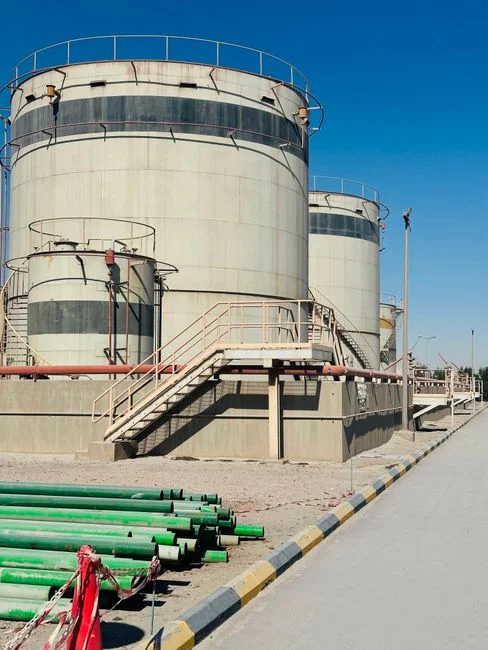
Imemflo describes both hollow-fibre (HF-MBR) and flat-sheet (FS-MBR) configurations as viable for hotel duty, with HF typically delivering higher packing density and FS being more tolerant of solids spikes and easier to clean in place (Imemflo, hotel MBR overview). The commercial module brands Imemflo lists in the hospitality MBR market are Suez, Dow, DuPont, Mitsubishi for hollow fibre and Toray for flat sheet (Imemflo, hotel MBR overview) — when comparing bids, verify the actual module make and model on the cut sheet, not just the skid OEM's brand label. Confirm the aeration package that drives membrane scour: continuous air scour for flat sheet, intermittent backflush for hollow fibre, with a clean-in-place (CIP) chemical regime the hotel's operator can actually execute. Membrane replacement interval and per-module replacement cost belong on the PO, because they dominate the 10-year OPEX picture. Validate the skid's shipping dimensions and fully assembled weight against the building's structural slab or any below-grade vault; a packaged MBR is a heavy, water-filled tank once commissioned, and Seattle site logistics (crane access, SDOT street windows) are a constraint. PVDF flat-sheet MBR membrane modules are a common spec for hotel duty because of chemical tolerance, but the choice between HF and FS should follow the actual waste stream, not the vendor's preferred stock SKU.
Step 3: Walk the Seattle Permit Path Before You Buy
If the hotel connects to King County sewer, the project falls under the King County Industrial Waste Program (KC IWS), and pretreatment limits, FOG control, and sampling ports must be designed into the packaged MBR from the start. If the site is on a private on-site system, the project is governed by WA Dept. of Ecology Sewage Works rules, with Group A applying to larger systems, plus the local health jurisdiction; a packaged MBR is an acceptable technology on that path, but the designer must show the unit meets the design flows and effluent criteria the on-site rules require. Side-sewer work in Seattle streets triggers SDOT right-of-way permits and a Customer Information Center (CIC) plan review, and a buried or partially buried packaged MBR can simplify that path if the above-grade footprint is small. For sites with a reuse intent — irrigation, cooling-tower makeup, laundry — confirm the regulatory pathway before specifying; Imemflo cites reuse as a core MBR benefit because the system "is effective in removing bacteria, viruses, and other pathogens" (Imemflo, hotel MBR overview), but the Seattle/Washington definition of acceptable reuse and the cross-connection control requirements still apply. The MBR process and efficiency deep dive covers the underlying biology if a reviewer asks why the membrane barrier changes the effluent story.
MBR vs MBBR vs SBR vs ASP for Seattle Hotels
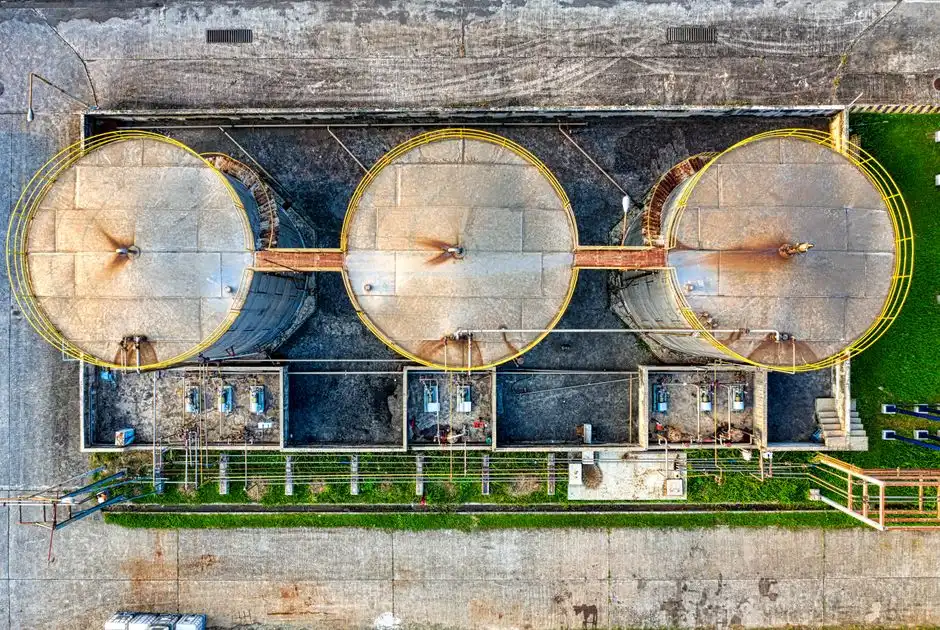
Imemflo lists MBBR (Moving Bed Biofilm Reactor), SBR (Sequential Batch Reactor), and ASP (Activated Sludge Process) as the main alternatives to MBR for hotel wastewater (Imemflo, hotel MBR overview). Understanding how these technologies compare helps owners balance footprint constraints against initial capital investment. MBR is positioned by both Imemflo and Veyra as outperforming conventional activated sludge on long-term ROI and sludge disposal cost, but the CAPEX premium must be weighed against the avoided clarifier, the smaller footprint, and the higher-quality effluent that supports reuse. For sites with strict effluent limits or reuse targets, the MBR membrane barrier is the decisive advantage; for sites where effluent goes to a tolerant combined sewer, an SBR or MBBR may deliver adequate performance at lower first cost. If a separate laundry grey-water plant is being considered — Imemflo notes that "many hoteliers install separate grey water treatment plant for laundry waste" (Imemflo, hotel MBR overview) — confirm whether an MBBR/SBR/ASP main line plus a small grey-water reuse skid is more economic than one integrated MBR across both streams. The U.S. municipal STP specs and cost breakdown provides a useful reference for site-built versus packaged economics.
| Technology | Footprint | Effluent quality | Reuse-ready | Operator skill | Best fit on a Seattle hotel site |
|---|---|---|---|---|---|
| MBR | Small — no separate clarifier | High; membrane barrier on TSS and pathogens | Yes — non-potable reuse typical | Moderate; membrane care required | Tight urban sites, reuse targets, KC IWS pretreatment |
| MBBR | Smaller than CAS | Good on BOD/COD; TSS depends on downstream separation | Limited without polishing | Moderate | Mid-size hotels, sewer discharge, no reuse |
| SBR | Moderate | Good; batch decant variability | Possible with filtration polish | Moderate; timer/PLC dependent | Variable loads, sites with buffer volume |
| ASP (conventional) | Largest | Baseline; depends on clarifier | Rare without tertiary | Lower; well-understood | Larger sites where land is not the constraint |
2026 Procurement Checklist Before You Sign the PO
Request the actual design flow, peak flow, influent assumptions (BOD, COD, TSS, FOG), and the guaranteed effluent quality the vendor puts in writing; typical performance numbers and guaranteed numbers are not the same line item. Confirm the membrane format, the module OEM (cross-checking against the brands Imemflo names — Suez, Dow, DuPont, Mitsubishi, Toray), expected service life, per-module replacement cost, and CIP chemical regime, because those four items drive most of the 10-year OPEX. Verify the control package: SCADA or remote telemetry the hotel engineering team can actually use, alarm escalation into the hotel's building management system, and a service contract with a vendor or local representative that can respond within the window King County or the local health jurisdiction expects. Confirm the factory acceptance testing scope, delivery as a packaged skid (per Veyra's positioning of modular MBR delivery in the 25,000–500,000 GPD window), installation timeline into a Seattle site (SDOT street windows, crane access, off-hours delivery), and commissioning support including influent seeding and operator training. A review of compatible RO/UF membrane elements is useful if reuse is on the table, because the polishing train and the MBR need to be specified together. 2026 wastewater compliance standards should be on the reviewer's desk before the bid goes out, not after. For sites where a buried unit is preferred, the buried packaged sewage treatment plant format is worth a side-by-side look against the above-grade skid.
Frequently Asked Questions
What should a Seattle hotel owner realistically budget for a packaged MBR STP in 2026?
Request a written quote that itemises the skid, the membrane modules (with make and model — Suez, Dow, DuPont, Mitsubishi, Toray are the names Imemflo lists in the hospitality MBR market), freight to Seattle, SDOT-related installation, commissioning, and a 10-year membrane replacement reserve. Compare at least two bids on the same influent assumptions and the same guaranteed effluent envelope; the cheapest skid is rarely the cheapest system once those line items are aligned.
How do I vet a packaged MBR supplier's track record for Seattle or the Pacific Northwest?
Ask for named installations within driving distance of Seattle, the operator contact at each site, and the membrane replacement history on those units; cross-check the module OEM against the brands Imemflo names and against Veyra's BLU|BOX 25,000–500,000 GPD modular format if the bid is in that flow band. A supplier who can only point at overseas references should be asked to explain their U.S. service network and the regional service-level commitment in writing.
How do I translate room count and amenities into a design flow?
Use the Imemflo 200-bed 5-star reference of 250 m³/d as a calibration anchor, which works out to roughly 1.25 m³/