DAF or Clarifier for McAndrews Mining Wastewater: The 2026 Decision
For mining and metals wastewater in McAndrews, factories should choose a dissolved air flotation system when the treatment objective is to separate oil-, grease-, or low-specific-gravity solids after pH control, coagulation, and flocculation. A lamella clarifier is generally better suited to predominantly settleable solids. The 2026 decision should be based on wastewater characterization, flow variability, solids properties, chemical demand, available footprint, sludge handling, and pilot performance—not on a universal winner. This mining wastewater DAF-versus-clarifier guide provides the selection framework.
The supplied research does not establish McAndrews-specific water chemistry, permitted flow, or discharge limits. Those facts must be verified through site sampling and the applicable regulatory requirements before equipment is selected.
| Decision condition | More defensible starting direction | Information to verify |
|---|---|---|
| Oil, grease, floatable solids, or flocculated low-specific-gravity material are the primary targets | Dissolved air flotation | FOG characteristics, particle behavior, chemical program, float and settled-solids loads |
| Dense, readily settleable solids dominate | Lamella clarification | Settleability, solids loading, sludge withdrawal, available footprint |
| Wastewater varies materially with production, washdown, shutdowns, or storms | Equalization followed by a tested treatment train | Flow-duration data, peak solids loading, upset conditions |
| Clarified water must support process reuse | DAF or lamella clarification followed by any required polishing | Reuse specification and residual contaminant profile |
Compare the Two Separation Mechanisms
DAF and lamella clarification separate solids by different physical mechanisms, so their performance depends on different wastewater properties. Clearwater Industries identifies 30–50 micron microbubbles in its DAF systems and states that these bubbles lift solids to the surface for skimming (Clearwater Industries, April 27, 2026).
In DAF, part of the clarified water is pressurized and mixed with air; depressurization releases microbubbles that attach to conditioned particles. A floating sludge blanket forms, and a skimmer removes it. Aries identifies pH control, coagulation, and flocculation as pretreatment steps that improve particle characteristics and micro-bubble adhesion (Aries, undated supplier material).
A lamella sedimentation tank instead uses gravity settling within inclined plates. It is the better starting point when the material is dense and settles readily, rather than floating because of oil association or deliberately flocculated low-specific-gravity solids.
Both systems can retain settled sludge. Therefore, specifying a flotation device does not eliminate the need for bottom-solids withdrawal, and specifying a clarifier does not remove the need for chemical conditioning where particles do not settle effectively.
| Feature | Dissolved air flotation clarifier | Lamella sedimentation tank |
|---|---|---|
| Primary mechanism | Microbubble attachment and flotation | Gravity settling and inclined-plate separation |
| Best-fit target | Oils, fats, floatable solids, conditioned flocs | Predominantly settleable solids |
| Chemical-conditioning dependence | High when fine or low-buoyancy particles must be floated | Depends on particle settleability and the integrated clarification design |
| Principal solids streams | Skimmed float plus settled solids | Collected settled sludge |
| Selection evidence needed | Floatability, chemical response, FOG and TSS behavior | Settleability, loading, sludge density and withdrawal |
For an initial equipment comparison, review the HydropureWater DAF system and the high-efficiency lamella clarifier without treating either product as proof of site suitability.
Match Wastewater Characteristics to the Equipment
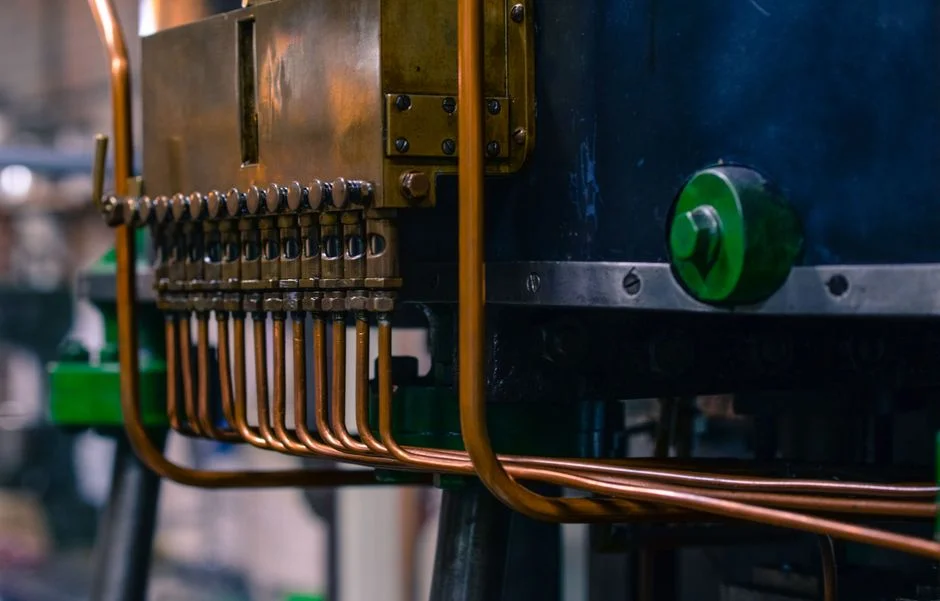
Favor DAF when oils, grease, naturally floatable solids, or chemically flocculated low-specific-gravity material dominate the removal objective; favor lamella clarification when the stream contains mainly dense, readily settleable solids and the priority is a compact clarification stage. Clearwater states that DAF is suited to impurities and solids that float or have low specific gravity, while most DAF systems also manage settled sludge (Clearwater Industries, undated supplier material).
Begin with flow-duration data covering normal production, washdown, storm inflow, shutdowns, and peak periods. Average flow alone can conceal the hydraulic and solids peaks that determine equalization, equipment selection, and chemical-system capacity. Characterize TSS, FOG, particle-size distribution, settleability, density, metals content, pH variability, and chemical demand.
- If the stream contains sand, gravel, scale, lint, or other large debris, protect the treatment equipment. Kemco identifies hydrocyclones and shaker screens as pretreatment for removing high-density solids and large objects before DAF (Kemco Systems, undated supplier material).
- If pH changes with production, evaluate automatic pH adjustment rather than treating it as a manual operating task. Kemco describes a treatment tank, mixer, in-tank pH sensor, level control, metering pumps, drain valve or pump, and control panel for automatic acid or caustic addition.
- If oil or grease is present, test the combined chemical-and-flotation response. Aries states that pH control, coagulation, and flocculation optimize contaminant surface properties for micro-bubble adhesion.
- If wastewater will be reused, define the reuse specification separately. Kemco describes DAF clarified water as potentially suitable for reuse or discharge, but this does not establish compliance with a site-specific reuse requirement.
| Wastewater finding | Selection implication | Required confirmation |
|---|---|---|
| Significant oil and grease or floatable solids | Move DAF to the front of the evaluation | Jar-test flotation response and identify the chemical program |
| Dense solids with reliable settling | Move lamella clarification to the front of the evaluation | Measure settleability and solids-loading variation |
| Large debris or abrasive solids | Add protection and solids removal upstream | Identify particle types and expected grit load |
| Variable pH | Include controlled chemical adjustment | Define the chemical range and target operating point |
| Process reuse required | Add any necessary polishing to the treatment train | Obtain the receiving process water specification |
Where debris protection is required, an rotary mechanical bar screen may form part of the upstream review. Chemical dosing should be evaluated as a controlled system, including the automatic chemical dosing system rather than as an accessory added after the separator is chosen.
Build the Complete Treatment Train
A separator cannot compensate for an incomplete treatment train. The engineering sequence is equalization and coarse screening, pH control, coagulation and flocculation, DAF or lamella clarification, sludge collection, and final thickening, dewatering, or disposal.
For DAF, chemical mix tanks or serpentine flocculator tubes provide controlled contact between reagents and wastewater. Clearwater states that chemical conditioning can be provided through serpentine flocculator mix tubes or chemical mix tanks and that conditioning improves particle size and micro-bubble contact (Clearwater Industries, April 27, 2026). Jar testing must establish the required chemical dosage and contact time; neither should be inferred from a general equipment specification.
For lamella clarification, evaluate an integrated arrangement that retains sludge recirculation and flocculation within the clarification design. The high-efficiency lamella clarifier should be evaluated against the actual solids-loading and sludge-withdrawal duties.
In a DAF train, the float is skimmed while heavier solids settle into a collection zone. Both streams must have defined destinations. A plate-and-frame filter press is one dewatering option where industrial sludge dewatering is required, not a mandatory component of every DAF installation.
| Process stage | Principal design question | Procurement evidence |
|---|---|---|
| Equalization and coarse removal | Will peak and abrasive loads be controlled? | Flow-duration record, debris survey, equalization calculation |
| pH and conditioning | Which chemicals and contact conditions achieve the selected separation? | Jar-test results, chemical consumption, control philosophy |
| DAF or lamella clarification | Does the separator match the target contaminants and operating envelope? | Hydraulic and solids loading, materials, controls, sludge removal |
| Sludge handling | Where do float and settled solids go? | Solids characterization, storage, dewatering and disposal scope |
For early flow screening, the DAF product range covers 4–300 m³/h across 13 models. Final model selection still depends on hydraulic loading, solids load, chemical conditioning, wastewater variability, and the available installation scope.
Compare Equipment Selection, Operating Needs, and Scale
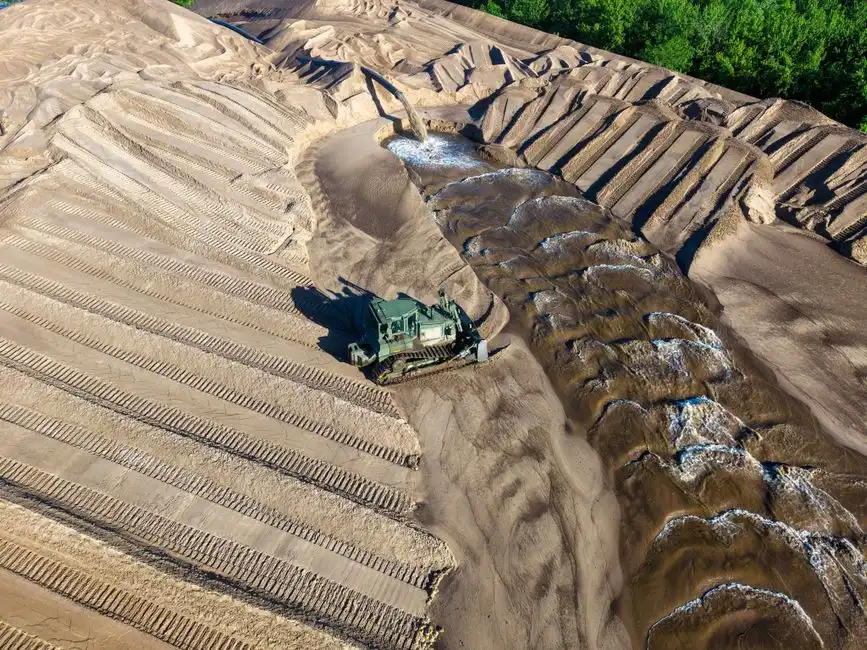
The practical comparison is broader than separation efficiency because reagent demand, controls, maintenance access, materials, sludge handling, and operator competence can determine life-cycle performance. No defensible capital-cost range or payback period can be stated without project-specific flow, wastewater analysis, civil work, chemical program, and supplier quotations.
Clearwater states that its standard DAF clarifiers use 304SS, with 316SS, polypropylene, and other materials available on request (Clearwater Industries, April 27, 2026). Its model families illustrate how application and scale affect layout: FPAC is intended for small-to-medium flow with very high TSS and FOG loads; FPBC handles low-to-medium solids loads, including low-buoyancy particles; and FPHF is intended for high flows with low-to-large solids loads.
Clearwater’s COMPACT DAF combines chemical conditioning equipment, clarification, sensors, instruments, and a PLC control panel. The supplier states that flows of 66 GPM or less use one skid, while larger flows use a modular two-skid arrangement (Clearwater Industries, April 27, 2026).
HydropureWater’s lamella clarifier product data describes sludge recirculation, flocculation, inclined-plate separation, surface-loading rates of 20–40 m/h, and chemical-consumption reduction of up to 30%. These are supplier-stated design data, not a guaranteed site outcome; applicability must be confirmed against the wastewater envelope and conditioning program.
| Procurement topic | DAF review | Lamella clarification review |
|---|---|---|
| Primary target | Floatable and conditioned material | Predominantly settleable solids |
| Chemical demand | Establish through coagulation and flocculation testing | Establish through integrated flocculation and recycle evaluation |
| Footprint | Account for conditioning, saturation equipment, float collection, and sludge zones | Account for inclined plates, mixers, recirculation, and sludge collection |
| Automation | Review dosing, saturation, skimming, sludge discharge, and sensor integration | Review mixing, recirculation, sludge withdrawal, and instrumentation |
| Materials | Confirm corrosion and wear compatibility for the actual wastewater | Confirm plate, frame, and wetted-material compatibility |
| Total scope | Include equalization, pretreatment, chemicals, controls, utilities, and sludge handling | Include feed conditioning, recirculation, controls, utilities, and sludge handling |
The broader industrial ETP-versus-DAF selection guide provides useful context for defining integrated scope rather than comparing separator price alone.
Validate the Decision with Pilot Testing and Procurement Criteria
A defensible purchase requires performance evidence from the actual wastewater. Aries states that bench-scale jar testing can determine removal efficiencies, flotation characteristics, and the chemical program (Aries, undated supplier material). Jar testing should therefore be the first comparison of DAF and viable lamella alternatives under the project’s chemical and settling conditions.
Use pilot testing where wastewater variability is material or scale-up risk cannot be resolved at bench scale. Kemco identifies on-site visits, testing, and pilot studies as the means for determining a plant’s requirements and designing a site-specific DAF system (Kemco Systems, undated supplier material).
- Establish representative sampling periods, including normal production, washdown, upset, and peak-flow events.
- Run jar tests to compare chemical dose, contact time, flotation, settling, clarified-water quality, and sludge generation.
- Pilot the preferred and credible alternative where the operating envelope remains uncertain.
- Compare reagent consumption, operator attention, sludge characteristics, mechanical reliability, and recovery or reuse performance.
- Request the final performance basis and operating envelope in the commercial proposal.
| Document to request | Acceptable content |
|---|---|
| Performance basis | Defined influent envelope and named discharge or reuse criteria |
| Design criteria | Flow and solids-loading ranges, hydraulic or surface-loading basis, and chemical assumptions |
| Mechanical details | Materials, recycle arrangement, air saturation, controls, instrumentation, and access requirements |
| Sludge provisions | Float and settled-solids withdrawal, storage, thickening, dewatering, and disposal interfaces |
| Validation record | Relevant jar-test or pilot results and proposed operating control strategy |
Confirm whether the final objective is reuse, direct discharge, or sewer discharge, then obtain the applicable McAndrews, state, and federal requirements before finalizing the equipment. The 2026 pretreatment-limit compliance guide can support the compliance-checking process, but it does not replace project-specific permit criteria.
Frequently Asked Questions
How should a McAndrews factory size DAF or lamella clarification equipment?
Size from the wastewater envelope, not average flow alone. Obtain flow-duration data, TSS and FOG profiles, settleability or floatability, pH variation, solids-loading data, chemical demand, and the required clarified-water specification. Use jar tests, followed by pilot testing where variability or scale-up risk is material, to confirm hydraulic loading and chemical conditions.
How much will DAF or a clarifier cost?
No defensible capital-cost figure can be supplied from the research because project flow, wastewater analysis, civil scope, chemical program, controls, and sludge-handling requirements are unspecified. Request itemized quotations that separate the separator, coagulation and flocculation, equalization, pretreatment, controls, utilities, installation, commissioning, and sludge handling.
Does DAF always outperform a lamella clarifier for mining and metals wastewater?
No. DAF is the stronger starting candidate when oil-bearing, floatable, or chemically flocculated low-specific-gravity solids dominate. Lamella clarification is more appropriate when dense solids settle reliably. Aries identifies pH control, coagulation, and flocculation as important to DAF adhesion, so the best route depends on the chemistry as well as the target contaminant.
What should be checked when selecting a DAF or clarifier supplier?
Ask each supplier to define the covered wastewater envelope, design basis, materials, instrumentation, controls, sludge-removal provisions, and performance responsibility. Require relevant pilot evidence and confirm that the proposal addresses the applicable McAndrews discharge or reuse requirements. For a broader scope review, see the mining and metals pretreatment-limit guide.