Start with the Jerome sewer permit, not a generic treatment template
Food and beverage plants near Jerome, Arizona, meet pretreatment requirements by treating wastewater on site before sending it to the receiving publicly owned treatment works (POTW). The treatment train commonly begins with equalization, then addresses solids, fats, oils and grease (FOG), pH, soluble BOD5 and COD before monitoring the final effluent against the POTW permit. Federal pretreatment standards under 40 CFR Part 403 establish baseline controls, but the receiving POTW’s industrial-user requirements—and applicable ADEQ conditions—control the facility’s actual discharge obligations.
Begin by identifying the POTW that owns or operates the receiving sewer connection. Obtain the applicable industrial-user requirements, permit, local limits, surcharge provisions and approved monitoring forms before selecting equipment. Review permit duration, authorized discharge points, sampling locations and frequencies, recordkeeping duties, reporting deadlines, self-monitoring requirements and renewal conditions. For a new product line or changed production schedule, confirm whether a permit modification is required rather than assuming the existing authorization covers the change.
Federal pretreatment standards under 40 CFR Part 403 apply to industrial pollutants discharged to POTWs and are intended to prevent interference, pass-through and other adverse effects at municipal treatment works. Hixson identifies commonly cited thresholds of 250 mg/L for both BOD and suspended solids, but its food-processing wastewater article presents these as federal context—not as a substitute for the controlling Jerome-area permit. A receiving POTW may impose stricter local limits. Goveyra’s food and beverage regulatory overview identifies ADEQ as Arizona’s wastewater and water-quality regulator, while also noting that regulatory requirements, permitted technologies and focus areas vary by region.
The supplied research does not include a Jerome-specific industrial-user permit. It therefore does not support a universal BOD, TSS, pH or FOG limit for every Jerome-area facility. Obtain the receiving POTW’s written requirements and use those values for equipment sizing, controls, monitoring and performance acceptance. The Arizona wastewater permit and regulatory requirements provide a useful starting point for organizing that review.
| Document or authority | What the engineering team must establish | Design consequence |
|---|---|---|
| Receiving POTW industrial-user requirements | Local limits, prohibited discharges, monitoring, recordkeeping and surcharges | Sets the enforceable treatment and monitoring basis |
| Facility discharge permit | Effective period, sampling points, frequency, reporting and operating conditions | Defines compliance demonstration and control-system requirements |
| 40 CFR Part 403 baseline controls | Federal pretreatment framework for industrial dischargers to POTWs | Context that must be reconciled with local requirements |
| ADEQ requirements | Applicable state wastewater and water-quality conditions | Check for state and local obligations beyond the sewer permit |
Characterize the waste streams that actually drive the design
Food-processing wastewater can vary hourly enough that a single sample cannot support defensible sizing. Hixson reports that food-processing effluents can be 10 to 100 times stronger than domestic wastewater in BOD5 and COD terms; in the same article, it attributes this variability to batch changes, clean-in-place cycles and seasonal production peaks. Sample across those operating states rather than designing from one production-hour grab sample.
Separate the plant’s waste streams before selecting equipment. Route production wastewater, floor washing, equipment washing and clean-in-place chemical wastewater individually where practical. This separation allows the engineer to identify high-strength or chemically aggressive flows that should be equalized, treated separately, or diverted to authorized off-site treatment. A beverage plant may produce readily degradable sugar, starch, yeast and acid streams; dairy and meat processors may have protein-, fat- and FOG-dominated waste; produce processing may generate pulp, peelings and other suspended solids. These contaminant categories determine whether solids separation, flotation, pH control and biological treatment are needed.
CIP wastewater can shift pH abruptly when acidic and caustic cleaning agents enter the collection system. Production changes and seasonal peaks can also alter flow, organic load and temperature. Include product changes and sanitation cycles when defining sampling periods. Record production volume, cleaning sequence and chemical use during each sampling event so the resulting data represent actual plant conditions.
| Characterization input | Why it affects pretreatment | Required use |
|---|---|---|
| Flow | Determines hydraulic demand and equalization behavior | Measure production, washdown, shift-change and CIP peaks |
| BOD5 and COD | Defines soluble and total organic loading | Set biological loading and chemical-demand criteria |
| TSS | Indicates solids-removal requirements | Size screening, clarification or flotation |
| FOG and oil and grease | Indicates flotation, skimming and sludge-handling needs | Identify source products and cleaning practices |
| pH | Controls corrosion, chemical dosing and biological stability | Track acidic and alkaline CIP cycles |
| Temperature and expected chemical constituents | Affects biological activity, dosing and safety | Document nutrients, detergents, sanitizers and product-specific constituents where applicable |
Use the poultry-processing wastewater solids separation design as a reference for evaluating solids-recovery duties, not as a substitute for characterizing the Jerome plant. The required equipment may differ sharply between a beverage line and a protein-processing operation.
Build a pretreatment train that matches the contaminants

The treatment sequence should match the waste profile: collection and segregation, equalization, physical removal, chemical control, biological treatment, polishing where required, and monitored discharge. Equalization buffers production, washdown and CIP surges, blends variable flows and moderates pH swings before downstream biology. Its hydraulic working volume and release rate must address peak conditions, not merely average discharge.
Screening first protects pumps and downstream equipment from product fragments, pulp, seeds, grains and packaging debris. Settling or clarification then captures material that will separate by gravity. Use dissolved air flotation where floating FOG, oil and grease, fine solids or colloidal material must be removed before biological treatment. DAF should not be treated as a substitute for biological treatment of soluble BOD5 and COD.
Chemical treatment serves two distinct functions. Coagulants and flocculants can improve suspended-solids separation, while acid or base dosing controls pH. A PLC-controlled chemical dosing and pH adjustment system should respond to measured influent conditions and protect the downstream biological process. Chemical storage, compatibility, metering, alarms and operator controls belong in the design basis.
Biological treatment removes soluble organic material that physical separation does not address. Hixson reports anaerobic COD removal of 89.8–96.5% in food-processing applications, with methane yields of 0.27–0.33 liters CH₄ per gram of COD removed. Those figures describe the cited anaerobic applications; they do not establish performance for a Jerome plant without matching influent conditions, reactor configuration and operating controls.
MBR is appropriate when required effluent quality, footprint or reuse objectives justify combining biological treatment with membrane filtration. Hixson cites beverage-facility pilot results of 16.9 mg/L effluent COD, 3.8 mg/L effluent TSS and 92.6% COD removal. Those are pilot results from the cited beverage study, not guaranteed Jerome performance. An integrated MBR wastewater treatment system should therefore be evaluated against permit limits, reuse requirements, energy demand and operator capability.
| Process step | Primary function | Selection trigger |
|---|---|---|
| Collection and segregation | Keep production, washdown and CIP streams identifiable | Different contaminants or incompatible pH chemistry |
| Equalization | Buffer flow, strength and pH variation | Production surges, washdown or CIP batching |
| Screening and solids separation | Remove fragments, pulp, grains and settleable solids | Measured TSS and material recovery requirements |
| DAF or FOG removal | Remove floating FOG, oil and grease and fine solids | FOG load or protection of downstream biology |
| pH and chemical control | Protect downstream treatment and meet required residual conditions | pH variability, coagulation or flocculation |
| Biological treatment | Reduce soluble BOD5 and COD | Organic load remaining after physical treatment |
| Polishing and monitoring | Meet permit conditions and detect excursions | Final permit, sampling and discharge requirements |
For physical removal, a DAF pretreatment system for food-processing wastewater should be compared with clarification based on the measured contaminant fractions, required sludge handling and operating conditions.
Select pretreatment equipment by performance and operating constraints
Equipment selection should begin with the permit and waste characterization, not a removal-percentage claim. DAF is the preferred physical pretreatment option when suspended solids, FOG, oil and grease or colloidal material must be removed before biological treatment or sewer discharge. HydropureWater’s DAF range covers 4–300 m³/h across 13 standard models. Treat that as a preliminary equipment-screening envelope, not a plant-specific sizing conclusion.
Clarification is appropriate when settleable material is the dominant load and gravity separation can meet the required solids-removal duty. Sedimentation equipment then creates a sludge-handling obligation that must include collection, storage, dewatering and disposal or authorized reuse. Screen selection should follow the observed debris rather than generic food-processing assumptions.
Chemical dosing is not an optional accessory where pH correction, coagulation or flocculation is part of the compliance strategy. Select the chemical and dosing capacity against measured pH, alkalinity or acidity where relevant, flow variation and the required residual condition. Instrument, calibration, containment and chemical-handling provisions should be included in the purchase specification.
MBR should be compared with conventional biological treatment on required effluent quality, footprint, reuse objectives, energy demand, mechanical complexity and available operator capability. It offers a potential solution for low solids and compact treatment, but the cited pilot figures remain study-specific. Do not transfer poultry DAF results or beverage MBR results into a performance guarantee for a different facility.
| Equipment decision | Favor it when | Buyer must verify |
|---|---|---|
| DAF versus clarification | The measured load contains FOG, oil and grease, fine solids or colloidal material | Separated-solids handling, chemical demand, skimming and cleanout arrangements |
| Chemical dosing | pH control, coagulation or flocculation is required | Feed range, controls, storage, compatibility, calibration and alarms |
| MBR versus conventional biology | Required solids, footprint or reuse objectives justify added complexity | Energy use, membrane maintenance, operator capability and influent variability tolerance |
| Solids handling | Clarification or flotation produces concentrated residuals | Residual volume and character, destination, transport and disposal documentation |
The high-efficiency sedimentation tank, plate-frame filter press and rotary mechanical bar screen illustrate distinct solids-handling functions. A broader procurement comparison can be found in the guide to industrial DAF versus ETP equipment selection.
Prove compliance with monitoring, records and upset controls
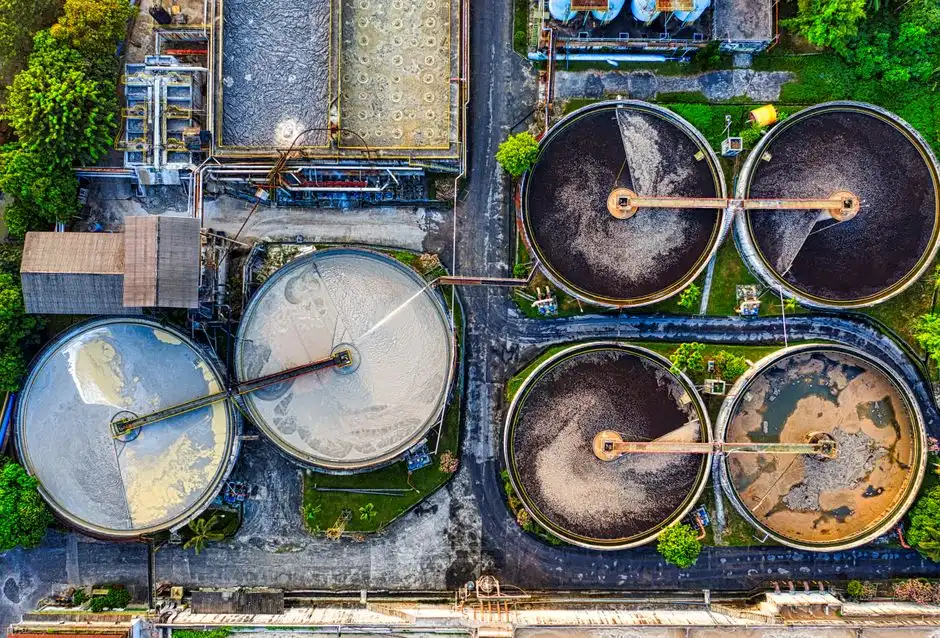
Compliance begins with defined monitoring points and an operating response to off-spec wastewater. Establish locations for the raw stream, equalized influent and final discharge. Use online pH monitoring where required by the permit or needed to protect treatment, and establish scheduled sampling for BOD5, TSS and every other applicable parameter. Confirm whether monitoring must be composite, grab, time-weighted or event-based.
Maintenance and operating records should connect treatment performance to production conditions. Calibrate sensors, maintain chemical feed, inspect DAF skimming, verify sludge removal and demonstrate that equalization functions during peak washdown and CIP periods. Link analytical results to product runs, cleaning cycles and operating adjustments. This creates defensible evidence when explaining normal variation or corrective action.
Define an upset contingency before commissioning. The response should identify the trigger for stopping discharge, the available equalization storage, whether flow can be diverted to authorized off-site treatment, who has authority to make the decision and when the responsible authority must be notified. Do not assume that dilution or temporary storage alone resolves a permit exceedance.
Reassess the treatment train after a new product, production expansion, seasonal change, revised CIP chemistry or a tighter local permit condition. The wastewater facility contractor evaluation guide provides a useful framework for checking commissioning, documentation and handover responsibilities.
Frequently Asked Questions
What pretreatment limit applies to a food and beverage plant near Jerome?
Apply the receiving POTW’s industrial-user requirements and facility discharge permit, then reconcile them with 40 CFR Part 403 and applicable ADEQ conditions. The commonly cited federal thresholds of 250 mg/L for BOD and suspended solids are not substitutes for the controlling Jerome-area permit.
How much does an on-site pretreatment system cost?
Request a budget quotation only after obtaining measured flow, BOD5 and COD, TSS, FOG, pH variability, required removals, footprint and monitoring requirements. Without that characterization and the POTW’s written limits, a defensible price cannot be stated.
Is DAF enough for food and beverage wastewater?
No, not by itself. DAF addresses suspended solids and FOG, but it does not remove the full soluble organic load; biological or other downstream treatment may still be required by the permit.
How should a Jerome plant size equalization and DAF equipment?
Use peak production, washdown and CIP conditions together with measured waste characteristics. Average flow will not define hydraulic reserve, equalization working volume or the required DAF removal duty.
How should pretreatment suppliers be evaluated?
Ask for food-processing references, applicable pilot or performance data, controls integration, sludge handling, O&M support, electrical requirements and a written performance guarantee tied to the receiving POTW permit. Pilot results from another facility should remain reference evidence, not an automatic guarantee.
Related Equipment
- DAF pretreatment system for food-processing wastewater — specifications, capacity range, and technical data