What Wastewater Requirements Apply When CATL Acquires an Arizona Plant? 2026 Compliance Guide
When CATL acquires a plant in Arizona, four regulatory rails transfer automatically: the AZPDES permit (re-issued within 30 days of deed recording under ARS Title 49 Ch. 2), the Aquifer Protection Permit for on-site disposal (18 A.A.C. Ch. 9, same 30-day clock), categorical pretreatment limits (typically 40 CFR 433 metal finishing with site-specific Ni/Co ceilings of 0.2–0.5 mg/L), and EPCRA §313 Form R reporting for Ni, Co, and NMP due July 1. Successor liability attaches to all rails regardless of purchase agreement terms. Inside Active Management Areas, groundwater withdrawal restrictions make on-site reuse or Zero Liquid Discharge (ZLD) the design basis, with ZLD adding a 1.5×–2.5× multiplier to base-train CAPEX.
The 30-Day Deed-Recording Clock That Catches Every Out-of-State Buyer
Arizona Department of Environmental Quality (ADEQ) re-issues existing AZPDES individual permits in a successor's legal name within 30 days of deed recording under ARS Title 49, Chapter 2 (HydropureWater regulatory analysis, 2026). Out-of-state buyers frequently confuse the execution of a purchase agreement with the trigger date; however, the regulatory calendar begins strictly upon official deed recording. The seller does not surrender the permit file; rather, ADEQ administrative procedures maintain continuity of the existing permit number while transferring compliance obligations directly to the buyer.
Running on an identical 30-day post-recording calendar is the Aquifer Protection Permit (APP) under 18 A.A.C. Chapter 9. Unlike surface water discharge permits, the APP technical record is maintained in a separate ADEQ database and governs all on-site land disposal mechanisms, including seepage basins, drywells, and recharge trenches. Transaction teams relying exclusively on AZPDES disclosures miss past environmental liabilities embedded in historical APP filings and groundwater monitoring well networks.
The annual reporting window under Emergency Planning and Community Right-to-Know Act (EPCRA) §313 adds a third, non-negotiable compliance deadline. Toxic Chemical Release Inventory (TRI) Form R submissions for nickel, cobalt, and NMP (N-Methyl-2-pyrrolidone) are due July 1 for the preceding calendar year (EPA TRI guidance, 2026). If a transaction closes between January and June, the buyer assumes immediate legal responsibility for compiling prior-year operational data. Successor liability attaches to historic non-filing, making a 5-year TRI audit essential during the 60-to-90-day window between Letter of Intent (LOI) and closing.
| Regulatory Rail | Governing Code / Authority | Transfer Window / Deadline | Key Compliance Mechanism |
|---|---|---|---|
| AZPDES Permit | ARS Title 49 Ch. 2 / ADEQ | 30 days from deed recording | Surface water discharge compliance & DMR history |
| Aquifer Protection Permit (APP) | 18 A.A.C. Ch. 9 / ADEQ | 30 days from deed recording | On-site land disposal (drywells, seepage basins) |
| Categorical Pretreatment | 40 CFR 433 (or 40 CFR 469) | Immediate upon operation | Heavy metal (Ni, Co) discharge limits |
| EPCRA §313 Form R | 42 U.S.C. § 11023 / EPA | July 1 annually | Chemical inventory thresholds (Ni, Co, NMP) |
Four Regulatory Rails — Battery Manufacturing Contaminant Map
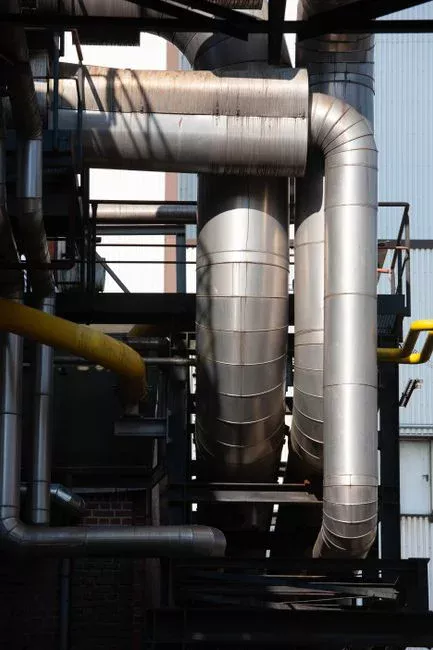
Federal categorical pretreatment standards under 40 CFR 433 cap total nickel and total cobalt at 1.0 mg/L, but site-specific limits in Arizona's Salt, Gila, and Colorado River basins typically drop these ceilings to 0.2–0.5 mg/L (HydropureWater field data, 2026). Because the U.S. EPA has not promulgated a battery-manufacturing subcategory under 40 CFR 469 that explicitly addresses lithium-ion cell fabrication, municipal Publicly Owned Treatment Works (POTWs) and ADEQ regulate cathode coating and foil preparation under 40 CFR 433 metal finishing standards or through site-specific local limits.
AZPDES monitoring rules enforce strict operational thresholds: standard monitoring frequencies dictate monthly sampling for conventional pollutants and quarterly testing for heavy metals. A parameter operating above 80% of its permit limit over two consecutive quarters serves as the primary technical indicator that existing facility operations will breach compliance upon production ramp-up (HydropureWater field data, 2026). Diligence teams must audit 8 quarters of Discharge Monitoring Reports (DMRs) from EPA ECHO to identify hidden capacity constraints.
Chemical usage in cell manufacturing triggers heavy reporting burdens under EPCRA §313. Annual manufacturing or processing thresholds are set at 25,000 lbs for nickel, cobalt, and NMP, while routine usage thresholds sit at 10,000 lbs (EPA TRI guidance, 2026). Cathode coating operations using NMP solvent recovery systems easily clear these limits. Fluoride contamination resulting from lithium hexafluorophosphate (LiPF6) electrolyte hydrolysis presents an additional challenge, requiring dedicated precipitation pretreatment before stream combination.
When plant effluent is recycled rather than discharged, Arizona's reclaimed water standards under Ariz. Admin. Code § 18-11 establish strict performance classes. Directing process water toward secondary uses requires matching water quality to the appropriate statutory grade.
| Reclaimed Water Class | Turbidity Limit | E. coli Limit | Approved Industrial Applications |
|---|---|---|---|
| Class A+ | ≤2 NTU (24-hr avg); ≤5 NTU (single sample) | 0 organisms/100 mL (4 of 7 daily samples) | Closed-loop cooling towers, toilet flushing, fire protection |
| Class A | ≤2 NTU (24-hr avg); ≤5 NTU (single sample) | 0 organisms/100 mL (4 of 7 daily samples) | Commercial air conditioning, dust control, materials washing |
| Class B+ | Not specified | <200 organisms/100 mL (4 of 7 daily samples) | Soil compaction, concrete mixing, construction dust control |
| Class B | Not specified | <200 organisms/100 mL (4 of 7 daily samples) | Materials sieving, concrete mixing, restricted site washing |
Active Management Area Geography: Why ZLD Is the Design Basis, Not an Option
Arizona's Groundwater Code restricts new groundwater withdrawals across the Phoenix, Pinal, Prescott, Tucson, and Santa Cruz Active Management Areas (AMAs), forcing industrial facilities to adopt on-site reuse or Zero Liquid Discharge configurations (HydropureWater regulatory analysis, 2026). Within these geographic basins, obtaining new groundwater withdrawal permits for high-volume industrial production is virtually impossible. Consequently, plant water budgets act as absolute physical constraints on manufacturing capacity.
Municipal water reclamation trends highlight this regional shift. Scottsdale's advanced water purification facility routinely achieves an 85% feedwater recovery rate (Cronkite News, 2025-05), while Arizona's formalization of direct potable reuse regulations in March 2025 establishes a clear precedent for aggressive water recycling. For a CATL cathode-coating plant, surface discharge permits face severe receiving-stream assimilative capacity limitations, leaving internal purification and closed-loop recycling as the primary path for expansion.
Designing a treatment system for complete closed-loop recycling increases baseline capital expenditure by 1.5× to 2.5× compared to standard discharge systems (HydropureWater field data, 2026). However, this capital investment directly resolves AMA water withdrawal constraints and aligns facility operations with corporate decarbonization and water stewardship goals. Reviewing Arizona 2026 wastewater treatment CAPEX/OPEX benchmarks enables acquisition teams to model accurate life-cycle treatment costs prior to deal closing.
Treatment Train Comparison: NMP Recovery, Metal Removal, and ZLD Pathways
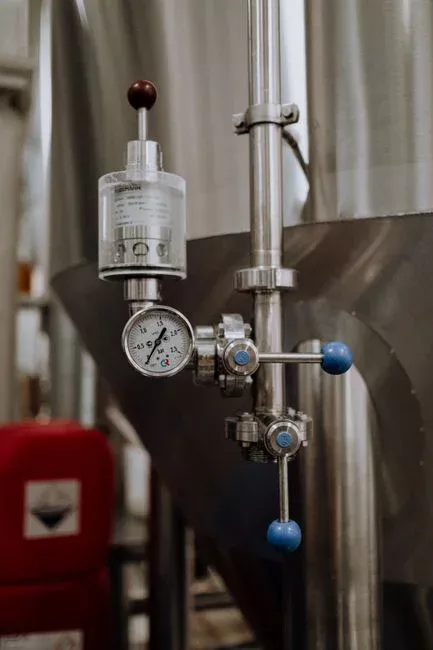
A complete 1,500 m³/day battery manufacturing wastewater treatment system requires a 7-stage configuration incorporating physical, chemical, biological, and membrane treatment steps (HydropureWater technical specification, 2026). Sizing each process unit against specific contaminant streams prevents capital misallocation and protects downstream treatment stages from premature fouling.
- Stage 1: Equalization (EQ): Provides 6 to 12 hours of hydraulic and mass-load equalization. Automated PLC dosing adjusts raw influent pH to 6.5–7.5 to prevent chemical shock loading downstream (HydropureWater technical specification, 2026).
- Stage 2: Dissolved Air Flotation (DAF): Scaled for 4 to 300 m³/h throughput using a specialized Dissolved Air Flotation (DAF) System to achieve 80–95% removal of free oils, greases, and suspended solids from equipment maintenance and body-prep streams (HydropureWater technical specification, 2026).
- Stage 3: Coagulation & Lamella Clarification: Operates at a 20–40 m/h surface hydraulic loading rate using a High-Efficiency Sedimentation Tank (Lamella Clarifier). Chemical addition raises pH to 9.0–10.0, precipitating dissolved nickel, cobalt, and manganese as metal hydroxide solids (HydropureWater technical specification, 2026).
- Stage 4: NMP Vacuum Distillation: Dedicated solvent recovery unit situated directly at the cathode-coating line. Captures and purifies NMP for internal manufacturing re-use, removing solvent load from main process drains.
- Stage 5: Membrane Bioreactor (MBR): Utilizes submerged PVDF hollow-fiber membranes capable of handling peak hydraulic surges up to 5,000 m³/day. An MBR membrane bioreactor system for near-reuse-quality effluent maintains mixed liquor suspended solids (MLSS) between 8,000 and 12,000 mg/L, producing permeate with turbidity below 1.0 NTU (HydropureWater technical specification, 2026).
- Stage 6: Two-Pass Reverse Osmosis (RO): Deploys a two-pass industrial RO polishing train for cooling-tower makeup, reducing permeate electrical conductivity below 50 µS/cm while generating a 15–30% reject stream (HydropureWater technical specification, 2026). RO treatment of industrial blowdown can reduce facility freshwater intake by up to 75% while adding $1.50 to $2.50 per cubic meter in operational expense (HydropureWater planning data, 2026).
- Stage 7: Final Disinfection: Utilizes a Chlorine Dioxide (ClO₂) Generator or ultraviolet system to eliminate biological growth prior to sending reclaimed water to cooling towers or process rinse tanks.
Handling metal-bearing chemical sludge requires a dedicated dewatering circuit. Sizing a heavy-duty Plate and Frame Filter Press for Sludge Dewatering isolates toxic metal cakes for regulated off-site disposal, preventing hazardous solids from recycling through the liquid treatment train.
| Operating Scenario | Included Equipment Stages | CAPEX Multiplier | Primary Technical Advantage |
|---|---|---|---|
| Outsourced Cathode Coating | Stages 1–3, 5–7 (No NMP distillation, no evaporator) | 1.0× (Base Train) | Lowest initial CAPEX; eliminates NMP solvent handling |
| In-House Coating (Standard Discharge) | Stages 1–7 (Includes NMP vacuum distillation) | 1.3×–1.5× Base | Recovers high-value NMP solvent; meets POTW limits |
| Full ZLD Configuration | Stages 1–7 + Brine Concentrator & Crystallizer | 1.5×–2.5× Base | Zero liquid discharge; eliminates AMA withdrawal issues |
Due-Diligence Checklist: Converting Regulatory Exposure into Line-Item CAPEX
Counting headworks equalization-basin influent channels during an initial site walk provides an immediate indicator of segregation integrity, where a single channel dictates substantial Phase 1 piping retrofits (HydropureWater field data, 2026). A single inlet channel reveals that heavy-metal rinses, solvent washdowns, sanitary waste, and cooling blowdown co-mingle before primary treatment. Installing new trenching and segregated header piping represents one of the single largest unbudgeted expenses in plant retrofits. Conversely, observing five or more isolated inlet channels with dedicated isolation valves indicates that previous site operators maintained process stream segregation.
Engineering leads must construct a dynamic mass and water balance model based on CATL's target production schedule rather than relying on historical utility bills from the seller (HydropureWater diligence framework, 2026). Segregating legacy industrial process contaminants—such as heavy metals, complex organics, and fluorides—from high-volume cooling tower blowdown prevents over-sizing complex chemical treatment trains. Combining thermal, high-TDS cooling streams with toxic process rinses forces the entire plant wastewater volume through costly advanced treatment stages.
Acquisition teams should evaluate existing equipment assets against explicit operational benchmarks rather than assuming functional usability. Reviewing the CATL Texas acquisition wastewater due-diligence framework provides a structured methodology for evaluating asset liabilities. Operating any biological or mechanical treatment train above 85% of its original design capacity introduces severe operational compliance risks (HydropureWater field data, 2026).
- DMR & Permit Audit: Pull 8 quarters of EPA ECHO discharge monitoring reports; flag any parameter exceeding 80% of permitted ceilings over two consecutive quarters (HydropureWater field data, 2026).
- TRI History Verification: Review 5 years of EPA TRI Form R filings for nickel, cobalt, and NMP to confirm reported mass balances match physical plant throughput.
- APP Database Inspection: Query ADEQ's independent APP database for unclosed Notices of Violation (NOVs), pending Agreed Orders, or historical drywell contamination files.
- Headworks Integrity Check: Inspect the primary equalization basin. Confirm whether process streams (metal rinse, solvent, blowdown) enter through isolated channels.
- Water Balance Modeling: Calculate peak and continuous flow requirements using CATL's proposed electrode production lines rather than seller operating forecasts.
- Treatment Capacity Stress Test: Verify MLSS levels (target 8,000–12,000 mg/L for MBR), Sludge Volume Index (SVI), dissolved oxygen delivery, SCADA historian data, and online analyzer calibration records.
- Transaction Allocation Protections: Establish environmental indemnity caps between 15% and 25% of purchase price with a 5-to-7-year survival period, backed by a dedicated remediation escrow set at 1.5× estimated remediation cost (ABA M&A Study 2023).
Frequently Asked Questions
What is the total Phase 1 wastewater CAPEX range for a 1,500 m³/day CATL cathode-coating facility in an Arizona AMA?
A standard baseline treatment train consisting of DAF solids removal, MBR biological treatment, and two-pass RO membrane polishing requires a capital investment between $7 million and $12 million (HydropureWater budget data, 2026). Adding dedicated NMP solvent vacuum distillation at the cathode line adds approximately $2 million to $4 million in specialized recovery equipment. If local groundwater withdrawal restrictions in an Active Management Area necessitate a full Zero Liquid Discharge system, adding thermal brine concentrators and evaporative crystallizers requires an additional $5 million to $10 million in equipment CAPEX.
Which categorical pretreatment standard applies to lithium-ion battery electrode coating — 40 CFR 433 or 40 CFR 469?
Because the U.S. EPA has not promulgated a specific battery-manufacturing subcategory under 40 CFR 469 for lithium-ion cell fabrication, municipal sewer authorities and ADEQ regulate electrode foil coating under 40 CFR 433 metal finishing standards (HydropureWater regulatory analysis, 2026). Facilities discharging indirectly to a POTW must comply with federal 40 CFR 433 metal limits—specifically total nickel and total cobalt capped at 1.0 mg/L—unless local municipal limits establish tighter ceilings. Buyers must request formal written classification from the local receiving POTW during pre-closing diligence.
How does the 30-day AZPDES/APP filing deadline interact with a closing that occurs between January and June?
The 30-day administrative permit transfer deadline for AZPDES and APP permits begins strictly on the date of deed recording, irrespective of closing announcements (ARS Title 49 Ch. 2). When a transaction closes between January and June, this 30-day window runs parallel to the annual July 1 EPCRA §313 Form R reporting deadline. Because successor liability attaches to historical non-filing of toxic release inventories, the deal team must audit prior-year chemical usage during the 60-to-90-day LOI window and prepare parallel agency filings prior to deed transfer.
Can CATL use reclaimed municipal water (Class A+) for cooling-tower makeup to reduce freshwater withdrawal in an AMA?
Yes, industrial facilities within Arizona Active Management Areas routinely utilize Class A+ reclaimed water for closed-loop evaporative cooling towers to preserve high-purity groundwater allocations (Ariz. Admin. Code § 18-11). To utilize Class A+ reclaimed effluent legally, the water source must meet strict quality standards: turbidity must remain ≤2 NTU on a 24-hour average, E. coli must measure 0 organisms/100 mL in four of seven daily samples, total nitrogen must remain below 10 mg/L, and monthly testing must show no detectable enteric virus (Ariz. Admin. Code § 18-11). Utilizing Class A+ water requires executing a formal utility supply agreement and constructing dedicated dual-distribution piping.