
What Decides MBR vs CAS at a Dunlap Mining Site
For a mining or metals site near Dunlap, MBR is the stronger candidate when flow is below roughly 2,000 m³/day, available footprint is under about 500 m², and reuse or zero-liquid-discharge value is material. Conventional activated sludge remains the likely economic choice for large dilute flows above roughly 5,000 m³/day, electricity below roughly $0.07/kWh, no reuse driver, or an existing aeration basin with more than 20 years of useful life. These are screening rules from HydropureWater’s 2026 comparison, not Dunlap permit conditions or final design criteria. Confirm local flow, power price, footprint, discharge point, reuse demand, and permit language before awarding equipment.
Build the decision in four layers: permit, influent, process resilience, and lifecycle economics. A defensible award may be a full MBR, retained or new conventional activated sludge, or a hybrid that keeps CAS for bulk treatment and uses MBR only for polishing or the reuse stream. The MBR wastewater cost and selection guide provides the screening basis, but site testing and the current NPDES permit remain controlling.
At Dunlap, a low-cost reuse claim is not useful without identifying the receiving process and water-quality target. A power tariff below roughly $0.07/kWh weakens the MBR operating-cost case, while a sound aeration basin changes the capital comparison. Conversely, a constrained site with a valuable reuse stream can justify MBR even where flow is not the largest variable. Record each input and its source in the procurement evaluation rather than averaging unlike thresholds into a single score.
Compare the Treatment Mechanisms
Conventional activated sludge separates solids by gravity, while MBR separates them through a membrane, making settling behavior a critical difference for mining influent. The HydropureWater comparison dated 2026 describes CAS as an aeration basin followed by a secondary clarifier, normally operating at 2,000–4,000 mg/L MLSS. It describes MBR as activated sludge combined with submerged PVDF membrane filtration at 8,000–12,000 mg/L MLSS for mining service, with operation sometimes reaching 15,000 mg/L. These are source-specific comparison values, not universal design defaults.
Mining influents can disrupt the floc-and-settle step: the cited 2026 comparison identifies BOD/COD ratios below 0.3, sulfate above 1,000 mg/L, TDS above 5,000 mg/L in affected arid districts, and hardness in the thousands of mg/L as CaCO₃. Shock metal loads can make that more difficult still. HydropureWater field data from 2026 report a 30–60% CAS removal-efficiency loss during the 24–72 hours following a metal pulse; this is not a universal performance guarantee.
| Parameter | Conventional activated sludge | MBR |
|---|---|---|
| Separation mechanism | Gravity settling in a secondary clarifier | Physical retention by submerged membrane |
| MLSS in the cited comparison | 2,000–4,000 mg/L | 8,000–12,000 mg/L; up to 15,000 mg/L |
| Metal-pulse response | 30–60% removal-efficiency loss for 24–72 hours in HydropureWater field data, 2026 | Biomass remains in the reactor; actual response requires site testing |
| EPA MBR Fact Sheet results | Not applicable | 0.01–1.31 NTU turbidity and 0.10–0.72 mg/L ammonia-N at the cited facilities |
| Primary limitation | Clarifier settling and biomass condition | Fouling, pretreatment, aeration, and membrane replacement |
The EPA MBR Fact Sheet values are facility-based results, not guaranteed Dunlap effluent limits. MBR generally provides more stable solids separation, but metals captured in biological floc still have to be removed and managed as sludge.
Protect the Membrane Before Biological Treatment
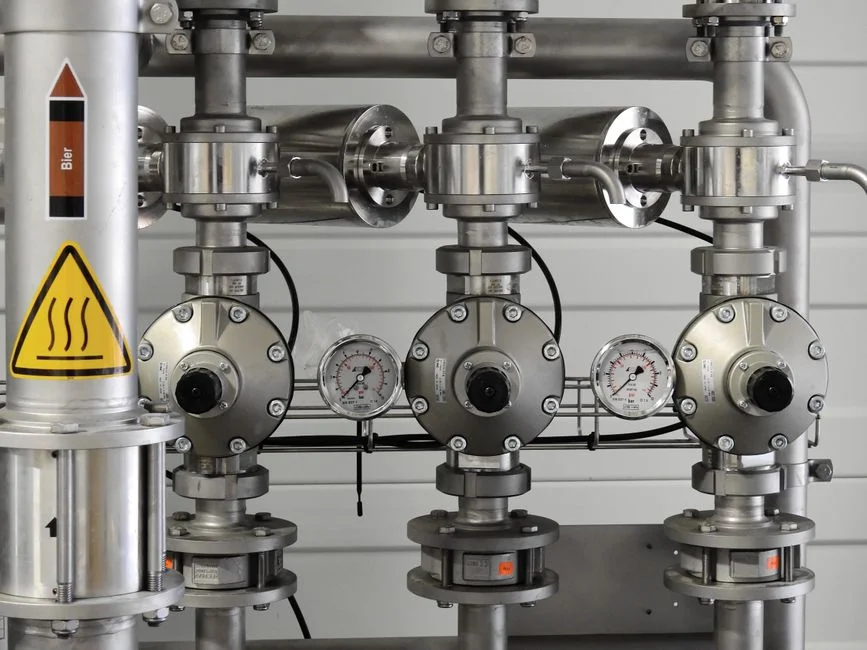
A credible MBR proposal must include upstream treatment because neither biological process makes membrane protection unnecessary. The cited 2026 mining train is metal precipitation and pH adjustment, equalization, fine screening, biological treatment with MBR membranes, and optional UV or RO polishing where reuse requires it. For CAS, the source discussion cites precipitation at pH 8.5–9.5; for the MBR train, pretreatment pH is 6.5–7.5. Those operating windows require confirmation against the selected chemistry and equipment.
Fine screening is a module-specific procurement requirement: the supplied comparison specifies 1–2 mm for hollow-fiber configurations and 2–3 mm for flat-plate modules. A GX-series rotary mechanical bar screen can form part of that headworks package. Lime, caustic, or coagulant should be applied through an automatic chemical dosing system, with control linked to flow and pH rather than manual batch additions.
| Protection layer | Buyer requirement | Procurement evidence |
|---|---|---|
| Heavy-metals precipitation | Remove regulated metals before biological treatment | Jar tests, chemical demand, residual metals and sludge-generation data |
| pH control | Hold the selected process operating range | Automatic dosing controls, probes, calibration and chemical storage |
| Fine screening | Use the manufacturer’s cutoff for the selected module format | 1–2 mm hollow-fiber or 2–3 mm flat-plate screening in the 2026 comparison |
| Equalization | Absorb flow, pH and toxicity variation | Calculated volume in hours of average flow and verified peak capacity |
| Oil and floatables | Remove material that can foul screens and membranes | Oil-and-greene characterization; DAF scope where justified |
| Abrasion and scale control | Reduce solids loading and assess hardness-related scaling | Turbidity, TSS, hardness, sulfate, TDS and membrane-cleaning protocol |
A DAF machine may be appropriate for oil-laden or high-turbidity feed, but the need must be demonstrated. Equalization, abrasion control, and review of scale formation are lifecycle-cost issues because chemical cleaning, membrane aeration, and eventual replacement are driven by the quality of water entering the modules.
Read the Dunlap Permit and Reuse Requirements
Federal applicability and site compliance are separate questions: 40 CFR Part 440 is the cited federal framework for Ore Mining and Dressing, including daily-maximum and monthly-average limits for arsenic, lead, zinc, copper, nickel, and cadmium. The procurement file must include the current NPDES permit and any state or discharge-point overlays. Do not assign a local selenium, sulfate, or other limit without that permit language.
MBR’s advantage is improved TSS and turbidity separation. It does not remove the requirement to precipitate regulated metals upstream, and it does not by itself satisfy reuse specifications. MBR permeate is filtration output; the required polishing depends on the end use. An industrial RO water purification system may be needed for dissolved-solids control, while a UV sterilizer addresses disinfection requirements where applicable.
The reuse boundary changes both pretreatment and capital cost. A discharge to a POTW may support a conventional treatment train, while surface-water, aquifer, reuse, or zero-liquid-discharge requirements can add metal removal, polishing, and tighter process control. HydropureWater’s 2026 comparison uses approximately $2/m³ for make-up water as a threshold where reuse value can support a 4–6 year payback on the MBR capital premium. Confirm the actual water price, disposal cost, recovery rate, and water-quality specification rather than treating that threshold as a quotation.
For the permit review, ask the permit writer to distinguish biological solids removal from metals precipitation, identify averaging periods and monitoring points, and identify whether the reuse plan changes discharge obligations. That prevents a cleaner-looking biological effluent from being credited for performance it does not provide.
Compare Footprint, Capital Cost, and Operating Cost
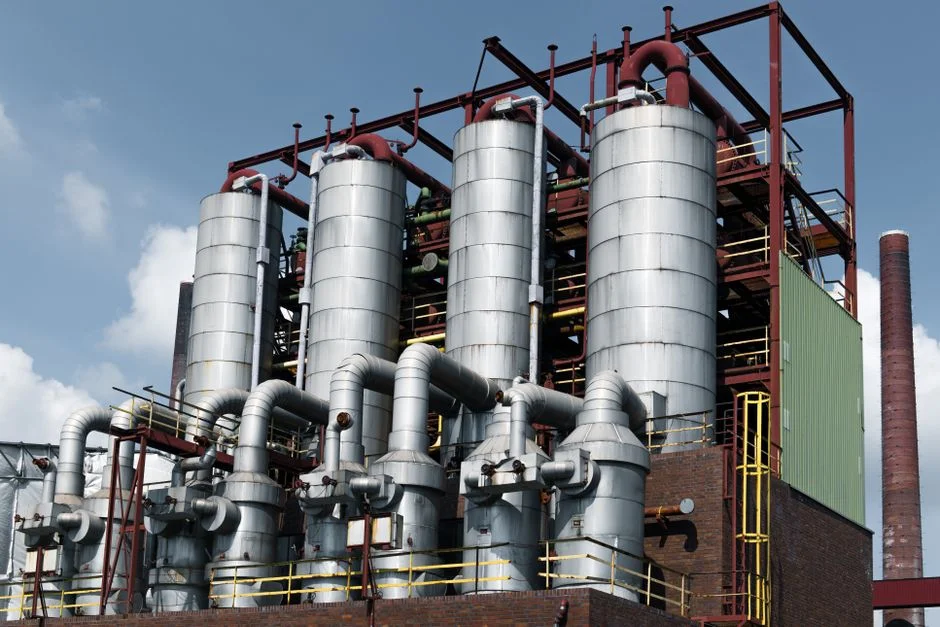
The footprint advantage is credible but must be matched to the selected scope. The HydropureWater verified product catalog states that its integrated submerged-PVDF MBR system occupies about 60% less footprint than a conventional system and is suitable for 10–2,000 m³/day applications. The reduction occurs because membrane modules replace the secondary clarifier and conventional sand-filter train; site grading, equalization, chemical storage, sludge handling, and access requirements still occupy area.
| Planning item | Supplied scope | Procurement treatment |
|---|---|---|
| Installed footprint | About 60% less than a conventional system in the HydropureWater verified product catalog | Obtain a scaled general-arrangement drawing and usable plot area |
| Capital premium | Approximately 20–40% above equivalent-flow CAS for the cited 1,000 m³/day case | Request site-specific installed bids with identical design bases |
| Operating premium | Approximately 15–30% higher per m³ for the cited 1,000 m³/day case | Model actual power, chemicals, cleaning labor and membrane replacement |
| Sludge dewatering | 25–35% dry solids is the source-specific plate-and-frame recommendation | Verify solids characterization and dewatering performance |
The capital premium is attributed to membranes, fine screens, permeate pumps, PLC controls, and the associated scope. The operating premium is attributed to scour aeration, chemical cleaning, and membrane replacement over the comparison horizon. Require separate pricing for membranes, screens, permeate pumps, PLC, CIP equipment, cleaning chemicals, replacement membrane area and price, and sludge handling.
Power price and water value can reverse the result. HydropureWater’s 2026 screening guidance distinguishes electricity below roughly $0.07/kWh from higher-cost sites. Do not convert directional percentages into a project total without vendor quotations. For sludge, the source recommends a plate-and-frame filter press for MBR waste sludge at 25–35% dry solids; that is a design recommendation, not a guaranteed field result.
Use a Three-Option Procurement Decision
Award full MBR only where the site constraints and reuse value align, award CAS where bulk treatment remains economical, and use a hybrid where only the reuse stream needs membrane-quality water. The documented rationale should connect each award to permit obligations, verified influent behavior, process resilience and lifecycle economics rather than to equipment availability.
| Option | Award when | Required conditions |
|---|---|---|
| Option A: Full MBR | Flow is below roughly 2,000 m³/day, footprint is under roughly 500 m², and reuse or ZLD value is material | Metal precipitation, screening, equalization and membrane-fouling controls are engineered and verified |
| Option B: CAS | Flow is large and dilute, power is inexpensive, no reuse driver exists, or a sound aeration basin has more than 20 years of useful life | Clarifier settling, sludge handling and permit compliance are demonstrated under site conditions |
| Option C: Hybrid | CAS can remain for bulk treatment while a smaller MBR polishes the reuse stream | Hydraulic and quality boundaries are defined without double-counting capacity or treatment |
Require seven common inputs from every bidder: design flow, a seven-day composite influent characterization, equalization hours, required effluent and reuse targets, footprint, power and water costs, and current permit limits. Bidders should state membrane material, nominal pore size, screening specification, operating MLSS and SRT, CIP chemicals and frequency, replacement-membrane pricing, warranty, controls, commissioning support, and sludge-dewatering expectations.
Use the cited 60–90 day pilot with actual feed as the validation step before final equipment award. The pilot must expose the proposed module to startup conditions, representative metal pulses and relevant flow variability. For module selection, the source identifies a 0.1 μm DF-series flat-sheet membrane module as a current flat-sheet format suitable for evaluation.
Specify, Pilot, and Verify Before Purchase
Start with a seven-day composite influent sample and test pH, metals, hardness, sulfate, TDS, organics, toxicity, oil and grease, TSS, and flow variability. These data determine chemical demand, equalization needs, biological suitability and whether the membrane receives a stable feed. A single grab sample cannot characterize intermittent mining upsets.
- Calculate equalization volume in hours of average flow, then verify membrane and pumping headroom against the design peak.
- Select screening and pretreatment from the actual influent characterization and the module manufacturer’s limits.
- Pilot the proposed configuration on site for 60–90 days, recording startups, flux decline, cleaning cycles, chemical consumption and representative upsets.
- Require the supplier to provide membrane warranty length and a 10-year membrane-replacement cost expressed per square meter of membrane area.
- Reconcile pilot results, the current permit, final equipment proposal and site-specific lifecycle model before award.
The pilot should validate, not merely demonstrate, the performance claimed by the supplier. Include membrane cleaning frequency and chemical demand, stable operation during representative variations, metal removal attributable to the complete pretreatment train, and sludge handling. A clean effluent sample collected under ideal conditions is not enough to prove resilience. The final decision should remain conditional on verified site data and an enforceable performance basis in the purchase documents.
Frequently Asked Questions
How much more does an MBR cost than conventional activated sludge?
For the cited 1,000 m³/day planning case, HydropureWater’s 2026 comparison places MBR capital cost approximately 20–40% above equivalent-flow CAS and operating cost approximately 15–30% higher per m³. These are planning premiums, not quotations. Request installed bids with the same flow, effluent targets, pretreatment, sludge handling and controls scope, then model site power, water value, chemicals, labor and replacement membranes.
What information is required before sizing an MBR for a Dunlap mine?
Provide design and peak flow, water-quality characterization, reuse targets, available footprint, equalization data and the selected module’s screening requirements. For a mining service, include metals, hardness, sulfate, TDS, organics, toxicity, oil and grease, TSS and observed variability. The screening thresholds used for initial comparison—below roughly 2,000 m³/day and under roughly 500 m²—do not determine equipment size without this site data.
How should a membrane supplier be selected?
Ask each bidder to document module format, membrane material, nominal pore size, operating MLSS and SRT, pretreatment limits, flux behavior, CIP protocol, warranty, controls, replacement-membrane pricing, commissioning support and sludge-dewatering expectations. Then compare the supplied technical basis and lifecycle model on the same terms. The MBR wastewater cost and selection guide can support the review, but the award should rest on site testing and the final permit.
Does MBR eliminate heavy-metals pretreatment and permit obligations?
No. HydropureWater’s 2026 comparison identifies 40 CFR Part 440 as the federal Ore Mining and Dressing framework and states that both MBR and CAS require upstream precipitation for arsenic, lead, zinc, copper, nickel, and cadmium. MBR improves solids separation but does not replace metals precipitation. The current NPDES permit and applicable state or discharge-point conditions determine the final compliance basis.
What should a 60–90 day MBR pilot prove?
The cited 60–90 day pilot should use actual Dunlap-area feed to validate startup, flux behavior, cleaning cycles, chemical consumption, stable effluent quality and response to representative upsets. It should also confirm that the proposed precipitation and screening train protects the membrane and that sludge handling meets the project basis. The pilot is not a substitute for permit review or final site-specific engineering.