Define the Treatment Duty Before Choosing Equipment
An effluent treatment plant in Yaounde should be selected from the wastewater’s actual contaminant profile, required discharge or reuse standard, available footprint and long-term operating capability—not from capacity alone. A practical train commonly begins with screening or solids removal, followed by biological treatment, clarification and disinfection. A package A/O plant can serve decentralized sewage, while an MBR supports higher-quality reuse and DAF can pretreat oil-, grease- and solids-heavy industrial flows. Advanced polishing may be required when reuse is the objective. University of Twente research identifies nanofiltration as a way to polish WWTP effluent to EU Water Framework Directive standards for agricultural or indirect potable use, while Wageningen research evaluates constructed wetlands for micropollutant removal.
The treatment duty must be written before equipment is quoted. Separate domestic sewage, decentralized community sewage, industrial process water and mixed discharges because each has different hydraulic, biological and pretreatment requirements. A hotel, hospital or factory should not be treated as equivalent to a residential community merely because they occupy similar sites.
Request a representative wastewater analysis covering flow, COD, BOD5, TSS, pH, nutrients, oil and grease, temperature and sector-specific contaminants. Define the sampling period, production or occupancy schedule and operating envelope. For industrial sites, record peak flow, batch dumping, shock loads and whether toxic or high-concentration streams enter the sewer. A packaged biological unit should not be assumed to absorb an uncontrolled variable industrial load without equalization and appropriate pretreatment.
State the intended route of discharge or reuse before selecting a process. A sewer connection, surface-water discharge, agricultural reuse, industrial reuse or potable-related application imposes different treatment objectives. The receiving environment, sewer acceptance conditions and end-use requirements should be confirmed with the relevant Cameroon and local authorities.
Local reuse research supports the need for this assessment. Endamana, Kengne and Nya (2003) examined wastewater reuse for urban and periurban agriculture in Yaoundé, Cameroon, identifying opportunities and constraints. That study demonstrates local relevance, but it is not a current numerical reuse or discharge standard. The regional effluent treatment buyer’s guide and West African effluent treatment planning guide provide useful procurement context, but applicable Yaounde requirements still require project-specific confirmation.
Build the Treatment Train Around the Contaminants
A treatment train should follow the contaminant barriers in sequence: headworks and equalization, physical removal, biological treatment, secondary clarification, disinfection and sludge handling. Stages must be added or omitted according to the wastewater analysis rather than treating a standard package as universal.
- Screening and equalization: Remove gross material and damp flow and concentration variation before biological equipment.
- Primary or physical removal: Recover suspended solids, oil, grease or other material that could obstruct downstream processes.
- Biological treatment: Reduce biodegradable organics, and address nutrients where required by the treatment duty.
- Clarification: Separate biological solids before disinfection or membrane filtration.
- Advanced treatment: Add polishing only where the reuse objective requires it.
- Disinfection and sludge handling: Protect the reuse or discharge route and provide a defined route for residuals.
DAF is appropriate where oil, grease, suspended solids or colloidal material could overload biological treatment. The supplied DAF range is 4–300 m³/h across 13 standard models, but the correct operating point must still be selected from the analysis and flow profile. A DAF industrial pretreatment machine is a pretreatment choice, not a substitute for biological treatment.
For decentralized sewage, a buried A/O package sewage treatment plant can suit sites prioritizing simplicity and limited surface occupation. The supplied WSZ specification combines anoxic and aerobic contact oxidation, sedimentation and disinfection, handles 1–80 m³/h and can be installed below grade.
Where compact installation, reduced downstream solids separation or higher-quality reuse is important, evaluate an MBR membrane bioreactor. The supplied system uses submerged PVDF membrane filtration below 1 μm and covers 10–2,000 m³/day. A mechanical screen at the inlet can protect the membrane system; the supplied rotary mechanical bar screen should be assessed against the actual flow and debris load.
For more demanding reuse, membrane polishing should follow established biological treatment. Schrader’s University of Twente PhD thesis, Direct nanofiltration of wastewater treatment plant effluent (DOI 10.3990/1.9789036523325), describes direct nanofiltration as a potential method for polishing WWTP effluent to EU Water Framework Directive standards for agricultural or indirect potable use. This is foreign-jurisdiction evidence, not a universal Yaounde requirement.
Constructed wetlands may be considered where land, climate and site conditions support them. Wageningen University’s 2022 thesis, DOI 10.18174/575408, specifically investigated their removal of micropollutants from WWTP effluent.
Hospital wastewater requires a distinct design basis. A study of Mohammed VI University Hospital in Marrakech sampled effluent every 15 days from October 2022 to January 2023 and reported average COD of 750 mg/L, BOD5 of 512.14 mg/L, TSS of 879.86 mg/L and fecal coliforms up to 12 × 106 CFU/100 mL. Environmental Research and Technology reported these values in 2026 and discussed activated sludge, SBR, MBR, anaerobic digestion and advanced oxidation. The figures are Moroccan hospital evidence, not assumed conditions for a Yaounde hospital.
| Process role | Evidence-supported option | Procurement focus |
|---|---|---|
| Decentralized sewage | WSZ buried A/O package; 1–80 m³/h | Peak flow, below-grade installation, access and integrated solids handling |
| Compact biological treatment or reuse | MBR with submerged PVDF filtration below 1 μm; 10–2,000 m³/day | Loading, membrane maintenance, recovery and operating complexity |
| Oily or solids-heavy pretreatment | DAF; 4–300 m³/h across 13 standard models | Oil and grease removal, equalization and downstream biological compatibility |
| Advanced reuse polishing | Nanofiltration after biological treatment | Target water quality, pretreatment, recovery, fouling and residual disposal |
Compare Package, MBR and Pretreatment Options
The buried A/O package, MBR and DAF are not interchangeable products: one is a sewage treatment architecture, one is a biological treatment system with membrane separation, and one is an industrial pretreatment unit. A complete project may require several of these equipment types.
For a residential community, hotel, hospital or rural site, the WSZ package is relevant when its stated 1–80 m³/h envelope covers the design flow and below-grade installation suits the site. Its integrated treatment sequence can simplify decentralized sewage applications, but the tender must define sludge withdrawal, access, controls and the effect of peak hydraulic or organic loading.
For industrial process-water reuse or a constrained site, the MBR option becomes relevant when its 10–2,000 m³/day range, filtration below 1 μm and stated 60% footprint reduction align with project requirements. The comparison must also account for membrane cleaning, recovery, replacement conditions, standby strategy and operator competence. The footprint statement is a supplied equipment specification, not evidence of a site-specific saving in Yaounde.
For oily, grease-heavy or solids-rich industrial wastewater, DAF is a pretreatment choice rather than a substitute for biological treatment. The supplied range of 4–300 m³/h should be checked against peak flow, contaminant loading and equalization. If the reuse objective is demanding, evaluate membrane polishing after established biological treatment. University of Twente evidence supports nanofiltration as an option, but it does not establish a universal Yaounde reuse standard.
| Criterion | WSZ buried A/O package | MBR system | DAF pretreatment |
|---|---|---|---|
| Primary role | Decentralized sewage treatment | Biological treatment with membrane solids separation | Physical removal of oil, grease, suspended and colloidal material |
| Supplied capacity range | 1–80 m³/h | 10–2,000 m³/day | 4–300 m³/h across 13 standard models |
| Footprint | Designed for below-grade installation | Compact installation; supplier states 60% footprint reduction | Requires site-specific civil and pretreatment integration |
| Automation and maintenance | Define automated operation, access, aeration and sludge withdrawal in the tender | Define membrane cleaning, recovery, monitoring and replacement conditions | Define solids removal, chemical conditioning and performance verification |
| Sludge | Clarify withdrawal, thickening and disposal scope | Clarify biological sludge handling and membrane residuals | Recovered float sludge requires a disposal route |
| Reuse potential | Depends on confirmed effluent criteria and any added polishing | Relevant to higher-quality reuse; polishing may still be required | Does not by itself provide a complete reuse treatment train |
Do not compare bids on purchase price alone. Automatic controls, duty/standby arrangements, remote monitoring, maintenance access, operator training, power requirements and guaranteed process performance should be common commercial criteria. Where disinfection is required, assess the UV sterilizer and chlorine dioxide generator against the receiving environment, reuse application, chemistry, maintenance and monitoring requirements.
Size the Plant from Site Data
Plant capacity must be demonstrated from both hydraulic and contaminant-loading data. Build the hydraulic basis from current and forecast peak flows, minimum flows, backwash or equalization requirements, and the manufacturer’s stated operating envelope. Compare the candidate WSZ capacity of 1–80 m³/h against peak flow and required pretreatment. Compare the MBR capacity of 10–2,000 m³/day against daily wastewater generation, recovery needs and maintenance outages.
Flow alone does not establish biological capacity. The hospital-effluent study reported COD of 750 mg/L, BOD5 of 512.14 mg/L, TSS of 879.86 mg/L and a COD/BOD5 ratio of 1.46. Environmental Research and Technology published those Moroccan measurements in 2026 from sampling conducted between October 2022 and January 2023. They are not design values for Yaounde, but they demonstrate why a representative analysis is needed before applying a generic organic loading rate.
The tender should require at least:
- Current and forecast flow records, including minimum, average and peak periods;
- Production schedules, operating shifts, batch discharges and catchment population;
- Representative laboratory analysis and its sampling method;
- Confirmed discharge route, reuse target and applicable permit conditions;
- Site geometry, soil and groundwater conditions, access and installation constraints;
- Power quality and available backup arrangements;
- Sludge withdrawal, storage, dewatering and final-disposal route;
- Water, chemical, labour and laboratory requirements.
These are missing design inputs until the buyer supplies project evidence. An automatic chemical dosing system should be specified from the selected process chemistry rather than added by default. A high-efficiency sedimentation tank and plate and frame filter press may be relevant where solids separation or sludge dewatering must be included.
Do not accept a guaranteed fit or effluent-quality guarantee until the supplier has reviewed the wastewater analysis, operating envelope and confirmed receiving or reuse criteria. Any guarantee should identify the parameter, sampling point, test method, load condition, frequency and remedy for non-compliance.
Plan Operation, Sludge and Effluent Risk
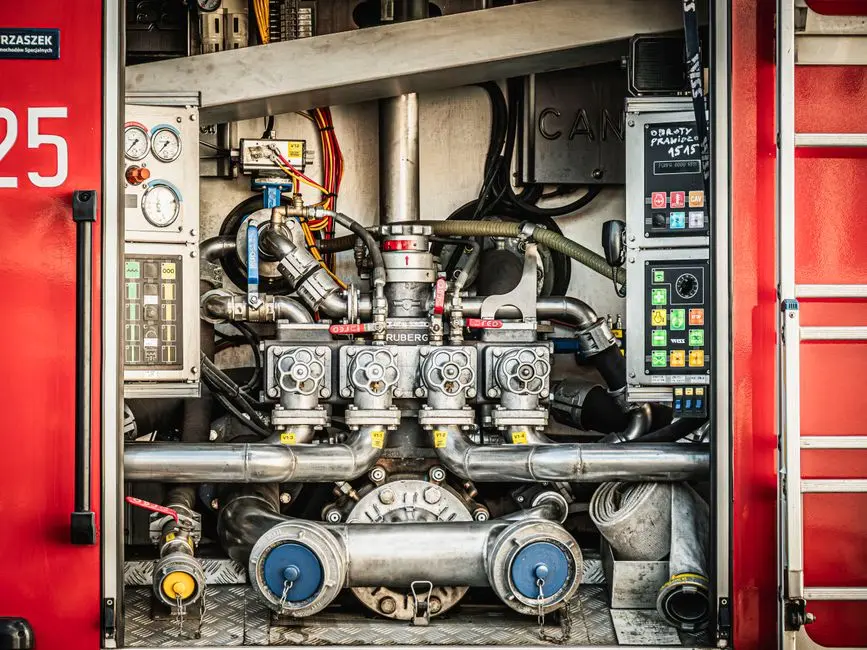
A purchased plant becomes an operating asset only when controls, monitoring, maintenance and residuals are defined. Include sampling points, flow measurement, aeration control, sludge removal, disinfection verification, alarms, power-failure response and routine laboratory checks in the scope of supply. Require operator training against the delivered control philosophy and a maintenance schedule that identifies consumables, membrane or media replacement conditions, and critical spares.
Plan sludge handling from the outset. Where the WSZ A/O package or a biological MBR is selected, clarify whether sludge withdrawal, thickening, dewatering and final disposal are included or separate. The supplied plate and frame filter press range is 1–500 m², with manual, hydraulic and fully automatic PLC-controlled operation. The appropriate configuration depends on sludge characteristics, moisture target, operating hours and disposal route; none is established by the area value alone.
For microbe-sensitive reuse or discharge, define the disinfection basis and monitoring plan. The hospital-effluent study recorded fecal coliforms up to 12 × 106 CFU/100 mL in Moroccan hospital wastewater. That result illustrates the consequence of omitting microbiological control, but it is not a Yaounde limit or site prediction. If reuse includes healthcare wastewater, evaluate the medical wastewater treatment system against the full characterization and infection-control requirements.
Compliance risk must be framed carefully. The supplied research references EU and national frameworks from other jurisdictions, but no current Yaounde-specific numerical discharge limit was provided. Confirm the applicable Cameroon requirements, local authority conditions, sewer acceptance rules, environmental permit and reuse criteria before freezing the design.
For an operating plant, the effluent TSS exceedance troubleshooting guide can help structure investigations into sampling, process imbalance and equipment performance. It should complement, not replace, site-specific operating procedures and verified permit criteria.
Prepare a Tender and Supplier Checklist
A comparable tender starts with a common process basis and requires each bidder to demonstrate how its configuration meets it. Require the bidder to state the design flow, treatment train, duty/standby configuration, process guarantees, control philosophy, footprint, utilities and commissioning tests. Make the design flow and operating envelope explicit so suppliers cannot substitute an unverified basis.
Request a complete equipment schedule, general arrangement drawing, process and instrumentation diagram, O&M manual, spare-parts list, training plan and performance-test protocol. Identify exclusions covering civil works, buildings, connections, power, chemicals, laboratory equipment, sludge disposal, membrane replacement and remote support.
Ask for chemical consumption, expected sludge volume, maintenance frequency, membrane or media replacement conditions and warranty boundaries. Clarify delivery, installation, commissioning, operator training, long-term spare-parts availability and response times before comparing prices.
Make compliance evidence project-specific. A bidder should demonstrate how the proposed configuration satisfies the confirmed discharge or reuse criteria under the submitted wastewater analysis and operating envelope. Generic certificates do not establish project compliance.
The domestic sewage treatment guide for Yamoussoukro and package treatment plant supplier checklist can support checklist development, but neither substitutes for verified Yaounde permit conditions or site data.
Frequently Asked Questions
How much should an effluent treatment plant in Yaounde cost?
The supplied research does not establish a credible local price range. Request a site-specific quotation showing the design flow, wastewater analysis, treatment objective, civil works, installation, controls, commissioning, sludge handling and O&M assumptions. Compare bids on the same scope; a lower equipment price can be outweighed by exclusions or additional polishing and disposal costs.
Should I choose a package sewage treatment plant or an MBR system in Yaounde?
Choose a package plant when decentralized sewage, simplicity and below-grade installation dominate and the stated WSZ range of 1–80 m³/h fits the design flow. Consider MBR when the stated 10–2,000 m³/day range, filtration below 1 μm, compact footprint or reuse objective justifies the additional mechanical and operational complexity.
What information should I give an effluent treatment supplier for sizing?
Provide peak and daily flows, a representative wastewater analysis, production or occupancy profile, discharge route, reuse target, site constraints, power availability, sludge route and applicable permit requirements. Also identify minimum flows, batch discharges and expected operating outages, because these determine equalization, redundancy and recovery.
Can industrial wastewater be treated with one generic effluent treatment plant?
No. Oily, solids-heavy and variable industrial flows require characterization, equalization and suitable pretreatment such as DAF before biological treatment or polishing. The DAF range of 4–300 m³/h identifies an equipment envelope, not proof that it will treat the industrial contaminant profile.
What proof should I request that the plant can meet the required effluent standard?
Require a project-specific process basis, guarantee criteria, test protocol and operating envelope tied to the submitted wastewater analysis and confirmed Yaounde requirements. The wastewater treatment plant supplier guide can inform supplier questioning, while the 2025 treatment plant cost breakdown should be used only for cost-structure context, not as a Yaounde price source.