Is an SBR suitable for enzyme manufacturing wastewater?
An industrial sequencing batch reactor can suit enzyme manufacturing wastewater when its flow and contaminants are biologically treatable, but it cannot replace product recovery or cleaning-chemical management. The process should normally combine equalization, screening, characterization for COD, BOD, nutrients, pH, salinity and toxicity, biological treatment, settling and downstream solids separation or polishing. The US EPA describes an SBR as a fill-and-draw activated-sludge system in which equalization, aeration and clarification occur in one reactor. In a 9.42 L aerobic granular SBR treating noodle-manufacturing wastewater, reported performance after two months was 92% COD, 83% total nitrogen and 75% total phosphorus removal. These results demonstrate biological potential in high-starch wastewater, not guaranteed performance for enzyme plants.
The central question is therefore whether the plant’s source-separated streams form a stable, biologically compatible wastewater envelope. That envelope depends on production pattern, biodegradable organic load, pH, nutrient balance, salinity, toxicity, temperature and the required effluent COD and TSS. The EPA identifies low or intermittent flow as conditions to which SBRs are particularly suited, making the technology relevant to batch enzyme operations. Intermittent flow alone, however, is not a sufficient basis for selection.
The noodle-manufacturing study treated high-starch wastewater from a village, not a documented enzyme-production effluent. Its performance cannot be transferred directly because enzyme formulations, detergents, sanitizers, residual substrates and batch-cleaning practices may change biodegradability, settling and microbial selection. This distinction should remain explicit in any SBR design for vegetable processing wastewater used as an engineering reference.
Before requesting a design, require a wastewater-specific biological treatability study. The EPA states that industrial wastewater treatability studies are typically needed to determine the optimum operating sequence. If that study exposes salinity or plant-specific toxicity beyond the selected biological population’s tolerance, use specialist controls or a different treatment route. For intermittent production, equalization and sequencing of two or more reactors may also be needed to preserve treatment continuity while one basin settles and draws.
Characterize the wastewater before selecting reactor capacity
Characterization must represent the production cycle rather than a single convenient sample, because batch dumps and cleaning events can determine whether a conventional SBR remains viable. Composite sampling should cover normal production, batch cleaning, CIP, laboratory wastewater and upset periods. The EPA lists design flow, maximum daily flow, BOD5, TSS, pH, alkalinity, temperature, TKN, ammonia nitrogen and total phosphorus among the influent information required for design; an enzyme-plant study should also resolve COD, total nitrogen, salinity and toxicity.
The comparable noodle-manufacturing wastewater contained COD of 2,500–3,500 mg/L, BOD5 of 1,700–2,000 mg/L, total nitrogen of 50–70 mg/L and total phosphorus of 25–30 mg/L, according to the Applied Sciences study published in 2018. Those values are not an enzyme-plant loading assumption. They provide a reference for checking whether the proposed reactor was sized around readily degradable starch rather than a more dilute, variable or inhibited effluent.
| Information to establish | Why it affects the SBR decision | Required evidence |
|---|---|---|
| Flow and batch sequence | Defines equalization and basin sequencing | Hourly flow records and composite samples across production and cleaning |
| COD and BOD5 | Establishes organic loading and biological demand | Representative laboratory analysis |
| TSS and settleability | Influences solids removal, sludge wasting and pretreatment | Settled-sludge observations and TSS data |
| Total nitrogen and phosphorus | Determines whether nutrient-removal phases are required | Influent concentrations and applicable effluent objectives |
| pH and alkalinity | Controls biological reaction conditions and chemical demand | Diurnal and batch-cycle measurements |
| Salinity and toxicity | Tests whether conventional biomass can process the wastewater | Salinity profile and inhibition assessment |
| Temperature | Affects biological reaction rates and seasonal capacity | Operating-temperature range |
Segregate streams containing unrecovered product, oils, sanitizers or concentrated cleaning chemicals. Product recovery should precede biological treatment wherever technically and commercially feasible. Floatable or emulsified material may require industrial DAF pretreatment, while high-salt or toxic streams may need separate collection rather than dilution.
Salinity is a hard boundary on generic biological assumptions. The Water Research study on hypersaline industrial wastewater states that organic waste containing salt above 3.5% is difficult to treat with conventional microorganisms; treatment without dilution requires specialized halophilic organisms. That finding does not establish a universal enzyme-plant limit, but it identifies salinity as a specialist-design condition.
The EPA also advises that primary clarifiers may be recommended before an SBR when TSS or BOD exceeds 400–500 mg/L, with historic data assessed case by case. That is a manufacturer-review threshold, not a presumption that every high-strength enzyme effluent needs a clarifier. Use the characterization data to decide whether equalization, screening, primary solids removal or all three are necessary.
Build a pretreatment and biological treatment train
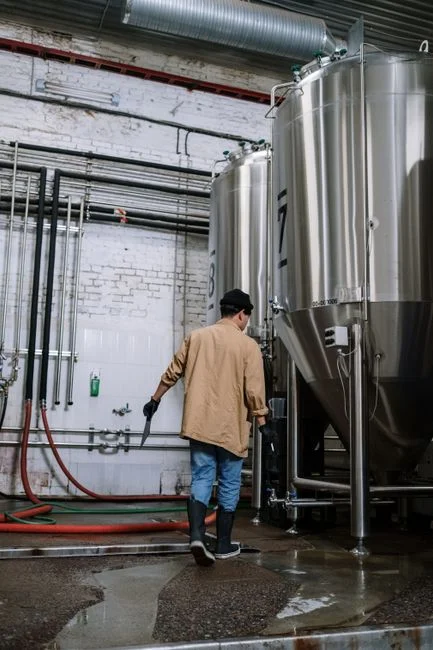
A defensible process train begins with source segregation, not the reactor. The sequence is product recovery, screening or solids removal, equalization, pH adjustment where necessary, DAF for appropriate oils or floatables, biological SBR treatment, clarification and decanting, then downstream solids separation or polishing. This arrangement protects biomass from solids accumulation, product loss, chemical shocks and excessive organic loading.
- Recover product and segregate streams. Keep recoverable enzyme-product losses, CIP chemicals, laboratory discharges and sanitary flows separate until their treatment requirements are known.
- Remove gross solids. Use screening and solids removal to prevent grit, biomass aggregates and insoluble formulation material from entering the SBR.
- Equalize hydraulic and organic loading. High-strength batch dumps and cleaning events should be metered into equalization rather than passed directly to a biological reactor.
- Remove floatables where applicable. DAF can remove suspended solids, oil and grease, FOG and suitable colloidal matter. It complements biological treatment rather than replacing it.
- Condition pH and nutrients where required. Chemical addition should address a defined water-chemistry imbalance; it does not correct toxicity or salinity.
- Treat and decant biologically. The SBR performs equalization, biological treatment and secondary clarification through its timed sequence.
- Polish downstream where required. Filtration or another solids-separation step may be needed before discharge, reuse or process-water integration.
| Process unit | Primary protection provided | Design question to resolve |
|---|---|---|
| Product recovery and segregation | Prevents loss of product and avoidable contaminant loading | Which production and cleaning streams contain recoverable material? |
| Screening or solids removal | Limits grit, insoluble solids and biomass carryover | What are the peak TSS and solids characteristics? |
| Equalization | Dampsen batch flow, COD and chemical shocks | What storage and controlled-feed rate are required? |
| DAF | Removes appropriate floatables, oils and colloidal matter | Are the contaminants recoverable and amenable to flotation? |
| pH adjustment | Keeps biological reactions within an operable range | What alkalinity and chemical consumption result? |
| Biological SBR | Removes biodegradable organics and, when configured, nutrients | Which cycle achieves the enforceable effluent objective? |
| Downstream separation | Provides the solids quality needed for discharge or reuse | Is filtration or polishing required? |
Equalization after the SBR may still be needed if a downstream filter cannot accept the batch discharge, and the EPA specifically notes that post-SBR equalization depends on the downstream process. An automatic chemical dosing system is relevant only where engineered pH correction or nutrient conditioning has been demonstrated through the treatability work.
Biological trials should test biodegradability, settleability and the effect of residual enzymes, detergents, solvents, salts or other formulation compounds on the selected microbial population. A reactor that removes COD from a laboratory bottle may still fail when full-strength cleaning events introduce substances that inhibit settling, nitrification or the organisms responsible for organic removal.
Design the SBR operating cycle around the treatment objective
The SBR cycle should be selected from the required treatment outcomes, not copied from another food-processing installation. The EPA identifies five basic steps: idle, fill, react, settle and draw. Fill mode changes the biological conditions and therefore the microbial selection. Static fill exposes biomass to a high substrate concentration; mixed fill can support anoxic or anaerobic reactions; aerated fill begins aerobic treatment during filling.
The react phase can then be sequenced to complete organic degradation, nitrification, denitrification or biological phosphorus removal. Nitrification is required when ammonia or TKN must be reduced, while total-nitrogen removal also requires denitrification. Phosphorus removal cannot be assumed from an SBR cycle without establishing the relevant biological conditions, wasting strategy and nutrient balance.
| Cycle stage | Primary function | Evaluation requirement |
|---|---|---|
| Idle | Allows variable waiting time, mixing and sludge wasting | Confirm whether this stage provides required equalization |
| Fill | Introduces influent and establishes the intended biological condition | Compare static, mixed and aerated fill against treatment goals |
| React | Completes organic removal and required biological nutrient transformations | Validate sequence, duration and oxygen demand |
| Settle | Separates biomass from treated supernatant | Verify settleability and sludge blanket behavior |
| Draw | Withdraws clarified effluent without disturbing settled sludge | Confirm decant depth, rate and sludge carryover control |
The EPA’s industrial illustration lists an F:M ratio of 0.15–0.6/day, a treatment-cycle duration of 4.0–24 hours and MLSS of 2,000–4,000 mg/L. These are example design criteria from the EPA fact sheet, not specifications for an enzyme plant. Final reactor volume, basin count, cycles per day, decant volume, aeration, sludge wasting and settling time must follow the characterized influent and enforceable effluent requirements.
Intermittent production requires explicit operating logic. The EPA notes that two or more batch reactors may be operated in a predetermined sequence, allowing one basin to continue treatment while another settles and draws. Controls must accommodate variable batch volumes, low-flow periods, missed production windows and cleaning discharges without allowing a batch dump to exceed biological capacity.
Dissolved oxygen and pH are essential monitored variables. The noodle-manufacturing SBR operated at approximately pH 6.5–7.0 and DO of 5 mg/L, according to the Applied Sciences study published in 2018. Those values belong to that experimental system and wastewater; enzyme-plant setpoints require confirmation through trial operation. The broader cycle logic should be reviewed alongside an SBR process design for sugar mill wastewater, without treating its food-processing basis of design as project-specific evidence.
Set realistic performance targets from comparable evidence

The strongest comparable evidence supports acclimation and biological potential, not a transferable performance guarantee. After two months, the aerobic granular SBR treating noodle-manufacturing wastewater achieved 92% COD removal, 83% total-nitrogen removal and 75% total-phosphorus removal, according to the Applied Sciences study published in 2018. The same study reported a stable organic loading rate of 7.4 kg COD/m³·day in a reactor volume of 9.42 L.
That evidence is useful for three questions: whether acclimated granular biomass can treat a concentrated organic wastewater, whether nutrient removal can develop over time, and whether settleable sludge can support effective clarification. It is not proof that an enzyme plant will achieve the same percentages. Wastewater composition, reactor scale, loading, acclimation, nutrient availability, temperature and operating control all affect the result.
| Evidence item | Reported result | Correct use in procurement |
|---|---|---|
| Noodle-manufacturing wastewater | COD 2,500–3,500 mg/L; BOD5 1,700–2,000 mg/L; TN 50–70 mg/L; TP 25–30 mg/L | Comparison for characterization, not an enzyme-plant basis |
| Experimental reactor | 9.42 L aerobic granular SBR | Evidence from a laboratory-scale system, not a commercial sizing rule |
| Stable organic loading | 7.4 kg COD/m³·day | A benchmark requiring site-specific validation |
| Performance after two months | 92% COD, 83% TN and 75% TP removal | Demonstration of biological potential and acclimation |
| Starch-related genes | 0.57% of total reads | Potential functional association, not guaranteed enzyme-plant performance |
The Applied Sciences study associated detected starch-hydrolyzing enzymes with potential improvement in starch-pollutant removal. That finding explains part of the biological mechanism in the noodle system; it does not establish the mechanism for removing residual substrates or cleaning chemicals in enzyme manufacturing effluent.
Acceptance criteria should therefore reference the applicable discharge permit, pretreatment agreement, reuse specification or negotiated contract. Where the target is effluent COD and TSS, specify the analytical method, sampling point, frequency and acceptance period. Percentage-removal guarantees alone can conceal differences in influent concentration or permit compliance.
Require any vendor to tie guarantees to the buyer’s wastewater, the selected reactor configuration and a defined pilot or commissioning test. This approach is consistent with the SBR process design for frozen food wastewater as a technical framework, but the evidence must remain bounded by its actual wastewater and operating conditions.
Choose between a standard SBR and an SBR-supported MBR
A conventional SBR is appropriate when intermittent flow, biological treatment, settling and clarified effluent meet the required outcome. An SBR-supported MBR route becomes relevant when the project needs very low suspended solids, near-reuse-quality effluent, a smaller footprint or tighter integration with downstream treatment. The distinction is primarily effluent solids separation and integration—not a presumption that one route is universally more efficient.
| Decision factor | Conventional SBR | SBR-supported MBR |
|---|---|---|
| Flow pattern | Well suited to low or intermittent flow with timed cycles | Requires continuous controlled biological and membrane operation |
| Final solids separation | Secondary clarification occurs within the SBR | Submerged membranes provide the solids-rejection function |
| Effluent reuse potential | Clarified effluent may require additional filtration | Better suited to demanding reuse or polishing objectives, subject to validation |
| Controls and maintenance | Timed decanting, aeration, mixing, sludge wasting and automated valves | Adds membrane operation, cleaning and membrane-integrity controls |
| Footprint | Compact because several functions can occur in one basin | May reduce biological footprint by replacing separate clarification |
| Selection trigger | Clarified effluent is sufficient | Very low TSS, tighter reuse integration or membrane separation is required |
The integrated MBR membrane bioreactor combines activated-sludge treatment with submerged PVDF membrane filtration for industrial process-water and reuse applications. That configuration adds membrane maintenance and energy requirements; it should be selected because the required effluent quality and integration justify those consequences, not because an SBR alone is presumed inadequate.
DAF remains complementary in either route where recoverable floatables, oils or emulsified contaminants are present. It should be placed before biological treatment to protect downstream equipment and reduce biological treatment demand. If sludge disposal, transport or beneficial reuse requires a smaller sludge volume, thickening and dewatering may follow biological solids separation; the food-processing wastewater sludge treatment process guide provides a useful route for evaluating that interface.
No universal cost advantage can be assigned from the supplied research. Compare complete installed scopes, including membranes where applicable, controls, maintenance, chemicals, energy, solids handling and downstream reuse infrastructure. For a plant with recoverable oils or floatables, a plate-and-frame filter press may also enter the solids-handling decision after biological sludge thickening.
Plan pilot testing, procurement and lifecycle decisions
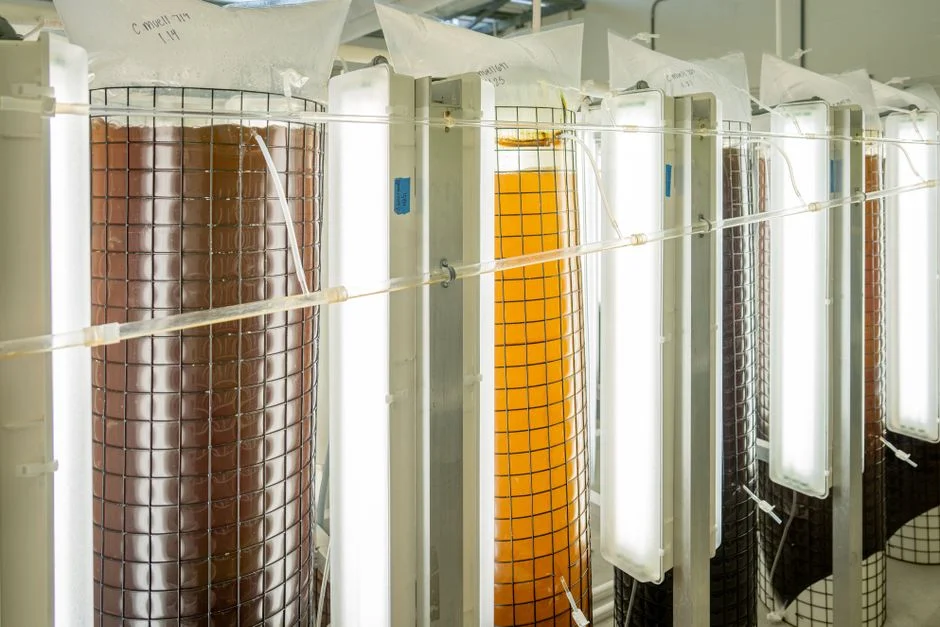
Make pilot testing a condition of purchase when wastewater is variable, high-strength, saline, inhibitory or materially different from the supplier’s basis of design. A pilot should test more than COD removal. The acceptance record should include effluent COD and TSS, settleability, nitrification or denitrification where required, energy use, chemical use, sludge production and control stability under representative batch operation.
Request a complete commercial scope: reactor basins, aeration, mixing, decanters, blowers, valves, instrumentation, PLC controls, sludge wasting, pretreatment interfaces, drawings and O&M documentation. The supplier should identify every assumed influent value, performance-guarantee point, exclusion and test method. Missing assumptions are commercial risk, not details to be filled in later.
| Procurement stage | Information or deliverable required | Decision gate |
|---|---|---|
| Characterization | Composite sampling plan and analytical results | Proceed only after flow, load, pH, salinity and toxicity are defined |
| Treatability or pilot | Documented cycle, performance, sludge and control results | Accept or reject the proposed biological and pretreatment route |
| Supplier proposal | Complete equipment, controls and civil-work scope | Compare like-for-like technical and commercial scopes |
| Guarantee definition | Effluent point, analytical method, sampling plan and test period | Make compliance measurable under actual operating conditions |
| Commissioning | Training, spares, controls, documentation and performance test | Confirm operational readiness and acceptance |
| Lifecycle review | Energy, chemicals, sludge, maintenance and support requirements | Confirm that the selected route remains operable |
The EPA cautions that sophisticated controls and automated valves increase maintenance requirements. Supplier capability should therefore be assessed through the proposed control narrative, failure handling, local support, spare-parts strategy and training scope—not only by the number of automated functions proposed.
Do not rely on a generic equipment price. Obtain separate quotations for equipment, pretreatment, civil works, controls, commissioning, training, initial chemicals, sludge handling and replacement items. The supplied research supports no universal price or delivery lead time for an enzyme-manufacturing SBR; those require an engineer-reviewed scope and supplier confirmation. Also assess alternative configurations rather than treating a standard SBR as predetermined.
Frequently Asked Questions
How much does an SBR for enzyme manufacturing wastewater cost?
There is no reliable universal price in the supplied research. Request a quote that separates the SBR basins, aeration, mixing, decanters, blowers, instrumentation, PLC controls, sludge wasting, pretreatment, civil works, commissioning, training, chemicals, sludge handling and replacement items. Include the characterized wastewater flow and loading in the enquiry so suppliers price the same scope. A lower equipment quotation is not comparable if it excludes equalization, DAF, chemical correction or downstream solids separation.
What reactor size and cycle settings should be selected for enzyme-production effluent?
Reactor volume and cycle settings must follow wastewater characterization, enforceable effluent objectives and a biological treatability study or pilot. The EPA’s industrial values—F:M ratio of 0.15–0.6/day, cycle duration of 4.0–24 hours and MLSS of 2,000–4,000 mg/L—are examples, not enzyme-plant specifications. Ask the supplier to show how basin volume, cycles per day, decant volume, sludge wasting and aeration derive from the buyer’s flow, COD, BOD5, TSS, nutrients, temperature, pH, salinity and toxicity data.
How should an SBR supplier be selected?
Require a wastewater-specific basis of design, a measurable performance-guarantee method, a complete controls scope and an O&M support plan. Relevant references should demonstrate comparable industrial applications, but the proposal must also identify every assumed influent value, exclusion, guarantee point and commissioning test. Review the decanter, aeration, sludge-wasting, instrumentation and PLC scope because the EPA notes that sophisticated controls and automated valves add maintenance requirements.
What compliance risks should be checked before accepting an SBR proposal?
Separate biological-stage targets from final discharge or reuse requirements. The permit or reuse specification should define the applicable COD, TSS and nutrient limits, while pretreatment acceptance criteria should identify how solids, oil, salinity, pH and chemical shocks are controlled. Confirm the sampling point, analytical method and performance-test period. A high percentage-removal result in a noodle-manufacturing study does not demonstrate compliance with an enzyme plant’s permit.