What Makes Vegetable Processing Wastewater Difficult to Treat?
Vegetable processing wastewater varies by stream and production schedule, so the reactor should be selected only after the feed has been characterized, segregated and equalized. Washing, peeling, blanching, cutting, product-contact cleaning, floor washdown and clean-in-place discharge should be sampled separately and classified as continuous, batch-based or seasonal. Vegetable fragments provide readily biodegradable carbon while adding suspended solids that can obstruct biological treatment. Meanwhile, oil and grease, surfactants, cleaning chemicals, pH excursions and temperature changes may impair biological performance even when the overall wastewater appears food-sector biodegradable.
Do not use one production shift as the design basis. A representative sampling program should cover normal production, peak washing, scheduled cleaning and the associated discharge periods. The analytical program should include COD, BOD5, TSS, oil and grease, pH, temperature, flow and surfactant indicators, together with identification of the plant-specific cleaning chemicals in use.
Those results determine whether the streams can be combined and where pretreatment is needed. The MBBR design for vegetable processing wastewater provides a related framework for mapping vegetable fragments, cleaning chemicals and load variation. For an SBR, the key procurement issue is not whether vegetable matter is biodegradable; it is how much suspended produce material, inhibitory cleaning discharge and hydraulic surge will reach the reactor in each operating period.
Build the Treatment Train Before Sizing the Reactor
A defensible treatment sequence removes obstruction-prone solids, buffers hydraulic and organic surges, corrects chemical conditions and then applies controlled biological treatment. The reactor should not be used to correct a poorly defined feed.
- Screen the wastewater where packaging debris, fibrous material or large suspended solids could obstruct pumps, valves or biological processes.
- Equalize washing and clean-in-place discharges to moderate flow, COD and BOD5 loading.
- Apply DAF when characterization identifies oil and grease, floating solids, colloids or suspended produce solids.
- Control pH before biological treatment.
- Provide controlled SBR treatment followed by solids separation and sludge handling.
A rotary mechanical bar screen for solids removal can protect downstream equipment where packaging or fibrous debris is present. Equalization is more than a buffer: it must blend washing peaks and cleaning batches so the biological stage receives a more consistent organic and hydraulic load. In the ClearFox fruit and vegetable project, the pre-chamber collected wastewater and buffered irregular inflows before the SBR received it (ClearFox, “SBR Equipment For Fruit And Vegetable Processing,” commercial project page, accessed 2026).
Where characterization shows significant oil and grease, floating solids, colloids or suspended produce solids, DAF pretreatment for vegetable wastewater can intercept these fractions before they interfere with aeration, biomass activity or reactor operation. The ClearFox source also describes an SBR arrangement with intelligent aeration, secondary sludge formation and long-life airlift pumps for clear-water separation.
An automatic pH and chemical dosing system should be considered when source-specific pH cannot reliably be held within the biological treatment envelope. In the ClearFox installation, a pH probe in the collection chamber controlled addition of acid or alkali because wastewater pH varied between 5.5 and 9 (ClearFox, “SBR Equipment For Fruit And Vegetable Processing,” commercial project page, accessed 2026).
| Stage | Design question | Supplier information required |
|---|---|---|
| Bar screen | What debris and fibrous material could obstruct equipment? | Screen duty, extracted-solids handling and discharge route |
| Equalization | How do washing and cleaning batches change flow and organic load? | Working volume, mixing method, pump duty and control logic |
| DAF | Does characterization identify oil, grease, colloids or floating solids? | Loading basis, chemical demand, separated solids and residual handling |
| pH control | Which source streams cause excursions? | Probe location, target condition, duty range and interlocks |
Biological treatment alone should not be expected to remove recalcitrant or inhibitory compounds. A 2022 ScienceDirect review cited in HydropureWater’s 2026 MBBR guide recommends combined physicochemical and biological treatment where such fractions are present.
What the Vegetable-Processing SBR Evidence Actually Shows
The available evidence supports biological feasibility, but it does not supply a universal design template for vegetable processing wastewater.
Environmental Technology evaluated two full-scale biological systems—an SBR and a biofilter—at farms carrying out vegetable peeling. The study examined untreated and treated wastewater, process design criteria and parameters, including seven-day biochemical oxygen demand, or BOD7. Its conclusion was that simple, efficient and cost-effective farm-scale treatment was needed for vegetable-peeling wastewater (Environmental Technology, “Evaluation of on-farm biological treatment processes for wastewaters from vegetable peeling,” 2008). That evidence supports the suitability of SBR biology under the studied conditions; it does not establish the reactor volume, loading rate or effluent guarantee for another plant.
The ClearFox example provides a commercial food-processing reference. The Croatian facility generated wastewater from vegetable washing, fruit and vegetable processing losses and facility cleaning, producing approximately four cubic metres per day. Its treatment objectives were COD below 700 mg/l and BOD5 below 250 mg/l (ClearFox, “SBR Equipment For Fruit And Vegetable Processing,” commercial project page, accessed 2026). These are project-specific targets, not general compliance limits.
| Evidence | Scope | What it supports | What it does not support |
|---|---|---|---|
| Environmental Technology study | Full-scale SBR and biofilter at vegetable-peeling farms; BOD7 evaluated | Feasibility of biological treatment for peeling wastewater | Universal SBR sizing or commercial effluent guarantee |
| ClearFox SBR project | Fruit and vegetable processing; approximately four cubic metres per day | Use of collection buffering, pH control, aeration and airlift separation | Transfer of the project’s COD, BOD5 or pH conditions to another plant |
| ScienceDirect review cited in the 2026 MBBR guide | Broad MBBR review reporting 95–98% BOD5 removal and 89–94% COD removal | Potential removal performance for matched operating conditions | A guarantee without influent, effluent, configuration and operating conditions |
Use these references to test whether a supplier understands the relevant process risks. Ask for the complete feed characterization, reactor configuration, operating conditions and test records behind any performance claim.
Size the SBR from Load Duration, Not a Generic Package Capacity
An SBR must be sized from the plant’s flow and load-duration profile, including discrete washing and cleaning events.
Provide average and peak flow, average and peak COD and BOD5 loads, the production and cleaning calendars, TSS, oil and grease, surfactant conditions, pH, temperature and the downstream discharge or reuse route. Separate normal production flow, vegetable-washing peaks, scheduled cleaning batches and concentrated cleaner releases. The missing information is not a standard reactor volume; it is the relationship between volume, load and time.
Require the supplier to explain how working volume, hydraulic retention time, organic loading and aeration respond to daily and batch peaks. The SBR advantages and disadvantages for wastewater treatment is useful for checking the proposed configuration, but a reference-plant capacity should not substitute for site-specific calculations.
The Veolia MBBR Pack example cited in the related 2026 guide states a capacity of up to 500–600 kg COD/d for one unit and was selected for a canned pulse and vegetable facility with large effluent-load variations (Veolia Water Technologies campaign, cited in HydropureWater’s 2026 MBBR guide). It demonstrates food-sector variability, not an SBR sizing rule. The cited excerpt contains no discharge-quality result.
| Required calculation | Basis to be supplied | Bid-review question |
|---|---|---|
| Hydraulic sizing | Average, peak and batch flows; equalization volume; treatment cycle | How is the cleaning batch absorbed without uncontrolled biomass washout? |
| Organic sizing | Average and peak COD and BOD5 loads; selected cycle and biomass concentration | Which load and duration control the selected reactor volume? |
| Aeration | Influent characteristics, required oxygen transfer, selected blower and diffuser arrangement | How does aeration change during washing and cleaning peaks? |
| Controls | Fill, reaction, settling, decant, idle and sludge-removal phases | Which measurements trigger feed restriction or cycle changes? |
| Sludge | Expected solids generation, inventory, removal and disposal route | Is downstream sludge capacity included in the package? |
Ask for separate calculations or a documented process narrative covering each stage, including aeration, mixing, pumping, controls, redundancy, sludge generation and downstream solids handling. If a bidder uses a reference installation, require an explanation of every assumption that transfers its capacity to this plant.
Control the Batch Cycle and Startup for Stable Treatment
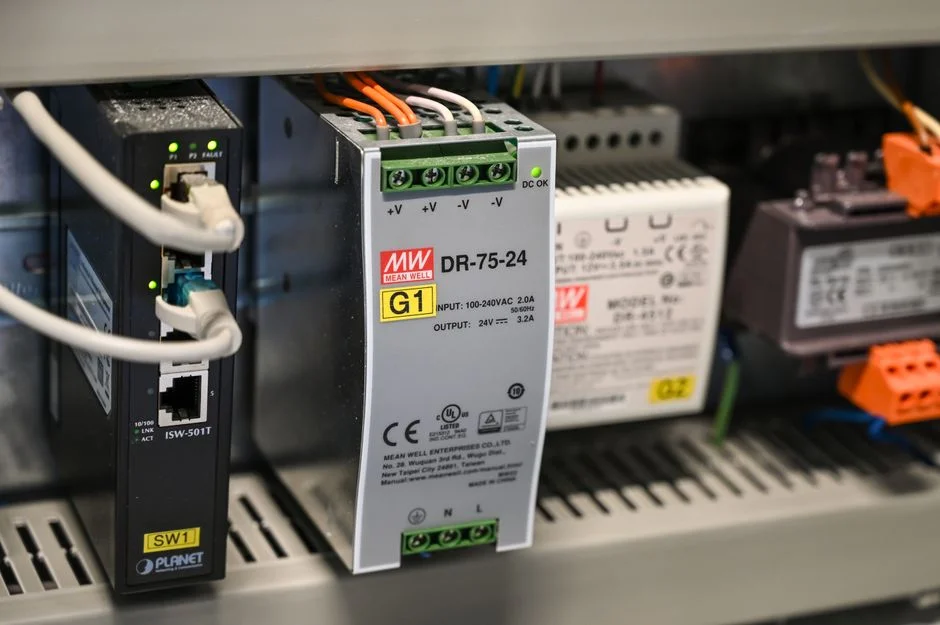
The SBR control narrative should connect the biological cycle to the vegetable plant’s actual discharge schedule.
Configure fill, reaction, settling, decant, idle and sludge-removal phases around the characterized wastewater and treatment objective. The collection or equalization stage must even the biological load before batch treatment. ClearFox states that its pre-chamber was designed to buffer irregular vegetable washing and once-daily cleaning work (ClearFox, “SBR Equipment For Fruit And Vegetable Processing,” commercial project page, accessed 2026).
Verify aeration, mixing and settling before exposing the reactor to peak production or cleaning loads. Starting at peak flow can conceal an error in pretreatment, equalization or organic sizing. Establish the biological population gradually and document the criteria for increasing loading rather than treating startup as proof of performance.
During operation, monitor COD reduction, BOD5, TSS, dissolved oxygen, pH, temperature, sludge inventory and equipment condition. Define the response to an upset before commissioning. Depending on the cause and the design limits, that response may include reducing feed, redirecting a cleaning discharge, increasing aeration or taking the reactor out of service. The control narrative should identify which actions are permitted, what interlocks apply and how the plant protects the biological stage.
Because the ClearFox installation used automated acid and alkali dosing, intelligent aeration and programmable controls for changing wastewater volume and composition, its control approach is a useful commercial reference—not proof that the same settings suit another facility (ClearFox, “SBR Equipment For Fruit And Vegetable Processing,” commercial project page, accessed 2026).
Choose Clarification and Sludge Handling to Match the Effluent Objective
Solids separation and residual-sludge management must be defined before the SBR is accepted.
State where settled sludge will be removed, how long it will be stored and which equipment will dewater it. The high-efficiency lamella sedimentation tank can provide a compact solids-separation stage where appropriate. Its supplied specification states a surface loading rate of 20–40 m/h and a reduction in chemical consumption of up to 30%; those figures must be checked against the selected flow, solids loading and flocculation method before inclusion in a design.
Where sludge dewatering is required, the plate and frame filter press for sludge dewatering covers filtration areas from 1 m² to 500 m², with manual, hydraulic and fully automatic PLC-controlled operation (HydropureWater product specification, 2026). Those configurations are alternatives to be matched to sludge quantity, moisture target, operating hours and disposal route.
| Effluent or solids objective | Possible route | Key check |
|---|---|---|
| Ordinary biological treatment followed by solids separation | SBR with integrated or downstream clarification | Sludge-loading basis, carryover and decant performance |
| Compact separation stage with a defined solids objective | Lamella sedimentation | Surface loading, flocculation and sludge withdrawal |
| Mechanical dewatering required | Plate and frame filter press | Filtration area, cake handling and operating mode |
| Reuse or low-turbidity solids requirement beyond reliable clarification | integrated MBR configuration | The stated 10–2,000 m³/day product scope must be compared with the actual treatment flow and required water quality |
Clarification should not be an unpriced accessory. Require the supplier to define the solids separation mechanism, expected sludge quantity and concentration, removal interval and downstream disposal route.
Use a Decision Framework to Select SBR, MBBR or Combined Treatment
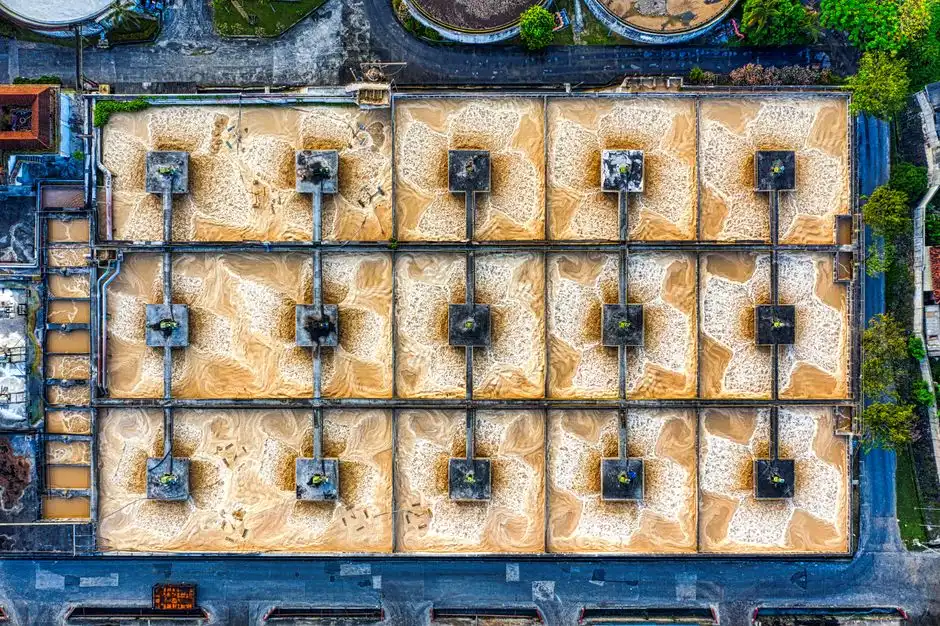
The reactor choice should follow the characterized wastewater and treatment objective.
Choose SBR when the biological feed can be pretreated and equalized, batch scheduling fits the production cycle, and the objective is biological organics removal followed by reliable solids separation. Choose an MBBR route when attached biomass is preferred and the supplier can demonstrate carrier selection, filling ratio, hydraulic retention time, organic loading, mixing and aeration under the actual food-processing load profile. The MBBR design for vegetable processing wastewater provides the carrier and attached-growth considerations that a supplier should address.
Use combined physicochemical and biological treatment when characterization identifies recalcitrant or inhibitory fractions that biological treatment alone should not be expected to remove. The 2022 ScienceDirect review cited in the related MBBR guide supports that limitation.
| Characterized condition | Selection | Required evidence |
|---|---|---|
| Biodegradable feed; manageable solids, oil and pH; batch-compatible loading | Equalization, pretreatment as needed, SBR and clarification | Peak-flow and peak-load response, cycle logic and solids balance |
| Biodegradable feed requiring high retained biomass | Equalization, pretreatment as needed, MBBR and clarification | Carrier specification, filling ratio, mixing, aeration and organic loading |
| Material oil, grease, colloids or suspended produce solids | DAF followed by the selected biological process | DAF loading basis, chemical demand and residual-solids handling |
| Recalcitrant or inhibitory compounds | Combined physicochemical and biological treatment | Mass balance identifying the compound and removal mechanism |
| Reuse quality beyond reliable clarification | Clarification or biological stage followed by membrane separation | Required water-quality parameters and membrane operating envelope |
Compare more than footprint or package price. The bid should include aeration, mixing, pumping, media replacement where applicable, labor, downstream solids handling and the operating envelope. A complete comparison uses the food processing wastewater treatment process as a check for omitted operating and residual-handling costs.
Turn the Design Basis into a Supplier Qualification Checklist
A defensible procurement process gives every bidder the same wastewater and operating envelope, then compares calculations and guarantees against those inputs.
Send each supplier the wastewater characterization, production calendar, cleaning schedule, flow and load profile, permit or sewer constraints, reuse objectives, site drawings, power availability and installation concept. State whether production is continuous, seasonal or irregular. COD alone is not enough to price or guarantee a biological treatment package.
Request a process narrative, mass balance, hydraulic calculations, biological loading calculations, control philosophy, aeration design and documented sludge balance. Require guaranteed design influent ranges, guaranteed effluent values where applicable, test methods, operating assumptions and defined consequences when loads fall outside the guarantee. Percentage-removal claims must include influent and effluent concentrations and the conditions under which they were obtained.
| Supplier package | Acceptable response | Reason to reject |
|---|---|---|
| Design basis | References the issued characterization and load-duration profile | Uses generic food-processing assumptions |
| Process calculations | Shows working volume, retention time, organic loading, aeration and cycle basis | Provides only reference-plant capacity |
| Performance guarantee | Defines influent range, effluent values, test methods and operating conditions | States removal percentage without concentrations or exclusions |
| Controls | Defines phase sequencing, interlocks, upset response and restart logic | Provides a generic PLC description |
| Sludge handling | Quantifies generation, storage, withdrawal and disposal route | Excludes residual solids from the scope |
| Commissioning and testing | Defines stabilization, sampling points, hydraulic conditions and failure consequences | Schedules a performance test immediately after startup |
Define performance testing only after biological stability is demonstrated. Agree sampling points, test methods, influent ranges, hydraulic conditions and failure consequences in advance. Ask each bidder to explain how every calculation treats maximum daily load, hydraulic surge, pH and temperature limits. The food processing wastewater treatment process is useful for checking whether the proposal covers the complete treatment train rather than the reactor alone.
Frequently Asked Questions
Can an SBR treat vegetable processing wastewater?
Yes, when the biological feed is biodegradable and adequately managed. Environmental Technology evaluated a full-scale SBR at vegetable-peeling farms, while ClearFox documents a commercial SBR application for fruit and vegetable processing. These cases establish feasibility under their respective conditions; neither supplies a universal reactor size or effluent guarantee.
How should an SBR system be sized for vegetable processing wastewater?
Size it from representative average and peak flow, COD and BOD5 loads, hydraulic surges, production and cleaning calendars, pH, temperature, TSS, oil and grease, surfactant conditions and the required effluent objective. Require the supplier to connect working volume, hydraulic retention time, organic loading and aeration to that load-duration profile rather than to a reference facility’s package capacity.
Should DAF be installed before an SBR?
Install DAF when characterization shows material oil and grease, floating solids, colloids or suspended produce solids that could interfere with biological activity, aeration or reactor operation. The decision should be supported by the actual wastewater results; food-sector origin alone does not establish the need for DAF.
What should a buyer request from an SBR supplier to control cost and supplier-selection risk?
Give every bidder the same design basis and request itemized lifecycle costs for the reactor, aeration, mixing, pumping, controls, equalization, pretreatment, clarification, sludge handling, utilities, maintenance and residual disposal. Require calculations, guaranteed influent and effluent limits, test methods, startup provisions and defined consequences outside the operating envelope. Without a quotation and matched site inputs, no defensible price can be stated; ask for the bidder’s scope assumptions and exclusions before comparing bids.