How to Choose Between DAF and a Clarifier for Petroleum Wastewater
For petroleum wastewater in Mansfield, factories should choose DAF when the primary objective is separating free oil, fats, grease and floatable solids; clarifiers are better suited to streams dominated by heavy, settleable solids. DAF uses microbubbles to lift contaminants for surface skimming, while a clarifier removes heavier particles through gravity sedimentation. The best choice depends on wastewater analysis, flow variability, chemical-conditioning needs, sludge handling and operating cost. A hybrid train is often the practical answer: DAF can recover oil before clarification, reducing the separator load. No single percentage from another industry should be assumed for a Mansfield petroleum application.
The equipment decision should begin with the contaminant that controls the treatment objective, not with the tank format. DAF is a flotation separator: microbubbles attach to floatable material, which rises to the surface for skimming. A gravity clarifier is a sedimentation separator: heavier solids settle into a collection zone and are removed as sludge. Ecologix Systems’ supplier comparison reports 95% oil-and-grease removal with DAF versus 70% with a clarifier for one food-processing stream. It separately reports 90% solids reduction with a clarifier in a mining application. Those results describe different streams and cannot be used as petroleum-wastewater guarantees or Mansfield sizing inputs (Ecologix Systems, DAF vs. Clarifier selection guide).
HydropureWater states that its packaged DAF range covers 4–300 m³/h across 13 standard models. That range provides an initial commercial screen for an industrial DAF system for petroleum wastewater, not a hydraulic selection. Final sizing still depends on verified flow, wastewater analysis, conditioning, solids separation and downstream treatment.
| Decision point | Indicative direction | Evidence or information required |
|---|---|---|
| Dominant contaminant | DAF for free oil and floatable solids; clarifier for heavy settleable solids | Representative oil-and-grease, suspended-solids and settleable-solids analyses |
| Treatment objective | Define oil recovery, solids removal and downstream effluent requirements | Permitted discharge route and downstream process objectives |
| Commercial range | Use packaged DAF models as an initial capacity screen | HydropureWater’s 4–300 m³/h range and 13 models, subject to hydraulic review |
| Cross-industry claims | Do not transfer food-processing or mining results directly | Ecologix’s 95%, 70% and 90% case figures remain scoped to their original streams |
Use this visible process sequence to develop the provisional selection:
- Wastewater characterization.
- Equalization and, where justified, chemical conditioning.
- Selected separator: DAF, clarifier or hybrid train.
- Oil and solids recovery.
- Downstream biological treatment or polishing.
What Petroleum Wastewater Analysis Must Drive the Decision
Separator selection should stop when the wastewater analysis does not distinguish free oil from emulsified oil or establish the settleable-solids fraction. These properties determine whether flotation, sedimentation or combined treatment is appropriate.
Request oil-and-grease characterization that distinguishes free oil from emulsified oil. Free oil is a direct candidate for flotation and surface recovery; emulsified oil requires a defined destabilization and conditioning strategy. The chemical-coagulation and chemical-flocculation program cannot be selected from generic petroleum-wastewater profiles. Clearwater Industries states that proper conditioning increases solids size and improves their ability to contact microbubbles, so a DAF quotation that excludes conditioning is incomplete (Clearwater Industries, 2026-04-27).
Also require suspended-solids, settleable-solids and grit information. A clarifier depends on the fraction, density difference and settling behavior of the solids, not simply the presence of suspended material. Record average flow, peak-hour flow, batch discharges and operating variability. A packaged system that handles the average flow can still be hydraulically unsuitable if a tank wash or production discharge creates a short peak.
Document pH, temperature, conductivity and chemical demand because these conditions affect conditioning, equipment materials and the suitability of downstream biological treatment. Define the oil-recovery expectation, permitted discharge route and required downstream water quality before asking bidders to compare separators. Where emulsified oil is significant, determine whether the objective is physical separation alone or whether a pre-treatment process is required before flotation.
| Required input | Why it affects selection | Information the factory must provide |
|---|---|---|
| Oil and grease | Distinguishes floatable oil from emulsified oil | Representative analytical results and the analytical method |
| Solids profile | Determines flotation demand and settleable-solids recovery | Suspended-solids, settleable-solids and grit results |
| Flow history | Tests whether packaged capacity covers peaks and batch discharges | Average flow, peak-hour flow, batch profile and operating schedule |
| Water chemistry | Affects coagulation, flocculation and downstream treatment | pH, temperature, conductivity and chemical demand |
| Site and downstream needs | Defines utilities, footprint, sludge handling and final treatment | Available footprint, utilities, sludge route, discharge route and electrical classification |
Any PLC-controlled chemical dosing system for DAF conditioning should be evaluated against the measured wastewater, not selected independently. The required package includes representative analyses, the production and batch-discharge schedule, available space, utility availability, sludge-disposal route and electrical classification.
DAF for Petroleum Wastewater: Strengths, Limits and Equipment Inputs
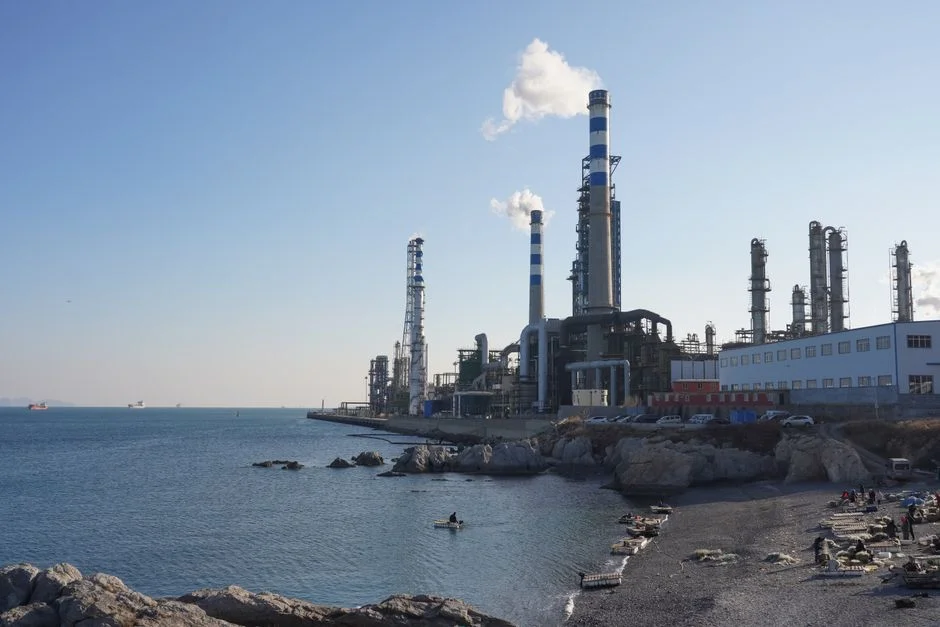
DAF is the more targeted separator when free oil and grease are the principal recovery objectives, provided the waste stream can be conditioned consistently and the recovered material has a defined handling route.
The operating sequence is chemical conditioning, microbubble contact, flotation, surface skimming and sludge withdrawal. Clearwater Industries describes microbubbles of 30–50 microns in its SigmaDAF systems, lifting solids to the surface for paddle-skimmer removal while heavier solids settle in the collection zone and are removed by an auger (Clearwater Industries, 2026-04-27). That bubble-size specification explains the cited system; it should not be assumed for every DAF installation.
The oil-recovery advantage is mechanical: flotation provides a direct path for separating free oil and floatable solids from the clarified water. The trade-offs are equally specific. DAF requires an air compressor and pumps, and performance depends on chemical conditioning. Ecologix Systems’ comparison describes clarifiers as generally having lower operating costs, while DAF may be more cost-effective for specific contaminants such as oils (Ecologix Systems, selection comparison).
Request materials, controls and maintainability as part of the technical bid. Clearwater states that its standard DAF construction is 304SS, with 316SS, polypropylene and other materials available when specified (Clearwater Industries, 2026-04-27). The quotation should also address automatic skimming, sludge discharge, chemical-pump adjustment, local instrumentation, access to the flotation cell, the recycle saturation system and all maintenance points.
Use the COMPACT DAF arrangement as a configuration example, not as the Mansfield sizing basis. Clearwater states that flows of 66 GPM or less can be managed by one skid, while larger flows use a modular two-skid system (Clearwater Industries, 2026-04-27). The supplier should explain how its arrangement handles verified average and peak flow, batch discharge, free surface, recovery loading and future expansion.
DAF removes separated oil and solids, but that removal does not establish complete petroleum-wastewater compliance. Define downstream biological or polishing requirements separately. If the recovered material remains pumpable and requires dewatering, evaluate a plate-and-frame filter press for separated sludge against the actual sludge properties and disposal route.
Clarifier for Petroleum Wastewater: Strengths, Limits and Equipment Inputs
A clarifier is the stronger starting point when the stream is dominated by heavy solids that settle reliably and oil recovery is not the primary objective.
Gravity clarification removes solids through density-driven settling into a bottom collection zone. The selected design may use inclined lamella surfaces or another settling arrangement, but the operating objective remains the same: capture the settleable fraction with an appropriate hydraulic loading and provide controlled sludge withdrawal.
Cost favors the simpler arrangement in many applications. Ecologix Systems states that clarifiers generally have lower operating costs, while DAF may be more cost-effective for specific contaminants such as oils (Ecologix Systems, DAF-versus-clarifier comparison). A Mansfield buyer should test that statement against chemical use, sludge handling, recovered-oil value, labor and downstream treatment rather than comparing tank capital cost alone.
Petroleum-specific design checks include the density difference between solids and liquid, the measured settleable-solids fraction, expected sludge accumulation, drawdown capacity, odor control, vapor management and cleaning access. A free-oil layer may interfere with settling behavior or create a separate surface-management problem, so the supplier should state how the selected design handles floatables.
The principal limitation is that a clarifier may not deliver the targeted free-oil recovery required before biological treatment, reuse or further separation. The supplier should submit its hydraulic loading basis, expected settled-solids quality, sludge-volume estimate, materials, collection and drive mechanism, odor controls and maintenance access. Ecologix’s supplier-reported 90% solids reduction came from a heavy-sediment mining application; it is not an oil-removal guarantee for petroleum wastewater (Ecologix Systems, selection guide).
When evaluating a lamella clarifier for heavy solids separation, require the supplier to identify the actual petroleum wastewater basis and explain how free oil, variable flow and sludge removal affect the design.
Head-to-Head Comparison for a Mansfield Factory
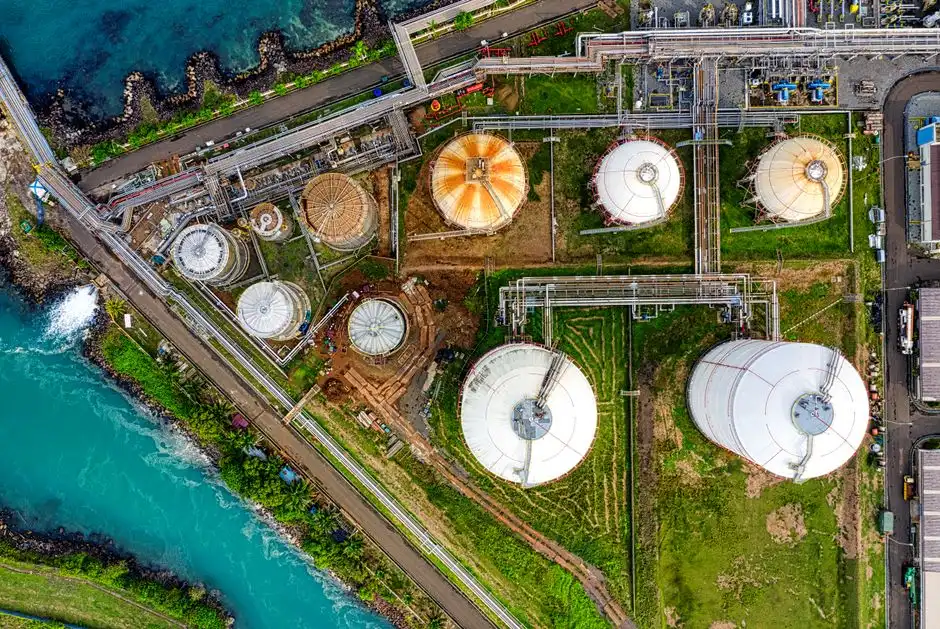
The strongest petroleum-wastewater proposal is normally the one whose treatment mechanism matches the contaminant, with guarantees tied to the client’s actual wastewater rather than borrowed case-study percentages.
| Criterion | Dissolved air flotation | Clarifier | Hybrid DAF plus clarifier | Evidence required from bidder |
|---|---|---|---|---|
| Primary mechanism | Microbubbles attach to floatable material; contaminants rise for surface skimming | Density-driven settling; solids collect as bottom sludge | Flotation recovers oil before sedimentation handles heavier solids | Process basis and separation mechanism |
| Contaminant focus | Free oil, grease and floatable solids | Heavy settleable solids | Oil-bearing and solids-bearing fractions | Influent analyses and target contaminants |
| Operating complexity | Adds air compression, pumping and conditioning requirements | Generally presented as lower-cost to operate | Combines both operating burdens | Utilities, chemicals, controls and operating labor |
| Conditioning | Coagulation and flocculation should be included where required for bubble contact | May require conditioning depending on solids and target | Requires coordinated chemical and solids handling | Dosing philosophy, consumption and control strategy |
| Footprint and expansion | Compare the proposed layout against the available footprint | HydropureWater describes its lamella clarifier as combining sludge recirculation, flocculation and inclined-plate separation in a compact structure | Requires space for both units and their auxiliaries | General arrangement, dimensions and expansion provisions |
| Downstream impact | Separated oil and sludge require recovery or disposal | Separated sludge volume and condition require management | Both recovered oil and sludge must have defined routes | Quantified separated streams and water-quality implications |
| Commercial claims | Do not apply the food-processing 95% figure to petroleum wastewater | Do not apply the mining 90% solids figure as an oil guarantee | Require performance at each stage | Guarantee conditions, test method and sampling point |
Ecologix explains that hybrid systems can address complex streams by combining DAF oil removal with clarifier sedimentation (Ecologix Systems, industrial selection guide). That configuration is particularly relevant where both free oil and heavy solids materially influence the treatment objective. It is not automatic: the combined train must still demonstrate hydraulic capacity, recoverable oil quality, sludge handling and downstream treatment compatibility.
Ask each bidder to quantify separated oil, sludge volume and expected water-quality consequences under the proposed operating conditions. Generic percentage claims should not be accepted without the original stream, analytical method and operating basis. This comparison framework also supports a petroleum wastewater DAF-versus-clarifier guide while keeping the Mansfield analysis specific to the local stream and site.
Build a Bid-Ready Equipment Selection Plan
A defensible equipment purchase starts with a one-page process basis that every bidder must use, preventing tank proposals from being compared against different wastewater and operating assumptions.
- State average flow, peak-hour flow, batch-discharge profile and operating schedule.
- Attach representative analytical results, including oil-and-grease character, suspended solids, settleable solids and water chemistry.
- Define the treatment objective, downstream process, permitted discharge route, available footprint and available utilities.
- Require each bidder to identify its proposal as DAF, clarifier or hybrid and list every included component.
- Evaluate guarantees, materials, controls, utilities, sludge handling, maintainability and delivered scope.
Ask each supplier to state the guaranteed parameter, test method, influent condition and sampling point. A performance figure without those boundaries cannot be compared. Clearwater identifies 304SS as standard for its DAF units, with 316SS and polypropylene available on request (Clearwater Industries, 2026-04-27); bidders should provide equivalent material options with their basis of design.
Require complete utility and operating information, including electrical supply, compressed-air demand, chemical storage, chemical consumption, sludge withdrawal and routine maintenance. Include factory acceptance, controls demonstration, operator training, spare parts, documentation, warranty and local service support in the questionnaire. HydropureWater’s DAF range of 4–300 m³/h across 13 models is a reference point for commercial screening only; final selection must follow the verified peak flow and hydraulic review.
| Bid package | Minimum supplier response | Buyer review question |
|---|---|---|
| Process basis | Flow, analysis, objective, footprint, utilities and downstream process | Was the same client wastewater used throughout the proposal? |
| Equipment scope | Separator, conditioning, controls, recycle system, skimming or sludge collection and auxiliaries | Are exclusions and interfaces explicit? |
| Performance | Parameter, guarantee conditions, test method and sampling point | Does the claim apply to this petroleum stream? |
| Materials and controls | Material schedule, instrumentation, alarms, PLC functions and local controls | Can the facility maintain and access the equipment? |
| Operations | Power, compressed air, chemicals, labor and maintenance requirements | Are utilities and consumables priced and validated? |
| Commercial scope | Acceptance, training, documents, warranty, spares and service support | Are responsibilities assigned before shipment? |
Do not use the unrelated Docsity exam page or the blocked Elsevier paper as performance evidence. Verify technical claims against manufacturer documentation, test reports and the client’s wastewater data. A supplier’s DAF system quotation and any sludge-dewatering plate-and-frame filter-press proposal should form one coherent process package, not separate claims.
Frequently Asked Questions
Is DAF usually more expensive to operate than a clarifier for a petroleum wastewater plant?
Not necessarily. Ecologix Systems describes clarifiers as generally lower-cost to operate, while DAF may be more cost-effective for specific oil contaminants. Compare chemical consumption, compressed air, power, labor, sludge handling and the value of recovered oil using the actual wastewater and operating schedule.
What flow does a packaged DAF system need before it is suitable?
HydropureWater lists 13 models from 4–300 m³/h, but the range alone does not establish suitability. Select the model using verified average and peak flow, batch variation, hydraulic criteria, contaminant loading and treatment objectives.
Can one vendor quote a DAF and a clarifier for the same petroleum wastewater stream?
Yes. The quotation should identify whether the two options are alternatives or a hybrid train and should define the treatment objective, conditioning, oil recovery, sludge handling and downstream process for each. This also allows an equipment supplier to submit a comparable sedimentation alternative without blending separate scopes.
Which equipment should a factory select when petroleum wastewater contains both heavy solids and free oil?
A hybrid train is often the strongest starting point: DAF can remove the oil fraction before clarification, while the clarifier handles heavier settled solids. Final selection requires representative wastewater analysis, hydraulic review and confirmation that both recovered streams have practical handling routes.
How should a buyer compare DAF performance claims?
Request the influent wastewater, operating conditions, test method, parameter, sampling point and contractual guarantee conditions. Ecologix’s 95% DAF and 70% clarifier oil-and-grease figures came from one food-processing example, so neither should be presented as a universal or petroleum-specific guarantee. The mining example’s 90% solids reduction is similarly limited to its original heavy-sediment application.