When an SBR Is the Right Fit for Food-Processing Wastewater
An SBR can treat biodegradable food-processing wastewater when flow and organic loading can be equalized and the influent is protected from materials that inhibit biological treatment. EPA defines an SBR as a fill-and-draw activated-sludge system that combines equalization, biological treatment, and secondary clarification in one reactor through five stages: Idle, Fill, React, Settle, and Draw. For industrial wastewater, EPA recommends treatability studies to determine the operating sequence. Food plants should first characterize COD, BOD5, TSS, pH, temperature, oil and grease, nutrients, cleaning chemicals, and batch-cleaning variation, then specify pretreatment, equalization, cycle controls, effluent targets, and operating guarantees.
The fit depends on the wastewater profile, not the industry label. EPA’s 1999 SBR fact sheet identifies low or intermittent flow as a characteristic application, while the reactor’s filling period can buffer peak flows and peak loads that might otherwise disturb biological treatment. This operating flexibility is relevant to food plants where production, washing, floor cleaning, and clean-in-place discharges can arrive on different schedules. Compare the selected reactor with an MBBR design for food-processing wastewater when load variability, carrier configuration, and biological treatment scope are being evaluated.
Each incoming fraction must be assessed separately. Washdown water may be readily biodegradable, while a concentrated cleaning discharge can contain surfactants, sanitizers, fats, proteins, or other substances that affect settling, oxygen transfer, or biomass activity. An SBR does not automatically solve high oil and grease, suspended solids, surfactants, cleaning chemicals, or non-biodegradable material. Those fractions may require segregation, pretreatment, or exclusion from the biological feed.
| Decision condition | Engineering implication for the SBR |
|---|---|
| Low, intermittent, or variable flow | Proceed to characterization; the reactor may provide useful equalization while filling. |
| Variable biodegradable production and washdown streams | Model representative flow and load variation and confirm the cycle through a wastewater treatability study. |
| High TSS, FOG, surfactants, or cleaning chemicals | Define pretreatment, segregation, chemical controls, or an alternative flow route before biological sizing. |
| Unenforceable effluent target or undefined influent envelope | Do not approve the equipment offer until permit or reuse limits and acceptable influent conditions are defined. |
The commercial implication is precise: require a supplier to guarantee performance across a stated influent envelope, not generic treatment for every food-processing wastewater.
Characterize the Wastewater Before Selecting an SBR
EPA states that the first step in wastewater-treatment-plant design is establishing influent characteristics and effluent requirements, and that these determine the operating sequence (EPA Wastewater Technology Fact Sheet: Sequencing Batch Reactors, September 1999). For an SBR used at a food plant, the characterization package must therefore combine the EPA design parameters with constituents and operating patterns specific to production and cleaning.
Request design flow, maximum daily flow, BOD5, COD, TSS, pH, alkalinity, wastewater temperature, TKN, ammonia-nitrogen, and total phosphorus. EPA lists design flow, maximum daily flow, BOD5, TSS, pH, alkalinity, temperature, TKN, ammonia-nitrogen, and total phosphorus among the typical influent parameters for plant design (EPA, September 1999). Add oil and grease, fats, proteins, carbohydrates, cleaning chemicals, sanitizers, surfactants, and the production and clean-in-place schedule. These inputs connect directly to the pretreatment issues covered in food and beverage wastewater pretreatment limits.
Use a sampling plan that separates production flow, product washdown, floor and equipment cleaning, and exceptional discharges. Capture both average and peak conditions over production and cleaning cycles so the supplier does not size against an annual average that conceals batch shocks. Where an exceptional discharge contains a chemical not represented in routine sampling, obtain its composition and discharge frequency separately.
| Data group | Required information | Why it affects SBR selection |
|---|---|---|
| Hydraulic basis | Average, peak, and maximum daily flow; production and cleaning schedule | Defines fill, equalization, draw, and basin duties. |
| Organic and solids | COD, BOD5, TSS, FOG, fats, proteins, and carbohydrates | Establishes biological loading and pretreatment need. |
| Biological environment | pH, alkalinity, temperature, TKN, ammonia-nitrogen, and total phosphorus | Influences nitrification, denitrification, and nutrient-removal requirements. |
| Batch-cleaning risk | Sanitizers, cleaning chemicals, surfactants, and exceptional discharges | Identifies inhibition, shock loading, and segregation needs. |
| Compliance route | Permit, sewer agreement, reuse specification, receiving route | Establishes the required effluent parameters and operating sequence. |
Do not accept a percentage-removal claim without influent and effluent concentrations. Define the test method, sampling point, reporting frequency, and acceptance conditions so a supplier’s guarantee can be audited. The regulator or receiving authority—not a generic equipment brochure—sets the applicable discharge or reuse requirements.
Protect the SBR with the Right Pretreatment
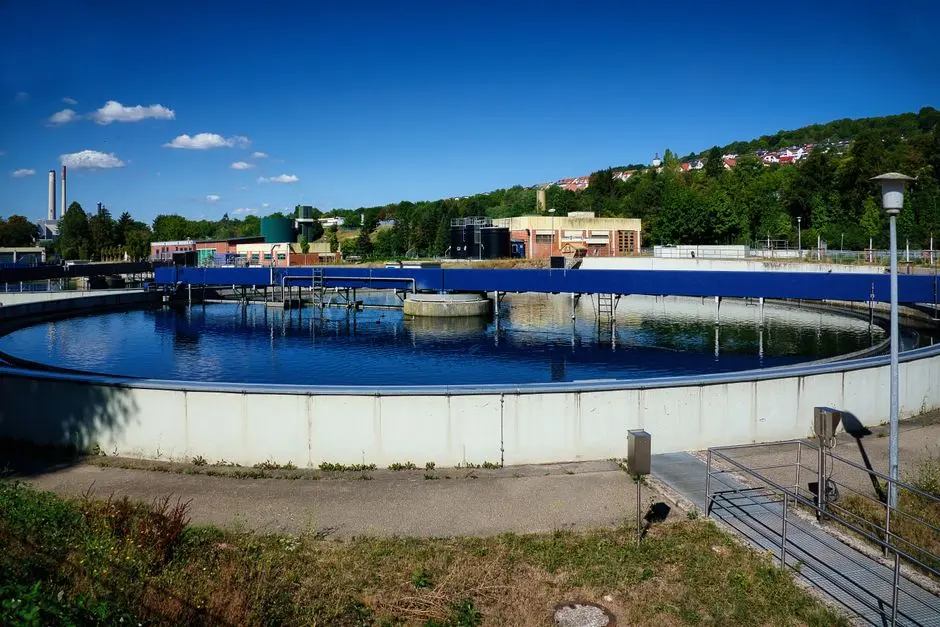
Food-plant pretreatment should remove or isolate the barriers most likely to impair the biological reactor: fibrous debris, excessive solids, oil and grease, and inhibitory cleaning chemicals. Mechanical screening for wastewater headworks can protect downstream equipment from fibrous material, while equalization buffers production and cleaning peaks. EPA notes that an SBR can equalize inflow while filling, but also recognizes that upstream equalization or clarification may be recommended when influent conditions demand it (EPA, September 1999).
Evaluate DAF pretreatment for food-processing wastewater where suspended solids, oil and grease, or colloidal material could interfere with biological treatment or settling. The supplied product information lists DAF use in food processing and automatic skimming across 13 standard models rated from 4 to 300 m³/h. Those values describe catalog equipment capacity, not SBR sizing limits. Match pretreatment to the characterized plant flow and constituent loading, and request the corresponding process calculation.
Chemical controls require separate scrutiny. Establish whether cleaning chemicals can be segregated at the source, neutralized or dosed before treatment, or routed to a different treatment train. If a discharge contains an unidentified sanitizer or detergent, do not assume biological acclimation or dilution will protect the SBR.
Ask the SBR supplier to state the maximum permitted TSS, oil and grease, pH range, wastewater-temperature range, shock-load exposure, and influent concentrations of specified cleaning chemicals. These are design-envelope conditions: the supplier should explain how the biological process and all upstream barriers respond when one or more limits are exceeded.
Configure the SBR Cycle for Variable Industrial Loads
EPA defines the SBR operating sequence as Idle, Fill, React, Settle, and Draw (EPA Wastewater Technology Fact Sheet: Sequencing Batch Reactors, September 1999). For a food plant, each stage must be assigned a measurable purpose against the characterized flow and load pattern rather than copied from a municipal schedule.
Idle provides time for treated effluent removal and influent addition; variable idle periods can contribute to equalization, while mixing and sludge wasting can also occur during that stage. Fill receives the wastewater. EPA identifies static fill, mixed fill, and aerated fill as the three fill variations. Static fill adds influent without mixing or aeration, creating a high substrate concentration before mixing begins. Mixed fill combines influent organics with biomass, initiating biological reactions and potentially supporting denitrification under anoxic conditions. Aerated fill starts aerobic reactions during filling and can reduce the aeration time required in the subsequent react stage.
React completes the selected biological reactions. Aerated react can support nitrification, while mixed react can create anoxic conditions for denitrification; anaerobic conditions may also be established for phosphorus removal. Settle provides the separation interval, generally under quiescent conditions. Draw removes treated supernatant through a floating or fixed decanter. EPA identifies the decanter as a key distinction between manufacturers and warns that some configurations can discharge floating or settled sludge during draw.
| SBR stage | Primary function | Food-plant design question |
|---|---|---|
| Idle | Influent and effluent transfer; optional mixing, wasting, and equalization | Is idle time needed to buffer a batch-cleaning peak? |
| Fill | Introduce influent by static, mixed, or aerated filling | Which substrate condition and oxygen regime suit the biology? |
| React | Complete aerobic, anoxic, or anaerobic reactions | Which treatment objectives are required by the permit or reuse specification? |
| Settle | Separate biomass from treated supernatant | What settling and sludge-quality criterion must be met before draw? |
| Draw | Withdraw clarified effluent through the decanter | How will the decanter prevent sludge carryover? |
The correct sequence cannot be selected from generic food-industry assumptions. EPA states that industrial wastewater applications typically require treatability studies to determine the optimum operating sequence, whereas predictable municipal flows often permit conservative design approaches (EPA, September 1999). For biological nutrient removal, establish the required aerated, anoxic, and settling periods through site-specific testing.
Turn Design Data into a SBR Equipment Specification
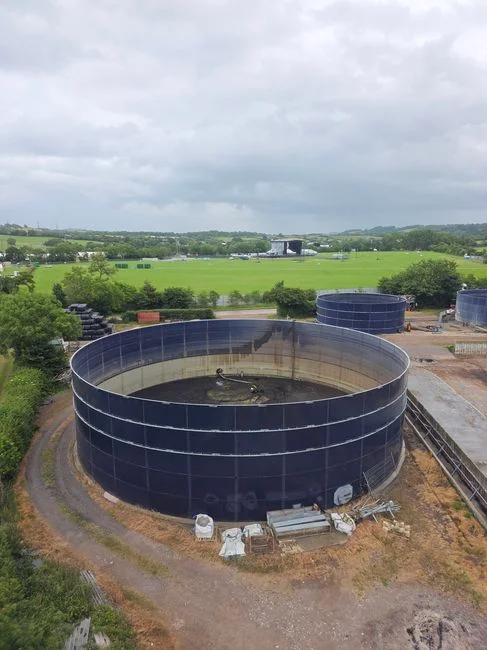
SBR sizing must begin with the selected cycle and the characterized wastewater, not a generic “hours per day” figure. EPA’s fact sheet provides an example design table, but the values are examples drawn from the cited AquaSBR Design Manual, 1995, and are not universal food-processing requirements. Those examples include a municipal treatment-cycle duration of 4.0 hours, municipal hydraulic retention time of 6–14 hours, municipal food-to-microorganism ratio of 0.15–0.4/day, and industrial food-to-microorganism ratio of 0.15–0.6/day (EPA, September 1999).
| EPA example parameter | Value and stated scope | Correct procurement use |
|---|---|---|
| Treatment-cycle duration | 4.0 hours for the municipal example | Reference framework only; not a food-plant cycle prescription. |
| Hydraulic retention time | 6–14 hours for the municipal example | Test and calculate the site-specific requirement. |
| Food-to-microorganism ratio | 0.15–0.4/day municipal; 0.15–0.6/day industrial | Use only within a verified site-specific biomass and loading calculation. |
Require the supplier to show how reactor volume and basin count follow from average and peak flow, selected cycle duration, hydraulic retention requirement, equalization duty, and draw-discharge constraints. Request the calculation, operating assumptions, and resulting basin count; do not copy the municipal cycle duration into an industrial quotation. Compare pretreatment and downstream arrangements alongside the reactor, including DAF versus clarifier for food and beverage wastewater.
Define aeration, decanter, piping, controls, and sludge wasting using site conditions. EPA identifies site elevation, wastewater temperature, and total dissolved solids as site-specific information needed to size aeration equipment, alongside the selected settle phase and required draw flow (EPA, September 1999).
Post-SBR equalization must also be addressed. EPA states that equalization may be required after the SBR depending on downstream processes; without it, filters may need to accept the batch discharge from the reactor (EPA, September 1999). Where further treatment or reuse is required, define that downstream duty before approving the SBR scope. A broader food-processing wastewater treatment specification can help frame the interfaces, but it does not replace site-specific sizing.
Compare Supplier Offers on Performance and Operating Risk
A comparable quotation must define both the biological performance envelope and the full operating sequence. Reactor capacity alone is not an offer: bidders should identify what they are supplying for fill, mixing, aeration, reaction, settling, draw, idle, sludge wasting, equalization, controls, and downstream flow management.
Reject performance claims that omit enforceable inputs. Require guaranteed influent ranges, guaranteed effluent values where applicable, test methods, operating assumptions, and defined consequences when flow, COD, TSS, oil and grease, pH, temperature, or cleaning chemicals fall outside the guarantee. EPA’s industrial guidance and the supplied MBBR design review both support this evidence boundary: a percentage removal without influent and effluent concentrations does not establish performance (EPA, September 1999; HydropureWater MBBR design guide, 2026).
| Scorecard item | Evidence required from each bidder | Reason to reject or clarify |
|---|---|---|
| Performance envelope | Guaranteed influent limits, effluent values, test methods, and reporting frequency | A generic removal percentage is not auditable. |
| Cycle scope | Timed stages, mixing modes, settling duration, decanter arrangement, and sludge wasting | The equipment may not perform the required process. |
| Control architecture | Automated valves and switches, interlocks, alarms, control narrative, and operator interface | Hidden assumptions can shift duty to operators. |
| Maintenance and fouling | Aeration access, decanter inspection points, cleaning access, spare-parts strategy, and training scope | Controls and valves can create maintenance exposure. |
| Out-of-envelope response | Defined alarms, operating restrictions, pretreatment limits, and consequences | The supplier has not accepted responsibility for off-design loads. |
Ask each bidder to explain how the design handles production variation, batch cleaning, temperature changes, and loads outside the guaranteed envelope. EPA notes that SBR controls require greater sophistication and that automated switches and valves require a higher level of maintenance than conventional systems (EPA, September 1999). A single reactor may reduce equipment and footprint demands, but that does not remove the maintenance burden of timed equipment.
Use the industrial wastewater treatment supplier buyer’s guide as a procurement framework, then apply the same scorecard to every bid. Approve only when the supplier’s guarantees, calculations, control scope, and off-design behavior align with the site’s wastewater characterization and compliance route.
Frequently Asked Questions
What size SBR does a food-processing plant need?
No universal size or cycle can be selected without the site’s wastewater characterization, peak-load data, and discharge or reuse requirements. The supplier should provide the reactor-volume and basin-count calculation based on the selected cycle, hydraulic retention requirement, equalization duty, and draw constraints. EPA’s example table is not a food-processing sizing rule (EPA, September 1999).
Why is a wastewater treatability study important for an industrial SBR?
It establishes whether the proposed biological process and operating sequence can treat the actual wastewater under expected loading and settling conditions. EPA states that industrial SBR applications typically require treatability studies to determine the optimum operating sequence, and that effluent requirements affect the sequence (EPA, September 1999).
When is DAF or another pretreatment system necessary?
DAF should be evaluated when suspended solids, oil and grease, or colloidal material could impair biological treatment or settling. Other barriers may be needed for fibrous debris, surfactants, or inhibitory cleaning chemicals. The selection should follow characterization and the required influent envelope; catalog capacity is not proof that a pretreatment unit matches the plant.
How much will an SBR cost, and what should a buyer request before approving a quotation?
Request a site-specific budget quotation rather than a generic unit price because the research provides no defensible food-processing SBR price. Before approval, require guaranteed influent and effluent envelopes, test methods, operating assumptions, cycle and control scope, pretreatment limits, maintenance provisions, and defined consequences when conditions fall outside the guarantee. These checks convert an equipment price into a comparable commercial offer.
Which supplier and compliance details matter most?
Require evidence that the bidder has defined how production variation, batch cleaning, temperature changes, and off-design loads affect the proposed sequence. Check decanter selection, aeration fouling access, automated-valve maintenance, controls, and operator training. The final discharge or reuse limits must come from the applicable regulator, permit, or sewer agreement; those requirements directly affect the SBR sequence and downstream equipment. Further pretreatment context is available in food and beverage wastewater pretreatment limits.