
Separate the Waste Streams Before Choosing Equipment
A Cancun data center generally needs two treatment systems: biological treatment for sanitary wastewater and a separate filtration–membrane train for cooling-tower blowdown. For blowdown, the usual sequence is side-stream filtration, ultrafiltration, then reverse osmosis or nanofiltration, with optional mechanical vapor compression when brine disposal is restricted. Genesis Water Technologies reports 25–30% blowdown at 4 cycles of concentration, 1,200–6,000 mg/L TDS and 60–85% recovery for cooling makeup reuse. The final train must be selected using Cancun-specific makeup chemistry, discharge or reuse requirements, permit documents and disposal costs; the supplied research does not establish current Cancun-specific limits.
Sanitary wastewater from offices, kitchens and staff welfare is a BOD, suspended-solids and pathogen stream. Keep it separate from the cooling loop. The Yucatán framework identifies a packaged biological unit as an appropriate treatment concept for domestic wastewater, while cooling-tower blowdown requires an independent dissolved-solids and scale-control train. An MBR or integrated sewage approach is justified only where the project specification supports near-reuse-quality effluent or a defined reuse requirement; sewage treatment cannot substitute for blowdown desalination.
Before selecting packaged capacity, obtain from the cooling-system vendor the sanitary flow, cooling-blowdown flow, makeup-water source, expected cycles of concentration and any process-wastewater contribution. Clarify whether irrigation or washdown reuse is permitted. The supplied research notes that reuse requirements can determine whether NF is sufficient or RO is required, so the end use must be established before the membrane bid is issued.
| Stream | Primary treatment objective | Procurement decision |
|---|---|---|
| Sanitary wastewater | BOD, suspended-solids and pathogen reduction | Separate packaged biological treatment; add MBR only against a confirmed reuse specification. |
| Cooling-tower blowdown | Suspended-solids control and dissolved-solids or scale reduction | Use site chemistry and the verified reuse or discharge route to select filtration, UF, NF, RO or partial ZLD. |
| Process wastewater | Contaminant-specific treatment | Identify source, constituents and whether it can enter the cooling loop or requires a dedicated train. |
| Construction-period flows | Variable sanitary and washdown loads | State whether temporary treatment or diversion is required during commissioning. |
The decision framework is set out in a wastewater and cooling-blowdown treatment guide for data centers, but Cancun’s permit and hydrology evidence must be verified independently rather than transferred from another location.
Characterize Cancun Cooling-Tower Blowdown
Genesis Water Technologies (2026) reports typical cooling-tower blowdown TDS of 1,200–6,000 mg/L and suspended solids of 10–50 mg/L, with concentrated calcium, magnesium, silica and alkalinity. The blowdown can also contain biocides, scale and corrosion inhibitors, dispersants, corrosion products, biofilm fragments and other biological material. This composition makes a site-specific sample plan the proper starting point for equipment selection.
Request TDS, hardness, silica, alkalinity, suspended solids, residual-biocide and conductivity data from the cooling-tower vendor, then verify it with the project’s own sampling plan. At 4 cycles of concentration, approximately 25–30% of makeup water leaves the system. Genesis Water Technologies (2026) illustrates this with 2.5–3 million gallons of blowdown per month for a facility using 10 million gallons monthly. That example is a sizing basis, not a Cancun flow assumption; use the confirmed facility flow.
Do not transfer Mérida’s karst and JAPAY assumptions directly to Cancun. Obtain current Cancun and Quintana Roo evidence for groundwater, injection, surface discharge, municipal discharge, tariffs and pretreatment requirements. The supplied research does not establish a current Cancun-specific numerical discharge limit, a local tariff or a confirmed disposal route.
Cooling-system configuration, cycles of concentration and the makeup-water source determine whether NF may be sufficient or whether RO is required. A source with high silica can change the membrane decision, while a hardness-dominated objective may favor NF. The buyer should also identify the [multi-media filtration configuration]( /product/7-multi-media-filter-ultrapure-water.html) proposed for side-stream solids removal and require performance guarantees tied to the measured feed.
| Parameter | Evidence or required site input | Design implication |
|---|---|---|
| TDS | 1,200–6,000 mg/L typical blowdown range reported by Genesis Water Technologies (2026) | Sets osmotic loading and membrane or disposal requirements. |
| Suspended solids | 10–50 mg/L typical range reported by Genesis Water Technologies (2026) | Defines side-stream filtration and UF requirements. |
| Hardness, silica, alkalinity | Obtain site-specific results | Determines NF versus RO and antiscalant design. |
| Residual biocide and other treatment chemicals | Obtain site-specific results and cooling chemistry program | Controls membrane compatibility, dosing and permit risk. |
| Blowdown flow | Confirm from cooling-system vendor and operating model | Controls all downstream equipment capacities. |
Build a Reuse-First Treatment Train
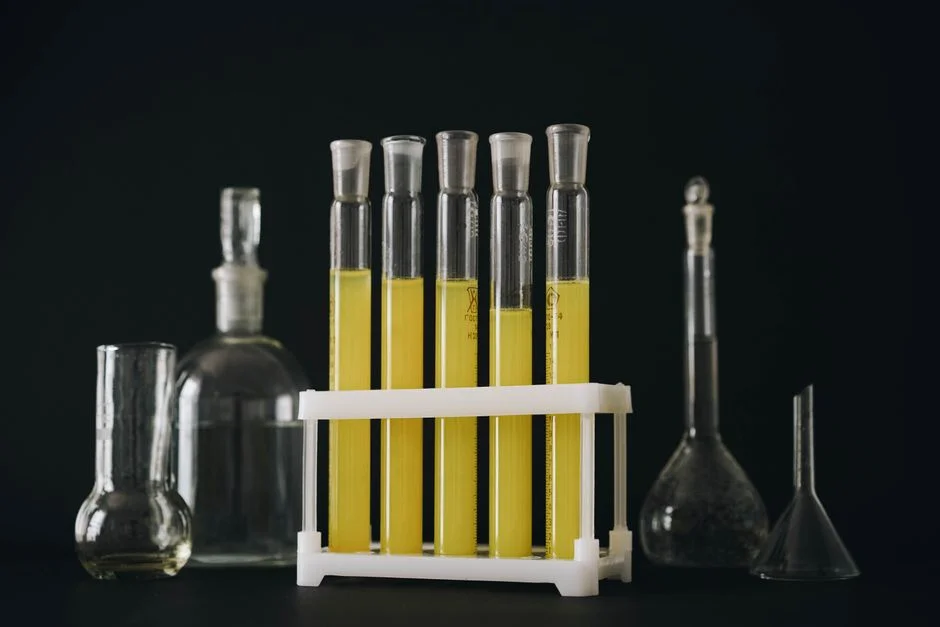
The reuse-first train has four functional stages: remove solids from the cooling loop, remove remaining biological and particulate material before desalination, recover low-salinity permeate, and concentrate the residual brine only if the verified disposal route requires it. Each stage must use the same site-specific feed-water basis.
Stage 1 is side-stream filtration. Genesis Water Technologies (2026) cites installation at 1–5% of total circulation flow, using 10–25 micron self-cleaning spiral or multimedia filtration. It reports US$50,000–200,000 capital cost for typical data-center installations. This stage removes suspended solids, corrosion products and biofilm fragments before they accumulate in the blowdown.
Stage 2 is hollow-fiber ultrafiltration, used as the biological and particulate barrier before RO or NF. The source reports 0.01–0.1 micron pores, 10–30 psi operating pressure, 90–95% recovery, permeate backwash and chemical cleaning every 1–3 months. The hollow-fiber ultrafiltration pretreatment specification should therefore be tied to feed solids, membrane material, cleaning acceptance criteria and permeate quality.
Stage 3 is the desalination decision. Use RO for broad dissolved-solids removal, including silica and most treatment chemicals. Genesis Water Technologies (2026) reports 150–400 psi operating pressure, 50–85% blowdown-RO recovery and 10–50 mg/L TDS permeate. Use NF where hardness is the limiting constituent: the source reports 75–150 psi, 70–85% recovery and permeate TDS at 30–50% of feed TDS. An industrial reverse osmosis system should be compared with NF using the same feed analysis and recovery target.
Use automatic chemical dosing for antiscalant, pH adjustment and biocide control. Where reuse or discharge permits are sensitive to residuals, specify membrane-compatible, non-phosphate and low-toxicity program goals. The automatic chemical dosing system must be coordinated with the cooling-water chemistry program because treatment chemicals can foul membranes or complicate discharge compliance.
Stage 4 is optional mechanical vapor compression for membrane concentrate. Genesis Water Technologies (2026) reports 95–98% recovery of concentrate and distillate below 10 mg/L TDS. Add MVC when discharge is restricted or brine hauling is materially more expensive, not merely because it is available.
| Stage | Published benchmark from Genesis Water Technologies (2026) | Function |
|---|---|---|
| Side-stream filtration | 1–5% of circulation; 10–25 micron; US$50,000–200,000 typical CAPEX | Removes solids and biofilm material from the cooling system. |
| UF | 0.01–0.1 micron; 10–30 psi; 90–95% recovery; cleaning every 1–3 months | Provides biological and particulate pretreatment for NF or RO. |
| RO | 150–400 psi; 50–85% recovery; permeate TDS 10–50 mg/L | Provides broad dissolved-solids removal for reuse. |
| NF | 75–150 psi; 70–85% recovery; permeate TDS 30–50% of feed | Provides partial softening where hardness controls the objective. |
| Optional MVC | 95–98% concentrate recovery; distillate TDS below 10 mg/L | Reduces residual brine volume where discharge is constrained. |
Compare Reuse, Discharge and Partial ZLD Options
The preferred route depends first on the intended end use, then on the verified discharge and brine-disposal constraints. Cooling-tower makeup reuse typically achieves 60–85% recovery and is the highest-value use of recovered blowdown for many data-center applications, according to Genesis Water Technologies (2026). It also places the greatest demand on scaling, corrosion and chemical-compatibility control.
Process-water reuse for irrigation or washdown may accept lower recovery, but the project must confirm pathogen and salt-control requirements before selecting NF or RO. Discharge compliance should be sized to written local limits and self-monitoring duties. The supplied research does not provide a current Cancun-specific NOM-001-SEMARNAT-2021 numerical table, so no numerical discharge limit should be inserted into the bid basis without confirmation from the applicable authority.
Partial ZLD can reduce discharge volume by 80–90%, with residual brine sent to injection, hauling or permitted disposal where those routes are legally available. Full ZLD combines membrane concentration, thermal evaporation and crystallization. Genesis Water Technologies (2026) cites US$3–8 million capital and US$5–15 per thousand gallons operating cost for full ZLD. These are published benchmarks, not a Cancun quotation.
IDE Tech (2026) notes that conventional brackish-water RO generally reaches 75–80% recovery on cooling-tower blowdown before scaling becomes unmanageable. That reinforces the need for chemistry-aware design rather than an aggressive nominal recovery assumption. A coastal data-center wastewater treatment guide can support the comparison, but Cancun-specific coastal conditions and disposal constraints still require documentary verification.
| Option | Published benchmark | Selection condition |
|---|---|---|
| Cooling makeup reuse | 60–85% recovery; Genesis Water Technologies (2026) | Choose when the recovered water is compatible with cooling operation and chemical control. |
| Irrigation or washdown reuse | No universal recovery figure established in the supplied research | Require written reuse criteria covering pathogens, salts and applicable residual chemicals. |
| Discharge compliance | Current Cancun numerical limits not established in the supplied research | Size against the written permit, receiving-body rules and monitoring schedule. |
| Partial ZLD | 80–90% discharge-volume reduction; Genesis Water Technologies (2026) | Use when a permitted injection, hauling or disposal route can receive residual brine. |
| Full ZLD | US$3–8 million CAPEX and US$5–15 per thousand gallons OPEX; Genesis Water Technologies (2026) | Use only after lifecycle economics and solid-waste handling are established. |
Size the System and Validate the Budget
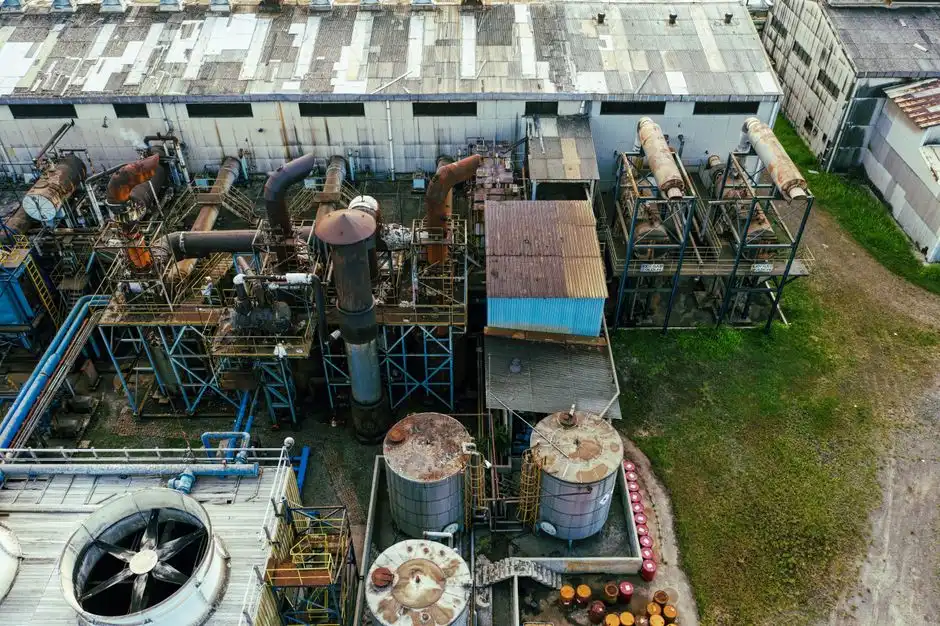
Size membrane capacity from confirmed blowdown flow and the selected recovery rate. Genesis Water Technologies (2026) gives 50–85% as the typical blowdown-RO recovery range. Use the confirmed average and peak blowdown flows, not the 25–30% blowdown illustration alone, when defining membrane area, pumps, controls and chemical-dosing capacity.
The cited 50,000 GPD RO benchmark is US$250,000–500,000 installed and US$1.50–3.00 per thousand gallons treated, including energy, chemicals, membrane replacement and maintenance (Genesis Water Technologies, 2026). The cited MVC benchmark is US$1–3 million for 10,000–30,000 GPD, with 15–25 kWh per 1,000 gallons of distillate.
Ask each bidder for the same OPEX breakdown: energy, chemicals, membrane replacement and labor, plus a replacement schedule and pretreatment assumptions. The reported US$5–15 per thousand-gallon direct-discharge band is a benchmark from water-stressed regions in Genesis Water Technologies (2026), not a Cancun tariff. Obtain the actual local tariff in writing and include hauling, injection and permit fees as separate lines.
Request a written delivery schedule covering engineering, fabrication, factory testing, shipping and commissioning because the supplied research provides no current Cancun delivery lead time. The RO and UF membrane replacement elements should be priced and scheduled against the bidder’s actual system configuration, not generic annual assumptions.
| Cost or schedule item | Published benchmark and scope | Information required from the bidder |
|---|---|---|
| RO skid | US$250,000–500,000 installed for 50,000 GPD; Genesis Water Technologies (2026) | Feed flow, recovery, chemistry basis, skid scope and exclusions. |
| RO operating cost | US$1.50–3.00 per thousand gallons treated, including energy, chemicals, membrane replacement and maintenance; Genesis Water Technologies (2026) | Itemized OPEX and replacement schedule. |
| MVC | US$1–3 million for 10,000–30,000 GPD and 15–25 kWh per 1,000 gallons of distillate; Genesis Water Technologies (2026) | Concentrate feed, thermal utility, availability and distillate-use assumptions. |
| Full ZLD | US$3–8 million CAPEX and US$5–15 per thousand gallons OPEX; Genesis Water Technologies (2026) | Feed chemistry, crystallizer duty, salt disposal and operating assumptions. |
| Local discharge and delivery | No current Cancun tariff or delivery lead time established in the supplied research | Written tariff, permit schedule, manufacturing plan and commissioning dates. |
Lock the Cancun Permits and Procurement Checklist
The procurement gate is documentary evidence: no bidder should be selected until the discharge, injection or reuse route is identified in writing and the receiving authority confirms its applicable requirements. Obtain current permit and tariff information for the selected route, including pretreatment requirements and self-monitoring frequency.
Request site-specific source-water and blowdown analyses for TDS, hardness, silica, alkalinity, suspended solids and residual treatment chemicals. Confirm the cooling design, makeup-water source, cycles of concentration, peak and average blowdown flows, available plant area and utility connections. The cooling-blowdown reuse and discharge treatment guide provides a useful verification structure, but its location-specific conclusions must not be substituted for Cancun evidence.
Use NOM-001-SEMARNAT-2021 as part of the regulatory framework, but do not import a generic or location-specific numeric limit without confirming the current rule and receiving body. The supplied research does not establish a current Cancun-specific numerical table. The buyer should request the applicable discharge limits, local pretreatment rules and monitoring frequency in writing before locking equipment scope.
Compare NF, RO and partial- or full-ZLD bids on the same feed-water basis, recovery target, reuse objective and brine-disposal price. Include pretreatment, controls, antiscalant and biocide dosing, membrane-cleaning provisions, spare parts, monitoring, commissioning and operator training. Make treatment performance guarantees conditional on the agreed feed chemistry and identify the remedy for noncompliance.
| Procurement package | Required evidence or scope | Acceptance gate |
|---|---|---|
| Permit and tariff file | Written discharge, injection or reuse conditions; pretreatment rules; monitoring duties; tariffs | Train and disposal route confirmed before final capacity release. |
| Design-basis data | Source and blowdown analyses; flow profile; cooling chemistry; area and utilities | All bidders size from the same confirmed basis. |
| Technical offer | Filtration, UF, NF or RO, optional MVC, controls, dosing, cleaning and spares | Flow, recovery, permeate quality and chemistry assumptions stated. |
| Commercial offer | CAPEX, itemized OPEX, replacement schedule, delivery milestones and commissioning plan | Comparable basis with local disposal cost included. |
Frequently Asked Questions
What treatment does a data center in Cancun, Mexico need for sanitary wastewater and cooling blowdown?
Sanitary wastewater needs a separate biological treatment system for BOD, solids and pathogen reduction. Cooling blowdown needs filtration followed by UF and then NF or RO when the confirmed reuse or discharge objective requires dissolved-solids control. Optional MVC is justified only when permitted disposal of the residual brine is restricted or materially more expensive.
How much should a Cancun data-center blowdown treatment system cost?
No Cancun-specific quotation is established in the supplied research. Request installed pricing and an itemized OPEX covering energy, chemicals, membrane replacement and labor. Use published benchmarks for comparison: Genesis Water Technologies (2026) cites US$250,000–500,000 installed and US$1.50–3.00 per thousand gallons treated for a 50,000 GPD RO system, while full ZLD is cited at US$3–8 million CAPEX and US$5–15 per thousand gallons OPEX. Require each bidder to use the same confirmed flow and feed chemistry.
How should the cooling-blowdown membrane system be sized?
Base membrane capacity on confirmed blowdown flow, selected recovery and the measured feed chemistry. Genesis Water Technologies (2026) reports 50–85% recovery for blowdown RO, 70–85% for NF and 90–95% for UF pretreatment. Require the bidder to state its design flow, recovery, membrane flux, concentrate flow and peak-load assumptions rather than relying on nominal capacity alone.
What should a buyer check before selecting a treatment supplier in Cancun?
Select a supplier that demonstrates Cancun-specific permit coordination, provides a feed-water and chemistry basis, guarantees membrane flux and recovery, and includes controls, chemical dosing, cleaning, monitoring, commissioning and operator training. Obtain the current permit, pretreatment requirements, self-monitoring duties and local disposal tariff in writing before accepting the bid. The cooling-blowdown reuse and discharge treatment guide can support the technical checklist, but it does not replace Cancun-specific regulatory evidence.
How should NF, RO and partial ZLD bids be compared?
Compare them on the same feed analysis, recovery target, reuse objective, residual-brine route and local disposal price. If the verified permit permits injection, hauling or another lawful disposal route, partial ZLD may reduce discharge volume by 80–90% according to Genesis Water Technologies (2026). Do not select full ZLD based on the published benchmark alone; require lifecycle cost, salt-waste handling and confirmed residual-disposal capacity.