What Domestic Sewage Treatment in Erbil Must Solve
Domestic sewage treatment in Erbil usually means decentralized or packaged treatment for wastewater generated by homes, hotels, hospitals and other occupied sites that cannot rely immediately on a suitable sewer connection. A credible selection begins with flow and load data, effluent objectives, available land, sludge-disposal arrangements and discharge requirements. The WSZ underground package sewage treatment plant combines anoxic/aerobic contact oxidation, sedimentation and disinfection in a buried unit handling 1–80 m³/h. An MBR alternative is available from 10 to 2,000 m³/day and provides filtration below 1 μm. Final equipment selection requires a site-specific wastewater test and confirmation of the applicable Erbil discharge permit.
Domestic sewage treatment means treating wastewater generated mainly by human domestic activities rather than industrial process streams. In Erbil, the initial source inventory may include residential compounds, hotels, hospitals, schools, worker accommodation and mixed-use developments. Each source requires a different assessment of flow, occupancy pattern, wastewater characteristics and downstream obligations.
Local context comes from the Baghdad Science Journal study, The effect of wastewater disposal on the water quality and phytoplankton in Erbil wastewater channel. Researchers investigated pH, chlorophyll-a, phytoplankton and selected physicochemical parameters at three sites in the channel. The monthly surveys ran from May 2003 to April 2004.
That study is historical baseline evidence. It does not establish present-day influent characteristics, treated-effluent performance or current discharge limits. Design should therefore begin with the required objective: basic sanitary treatment, protection of the receiving environment, irrigation, reuse or another defined end use. Each objective carries different treatment and monitoring requirements, and historical channel observations cannot substitute for a current site-specific investigation.
Choose Between Sewer Connection and a Decentralized Treatment Plant
A gravity sewer, pressurized sewer or scheduled tanker arrangement can change the treatment decision before any package is selected. The first question is not which equipment is smallest; it is whether a legally connectable and operationally credible discharge route exists.
Ask the utility or relevant authority whether sewer capacity is available at the connection point, whether construction is planned, what connection fee or works are required, and whether the proposed route can accept the projected flow. For a site without suitable access, a decentralized sewage treatment plant can remove the need for immediate network construction, although it transfers civil works, sludge handling and operating responsibility to the owner.
The academic literature supports decentralized treatment as a legitimate approach. IntechOpen’s Application of Vermifiltration for Domestic Sewage Treatment describes vermifiltration as combining filtration with earthworms and states that it can be decentralized. That example demonstrates the wider move toward distributed treatment; it does not establish the same process architecture or footprint requirements as a packaged biological plant.
| Option | Infrastructure implication | Owner’s continuing responsibility | Decision check |
|---|---|---|---|
| Central sewer connection | Depends on network availability, connection works and the utility’s capacity at the receiving point. | Connection charges, discharge monitoring and compliance with utility requirements. | Confirm legal, technical and economic availability in writing. |
| Scheduled tanker service | Requires holding, access and a reliable collection arrangement. | Recurring logistics, tanker compatibility, transfer risks and final treatment responsibility. | Confirm service continuity, permitted destination and operating cost inputs. |
| Onsite package treatment | Requires treatment, discharge or reuse infrastructure, power, maintenance access and a defined sludge route. | Process operation, maintenance, residuals handling, monitoring and eventual replacement. | Confirm discharge authorization, land availability and the complete operating plan. |
The containerized wastewater treatment comparison for 2025 provides a useful secondary framework, but the local sewerage assessment must remain the controlling input. Request a scaled site plan showing the treatment unit, maintenance access, sludge collection, power, odor-control provisions and every proposed connection or discharge point. A package that fits the property is not approvable until sewer availability, discharge route and permit conditions are confirmed.
Build the Design Basis from Site Data
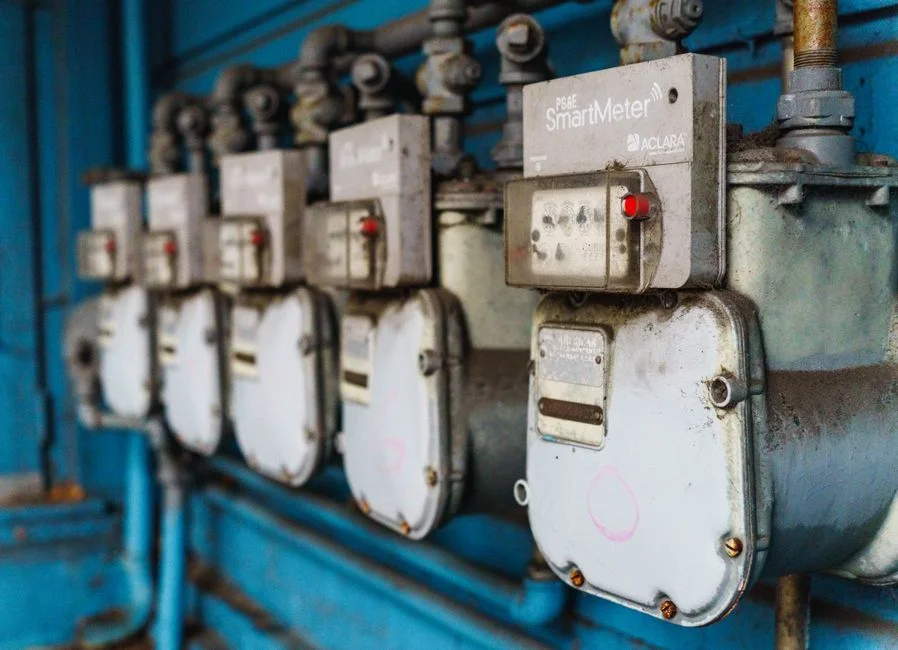
Package sizing should follow verified site data, not an occupancy estimate converted directly into equipment capacity. The supplier and buyer need a common design basis covering quantity, quality, peak conditions, site constraints and receiving requirements.
- Characterize the wastewater. Require flow, pH, suspended solids and organic load, together with the wastewater fractions that may affect biological treatment and disinfection.
- Establish the flow envelope. Provide daily and peak-flow records, projected occupancy, operating hours, seasonal variation, infiltration and any inflow or stormwater-entry risk.
- Define every flow term. State whether each value is average daily, peak hourly or design maximum, and require the bidder to declare its sizing convention.
- Map physical constraints. Collect soil, groundwater, available footprint, burial depth, delivery route, power reliability, odor boundaries and sludge-removal arrangements.
- Fix the discharge objective. Confirm the receiving environment and applicable Erbil requirements with the relevant authority before selecting biological treatment or reuse equipment.
The Baghdad Science Journal study reported pH on the alkaline side of neutrality and significant differences in the supplied excerpt, but the affected locations and complete significance details must be confirmed before design. It measured environmental channel conditions during May 2003–April 2004; it did not provide the current project influent dataset needed to size an onsite treatment unit.
| Design input | Information the buyer must obtain | Why it affects equipment selection |
|---|---|---|
| Flow | Measured daily and peak flow, occupancy schedule, seasonal trend and infiltration condition. | Determines hydraulic and biological loading and whether equalization or pretreatment is needed. |
| Wastewater quality | Site sampling results for pH, suspended solids, organic load and relevant fractions. | Determines biological process suitability, solids removal and disinfection needs. |
| Effluent objective | Current permit, receiving route and any approved reuse application. | Defines the required treatment train and monitoring. |
| Site and utilities | Soil, groundwater, footprint, burial depth, access, power and odor constraints. | Determines civil works, installation method, redundancy and operating arrangements. |
| Residuals | Sludge destination, withdrawal method, storage, transport and disposal responsibility. | Completes the treatment train and exposes lifecycle obligations omitted from headline prices. |
For projects with institutional wastewater, the 2026 hospital effluent design criteria illustrates why source-specific constraints must be handled separately. Do not infer current discharge limits or reuse criteria from the older Erbil channel study; write the confirmed requirements into the supplier specification.
Compare the Treatment Processes Behind Packaged Plants
A complete treatment train normally moves from influent characterization and screening through equalization where required, biological treatment, solids separation, disinfection and sludge handling. The omission of any stage becomes an installation and operating assumption.
According to the HydropureWater verified product catalog, the WSZ Series uses anoxic/aerobic biological contact oxidation followed by sedimentation and disinfection within one buried package unit. In qualitative process terms, microorganisms attached to a media surface break down biodegradable organics, while anoxic and aerobic zones support different treatment functions.
The MBR membrane bioreactor wastewater system combines activated sludge treatment with submerged PVDF membrane filtration. The supplied catalog states filtration below 1 μm and a footprint 60% smaller than conventional systems. These are product-specific claims under the catalog’s stated conditions, not guarantees for every Erbil project.
IntechOpen’s vermifiltration example offers a different decentralized approach: earthworms participate with filtration in treating domestic septic-tank sewage. It requires its own land, operational controls and performance validation and should not be treated as a drop-in substitute for a buried contact-oxidation unit.
| Process option | Core treatment sequence | Project strengths | Principal diligence items |
|---|---|---|---|
| WSZ contact-oxidation package | Anoxic/aerobic contact oxidation, sedimentation and disinfection in one buried unit. | Compact installed architecture and integration of biological treatment, clarification and disinfection. | Confirm media configuration, hydraulic loading, sludge withdrawal, access and performance testing. |
| MBR | Activated sludge followed by submerged PVDF membrane filtration. | Fine filtration and a catalog-reported footprint 60% smaller than conventional systems. | Define membrane cleaning, replacement, monitoring, operator competence and module access. |
| Vermifiltration | Filtration combined with earthworms. | Distributed treatment without reliance on a central sewer. | Validate land requirements, climate sensitivity, hydraulic loading, biosolids handling and regulatory acceptance. |
No process is universally superior. The choice follows from the required effluent objective, verified load, footprint, reuse route and operating capability. A comparison of BOD removal methods should support that process selection, not replace it.
Match Capacity and Equipment Architecture to the Project
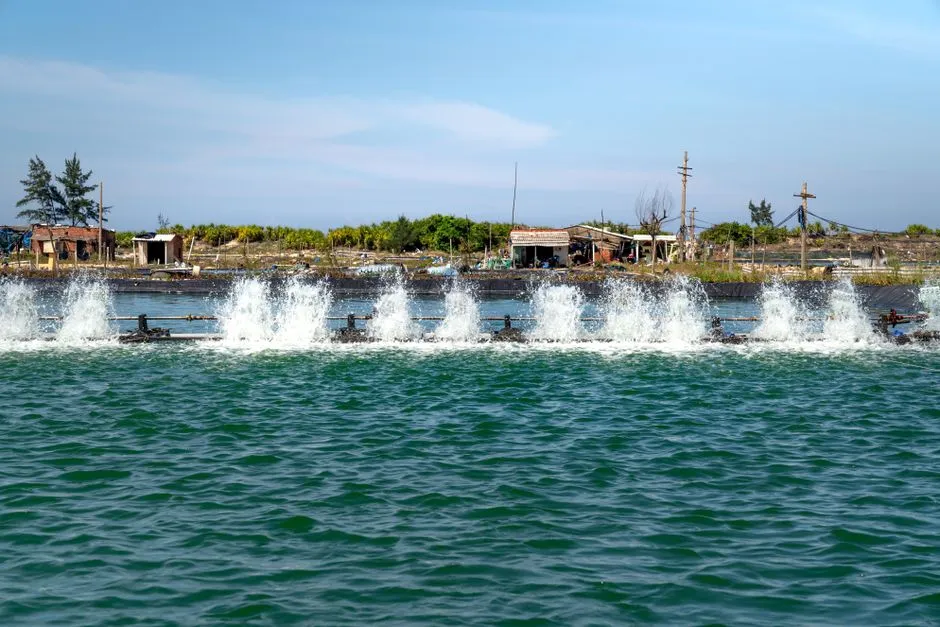
Published package capacity is a screening parameter, not a design-flow conclusion. The buyer must reconcile the stated range with measured wastewater flow and the supplier’s sizing convention.
The HydropureWater verified product catalog states that the WSZ Series handles 1–80 m³/h. That range supports preliminary comparison for occupied sites, but the selected unit must still reflect peak flow, organic load, treatment stages and operating redundancy. The catalog gives the MBR range as 10–2,000 m³/day for larger municipal, industrial-process or reuse comparisons. Because daily and hourly design bases differ, require the supplier to show how daily capacity translates into the hydraulic and biological design used for each unit.
| Capacity item | Published product context | Required procurement check |
|---|---|---|
| WSZ treatment train | 1–80 m³/h in one buried integrated package. | Confirm the proposed operating point, peak treatment method, media loading and treatment-stage capacities. |
| MBR treatment train | 10–2,000 m³/day. | Reconcile daily capacity with peak-hour flow and state membrane and biological design conditions. |
| Headworks | The GX Series rotary mechanical bar screen is described for continuous-duty municipal and industrial screening. | Confirm whether rags, plastics or fibrous debris could overload downstream equipment and whether pretreatment is necessary. |
| Sludge line | Package scope may not resolve withdrawal, storage, transport and disposal. | Price and assign each residual-handling activity, including removal frequency and final destination. |
For a reuse-sensitive project, do not assume that filtration alone authorizes reuse. Confirm the intended reuse route and whether additional polishing or disinfection is required. The catalog describes MBR output as near-reuse-quality, but that description is not blanket authorization for irrigation or any other application.
Where the project includes substantial solids or fibrous material, assess the GX rotary mechanical bar screen as a possible pretreatment element. Residual dewatering can be addressed separately through the plate-frame filter press, but its suitability depends on sludge characteristics, solids capture and the final disposal route.
Plan Installation, Automation and Lifecycle Risk
The selected process must fit the site’s physical and operating conditions throughout its service life. Installation feasibility, automation boundaries and maintenance access therefore belong in technical evaluation, not only in the equipment schedule.
The supplied WSZ catalog states that the unit is fully automated and requires no operator. Treat that as a control claim to be clarified, not proof that the plant needs no human involvement. The RFQ should define routine inspections, laboratory sampling, alarm review, response duties, biological start-up, sludge removal and corrective maintenance.
According to the catalog, WSZ equipment can be installed below grade with landscaping above or mounted on a trailer for mobile deployment. Each configuration has different implications:
- Buried installation requires verified soil and groundwater conditions, excavation planning, access provisions and a coordinated civil and mechanical layout.
- A mobile configuration still requires a stable base, connections, access, power and a defined discharge route; mobility does not remove those obligations.
Assess civil works, power supply, lifting access, odor control, ventilation, bypass provisions, effluent testing and sample points before award. For the MBR option, add membrane cleaning, replacement, monitoring, module access and the operator skill needed for long-term membrane care. The reported 60% footprint advantage must be weighed against those lifecycle demands.
Ask each bidder to identify critical spares, local technician availability, response times, remote-control scope and handover training. The wastewater O&M KPI and reporting guide can help define monitoring information, while the available treatment parts and valves should be checked against the proposed equipment architecture.
Request life-cycle documentation covering routine maintenance, biological start-up, seasonal operation, sludge removal and emergency troubleshooting. If the supplier cannot name the responsible party for each task, the operating cost is incomplete.
Use a Due-Diligence Checklist Before Approving a Supplier
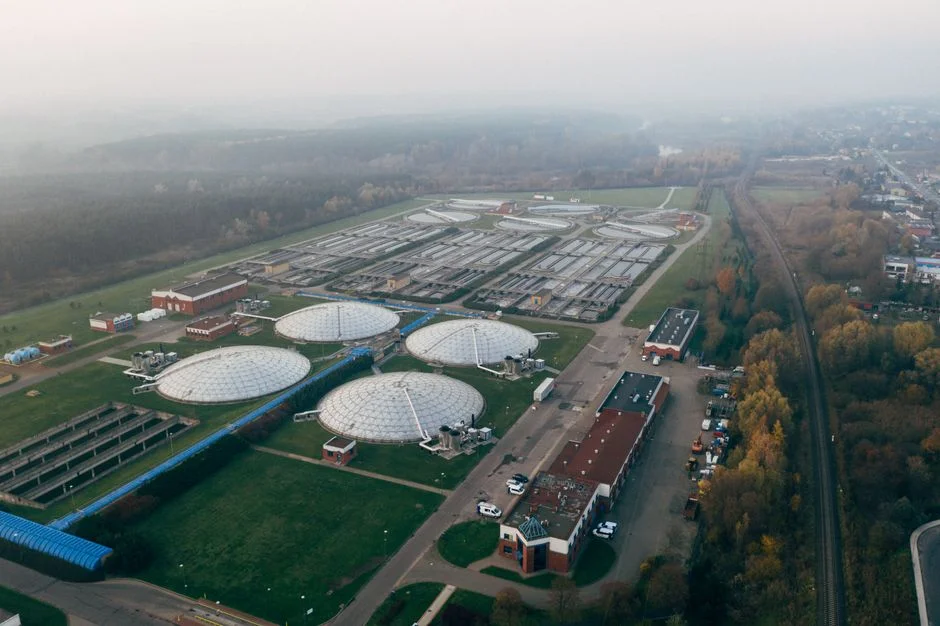
A defensible tender compares equivalent proposals built on one design basis and one performance protocol. Equipment price alone does not cover civil works, utilities, residuals, commissioning, monitoring or lifecycle obligations.
- Issue one common design-basis package. Include flow data, wastewater characterization, effluent objective, site constraints and the intended reuse or discharge route.
- Require equivalent drawings and documents. Ask for a process flow diagram, mass-balance basis, equipment schedule, civil layout, utilities consumption, control philosophy, commissioning plan and O&M manual.
- Test the evidence. Request evidence for the proposed treatment train and a relevant remote case study. Do not accept a generic efficiency percentage without its test conditions and end use.
- Define guarantees and remedies. Cover flow, effluent quality, availability, start-up, training, spare parts and response time, together with exclusions and remedies.
- Assign residual responsibility. Clarify sludge classification, withdrawal, storage, transport, final disposal and associated price.
- Record assumptions and exclusions. Require these in writing so bids can be evaluated against the same installed and lifecycle scope.
- Define verification before signature. Include an appropriate site visit and factory test for the selected package, with acceptance criteria stated in the tender.
| RFQ package | Minimum information required | Acceptable clarification |
|---|---|---|
| Design basis | Daily and peak flow, wastewater results, effluent objective, site plan and utility constraints. | Supplier states its sizing convention, design loads and exclusions. |
| Technical offer | PFD, equipment list, civil interfaces, controls, utilities, commissioning and O&M documentation. | Installed scope and responsibility boundaries are identified. |
| Performance evidence | Applicable reference evidence, test conditions and proposed acceptance protocol. | Evidence is linked to comparable wastewater and operating conditions. |
| Commercial offer | Equipment, freight, civil interfaces, installation, power, sludge handling, training, spares and support. | Total installed and lifecycle costs are separated from exclusions. |
| Risk allocation | Guarantees, response times, start-up obligations, acceptance tests and remedies. | Responsibility for each performance and service commitment is explicit. |
For housing developments, the packaged sewage treatment guidance for housing developments provides a useful document-check example. Adapt it to the verified Erbil site basis rather than treating another city’s design as transferable without supporting data.
Frequently Asked Questions
Which package capacity is suitable for a domestic sewage treatment project in Erbil?
Do not select capacity from the published range alone. The WSZ Series is listed at 1–80 m³/h, while the MBR is listed at 10–2,000 m³/day. Request measured average and peak flows, wastewater loads and the supplier’s sizing convention. The WSZ underground package sewage treatment plant may suit occupied sites requiring integrated anoxic/aerobic contact oxidation, sedimentation and disinfection; the MBR requires reconciliation of its daily range with the project’s hydraulic and biological design.
Should the project specify contact oxidation or an MBR?
Specify the process against the confirmed effluent objective rather than choosing by technology name. WSZ uses integrated anoxic/aerobic contact oxidation, sedimentation and disinfection. The MBR membrane bioreactor wastewater system combines activated sludge with submerged PVDF filtration below 1 μm. The MBR comparison must also address membrane cleaning, replacement, operator competence and reuse-specific polishing.
What should a buyer request before approving an Erbil discharge or reuse proposal?
Request written confirmation of the current receiving route, applicable Erbil discharge requirements and any reuse authorization from the relevant authority. Put the confirmed limits, sampling points, monitoring frequency and intended end use into the tender and performance protocol. Historical channel observations are not current permit criteria and should not be used to infer present compliance.
How should budget, lead time and supplier capability be checked?
Request a bottom-up installed-cost schedule covering equipment, freight, civil works, power, commissioning, sludge handling, training, spares, monitoring and disposal. Ask suppliers to state production or delivery lead time, local technician availability, response time and critical-spares support because the research provides no Erbil-specific price or delivery period. Require those commitments and all exclusions in the commercial offer before selecting on headline package cost.