Which Packaged Sewage Treatment Plant Fits an Almaty Housing Development?
For an Almaty housing development, select a packaged sewage treatment plant from measured daily and peak wastewater flows rather than housing-unit count alone. The WSZ underground integrated sewage treatment plant is suited to smaller communities needing a fully buried, automated package combining A/O contact oxidation, sedimentation, and disinfection; its catalog rating is 1–80 m³/h. For larger developments prioritizing compact installation, biological retention, or reuse-quality effluent, the MBR membrane bioreactor for Almaty housing covers 10–2,000 m³/day. Final selection must follow site-specific wastewater testing, hydraulic modelling, discharge-route requirements, and Almaty’s winter conditions.
These ratings describe different bases of capacity. The WSZ figure is an hourly treatment range, while the MBR figure is a daily range. Neither can be converted into a development capacity from housing units because the supplied research provides no per-capita or per-unit design factor. A bidder should therefore state whether its price covers treated-flow capacity, nominal process equipment, or a complete installed project.
The conditional selection rule is straightforward: use WSZ where an integrated below-grade package, small land take, and conventional domestic-sewage treatment objectives dominate; use MBR where the design flow, tighter effluent requirements, biological-retention requirements, or anticipated reuse justify the additional process scope. Permit conditions remain a prerequisite for either choice.
Size the Plant from the Development's Actual Wastewater Load
The 2026 Almaty buyer guide places residential-development plants in a 200–2,000 m³/day market-planning band, but that range is not a substitute for the project’s design flow (HydropureWater, 2026). The tender should be based on measured or reliably forecast daily flow, peak-hour flow, wastewater characteristics, and the respective contributions of domestic sewage, commercial wastewater, and stormwater infiltration.
Require each bidder to disclose its design-flow basis, peak factor, process-stage capacities, redundancy philosophy, and whether the quoted capacity is treated flow or nominal equipment capacity. The Almaty buyer guide also requires influent and effluent characterization plus a receiving-sewer hydraulic model. The package should be checked against that model and the final permit before equipment is ordered (HydropureWater, 2026).
| Design input | Buyer requirement | Why it affects selection |
|---|---|---|
| Daily wastewater flow | Provide measured data or a documented forecast. | Establishes the average treatment basis. |
| Peak-hour flow | State the peak factor and calculation source. | Tests hydraulic capacity and equalization requirements. |
| Influent characteristics | Submit sampling results for COD, BOD₅, suspended solids, ammonia nitrogen, oils, and other relevant parameters. | Defines biological and pretreatment loading. |
| Wastewater sources | Separate domestic, commercial, and stormwater contributions. | Prevents dilution or peak-loading assumptions from distorting the design. |
| Receiving-sewer model | Provide the approved or current hydraulic model. | Confirms the receiving system and any discharge constraints. |
| Development phases | Tabulate flow, treatment capacity, and redundancy by phase. | Supports phased procurement without premature civil works. |
For a phased scheme, ask the supplier to identify which modules can be installed first, which are duplicated for redundancy, and when additional civil works become necessary. If solids-bearing flows are expected, assess the headworks. A rotary mechanical bar screen for pretreatment protection may need to be included where rags, plastics, hair, or other debris could obstruct pumps and biological stages.
Compare WSZ and MBR for an Almaty Residential Project
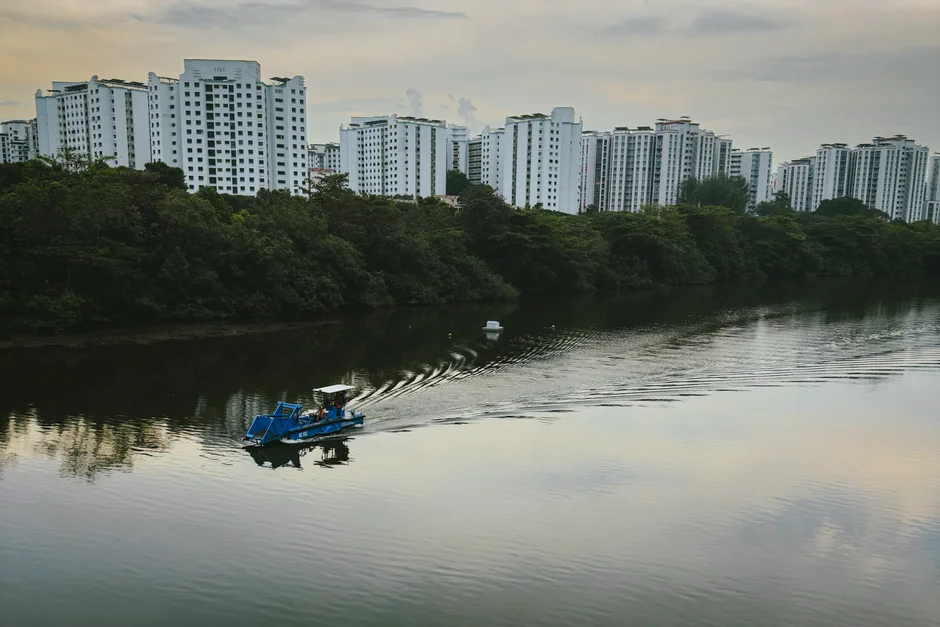
The WSZ and MBR packages use different process architectures, so their catalog capacities and effluent claims must not be treated as interchangeable performance ratings. The decision should follow the discharge route, required effluent quality, available footprint, reuse plan, and life-cycle cost.
| Decision factor | WSZ integrated package | MBR membrane bioreactor |
|---|---|---|
| Process configuration | Integrated anoxic/aerobic biological contact oxidation, sedimentation, and disinfection in one buried package. | Submerged 0.1 μm PVDF membranes retain biomass within the reactor. |
| Catalog capacity | 1–80 m³/h for residential communities. | 10–2,000 m³/day. |
| Installation | Fully automated and suitable for below-grade installation beneath landscaping; catalog information also supports trailer-mounted mobile deployment. | Designed for compact installation; HydropureWater states a 60% footprint reduction versus conventional systems (2026). |
| Primary selection logic | Smaller community systems where a fully buried, integrated package is appropriate. | Larger schemes or projects prioritizing biological retention, compactness, or reuse-quality treatment. |
| Compliance check | Verify final permit limits; do not infer MBR filtration performance from the WSZ catalog. | Confirm that the specified membrane system meets the final permit and any reuse specification. |
| Commercial basis | Request the installed civil, biological, disinfection, controls, and commissioning scope. | Request membrane replacement, cleaning, control, pretreatment, and long-term maintenance scope. |
MBR is the stronger candidate where the project requires tighter biological separation, reliable biomass retention, or a defined reuse-quality objective, subject to final permit limits and life-cycle cost. The 2026 Almaty guide identifies MBR for tight effluent requirements and SBR as a lower-CAPEX alternative where land is available, but the supplied catalog does not include a packaged SBR product (HydropureWater, 2026). A bidder proposing SBR must therefore provide a separate, fully specified technical proposal rather than treating it as an available catalog option.
For larger schemes, the DF-series MBR membrane bioreactor module can be evaluated as a component of the proposed train. Its suitability still depends on the complete hydraulic and process design, including screening, biological capacity, membrane area, solids handling, disinfection, and standby arrangements.
Protect Biological Treatment Through Almaty Winters
The 2026 Almaty buyer guide reports winter minima of −20 to −30°C, summer peaks of +30°C, and an annual average near 6°C (HydropureWater, 2026). A package selected by its dry-weather process performance is therefore incomplete: the biological stage needs a defined cold-weather envelope, startup method, and utility design.
Require an insulated, heated biological enclosure. The same 2026 guide describes MBR as stable at 5°C mixed liquor because the 0.1 μm PVDF membrane retains biomass; SBR as stable with a floating cover and submersible mixers; MBBR as partially stable when carrier fill remains above 40%; and A/O as marginal without full tank heating above 10°C (HydropureWater, 2026). These comparative statements apply only when the stated configuration is provided.
| Winter design item | Supplier evidence required |
|---|---|
| Enclosure | Insulation specification, heat-tracing or heating design, and heat-loss calculation for the biological stage. |
| Temperature control | Design mixed-liquor temperature, temperature measurement points, control logic, and alarm response. |
| Freeze protection | Design conditions for exposed piping, valves, pumps, blowers, instrumentation, and drains. |
| Equipment duty | Confirmed blower, pump, mixer, and heater capacity at the minimum site temperature. |
| Cold startup | Low-temperature startup procedure, biomass seeding method, and stabilization criteria. |
| Household integration | Odor-control method, access arrangement, and coordination with landscaping and utilities. |
Seeding a biological reactor below 10°C mixed liquor requires either imported acclimated sludge from an operating wastewater treatment plant or a 60-day cold-start ramp, according to the 2026 Almaty buyer guide. The tender must therefore assign responsibility for sludge supply, transport, acclimation, and startup performance. It should also require a winter commissioning procedure, not merely a generic factory test.
For housing developments, burial and compactness affect more than space. The design package should define odor capture, vent treatment, access for inspection, safe lifting arrangements, and snow or groundwater conditions around the installation. Those requirements apply whether the chosen train is a buried WSZ package or a more compact MBR installation.
Permits, Effluent Limits, and the Receiving Authority
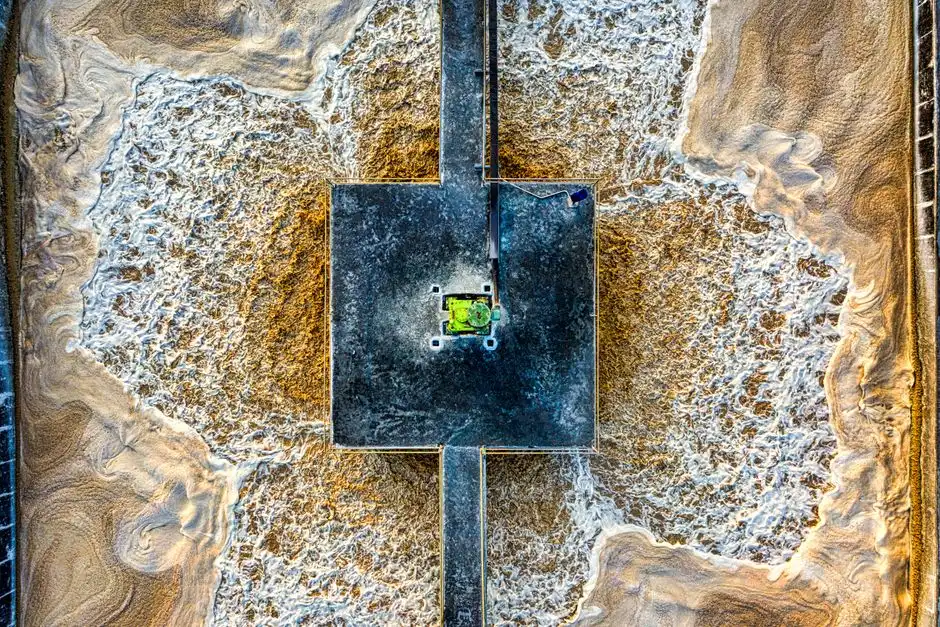
The applicable 2026 permitting route must be confirmed through the Committee for Water Resources and the Balkhash-Alakol Basin Inspectorate, with the responsible local body and current submission format verified during design (HydropureWater, 2026). A supplier’s general statement that its package can meet “municipal standards” does not establish compliance with the discharge route selected for the development.
The 2026 guide cites framework MPD values for industrial effluent discharged to a municipal sewer: COD 500 mg/L, BOD₅ 250 mg/L, suspended solids 100 mg/L, oil products 0.3 mg/L, ammonia nitrogen 15 mg/L, and phosphates 2 mg/L (HydropureWater, 2026, referencing Order of the Minister of Ecology No. 553 of 2022). These are reference values for the stated scope, not automatic housing-development criteria.
The source warns that stricter local limits can apply to discharge to the Ile river basin or at land-application sites (HydropureWater, 2026). Consequently, the tender must state whether the treated effluent will enter a municipal sewer, discharge to receiving water, or be used for land treatment. Each route requires different effluent targets, evidence, and approval conditions.
The 2026 guide reports a 60–120-day permit timeline and requires an influent/effluent characterization report and a receiving-sewer hydraulic model (HydropureWater, 2026). These inputs should be contractual deliverables or buyer-supplied conditions, not assumptions made during equipment selection. The approach follows the same discipline described for packaged sewage treatment plant selection for housing developments: fix the receiving route and enforceable limits before comparing equipment.
Require a treatment-performance guarantee tied to the final permit limits, final design flow, and specified influent or discharge route. Require a defined sampling protocol, laboratory method, frequency, acceptance period, and remedy for non-compliance. If reuse is proposed, add the relevant water-quality and public-health requirements; the MBR catalog description alone does not establish approval for that reuse.
Build a 2026 Supplier and Tender Checklist
A qualifying supplier must show EAC TR CU 010/2011 and GOST-K documentation, Russian-language O&M documentation, and evidence of Kazakhstan or EAEU project experience; ISO 9001 alone is not a substitute (HydropureWater, 2026). The source states that missing EAC or GOST-K documentation can add 4–8 weeks at the Alashankou border, making document review a bid-qualification gate.
| Bid component | Required response | Commercial or technical issue exposed |
|---|---|---|
| Conformity documents | List EAC TR CU 010/2011, GOST-K, and supporting certificates with validity and scope. | Customs and site-acceptance eligibility. |
| Technical scope | Provide drawings, process data, equipment schedules, controls narrative, and civil interfaces. | Whether the offer is a complete plant or only a skid. |
| Civil and installation | Price reinforced-concrete works, excavation, roads, drainage, utilities, lifting, and installation separately. | Hidden site costs. |
| Controls and instrumentation | Itemize the MCC, field instruments, alarms, SCADA connection, and power requirements. | Whether the plant can operate automatically and be maintained locally. |
| Startup and performance | Include seeding, commissioning, training, sampling, and a guarantee against final permit limits. | Accountability for biological and compliance performance. |
| Sludge route | State dewatering method, cake handling, disposal route, and replacement strategy. | Long-term operating and disposal risk. |
| Commercial terms | Separate equipment, freight, customs, installation, commissioning, spares, and exclusions. | Comparability of bids and hidden-price risk. |
Ask bidders to separate equipment, reinforced-concrete civil works, MCC, instrumentation, freight, customs, installation, commissioning, biological seeding, training, and spare parts. A bare biological-skid price is not a turnkey project value. The 2026 guide uses an industrial-plant benchmark of US$0.18–$0.63 per m³ treated and a municipal-plant benchmark of US$0.10–$0.35 per m³ treated as separate operating-cost references (HydropureWater, 2026); neither should be applied directly to a housing scheme without an influent and energy basis.
Where the project includes a biological skid without dewatering, ask the supplier to price a compatible plate-and-frame filter press. The cited equipment range is 1–500 m² of filtration area, and the guide states that the press can produce cake with a dryness of at least 35% dry solids while using 3–6 kg of polyelectrolyte per ton of dry solids (HydropureWater, 2026). The buyer must confirm that the waste is genuinely a filter-press sludge and that the proposed route is operationally and legally acceptable.
Commercial evaluation should also require a delivery schedule, customs assumptions, Incoterm, payment milestones, spare-parts pricing, membrane or consumable replacement assumptions, and exclusion lists. A technically acceptable bid can still create delivery risk if documentation, civil interfaces, or biological startup responsibilities are left undefined.
Plan Delivery and Commissioning Before the First Frost
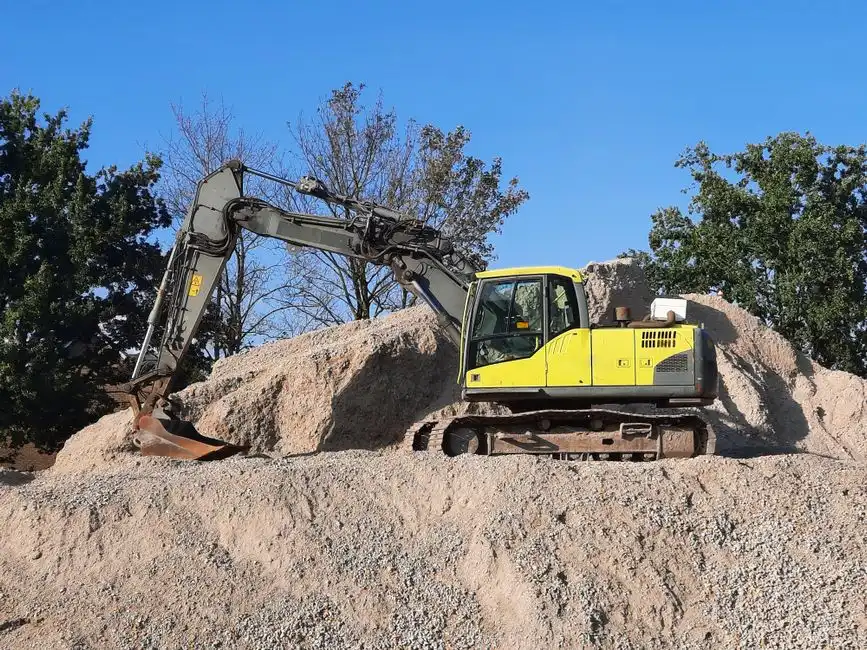
The 2026 Almaty guide reports a total shipment time of 5–7 weeks for a 100–500 m³/day plant using a 40HQ containerized skid: 12–16 days by China Railway Express from Qingdao or Shanghai to Alashankou, 2–3 days by truck to Almaty, and 3–5 days for customs clearance when documentation is complete (HydropureWater, 2026). This is a planning route and timetable, not a universal delivery commitment.
The project schedule must also allow for reinforced-concrete construction and equipment installation over 6–10 weeks where required, followed by a 4–6-week cold-weather commissioning window (HydropureWater, 2026). The 60-day cold-start ramp or acclimated-sludge supply is a schedule obligation, not an optional commissioning detail. It should be linked to the contractor’s milestone payment and performance test.
The source illustrates a sequence of Q1 2026 ordering, Q2 shipment, Q3 civil works, and Q4 commissioning and seeding before January 2027 (HydropureWater, 2026). For a phased housing development, the buyer should adapt that sequence to the first occupied phase and the actual site-readiness date. Ordering the full project before the first phase is ready can create storage, custody, and warranty complications.
Require the supplier to state:
- The origin, packing list, shipping mode, Incoterm, and shipment assumptions.
- The document-production lead time and responsibility for EAC, GOST-K, notarization, and customs records.
- The date each civil-work interface will be released for installation.
- The site-ready date for each operating module and responsibility for storage and preservation.
- The biological-seeding route, acclimation period, and commissioning acceptance criteria.
- Who bears delay, customs, damage, and biological-startup risk.
The procurement gate should be a completed, permit-aligned process design with site data—not the issuance of a purchase order. Once the bill of lading has been issued, the guide states that every design change adds 4–6 weeks to the schedule and 5–10% to the budget (HydropureWater, 2026). Those are the source’s stated planning effects and should be used as change-control reasons to freeze the design before shipment.
Frequently Asked Questions
Which packaged sewage treatment plant should an Almaty housing development choose?
Choose from the site-specific design flow and discharge requirements, not the number of homes. The WSZ package is rated at 1–80 m³/h and combines buried A/O contact oxidation, sedimentation, and disinfection for smaller communities. The MBR system is rated at 10–2,000 m³/day and is more appropriate for larger schemes or projects prioritizing biological retention, compact installation, or reuse-quality treatment. Require measured flows, peak factors, wastewater testing, the receiving-sewer model, and final permit limits before selecting either system.
What will a packaged sewage treatment plant cost for an Almaty housing project?
The supplied research does not provide a universal housing-development price. Its 2026 industrial-plant benchmark is US$80,000–$140,000 for a 100 m³/day biological skid, rising to US$180,000–$280,000 with pretreatment, sludge dewatering, MCC, and CIP Almaty freight (HydropureWater, 2026). Use this only as an industrial benchmark, not a housing quotation. Request itemized prices for the biological process, civil works, controls, pretreatment, sludge handling, freight, customs, installation, commissioning, training, and spares so that bids have equivalent scope.
Which supplier documents are required for an Almaty tender?
Require evidence of EAC TR CU 010/2011 and GOST-K certification, Russian-language O&M documentation, and Kazakhstan or EAEU project references; ISO 9001 alone is not a substitute (HydropureWater, 2026). During qualification, verify the certificate numbers, issuing bodies, validity, product scope, and manufacturer consistency. A supplier that cannot provide this evidence should be treated as a delivery and customs risk rather than relying on a post-award document promise.
How long does permitting, shipment, and commissioning take?
The 2026 Almaty guide reports a 60–120-day permit pathway with mandatory influent/effluent characterization and a receiving-sewer hydraulic model (HydropureWater, 2026). It also reports 5–7 weeks for shipment to Almaty, 6–10 weeks for installation where reinforced-concrete work is required, and a 4–6-week cold-weather commissioning window. These activities can overlap only where dependencies permit. Missing EAC or GOST-K documentation may add 4–8 weeks at Alashankou, so the supplier’s document schedule must be reviewed before award.
Does an MBR package automatically solve Almaty’s winter and compliance risks?
No. The 2026 guide describes MBR as stable at 5°C mixed liquor because the 0.1 μm PVDF membrane retains biomass, but the biological stage still needs an insulated, heated enclosure and a defined winter startup procedure (HydropureWater, 2026). Compliance depends on the final permit, discharge route, hydraulic model, pretreatment, and enforceable guarantee. Membrane retention does not replace site-specific design or regulatory approval.