Why Almaty Industrial and Municipal Buyers Are Sourcing WWTP Plants from China in 2026
Three packaged wastewater treatment plants delivered to Almaty Region between 2022 and 2024 failed their first winter — biological stages lost nitrification at −18°C, the operators had to dump untreated effluent into municipal sewer, and the basin inspectorate issued remediation orders. The common thread was not bad equipment: it was undersized pretreatment, no heated enclosure, and a biological reactor sized for a Shandong climate rather than a continental Almaty winter. That failure mode is the entry point for every procurement conversation happening in 2026.
Three industrial segments are driving the 2026 demand wave. Food processing — meat, dairy, and fruit concentrate around Almaty and Kapchagay — generates high-COD effluent (3,000–8,000 mg/L) that requires biological treatment plus sludge handling. Oil & gas service camps in the Kyzylorda-direction fields need packaged units that can be installed in remote, cold-exposed sites. Residential developments in Alatau and Karasai districts require municipal-grade plants in the 200–2,000 m³/day band, tied to the Almaty Water utility's MPD limits. Across all three, the climate is the deciding variable: Almaty winter minima reach −20 to −30°C, summer peaks hit +30°C, and the annual average sits near 6°C (per Kazakhstan hydrometeorological records, 2025-12 update). Open-tank biological treatment collapses between November and March unless the reactor is fully enclosed, heated, and seeded with cold-acclimated biomass.
China-origin packaged plants dominate shortlists because of price. Made-in-China listings for small WWTPs cluster at US$4,000–$20,000 per set (1-set MOQ, 2026 marketplace snapshot). That price band covers the biological skid only — not the civil works, MCC, instrumentation, freight, or commissioning. A 100 m³/day industrial plant that ships at US$7,000 from Qingdao becomes a US$120,000–$180,000 turnkey project once the engineering envelope is added. The mistake to avoid is treating the Alibaba quote as the project budget.
Kazakhstan Discharge Compliance: 2021 Ecological Code and Basin Inspectorate Requirements
Kazakhstan's Ecological Code No. 188-VI, signed 2 January 2021, replaced the 2007 Water Code and consolidated water permitting under the Committee for Water Resources and eight basin-level inspectorates. The Almaty region falls under the Balkhash-Alakol Basin Inspectorate, one of eight territorial units covering Ile-Balkhash, Aral-Syrdarya, Ishim, Irtysh, Ural-Caspian, Shu-Talas, Nura-Sarysu, and Balkhash-Alakol catchments.
Discharge permits are issued against Maximum Permissible Discharge (MPD) limits set under Order of the Minister of Ecology No. 553 (2022, framework values referenced for 2026 industrial effluent to municipal sewer): COD 500 mg/L, BOD₅ 250 mg/L, suspended solids 100 mg/L, oil products 0.3 mg/L, ammonia nitrogen 15 mg/L, phosphates 2 mg/L. Stricter local limits apply for discharge to the Ile river basin or to land application sites. New permit timelines in 2026 run 60–120 days, with a mandatory influent/effluent characterization report and a hydraulic model for the receiving sewer. A manufacturer that cannot produce a process design tied to these MPD figures — and to the Balkhash-Alakol inspectorate's submission format — should be removed from the shortlist.
The certification matrix a qualifying supplier should hold:
| Certification | Scope | Why it matters in 2026 |
|---|---|---|
| ISO 9001:2015 | Quality management | Base requirement for most Almaty EPC tenders |
| ISO 14001:2015 | Environmental management | Often required by oil & gas service-camp operators |
| CE marking (Machinery Directive 2006/42/EC) | EU mechanical safety | Accepted as proxy for mechanical compliance; GOST-K still required separately |
| EAC TR CU 010/2011 | EAEU machinery safety | Required for customs clearance into the Eurasian Economic Union |
| GOST-K approval | Kazakhstan national standards | Issued by KazStandard; needed for utility acceptance |
Suppliers that quote only "ISO 9001" without an EAC or GOST-K reference cannot clear Kazakh customs efficiently and will burn 4–8 weeks of project schedule at the Alashankou border.
Process Comparison: MBR, SBR, MBBR, and A/O for Almaty Conditions
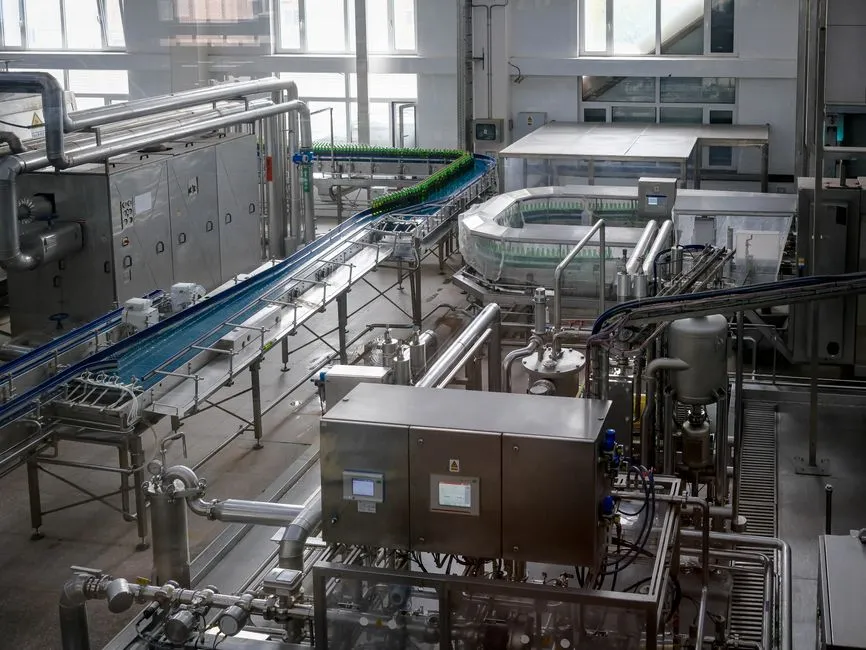
The four process trains that appear on every Almaty shortlist are MBR, SBR, MBBR, and A/O. They differ in effluent quality, footprint, and — most importantly for Almaty — winter resilience. The biological stage must be inside an insulated, heated enclosure for any of them to work between November and March; the comparison below assumes that envelope is in place.
| Parameter | MBR | SBR | MBBR | A/O |
|---|---|---|---|---|
| Effluent COD | ≤30 mg/L | ≤50 mg/L | ≤60 mg/L | ≤80 mg/L |
| Effluent BOD₅ | ≤5 mg/L | ≤10 mg/L | ≤15 mg/L | ≤20 mg/L |
| Footprint (m²/m³/day) | 0.15–0.30 | 0.40–0.60 | 0.25–0.40 | 0.50–0.80 |
| Winter performance at 5°C mixed liquor | Stable; membrane retains biomass | Stable with floating cover and submersible mixers | Partial; carrier fill must stay above 40% | Marginal; requires full tank heating above 10°C |
| Sludge yield (kg MLSS/kg COD) | 0.3–0.4 | 0.4–0.5 | 0.4–0.5 | 0.5–0.6 |
| CAPEX tier (relative) | High | Medium | Medium-high | Low |
| Best fit | Reuse, tight effluent limits, water reuse | Low-OPEX municipal | Retrofit into existing basin | Pre-treatment only, needs tertiary MBR |
The submerged MBR membrane bioreactor system from HydropureWater covers 10–2,000 m³/day and achieves a 60% footprint reduction versus conventional activated sludge, with PVDF 0.1 μm membranes that hold nitrifiers inside the reactor when temperatures dip. For a dairy plant or slaughterhouse in Almaty Region that needs to discharge below the MPD with no margin, MBR is the safest process. For a 1,000 m³/day municipal plant with land available and a tighter CAPEX ceiling, SBR is the conventional pick. MBBR fits when an existing concrete basin is being retrofitted and the operator wants biological capacity uplift without deep tank work. A/O by itself is rarely the right answer in Almaty; it is a pretreatment stage that must be followed by tertiary MBR or a polishing step if the plant is to meet BOD₅ 20 mg/L reliably through a cold snap. The broader market direction is covered in the membrane bioreactor market growth 2026 outlook.
Pretreatment and Sludge Handling: DAF, Lamella Clarifiers, and Filter Presses
Most 2022–2024 Almaty biological-stage failures started 30 days after startup with clogged aerators, foam, and bulking sludge. The cause was almost always undersized or missing pretreatment, not a bad biological reactor. Headworks and sludge handling are the sections of the train that determine whether the rest of the plant runs for a year or for a week.
The first unit on the influent line is a rotary mechanical bar screen for headworks protection — HydropureWater's GX Series runs continuous-duty with stainless rake teeth and self-cleaning brush discharge, handling rags, plastic, fruit solids, and animal hair that would otherwise blind downstream pumps and aerators. The next step for food, dairy, slaughterhouse, and oil-contaminated wastewater is a DAF system for food and oil-contaminated wastewater — HydropureWater's DAF line covers 4–300 m³/h in 13 standard models, using micro-bubble flotation to remove fats, oils, and floated colloids before they reach the biological stage. A lamella clarifier with surface loading 20–40 m/h can be substituted where chemical-physical pretreatment is the goal, cutting coagulant and flocculant dose by roughly 30% versus a conventional settling tank.
Sludge from the DAF and biological stage goes to a plate and frame filter press for sludge dewatering — filtration area range 1–500 m², cake dryness ≥35% DS with 3–6 kg polyelectrolyte per ton dry solids. The press turns a 99% water sludge into a stackable cake that can be trucked to a landfill or used in land reclamation. Skip the press and the operator pays continuously for liquid sludge hauling — at 2026 Almaty disposal rates, that is US$15–$30 per wet ton. A 100 m³/day industrial plant that skips the press will spend roughly US$40,000–$80,000 a year in liquid sludge disposal; with a press, the figure drops below US$15,000.
2026 CAPEX and OPEX Benchmarks for Almaty Industrial and Municipal WWTPs
Quotations should be benchmarked against 2026 USD/m³/day figures before contract signature. The numbers below are market ranges for a turnkey skid-mounted plant delivered CIP Almaty, including engineering, civil works interface, MCC, instrumentation, freight, and commissioning — not the bare Alibaba-listed skid.
| Plant class | Capacity | CAPEX (US$/m³/day) | Main driver of cost |
|---|---|---|---|
| Industrial WWTP | 50–500 m³/day | 250–1,400 | Influent strength, MBR inclusion, sludge line |
| Municipal WWTP | 500–5,000 m³/day | 180–600 | Civil works, basin size, aeration capacity |
| Small community packaged unit | 10–50 m³/day | 400–1,800 | Containerization, heating, automation |
| Made-in-China.com low-end reference | 10–200 m³/day | 30–200 (skid only) | Biological skid without turnkey scope |
OPEX for an industrial plant in 2026, per cubic meter treated: electricity US$0.06–$0.18 (aeration dominates, per the aeration energy cost optimization 2026 guide), chemicals US$0.03–$0.12, sludge disposal US$0.04–$0.18, labor US$0.05–$0.15. Total operating cost lands at US$0.18–$0.63 per m³ for an industrial plant and US$0.10–$0.35 per m³ for a municipal plant with a higher throughput. Rail freight from eastern China via the Alashankou (Khorgos) crossing adds 12–18% of equipment value in 2026, with CIP Almaty versus EXW shifting both that line item and the customs risk.
Vetting a WWTP Manufacturer: 10-Point Checklist for 2026 Almaty Procurement
Use the checklist below as a hard filter. A "yes" on fewer than seven items is a downgraded bid; a "yes" on fewer than five is a disqualification.
- Documented Kazakhstan or EAEU reference projects — at least one operating plant in CIS territory, with named client and year.
- ISO 9001:2015 and ISO 14001:2015 certificates, current and traceable to a recognized accreditation body.
- CE marking and EAC TR CU 010/2011 declaration for the specific equipment line, not a generic corporate certificate.
- In-house membrane fabrication (if MBR is in scope) and in-house electrical panel building with UL or IEC-tested components.
- Bilingual engineering documentation in Russian and English, including P&IDs, GA drawings, O&M manuals, and wiring diagrams.
- Factory Acceptance Test (FAT) video protocol — recorded at the supplier's shop before shipment, with the buyer invited to attend remotely.
- On-site commissioning capability in Almaty Region, with a service team that can mobilize within 5–7 days.
- 12–24 month performance warranty backed by a bonded bank guarantee, not just a manufacturer's letter.
- Remote SCADA monitoring with VPN access and a defined alarm escalation tree.
- Spare parts consignment stocked in Almaty or Almaty Region — at minimum, membrane modules, blower service kits, sensor probes, and a spare PLC.
Suppliers that claim "650+ installations worldwide" but cannot name a single EAEU export are a red flag. The documentation gap is consistent: no GOST-K approval, no Russian-language O&M manual, and no experience with the 10–14-day customs clearance at Alashankou. Payment terms should be 30% T/T advance, 60% against B/L copy, 10% after Site Acceptance Test — 100% advance terms are common on small Alibaba listings and should be rejected for any plant above US$50,000 of equipment value. A useful frame of reference for the broader process and cost trade-offs in the region is the industrial wastewater treatment in Samarkand engineering guide, which covers a similar Central Asia compliance environment.
Logistics, Installation, and Cold-Weather Commissioning in the Almaty Region
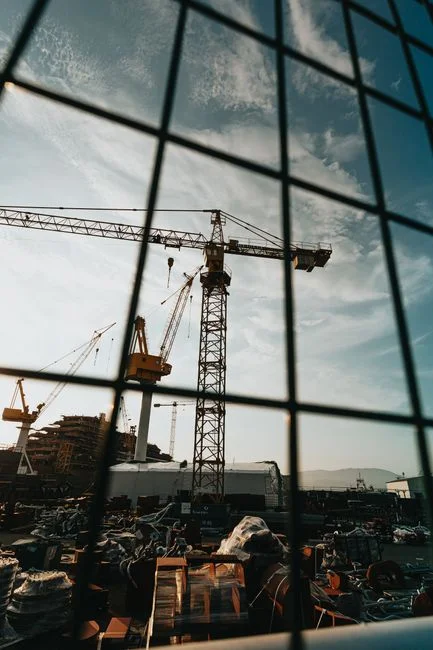
Buying the plant is the easy part; getting it running before the first hard frost is the engineering challenge. The default freight route for a 40HQ containerized skid in 2026 is China Railway Express from Qingdao or Shanghai to Alashankou (Khorgos) in 12–16 days, then 2–3 days of trucking to the Almaty job site. The border crossing itself typically takes 3–5 days for cleared cargo with EAC documentation, longer if GOST-K or notarized certificates are missing. Total transit from order to job site lands at 5–7 weeks for a 100–500 m³/day plant.
On-site scope the buyer must plan for: reinforced concrete tank construction (if not fully packaged), equipment installation over 6–10 weeks, and a 4–6 week cold-weather commissioning window. Seeding a biological reactor below 10°C mixed liquor requires either imported acclimated sludge from a running WWTP or a 60-day cold-start ramp; the latter is the most common cause of failed 2023–2024 plants in the region. Practical timeline: place the order in Q1 2026, ship in Q2, complete civil works in Q3, commission and seed in Q4, and reach stable operation before the January 2027 frost. Skid selection, tank sizing, and instrumentation should be locked in the engineering phase, not the procurement phase — every change after the B/L is issued adds 4–6 weeks to the schedule and 5–10% to the budget.
Frequently Asked Questions
What does a 100 m³/day industrial WWTP cost in Almaty in 2026?
A turnkey industrial plant in the 50–500 m³/day band lands at US$250–$1,400 per m³/day installed, so a 100 m³/day project sits in the US$80,000–$140,000 range for the biological skid, scaling to US$180,000–$280,000 with pretreatment, sludge dewatering, MCC, and CIP Almaty freight (2026 market benchmark).
Which WWTP process works best below −20°C in Almaty?
MBR inside a fully insulated, heated enclosure holds nitrification reliably at 5°C mixed liquor because the 0.1 μm PVDF membrane retains biomass; A/O without heating collapses below 10°C, and SBR/MBBR require floating covers or carrier fill above 40% to stay stable.
How long does it take to ship a packaged WWTP from China to Almaty?
A 40HQ skid on the China Railway Express from Qingdao to Alashankou runs 12–16 days, with another 2–3 days by truck to Almaty and 3–5 days of customs clearance if EAC TR CU 010/2011 and GOST-K documentation is in order; total transit is 5–7 weeks in 2026.
Do Chinese WWTP manufacturers hold EAEU customs certification?
Only a minority do — EAC TR CU 010/2011 declaration and GOST-K approval are required, and suppliers without them typically burn 4–8 weeks at the Alashankou border; the shortlist must include proof of both certificates, not just ISO 9001.
What is the difference between MBR and SBR for an Almaty food processing plant?
MBR delivers effluent COD ≤30 mg/L and BOD₅ ≤5 mg/L with a 0.15–0.30 m²/m³/day footprint and 0.3–0.4 kg MLSS/kg COD sludge yield, while SBR delivers COD ≤50 mg/L and BOD₅ ≤10 mg/L with 0.40–0.60 m²/m³/day and 0.4–0.5 kg/kg COD — pick MBR when reuse or tight discharge limits apply, SBR when low OPEX is the priority.