Which Treatment Fits Each Mining Wastewater Stream?
For mining and metals wastewater in Orondo, choose dissolved air flotation (DAF) when the target load is oily, buoyant, colloidal, or can be made flocculable; choose a conventional or lamella clarifier when dense mineral fines settle readily. DAF is poorly suited to raw streams dominated by heavy nonfloating silt and clay, according to Fluence’s published boundary. The defensible 2026 selection starts with representative testing of each source, peak flow, pH, metals, TSS, oils and greases, settleability, and floatability—not average flow or the word “clarifier” in a proposal. Mixed streams may require clarification followed by DAF polishing, with equalization, chemical dosing, and sludge dewatering included in the complete treatment train.
A DAF unit may be called a flotation clarifier, but that label does not make it equivalent to a gravity-settling clarifier. DAF separates by flotation: conditioned particles attach to microbubbles, rise, and are skimmed from the surface. Gravity clarification relies on settleable particles descending into a bottom collection zone. Lamella clarification preserves that gravity mechanism while inclined plates increase effective settling area within a more compact tank.
Dissolved metals are not removed directly by either mechanism. Their capture generally requires precipitation or another conditioning step that converts dissolved species into separable solids. The bid package must therefore distinguish total metals from dissolved metals and metals attached to settleable solids, floatable solids, or colloids.
| Wastewater fraction | Mechanism with strongest fit | Design question |
|---|---|---|
| Heavy sand, grit, dense mineral fines | Gravity settling or lamella separation | Do they settle readily under representative chemistry? |
| Oil, grease, buoyant solids, flotation reagents | DAF | Will conditioning make the target floatable? |
| Colloidal solids and fine precipitates | DAF after coagulation and flocculation | What chemistry and pilot results establish attachment? |
| Dissolved metals | Precipitation followed by solids separation | Which measurable dissolved fraction must be converted? |
| Mixed heavy and buoyant fractions | Clarifier followed by DAF, if testing justifies it | Does one train achieve the required separation and sludge duty? |
For a floatable or flocculable load, evaluate an industrial DAF system. For dense settleable solids and compact gravity separation, evaluate a high-efficiency lamella clarifier. Neither selection is complete until the measured contaminant fractions and proposed chemical program are included.
Build the Design Basis Before Naming Equipment
A representative, stream-specific characterization is the minimum defensible basis for sizing a mining wastewater treatment train. A single averaged sample cannot establish hydraulic loading, chemical demand, transient sludge production, or floatability across process, contact, and stormwater inflows.
Require flow records by source, peak flow, batch-discharge profiles, stormwater contribution, equalization data, and the percentage contribution from each stream. The wastewater data package should include TSS, particle-size distribution, settleability, solids density where available, oils and greases, temperature, pH, alkalinity, total and dissolved metals, and representative grab samples. Document expected sludge volume and moisture content, available storage time, dewatering method, and disposal route as design inputs rather than leaving them for installation.
This characterization also controls the treatment boundary. Gross solids may require protection before the selected separator; if the source includes dense or fibrous material, evaluate where a continuous-duty mechanical bar screen belongs. Chemical conditioning must be specified against the measured wastewater, not reduced to a generic “polymer skid.” Use the coagulant dosing system design criteria to define pH control, mixing, contact, dose control, and verification requirements.
| Design input | Required information | Why it changes the selection |
|---|---|---|
| Hydraulic profile | Source flows, peak flow, batch and stormwater events, equalization | Sets surface area, transfer capacity, controls, and surge handling |
| Solids behavior | TSS, particle size, settleability, floatability, solids density | Determines whether flotation or gravity separation fits |
| Chemistry | pH, alkalinity, temperature, total and dissolved metals, oils and greases | Sets precipitation, coagulation, flocculation, and materials requirements |
| Transient behavior | Grab samples across production and cleanup cycles | Exposes chemical demand and sludge loads hidden by averages |
| Sludge route | Expected volume and moisture, storage, dewatering, disposal | May determine whether flotation or gravity settling is economical |
| Test program | Bench-scale and pilot conditions, doses, performance observations | Connects equipment selection to demonstrated wastewater behavior |
Aries states that bench-scale jar testing can determine removal efficiencies, flotation characteristics, and the chemical program, with a laboratory report documenting the DAF design variables. Kemco likewise recommends on-site visits, testing, and pilot studies to determine plant requirements. The pilot report should identify the wastewater source, chemical doses, flow condition, temperature, test method, sampling point, and observed separation—not merely report a removal percentage.
Compare DAF, Conventional Clarification, and Lamella Clarification
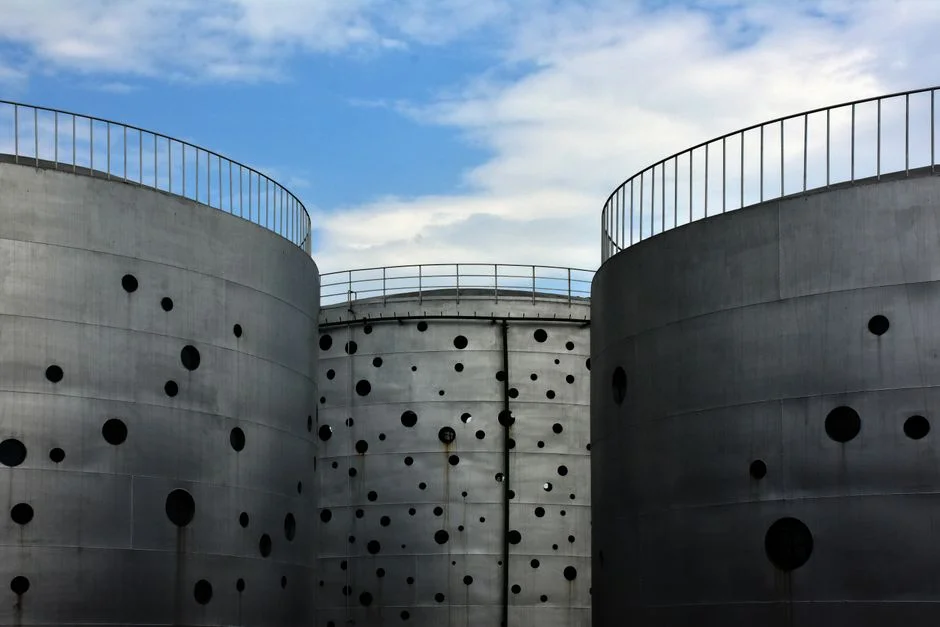
DAF, conventional clarification, and lamella clarification separate different contaminant fractions, so comparing only tank price or product names produces a misleading procurement result.
In DAF, recirculated water is pressurized and saturated with air. On release into the flotation tank, microbubbles form, attach to conditioned particles, and carry them to the surface for skimming. Aries describes approximately 100 psi recycle pressure and approximately 30 µm microbubbles in its equipment. Clearwater information dated April 27, 2026 describes 30–50 micron microbubbles. These are published equipment references, not universal design requirements.
A conventional clarifier uses gravity to collect dense solids below the overflow. A lamella clarifier adds inclined plates to multiply effective settling area, reducing footprint without changing the gravity-separation principle. Aries identifies suspended solids, oils and greases, and other insoluble impurities as DAF targets. Clearwater identifies oils, greases, flotation reagents, biological flocs, fine precipitates, and conditioned colloidal material as flotation targets. Dense mineral fines and tailings-type solids remain the clearer fit for gravity clarification.
HydropureWater states that its lamella clarifier combines sludge recirculation, flocculation, and inclined-plate separation, with surface loading rates of 20–40 m/h and up to 30% chemical-consumption reduction. These are product claims and should be checked against the measured design basis, pilot chemistry, and guaranteed operating scenario.
| Comparison item | DAF | Conventional clarification | Lamella clarification |
|---|---|---|---|
| Separation mechanism | Microbubble flotation and surface skimming | Gravity settling and bottom withdrawal | Gravity settling with inclined plates |
| Target fraction | Conditioned oils, greases, colloids, reagents, and fine precipitates | Readily settleable mineral solids | Readily settleable mineral solids in a compact footprint |
| Main limitation | Heavy nonfloating silt and clay can overload flotation | Colloidal, buoyant, oily, and dissolved fractions may remain | Same fraction limitations as gravity separation |
| Major utilities | Compressor and high-pressure recycle pump | Rake or sludge-withdrawal mechanism | Sludge recirculation and withdrawal |
| Chemical dependency | Coagulation, pH adjustment, and flocculation may be central to attachment | Flocculation may assist settling | Flocculation and recirculation are integral to the stated product design |
| Sludge route | Surface float is skimmed | Underflow is withdrawn | Recirculated sludge and underflow require collection |
| Combined-train role | Polishes residual buoyant or colloidal material | Removes the heavy fraction first | Can provide compact primary clarification before flotation |
Compare recycle pumps, skimming or sludge withdrawal, chemical demand, controls, materials, maintenance, and downstream sludge dewatering together. In a combined train, the clarifier removes heavy settleable material before DAF addresses the buoyant or colloidal fraction. Do not require two units unless testing demonstrates two distinct loads or a polishing requirement.
Size the System for Peak Flow, Solids, and Chemistry
DAF sizing for variable mining flow must address peak hydraulic duty, peak solids production, and equalization rather than average flow alone.
Commercial guidance in the supplied research places DAF hydraulic loading typically at 2–6 gpm/ft² of surface area. Require the bidder to identify the peak flow, equalization strategy, surface area, and selected loading basis. The same source recommends sizing variable-flow mining applications against peak solids mass loading so the skimmer and sludge system can manage maximum sludge production.
That source also states that DAF energy demand is typically 0.5–1.5 kWh/m³ and that an air-to-solids ratio of 0.01–0.05 mL air per mg solids is typically used for mineral-particle buoyancy. Those values are vendor-selection references, not guarantees. Ask each bidder to state its recycle pressure, air release, compressor and recycle-pump duty, and the pilot basis supporting the proposed air-to-solids condition.
The same commercial guidance states that DAF can achieve 90–99% removal of suspended solids and oil/grease under appropriate influent and pretreatment conditions. Use this only as preliminary screening information. The enforceable value must come from site-specific testing and a defined acceptance test.
| Sizing or operating parameter | Published reference | Vendor submission required |
|---|---|---|
| DAF hydraulic loading | Typically 2–6 gpm/ft² in the supplied commercial guidance | Surface area, design flow, peak flow, equalization, and calculation |
| Solids duty | Peak mass loading is recommended for variable-flow mining applications | Peak solids rate, skimming duty, sludge withdrawal, and carryover assessment |
| Energy demand | Typically 0.5–1.5 kWh/m³ in the supplied commercial guidance | Compressor, recycle pump, controls, duty, and power assumptions |
| Air-to-solids ratio | Typically 0.01–0.05 mL air per mg solids in the supplied commercial guidance | Proposed basis and verification against pilot results |
| Removal performance | 90–99% TSS and oil/grease removal under appropriate conditions in the supplied commercial guidance | Defined influent, chemical doses, test method, sampling point, and guarantee |
Require equalization where batch discharges or stormwater create surges. Chemical feed should be flow-paced and coordinated with pH instrumentation, alarms, level control, skimmer or sludge withdrawal, and skid interlocks. Specify a PLC-controlled coagulant and flocculant dosing system with storage, containment, duty/standby provisions, and chemical-use assumptions in the controls scope.
Compare Capital, Operating, and Sludge Costs
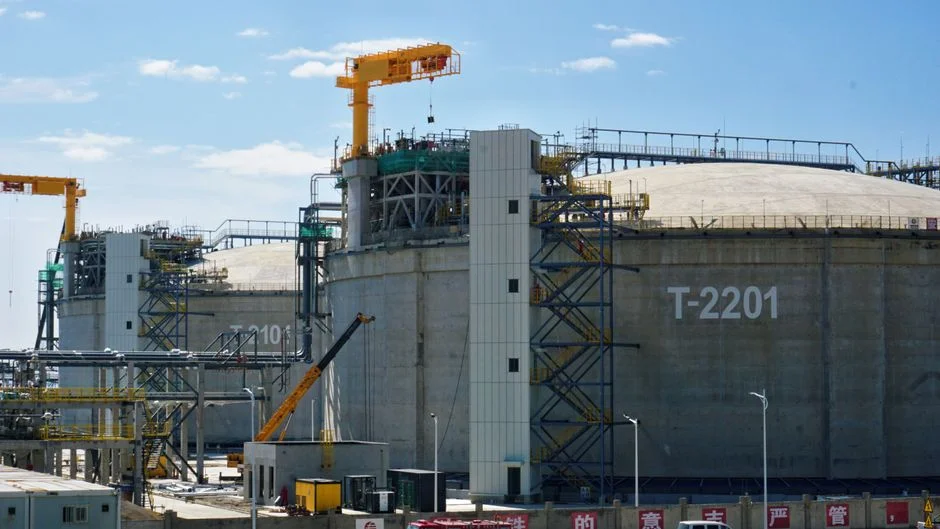
Published DAF and clarifier capital ranges are broad screening indicators, not comparable Orondo quotations. One supplied commercial source places industrial DAF capital costs typically at $80,000–$350,000 and conventional circular clarifiers typically at $50,000–$200,000, with capacity and materials driving the range. A separate HydropureWater article places industrial-grade DAF capital costs typically at $150,000 to over $1.5 million and describes a 20–30% premium over base-model municipal units for heavy-duty sludge handling.
Those ranges overlap and are not directly comparable. Their treatment of civil work, pretreatment, controls, installation, chemical systems, materials, and dewatering is not defined consistently. Label them as published indicative ranges and require each bidder to price the installed treatment-train boundary.
A conventional concrete clarifier may consume more civil footprint than compact lamella equipment. DAF adds compressor and high-pressure recycle-pump energy; the supplied research cites typical DAF demand of 0.5–1.5 kWh/m³, but actual duty depends on the selected process and design assumptions. Chemical consumption, sludge moisture, dewatering demand, operator labor, maintenance, wear parts, and disposal frequency can change the economic result.
| Cost element | Bid information required | Reason it matters |
|---|---|---|
| Equipment | Separator, tank area or geometry, recycle system, materials, sludge collection | Defines what the quoted machine actually contains |
| Installation | Civil work, foundations, access, piping, electrical, utilities, controls | Prevents an equipment price from being mistaken for an installed price |
| Conditioning | Chemical storage, pumps, pH control, mixers, expected dose | Makes separation performance and operating cost auditable |
| Energy | Compressor, recycle pump, duty, and power assumptions | Separates process choices from operating consequences |
| Sludge | Storage, transfer, dewatering equipment, disposal frequency | Captures a major consequence of the selected mechanism |
| Scenarios | Base, peak, and upset or batch-discharge cases | Tests whether performance and cost remain valid under transients |
Require all bids to use the same wastewater, chemical-conditioning assumptions, and operating scenarios. If sludge dewatering is outside the vendor’s scope, identify its interface and state who owns storage, transfer, filter-press or other dewatering, and disposal.
Evaluate Orondo Permits, Materials, and Vendor Scope
An Orondo equipment selection cannot establish permit compliance until the site owner identifies the governing discharge or reuse requirement and the applicable pretreatment, sewer-use, or receiving-water conditions. The supplied research does not provide an Orondo-specific discharge limit, so bids should not substitute a generic statement that the equipment “meets all limits.”
Separate process performance from compliance. For each regulated contaminant, name the test method, sampling point, averaging period, influent condition, chemical dose, and acceptance criterion. The procurement record should connect each criterion to the permit or reuse standard selected by the owner.
Materials must be selected against actual chemistry and temperature. Aries states that its DAF systems can use epoxy-coated mild steel, stainless steel, or polyethylene. Clearwater information dated April 27, 2026 lists 304SS as a standard DAF material, with 316SS, polypropylene, and other options available by request. Require the bidder to state the corrosion rationale for the selected materials rather than accept a generic option list.
The proposal should identify tank surface area, hydraulic and solids-loading design, sludge-handling arrangement, recycle system, controls, utilities, and material selection against the measured design basis. It should also identify whether “clarifier” means gravity settling, lamella separation, flotation, or a combined train. Procurement language must name the separation mechanism, sludge collection, recycle system, and treatment boundaries.
Request comparable mining or metals references, site-specific test data, pilot reports, installation inputs, utilities, spare parts, warranty, commissioning, training, service scope, and acceptance testing. Case studies can support supplier qualification, but they are not substitutes for contractual guarantees under Orondo’s actual requirements.
Run a Repeatable Bid Comparison
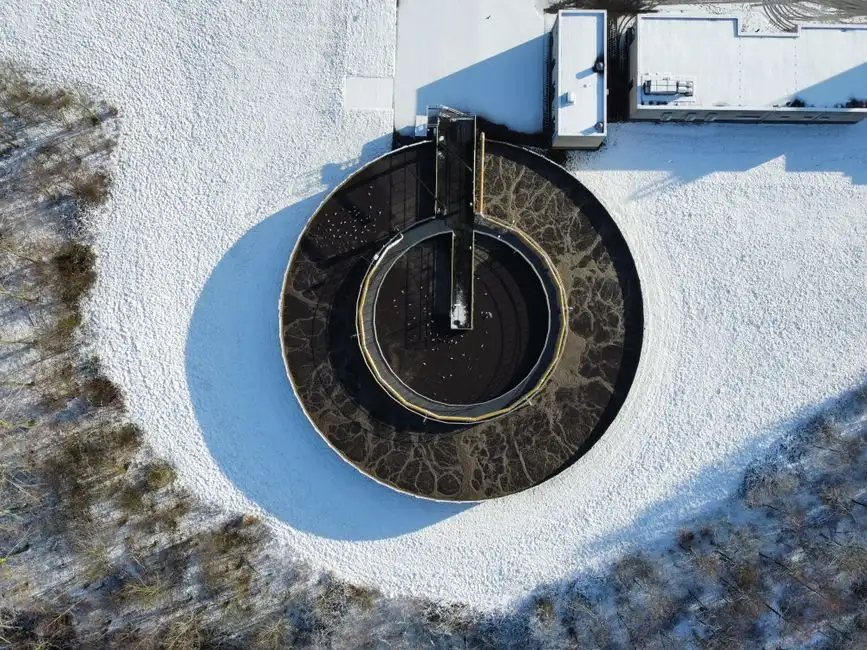
A defensible bid comparison requires every vendor to answer the same design questions using the same wastewater basis.
Issue one package containing source characterization, peak-flow records, equalization assumptions, chemical basis, target effluent, sludge route, site constraints, and acceptance criteria. Require each bid to state the separation mechanism, complete treatment-train boundary, tank geometry, hydraulic and solids-loading calculations, controls, utilities, chemical storage, sludge system, materials, warranty, commissioning, training, and service scope.
Reject equipment selected from average flow, generic removal percentages without test conditions, unverified statements that the unit “meets all limits,” and purchase prices presented without chemical, energy, sludge, or operating assumptions. Require DAF and gravity clarification to be screened against the same wastewater, chemistry, hydraulic profile, and performance criteria—or require the bidder to explain why the alternative was excluded.
| Review step | Required evidence | Commercial rejection check |
|---|---|---|
| Normalize the design basis | One characterization and peak-flow package for all bidders | Proposal uses average flow or omits a major stream |
| Screen both mechanisms | DAF and gravity comparison under the same conditions | Only one product family was evaluated |
| Validate chemistry | Jar-test or pilot report with doses and operating conditions | Performance claim has no wastewater or test condition |
| Define acceptance | Contaminant, method, sample point, averaging period, criterion | Bid merely states compliance with unspecified limits |
| Price the train | Equipment, civil, controls, chemicals, utilities, sludge, commissioning | Separator price excludes material operating interfaces |
| Contract deliverables | Site-specific performance, controls, testing, training, service | Reference project is presented as a guarantee |
For each proposed chemistry, require a pilot or acceptance test covering wastewater source, chemical doses, flow, temperature, test method, sampling point, and acceptance criterion. Make site-specific performance, controls integration, commissioning, and acceptance testing contractual deliverables. Review each bid against the industrial wastewater process-control guide for alarm, data-logging, interlock, and operator requirements.
Frequently Asked Questions
Does DAF or a clarifier cost less for mining wastewater in Orondo?
The published ranges do not establish a defensible Orondo price difference. One supplied commercial source gives indicative industrial DAF capital costs of $80,000–$350,000 and conventional circular clarifier costs of $50,000–$200,000; a separate HydropureWater article gives industrial-grade DAF costs of $150,000 to over $1.5 million. These are broad, overlapping ranges, not comparable quotations. Request installed pricing for the same flow, solids duty, materials, civil work, controls, chemical system, utilities, and sludge boundary.
How should a factory size DAF versus a lamella clarifier?
Size hydraulic capacity, solids duty, equalization, and contaminant behavior separately. For DAF, ask the bidder to document surface area, peak flow, peak solids mass loading, recycle conditions, and air-to-solids basis. For lamella clarification, require settling-area calculations and the selected surface-loading basis. Select the mechanism based on representative settleability and flotation testing, not a generic table matched to average flow.
How should a buyer select a supplier?
Require comparable mining or metals references, site-specific testing, a complete equipment scope, controls and sludge details, and contractual acceptance criteria. Ask whether DAF and gravity clarification were screened using the same wastewater and operating assumptions. A case study without the wastewater chemistry, test method, sampling point, and acceptance criterion is qualification evidence, not a performance guarantee.
Does the plant need both a clarifier and DAF?
Not automatically. A combined train is justified when testing shows distinct heavy settleable and buoyant or colloidal fractions, or when a clarifier effluent requires demonstrated flotation polishing. Evaluate an industrial DAF system and a high-efficiency lamella clarifier against the same stream. Do not accept a second unit solely because the proposal describes it as higher quality.
Which wastewater tests should be completed before ordering equipment?
Complete source-by-source flow records, peak and batch-discharge profiles, TSS and particle-size distribution, settleability, oils and greases, pH, alkalinity, temperature, and total and dissolved metals testing. Document the resulting sludge volume, moisture content, storage, dewatering method, and disposal route. Total and dissolved metals must remain separate because DAF and gravity clarification remove particulate solids, not dissolved metal directly.