
Why Textile Wastewater Needs Controlled Polymer Dosing
A polymer dosing system for the textile industry prepares, dilutes, and accurately meters flocculant into dye wastewater so colloidal particles form flocs that can be separated in a clarifier or DAF unit and carried into sludge treatment. The correct design starts with site-specific jar tests because polymer performance changes with dose, organic load, and pH (Industrial & Engineering Chemistry Research, source S2). HydropureWater lists typical solution feeds of 0.1–500 L/h, 0.1–0.5% diluted strength, and 300–1200 RPM mixing, but textile plants should size from wastewater flow, verified dose, polymer type, and injection conditions rather than a generic flow range (HydropureWater, 2026).
Textile wastewater is not a single consistent effluent. Dyeing, printing, rinsing, washing, and finishing streams can contain different combinations of dyes, process chemicals, fibers, sizing agents, and suspended solids. The discharge burden is significant: China’s textile industry discharged 1.84 billion tons of wastewater in 2015, ranking third among 41 key industries for five consecutive years from 2011–2015, while printing-and-dyeing water reuse was only 30% (PeerJ, source S1).
Coagulation–flocculation is widely used for dye wastewater because it can aggregate suspended and colloidal material before separation. The composite-polymer study in Industrial & Engineering Chemistry Research evaluated flocculation at different coagulant doses, organic loads, and pH levels, showing why a generic product description is not enough to define a textile duty (S2).
The system’s role is therefore narrow and specific: prepare polymer, activate it correctly, meter it consistently, and help create flocs that the downstream solids-separation equipment can handle. It does not replace biological treatment, oxidation, membranes, or other steps needed for the complete effluent train. For a broader view of the adjacent treatment train, see the guide to MBR treatment for textile wastewater.
The engineering question is not simply whether to buy a dosing skid. It is whether the selected polymer, dose, preparation sequence, injection point, and control strategy work together under the plant’s actual wastewater conditions. The polymer dosing system engineering specifications and costs provide a useful general framework, but textile selection must begin with the stream itself.
Map the Textile Wastewater Before Selecting a Polymer
A defensible polymer selection starts with a wastewater characterization matrix that separates normal production from peak, dilute, or off-spec conditions. Flow alone is insufficient: the same hourly flow can present a different charge, solids concentration, and chemistry after a batch dump or wash transition.
Request the following operating data before evaluating equipment:
| Parameter | Why the buyer needs it | Selection consequence |
|---|---|---|
| Wastewater flow | Establishes the hydraulic duty and the maximum metering rate. | Pump capacity and tank batch cycle. |
| COD and organic load | Indicates the organic fraction that may consume coagulant and affect floc formation. | Polymer charge, dose, and test matrix. |
| TSS and turbidity | Quantifies the solids that must be separated. | Separation performance criteria and feedback control. |
| Color and dye class | Identifies the colorant and the treatment mechanism required. | Coagulant, oxidation, and polymer compatibility. |
| pH, conductivity, and temperature | Characterizes ionic and operating conditions. | Polymer behavior, materials, and preparation conditions. |
| Process source and variability | Links load changes to dyeing, printing, rinsing, washing, or finishing. | Control strategy, storage, and surge response. |
| Coagulant or prior-treatment condition | Shows residual metal salts, alkalinity, precipitation, or biological solids. | Polymer charge and injection sequence. |
Azo dyes are synthetic colorants used in textile production and identified as major contaminants in dye wastewater; the same study identifies coagulation–flocculation as a preferred treatment technique (Industrial & Engineering Chemistry Research, source S2). Color removal should not be treated as a substitute for COD or suspended-solids removal. The selected process must address the pollutant responsible for the permit requirement, not merely improve appearance.
Representative samples should preserve the pH, organic load, dye distribution, solids state, and temperature of normal operation. The jar-test matrix should vary pH, organic load, and coagulant dose because the composite study evaluated those variables (S2). If polymer will follow precipitation or biological treatment, test that condition rather than applying a charge selected for raw wastewater.
The practical selection rule is firm: choose the polymer grade and working dose only after representative samples and site-specific tests. An integrated water-treatment system may form part of the treatment train, but its role and polymer compatibility must be established from the process data.
Choose Cationic, Anionic, or Non-Ionic Polymer
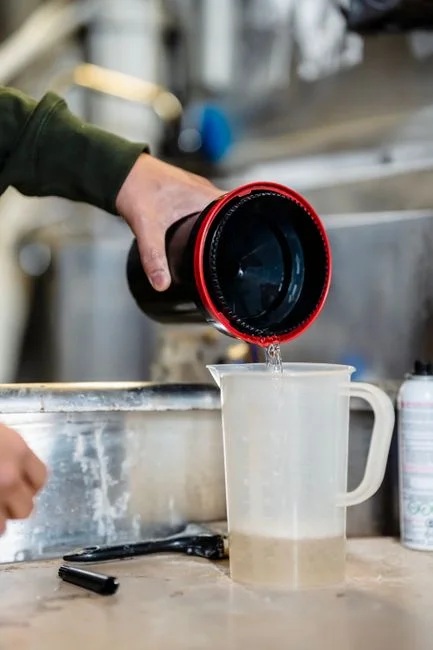
Polymer charge must match the solids being flocculated and the chemistry immediately before the polymer injection point. HydropureWater’s 2026 framework gives generic starting ranges of 1–10 mg/L for cationic grades on organic solids, 0.5–5 mg/L for anionic grades after metal-salt coagulation, and 2–15 mg/L for non-ionic grades where charge varies (S4).
| Polymer type | Published generic guidance | Condition to verify by jar test | Primary failure risk |
|---|---|---|---|
| Cationic | 1–10 mg/L for organic solids | Organic solids and the intended pH and coagulant condition | Excess dose in highly charged water; poor performance if charge is reversed. |
| Anionic | 0.5–5 mg/L after metal-salt coagulation | Metal-salt coagulation, precipitation, and residual ionic conditions | Poor bridging if the assumed particle charge is incorrect. |
| Non-ionic | 2–15 mg/L where charge swings | Variable wastewater composition and changing pH | Broad generic range may conceal an unstable operating dose. |
These values are published generic guidance, not textile performance guarantees (HydropureWater, 2026). Jar testing must establish the grade and working dose at the plant’s pH, organic load, temperature, and coagulant condition. Charge, pH, and solids type can each change the preferred grade, so one drum rarely covers every textile stream (HydropureWater, 2026).
One reported composite-polymer result illustrates both the potential and the limitation of a jar-test result. At 2.5 mg/L and optimum pH 7, the tested composite achieved 84.9% COD removal, 97% turbidity removal, and 92.4% TSS removal. That point sat within a 0.5–10 mg/L jar-test band, but it is neither a permit limit nor a transferable design dose (HydropureWater, 2026, citing a 2021 composite-polymer dosing study).
Use the result as a benchmark for test design, not as a specification. Confirm COD, color, turbidity, TSS, floc stability, and dewatering behavior under the proposed plant conditions. The selected automatic polymer dosing skid should meter the verified duty rather than compensate for an unsuitable grade or poorly controlled upstream chemistry.
Convert Jar-Test Results into a Dosing-Skid Specification
Final equipment sizing follows one sequence: confirm the selected dose, calculate diluted-solution flow, size the pump around normal duty, size the preparation tank around cycle and aging requirements, then define controls and injection conditions. The calculation is:
Dosage (mg/L) = (polymer flow rate in L/h ÷ wastewater flow rate in m³/h) × polymer concentration (%)
For the supplied example, 10 L/h of 0.2% solution entering 100 m³/h of wastewater equals 2 mg/L (HydropureWater, 2026). Recalculate whenever wastewater flow, solution strength, or the verified dose changes. Do not use the pump’s maximum capacity as the operating point; place the expected duty within the useful metering range.
| Design input | Required record | Equipment or control decision |
|---|---|---|
| Jar-test outcome | Selected polymer, dose, pH, coagulant condition, and measured response | Defines the base chemical duty and operating limits. |
| Hydraulic flow | Normal, peak, and minimum wastewater flow | Sets pump turndown and control response. |
| Polymer form and strength | Wet or liquid polymer; working solution concentration; mixing requirements | Determines make-down tank, wetting, and aging design. |
| Solution flow | Calculated L/h at the selected concentration | Sets metering-pump capacity and tubing selection. |
| Tank cycle | Batch volume, preparation time, aging period, and number of batches | Sets working volume, agitation, and transfer sequence. |
| Suction and injection | Suction lift, tank level, line routing, injection pressure, and backpressure | Sets pump type, materials, and installation details. |
| Control signals | Wastewater flow, tank level, turbidity, interlocks, and alarms | Defines PLC logic, feedback trim, and failure response. |
HydropureWater’s general envelopes of 0.1–500 L/h solution feed, 0.1–0.5% diluted strength, and 300–1200 RPM mixing are preliminary selection limits, not final textile sizing (2026). For wet polymer, the same guide describes wetting, an aging period, and transfer blocking. Many wet-polymer systems are aged for 30–60 minutes near 100 RPM, with a timer preventing transfer before the batch is ready (HydropureWater, 2026). Verify the manufacturer’s activation requirements for the selected polymer rather than treating that interval as universal.
Specify containment and failure protection as part of the skid, not as optional accessories. The WMFTS Heide case describes a sealed peristaltic pumphead with an integrated leak detector that stops the pump and displays an error if the tube ruptures (WMFTS, source S3). The design should also prevent dry-powder transfer, loss of containment, and continued pumping when tank level is inadequate.
Use the automatic polymer dosing skid to implement wetting, aging, and metered transfer. The separate polymer dosing system engineering specifications and costs guide can support the procurement specification, but all final values must come from verified site duty.
Integrate Polymer Feed with DAF and Sludge Dewatering
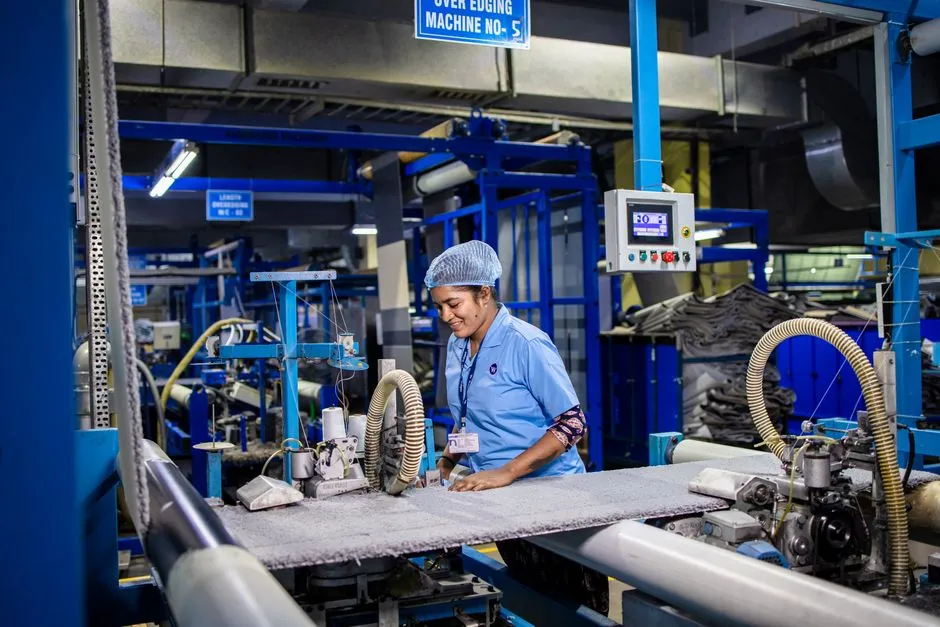
Polymer injection belongs before flocculation and solids separation, but the exact location must be established through pilot testing of mixing energy, contact time, and DAF operating conditions. A dose that performs well in a beaker can fail when the hydraulic shear, recycle, or flotation contact differs.
The downstream textile wastewater DAF system is specified for a flow range of 4–300 m³/h and listed for textile pretreatment applications (HydropureWater, 2026). These figures can frame initial equipment comparison, but the selected DAF must still be matched to plant flow, solids loading, flotation chamber configuration, and the tested floc characteristics.
The treatment chain is straightforward: polymer helps bridge dye-associated and suspended particles into flocs; the DAF or clarifier removes those flocs as floated or settled sludge; downstream equipment then determines whether that sludge releases water effectively. A clear or low-turbidity sample is not a complete performance test. Filter-cloth blinding, sticky cake, poor solids capture, and high residual polymer can make a nominally successful flocculation stage expensive downstream.
The WMFTS Heide case provides a commercial reliability reference: accurate polymer dosing supported sludge conditioning, reduced conditioned sludge volume by 80%, and operated under external control with ±1% dosing accuracy (WMFTS, source S3). This was a German municipal wastewater application, not a textile plant, so it demonstrates the importance of metering reliability rather than guaranteeing textile performance.
For textile sludge, test conditioned-sludge release on the intended plate-and-frame filter press or other dewatering equipment. The polymer conditioning before sludge dewatering discussion provides adjacent conditioning context. Before finalizing the system, confirm floc properties, sludge volume, polymer residual, and dewatering performance at operating flow.
Compare Manual, Neat-Feed, and Automated Polymer Systems
The lowest purchase price rarely produces the lowest operating cost. Manual batch preparation, neat-polymer feed, and automatic make-down systems differ in chemical handling, dosing accuracy, labor demand, response to process variation, leak exposure, and plant-control integration.
| System option | Strength | Main limitation | Procurement question |
|---|---|---|---|
| Manual batch preparation | Lower entry cost and simple operation. | Batch concentration, aging, and feed rate depend on operator technique; labor and overfeed risk increase. | How are batch strength, aging, and dose recorded and verified? |
| Neat-polymer feed | Eliminates preparation of a bulk diluted batch when the product and injection conditions permit it. | Viscosity, shear sensitivity, injection pressure, and wetted-material compatibility can restrict application. | Is the stated accuracy valid at the expected viscosity and backpressure? |
| Automated make-down | Sequential preparation, controlled aging, metering, feedback, and plant integration. | Higher capital cost and more controls, sensors, and maintenance to specify. | What accuracy, pressure, leak detection, controls, and commissioning support are included? |
HydropureWater’s 2026 guide states that manual or semi-automated packages commonly cost $5,000–$20,000, while fully automated PLC systems typically cost $25,000–$100,000. The spread is driven by flow, tank size, sensors, enclosure rating, and network integration (S4). A supplier quotation should separate equipment, tanks, metering pumps, sensors, electrical enclosures, PLC integration, installation, and commissioning so that alternatives can be compared on the same basis.
Automatic control can reduce polymer overfeeding by 20–30%, according to the same HydropureWater guide (2026). Whether that produces a worthwhile return depends on polymer price, verified dose, wastewater flow, operator labor, and the consequences of poor floc formation. No universal ROI or payback period should be accepted without a site calculation.
Require pump accuracy at the expected duty, viscosity, and pressure—not only maximum flow. HydropureWater notes that mid-stroke, rather than maximum capacity, should accommodate the operating point so the stated accuracy band remains useful (2026). The polymer dosing system engineering specifications and costs reference provides the commercial framework, while the purchase order should contain site-specific values.
Commission, Monitor, and Troubleshoot the Polymer System
Commission the skid in the same sequence used to design it: verify polymer grade and target dilution; wet and age the batch; test the metering pump; establish the wastewater reference flow; introduce polymer gradually; then record TSS, turbidity, color, pH, and sludge characteristics. This converts the jar-test result into a checked plant operating condition.
| Symptom | Likely checks | Documented response |
|---|---|---|
| Unstable or fragmented flocs | Polymer charge, activation, pH, mixing energy, contact time, and excessive shear | Confirm preparation and mixing first; then repeat the selected charge under plant conditions. |
| Excess viscosity, fragile flocs, or filter-cloth blinding | Dose, polymer residual, solids loading, and floc shear | Reduce polymer feed by 10–20% and recheck effluent TSS and cake release (HydropureWater, 2026). |
| Foam | Whether the source is polymer or surfactants in the wastewater | If surfactants are confirmed, do not compensate with a higher polymer stroke (HydropureWater, 2026). |
| Flow or concentration mismatch | Wastewater flow, solution strength, tank level, pump calibration, and tubing condition | Recalculate the dose and correct the discrepancy before altering polymer grade. |
| Pump or leak alarm | Pumphead, tubing, containment, and leak-detection function | Stop dosing, inspect, and restore the protective function before restart. |
HydropureWater identifies pH control, mixing energy, staged feed, and live turbidity feedback as principal optimization levers (2026). Use them to refine the jar-tested condition, but retain a defined operating envelope and a clear alarm response. The 2026 guide also notes that changing polymer concentration can matter more than changing feed rate, which is why strength must remain a controlled variable rather than an assumed constant.
Recalculate the dose whenever wastewater flow or polymer strength changes. Inspect metering-pump tubing and leak-detection functions on a defined schedule. The WMFTS case emphasizes the operational consequence of losing those protections: a tube rupture can release polymer from the container without automatic stopping, while a sealed pumphead with leak detection stops the pump and raises an error (S3).
Use the automatic polymer dosing skid controls for interlocks, trending, and operator feedback, and maintain records of polymer lot, concentration, aging time, dose, effluent results, and sludge behavior. Those records are the evidence needed to distinguish a chemistry problem from a preparation, metering, or mixing problem.
Frequently Asked Questions
What flow and dose information is needed to size a polymer dosing system for a textile plant?
Require wastewater flow, the verified jar-test dose, polymer concentration, polymer form, suction conditions, injection pressure, and tank-cycle data before selecting equipment. Use the dosage equation to establish solution flow, then verify that normal duty falls within the pump’s stated accuracy range rather than near its maximum capacity.
What does a polymer dosing system for the textile industry cost?
HydropureWater’s 2026 guide gives a common range of $5,000–$20,000 for manual or semi-automated packages and $25,000–$100,000 for fully automated PLC systems (S4). Request a quotation based on flow, tank size, controls, sensors, materials, and plant integration. The operating-cost comparison should separately value chemical consumption, labor, and the consequences of poor floc formation.
How should a supplier be selected for a textile wastewater dosing skid?
Ask each supplier to document metering accuracy at expected viscosity and pressure, polymer-compatible wetted materials, leak protection, control scope, commissioning support, and maintenance access. A nameplate maximum flow without operating-duty accuracy, pressure limits, and a defined sequence is not an adequate technical offer.
Can a polymer dosing system guarantee compliance with textile effluent limits?
No generic TSS result or permit value can be guaranteed for a textile stream. Performance depends on the wastewater, treatment design, polymer selection, operating control, and site-specific verification. The compliance decision should use plant data, pilot or jar-test results, operating records, and the actual effluent requirement rather than a general performance claim from polymer dosing system engineering specifications and costs.
Related Equipment
- textile wastewater DAF system — specifications, capacity range, and technical data