Which Rules Govern a Salem Fabricated Metals Discharge?
Fabricated metals plants near Salem meet sewer pretreatment limits by controlling wastewater at the source, equalizing batch dumps, removing oil and grease, reducing hexavalent chromium, precipitating dissolved metals, and settling or floating the resulting solids before discharge. The correct equipment depends on the plant’s permit, contaminants and flow: DAF with chemical dosing is generally stronger for emulsified coolant, drawing lubricant and tramp oil, while a lamella clarifier suits genuinely settleable fines. Compliance must be designed to the stricter applicable federal categorical or local POTW limit, verified through representative sampling and permit-specific monitoring.
Start with the legal basis, not the proposed equipment. A plant that only fabricates metal parts cannot be classified under a metal-finishing category merely because its waste resembles that industry’s wastewater. Review the actual operations, including forming, machining wash, plating, anodizing, pickling and metal spraying, and determine whether 40 CFR Part 413 metal finishing or 40 CFR Part 433 metal products and machinery applies. A stamping shop sending only dry parts to a separate finisher is generally outside the metal-finishing category; a plant operating zinc, nickel or chromic-acid lines is materially different. HydropureWater’s 2026 pretreatment guidance provides the scope distinction.
Within an applicable category, distinguish existing-source PSES requirements from PSNS requirements for new sources. HydropureWater’s 2026 guidance states that many POTWs use PSNS-equivalent local limits as a conservative baseline for existing plants, but that does not replace review of the issued permit. The City of Salem and Salem-Keizer POTW’s industrial user pretreatment permit, pretreatment agreement and surcharge schedule should be included in the compliance matrix. Local limits issued under 40 CFR 403.5 are at least as stringent as applicable categorical standards and may regulate oil and grease, TSS, pH and individual metals. Apply the stricter value for each parameter.
The Salem municipal-code summary reviewed by CityLaws in 2026 states that numerical limits and monitoring frequencies are established in permits or pretreatment agreements rather than one universal local table. Request the current permit documents before design freeze. HydropureWater’s 2026 Salem guide reports a typical 100 mg/L oil-and-grease ceiling, surcharges beginning near 50 mg/L, and classification-dependent ceilings of 200–300 mg/L; these are cited design values requiring confirmation, not universal Salem rules. Use the Oregon wastewater treatment cost guide for 2026 to frame installed-cost and compliance questions, not to replace permit review.
| Requirement layer | What it controls | Procurement implication |
|---|---|---|
| Federal categorical standard | Applicability and PSES or PSNS requirements for covered metal-processing operations | Establish category and applicable pollutant limits before sizing |
| Salem-Keizer POTW permit | Site-specific local limits, monitoring, reporting and operating conditions | Use the permit as the design basis; obtain the current issued documents |
| Pretreatment agreement | Monitoring points, sampling methods, reporting periods and compliance conditions | Translate monitoring obligations into controls and laboratory scope |
| Surcharge schedule | Cost triggers for oil and grease, TSS and other pollutants | Evaluate operating cost separately from permit compliance |
Characterize the Wastewater Before Choosing Equipment
A short composite sample can miss the batch dump that determines equalization and treatment capacity. HydropureWater’s 2026 pretreatment guidance directs plants to sample a full week of composite flow before specification because a short composite that misses a major dump can undersize the basin and chemical systems. Add targeted grab samples around discharges from parts washers, plating or finishing operations, machining cells and hydraulic systems. The resulting dataset—not a generic “fabricated metals” profile—must drive the mass loading and equipment basis.
For initial scoping, HydropureWater’s 2026 field profile for a typical Salem-area stamping or machining operation identifies TSS of 500–3,000 ppm, oil and grease of 200–1,500 ppm, and pH of roughly 6–10 after rinse-water dilution. These are scoping values, not assumed site results. They are materially different from the broader mixed floor-drain ranges in HydropureWater’s 2026 pretreatment guidance, which identify oils at 50–500 mg/L, TSS at 100–1,000 mg/L, dissolved metals at 5–200 mg/L and pH swings from 2 to 12. The gap between those profiles reinforces the need for plant-specific sampling.
Map contaminants separately. Free oil may skim; emulsified coolant and drawing lubricant require chemical destabilization and flotation. Parts-washer detergent can interfere with separation. Ferrous fines and non-ferrous swarf create solids loading, while dissolved metals require precipitation. Hexavalent chromium and cyanide require dedicated chemistry before physical separation. A stream can contain all of these, but averaging their concentrations into one “metals” number would conceal the controlling unit operations. The metals-plant sewer compliance methodology provides a transferable sampling structure without replacing the site’s own data.
| Design input | Minimum site evidence | Decision supported |
|---|---|---|
| Flow regime | Full-week composite, batch logs, durations, discharge timing and peak flow | Equalization volume, pumping and separator capacity |
| Oil character | Oil and grease results, free-versus-emulsified observation, coolant and lubricant inventory | DAF, lamella clarification or combination |
| Solids and metals | TSS, total and dissolved metals by stream, swarf and grit observations | Screen, precipitation, solids handling and sludge yield |
| Treatment chemistry | pH, hexavalent chromium and cyanide results, with batch-specific grab samples | Dedicated reduction, oxidation and pH-control steps |
| Discharge conditions | Current permit, agreement, surcharge schedule and monitoring locations | Effluent targets, controls and compliance testing |
Record each batch’s flow, duration, pH, TSS, oil and grease, relevant metals, hexavalent chromium and cyanide where applicable. A supplier should not be asked to guarantee performance from average flow or a single composite alone. If representative influent data are unavailable, issue the equipment proposal as a budgetary concept and make final sizing, chemistry consumption and guarantees conditional on one week of compositing plus batch-dump grabs.
Build a Pretreatment Train Around the Contaminants
The process train should assign one treatment function to each contaminant family. Start with industrial wastewater equalization and mechanical screening. A rotary mechanical bar screen protects pumps, valves and sludge equipment from rags, wipes and tramp metal. Equalization then blends batch dumps, which stabilizes flow and chemistry for the treatment units that follow. This sequence reflects HydropureWater’s 2026 pretreatment guidance.
- Equalize and screen. Remove rags, wipes and tramp metal before the stream reaches pumps, clarifiers or sludge dewatering.
- Reduce hexavalent chromium. Use pH-controlled sodium metabisulfite or ferrous sulfate before metals precipitation. HydropureWater’s 2026 guidance identifies pH 2–3, approximately 250–300 mV ORP, and a subsequent precipitation stage at pH 8.5–9.5.
- Oxidize cyanide separately. Where cyanide is present, destroy it before metals precipitation. HydropureWater’s 2026 guidance identifies sodium hypochlorite among the chemical options but does not establish a universal dose.
- Adjust pH and precipitate dissolved metals. Convert soluble metals into hydroxide floc that can be removed physically.
- Coagulate and flocculate. Prepare the oil and solids for separation, using an automatic chemical dosing skid with flow-paced feed and pH or ORP feedback.
- Remove floating and settled solids. Use DAF or lamella clarification, then provide filtration or another polishing step only where the permit or reuse specification requires it.
Automatic dosing should respond to both flow and chemistry. A batch dump can overwhelm a timer-based pump, while excessive pH or oxidant can impair downstream separation. An rotary mechanical bar screen protects the rest of the train, while the dosing skid should provide pump calibration, stroke-count totals, alarms and factory-tested interlocks.
| Contaminant | Required treatment function | Failure if omitted |
|---|---|---|
| Free oil and grease | Coagulation and physical separation | Floating scum, odor and oil-and-grease excursions |
| Emulsified coolant or lubricant | Chemical destabilization followed by DAF | Persistent oil droplets that defeat gravity settling |
| Hexavalent chromium | Controlled reduction before precipitation | Soluble chromium can pass physical separation |
| Cyanide | Dedicated oxidation before metals precipitation | Downstream metal removal can be impaired |
| Dissolved metals | pH-controlled precipitation and solids removal | Dissolved metal remains in the discharge |
| Suspended solids and swarf | Screening, equalization and clarification | High TSS, abrasion and sludge-handling problems |
Polishing is conditional, not a default. HydropureWater’s 2026 guidance identifies MBR for BOD/COD tightening and reuse, and RO for sub-ppm TDS or metal limits. Neither replaces reduction, oxidation, precipitation and solids removal. Specify them only against a written reuse or discharge requirement.
Choose Between DAF and Lamella Clarification
A lamella clarifier is appropriate when the pollutants are genuinely settleable and free oil remains below 50 ppm; emulsified coolant, drawing lubricant or tramp oil favors DAF. HydropureWater’s 2026 field data identifies approximately 100 ppm emulsified oil as the practical clarifier-only failure threshold. Above that concentration, a clarifier alone is not expected to meet typical POTW oil-and-grease limits. The decision should therefore follow oil character and permit limits, not footprint or purchase price alone.
HydropureWater’s 2026 cited lamella class operates at 20–40 m/h surface loading. Its cited DAF design variables are 4–20 m/h hydraulic surface loading, an air-to-solids ratio of 0.005–0.060 with 0.02 typical, and a 10–30% recycle rate. These are initial engineering criteria, not substitutes for manufacturer guarantees or site verification. The DAF versus clarifier selection guide is useful for structuring the comparison, but Salem permit conditions and representative wastewater data remain controlling.
| Selection factor | DAF | Lamella clarification |
|---|---|---|
| Preferred wastewater character | Emulsified coolant, drawing lubricant, tramp oil, free oil and colloidal metalworking fluids | Settleable metal fines with low oil |
| Emulsified-oil limitation | Primary flotation step; performance depends on coagulation and flocculation | Practical failure threshold cited near 100 ppm in HydropureWater’s 2026 field data |
| Low-oil application | May be unnecessary if oil remains below 50 ppm | More compact, lower-chemical option |
| Sludge character | Floated oil-bearing floc; cited thickened consistency of 2–4% | Watery underflow requiring comparison of hauling and dewatering costs |
| Best use for a mixed stream | Primary oil and FOG removal, optionally followed by clarification | Polishing after DAF or treatment of low-oil fines |
For the cited 50 gpm example with 1,500 ppm TSS and 600 ppm oil and grease, including periodic TSS spikes to 2,000 ppm, HydropureWater’s 2026 field-data projection places properly sized DAF effluent at 30–60 ppm TSS and 25–40 ppm oil and grease. Treat this as a screening projection, not a performance guarantee. The industrial DAF system for metalworking wastewater should be compared with the high-efficiency sedimentation tank using the same site-derived mass loading and guarantee point.
HydropureWater’s 2026 field-data estimate gives a 12–24 month payback for a 50 gpm DAF installation through lower surcharges and reduced sludge hauling. It is a screening estimate, not guaranteed ROI. Validate the business case with current surcharge rates, measured chemical use, actual sludge volume and the plant’s own discharge profile.
Protect Compliance with Controls, Monitoring and Sludge Management
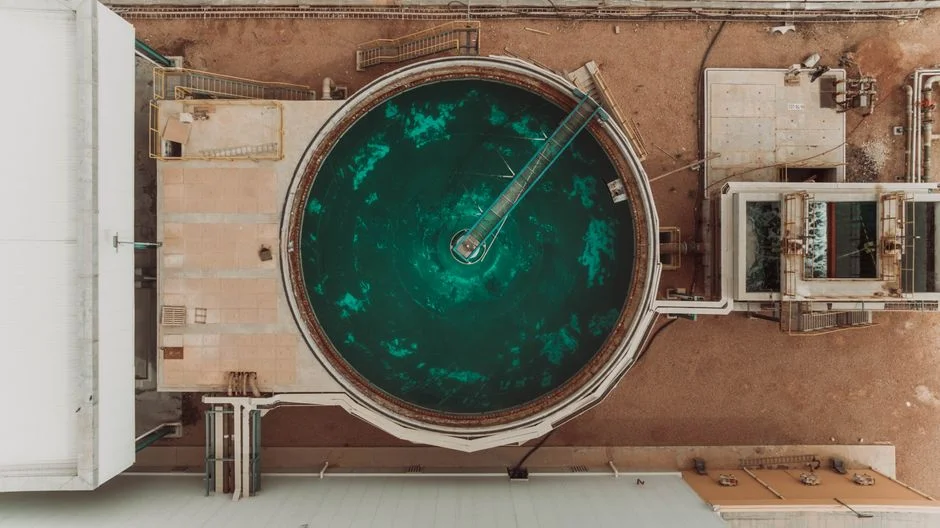
Controls must prevent a chemistry upset from leaving the treatment train. HydropureWater’s 2026 pretreatment guidance calls for interlocks on pH excursion, ORP out of range and high TSS to divert flow back to the equalization basin header. Trend flow, pH, ORP, TSS and oil and grease at the frequencies specified in the permit, and use the required composite and grab sampling to distinguish recurring loads from batch slugs. Sampling frequency must come from the issued permit, not a generic monitoring assumption.
Use PLC-controlled, skid-mounted chemical dosing with pump calibration, stroke-count totals, high/low chemical alarms and factory-tested interlocks. Operators need to see actual dose, chemical inventory, permissive status and diversion status. A DAF is not a control system for a failed chrome-reduction reaction or an exhausted chemical supply; those events must stop the discharge path.
Plan sludge handling before startup. HydropureWater’s 2026 guidance describes floated metal-hydroxide sludge at typically 2–5% dry solids leaving DAF and 25–35% after plate-and-frame dewatering. A cited DAF equipment basis uses 2–4% thickened sludge consistency, while a watery clarifier underflow can increase hauling volume. A plate-and-frame filter press should be evaluated for the actual sludge assay and disposal route. Compare waste characterization, dewatering performance, filter media and hauling cost—not just equipment price.
Before startup, verify equalization freeboard, diversion capacity, chemical storage compatibility, sludge storage, wash-water handling, sampling access and emergency response. Commission the interlocks using simulated high flow, pH deviation, ORP deviation and high solids. A written operating log should identify the alarm, operator response, sample result and return-to-service authorization.
Turn the Design into a Procurement-Ready Package
A defensible proposal must connect the permit to measurable acceptance criteria. Require the supplier to submit the permit basis, wastewater characterization, batch mass loading, equalization calculation, equipment sizing, chemical consumption, control narrative, sludge-yield estimate, commissioning plan and performance guarantees. A bid that lists equipment capacity without identifying the influent and guarantee point is not comparable.
| Procurement package | Required supplier response | Buyer check |
|---|---|---|
| Design basis | Permit parameters, representative sampling results and peak batch loading | Matches the plant’s actual operation and current POTW documents |
| Performance guarantee | Defined TSS and oil-and-grease limits, test protocol, guarantee point and remedy | Not a broad removal percentage without test conditions |
| Installed cost | Equipment, foundations, piping, electrical, controls, startup, training and contingency | Compare complete installed systems rather than skid prices |
| Operating cost | Chemical use, energy, labor, sludge hauling and waste characterization | Based on measured or proposed mass loading |
| Controls and testing | Alarms, shutdown behavior, calibration, FAT and site acceptance criteria | Representative influent and site-specific permit limits govern acceptance |
| Sludge | Expected solids consistency, dewatering duty and disposal documentation | Reconciled with chemical additions and mass balance |
Ask each supplier to define exactly what is guaranteed: influent range, sampling method, analysis method, test duration, guarantee point and remedy for nonperformance. Do not compare a manufacturer-rated removal percentage with a site-specific effluent promise. Require spare parts, operator documentation, PLC access, alarm logic, training, commissioning support and factory acceptance testing before shipment.
Make final acceptance conditional on representative influent testing and the current site-specific permit limits. The cited 50 gpm example is not a substitute for actual peak batch loads. Use the 2025 sludge dewatering technology and ROI review to examine downstream handling, but keep chemical use, energy, controls, labor, hauling and compliance guarantees in the same commercial comparison.
Frequently Asked Questions
Is DAF or a lamella clarifier the better primary separator for a Salem fabricated metals plant?
Use DAF when the stream contains emulsified coolant, drawing lubricant or tramp oil, or when oil and grease is consistently above 100 ppm. HydropureWater’s 2026 field data places the practical clarifier-only failure threshold near 100 ppm emulsified oil. A lamella clarifier is appropriate for genuinely settleable metal fines when oil remains below 50 ppm and significant emulsified FOG is absent. The final selection must be checked against representative sampling and the current Salem-Keizer POTW permit.
What information does a supplier need before quoting a reliable wastewater treatment system?
Request one full week of composite sampling, batch logs, current permit and pretreatment agreement, flow chronology, contaminant results, pH range, hexavalent chromium and cyanide data, and sludge-handling targets. These inputs permit mass-loading, equalization, separator, chemical and residual-solids calculations. Without them, ask for a conceptual budget and make final sizing and guarantees conditional on site characterization.
How should the capital cost of a DAF be compared with a clarifier?
Compare installed cost plus chemical use, energy, operator labor, controls, sludge hauling, waste characterization and commissioning—not the purchase price alone. HydropureWater’s 2026 field-data estimate gives a 12–24 month payback for a 50 gpm DAF through lower surcharges and reduced sludge hauling, but that is a screening estimate. Request a site-specific cash-flow calculation using measured influent, current surcharge rates and the supplier’s guaranteed effluent and sludge-consistency values.
What is the compliance risk of using DAF or clarification without dedicated chromium or cyanide treatment?
Physical separation does not by itself destroy hexavalent chromium or cyanide. HydropureWater’s 2026 guidance identifies sodium metabisulfite or ferrous sulfate for chromium reduction before precipitation, and separate oxidation for cyanide before metals removal. Omitting those steps can allow soluble contaminants to remain or impair downstream precipitation, so define the reaction sequence, ORP or pH controls, sampling points and interlocks in the approved treatment narrative.
When is UF, MBR or RO justified, and can it replace the core pretreatment train?
Specify a polishing system only when the permit, reuse specification or a documented future requirement calls for it. HydropureWater’s 2026 guidance identifies MBR for BOD/COD tightening and reuse and RO for sub-ppm TDS or specific dissolved-metal limits. An ultrafiltration system, MBR treatment system or industrial RO system supplements, rather than replaces, equalization, reduction or oxidation, precipitation, oil removal and solids separation.